


Featured Post
How to Choose the Right Dining Table for Your Space
Choosing the right dining table is more than just picking a piece of furniture; it's about creating a space where memories are made. Whether it's family dinners, holiday gatherings, or casual brunches with friends, the dining table is often the heart of the home. But with so many options available, how do you find the perfect one for your space? This guide will walk you through the process, from measuring your room to selecting the style that best fits your decor. By the end, you'll have the knowledge and confidence to choose a dining table that not only looks great but also enhances your lifestyle.
Measuring Your Space
Before you fall in love with a particular table, it's essential to ensure it will fit comfortably in your dining area. A table that's too large can make the room feel cramped, while one that's too small might seem lost in the space. Here's how to get the measurements right:
-
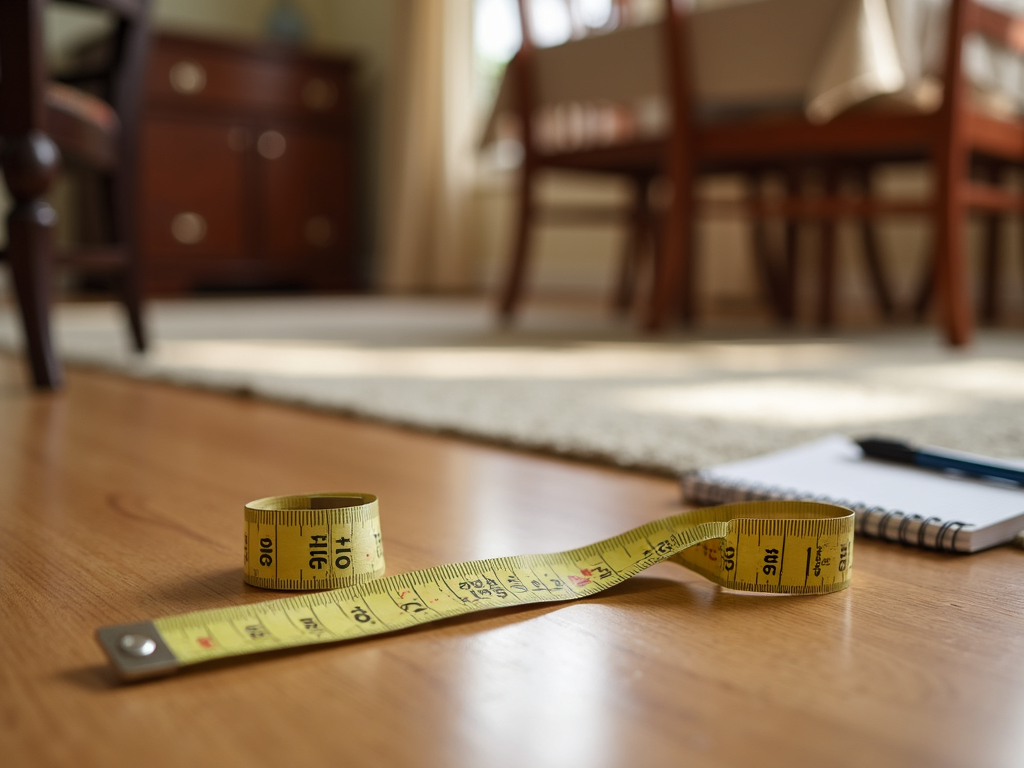
Measure your dining area: Use a tape measure to find the length and width of the room. If your dining area is part of a larger space, like a kitchen or living room, measure the area where you plan to place the table.
-
Allow for clearance: To ensure there's enough room for chairs and for people to move around, leave at least 36 inches between the table and the walls or other furniture. This space allows chairs to be pulled out comfortably and for guests to walk behind seated diners.
-
Consider the number of seats: Think about how many people you want to seat regularly and for special occasions. A general rule is to allow 24 inches of table space per person. For example, a 72-inch long table can typically seat six people comfortably.
To help you visualize, here's a table of standard dining table sizes and the number of people they can seat:
| Table Size | Shape | Seats |
|---|---|---|
| 36" x 36" | Square | 4 |
| 48" x 48" | Square | 4-6 |
| 60" x 36" | Rectangular | 6 |
| 72" x 36" | Rectangular | 6-8 |
| 48" diameter | Round | 4 |
| 60" diameter | Round | 6-8 |
Remember, these are guidelines. The actual number of seats can vary based on the width of the chairs and how much space you prefer.
Choosing the Right Shape
The shape of your dining table can influence the dynamics of your meals and the overall feel of your space.
-
Rectangular tables are the most common and versatile. They fit well in rectangular rooms and can accommodate more guests, making them ideal for larger families or those who entertain often.
-
Square tables are great for square rooms and create a sense of intimacy. They're perfect for smaller gatherings and can make the space feel cozy.
-
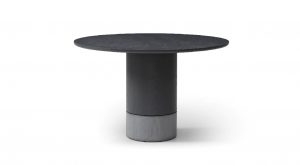
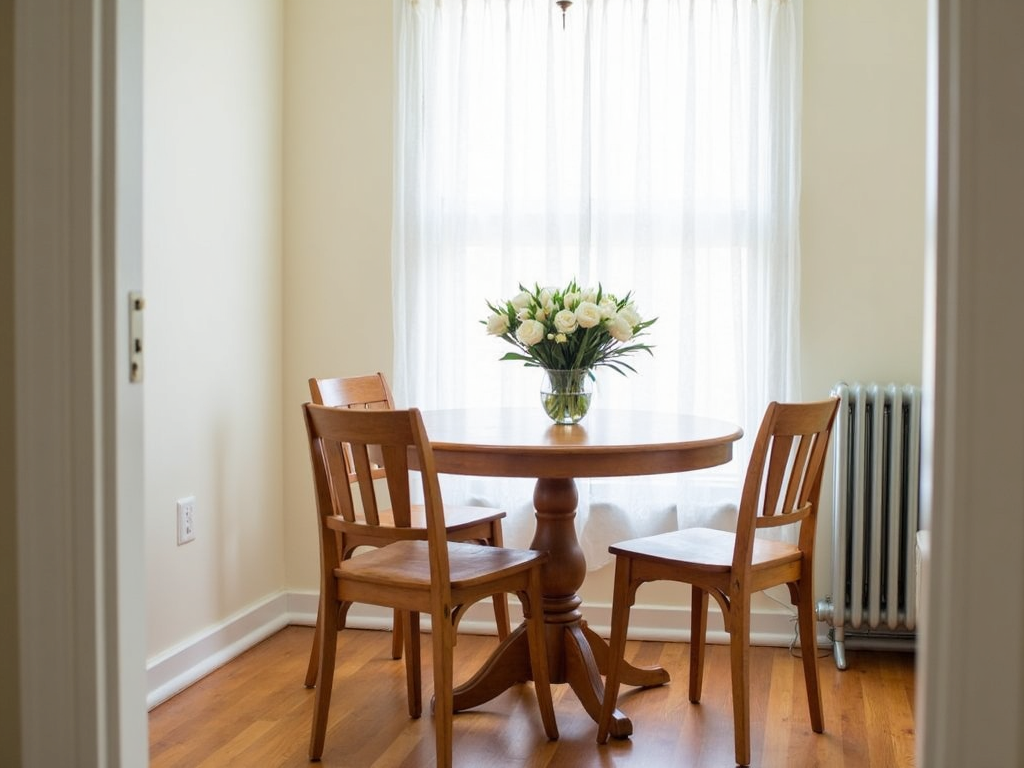
Round tables are excellent for small spaces because they have no corners, which can make the room feel more open. They also encourage conversation since everyone is facing each other.
-
Oval tables combine the benefits of rectangular and round tables. They offer more seating than round tables and have a softer look than rectangular ones.
When choosing a shape, consider the shape of your room and how you want to use the table. For example, if you have a long, narrow dining room, a rectangular table might be the best fit. If your space is square, a round or square table could work well.
Selecting the Material
The material of your dining table affects not only its appearance but also its durability and maintenance requirements. Here are some popular options:
-
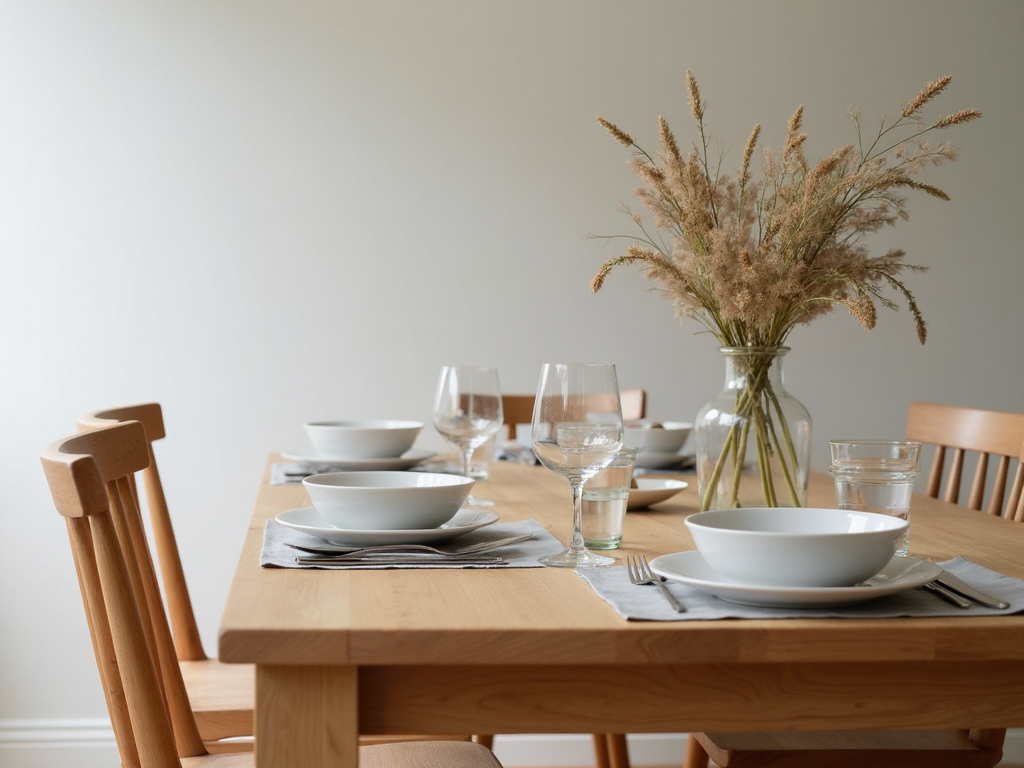
Wood: A classic choice, wood brings warmth and character to any space. It can be refinished if damaged and comes in various finishes to match your decor. However, wood can scratch and may require regular polishing to maintain its look.
-
Glass: Modern and sleek, glass tables can make a room feel more spacious. They're easy to clean but can show fingerprints and smudges, and they might not be the best choice for homes with young children due to the risk of breakage.
-
Metal: Sturdy and often industrial in style, metal tables are durable and low-maintenance. They can be paired with different chair styles for a unique look but might not suit every decor.
-
Stone: Tables made from marble, granite, or other stones are striking and durable. They're heavy and can be expensive, but they make a statement in any dining room.
When selecting a material, think about your lifestyle. If you have a busy household, a durable material like metal or a wood with a distressed finish might be more practical. If you prefer a polished look, glass or stone could be appealing.
Matching the Style
Your dining table should harmonize with the rest of your home's decor. Here are some tips for different styles:
-
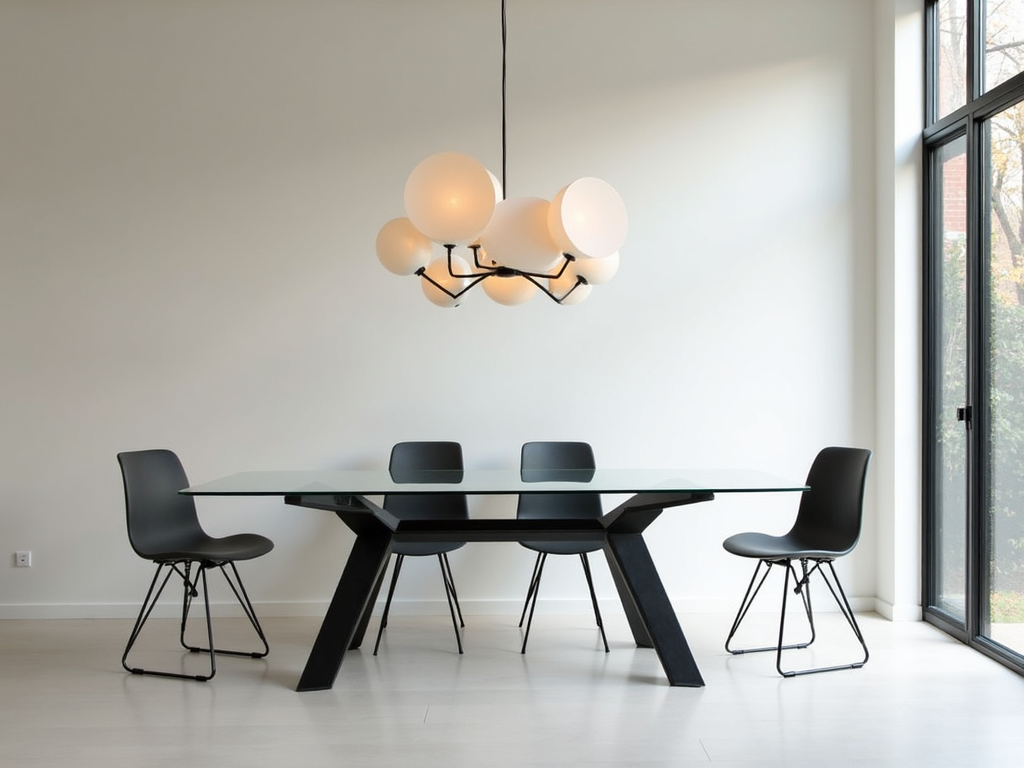
Modern: Look for tables with clean lines, minimal ornamentation, and materials like glass, metal, or high-gloss wood.
-
Traditional: Opt for tables with classic designs, such as turned legs or carved details, often in darker woods.
-
Rustic: Choose tables made from reclaimed wood or with a distressed finish to add character and warmth.
-
Eclectic: Mix and match different styles, perhaps pairing a vintage table with modern chairs for a unique look.
Consider the existing furniture and color scheme in your dining room. If you're starting from scratch, think about the atmosphere you want to create. A sleek, modern table can set a contemporary tone, while a sturdy wooden table might evoke a sense of tradition and comfort.
Additional Features to Consider
Beyond the basics, there are additional features that can enhance your dining table's functionality:
-
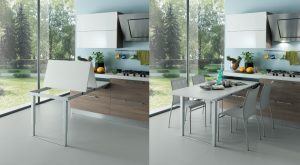
Extendable tables: These are perfect for those who occasionally need extra seating. Look for tables with leaves that can be easily added or removed.
-
Storage options: Some tables come with built-in storage, like drawers for placemats or shelves for dishes, which can be great for small spaces.
-
Multi-functional tables: In smaller homes, a dining table that can double as a workspace or craft table can be a smart choice.
-
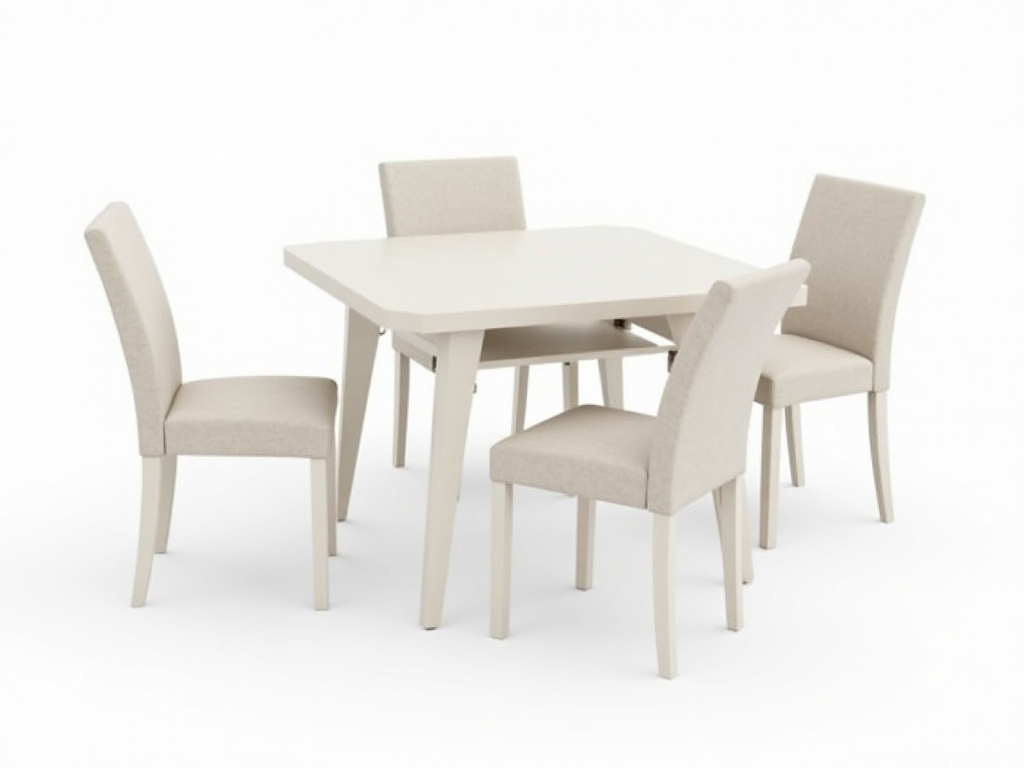
Chair compatibility: Don't forget to consider the chairs. Ensure they fit comfortably under the table and complement its style. If you're buying a set, make sure the chairs are comfortable for long meals.
Budget Considerations
Dining tables can range from a few hundred to several thousand dollars, depending on the material, size, and brand. Set a budget before you start shopping to narrow down your options. Remember that a higher price doesn't always mean better quality. Look for tables that are well-constructed, with sturdy legs and a solid top. If you're on a tight budget, consider second-hand options or sales at furniture stores. Sometimes, you can find great deals on floor models or discontinued styles.
Summary
Choosing the right dining table is a significant decision that can impact your home's functionality and aesthetic. By carefully measuring your space, considering the shape, material, and style, and thinking about additional features, you can find a table that perfectly suits your needs. Remember, the best dining table is one that not only looks good but also feels like the heart of your home, where memories are made and shared.