



Featured Post
The Science Behind Standing Desks: Benefits, Tips, and More
Standing desks have taken offices by storm in recent years. But what’s the science behind standing desks? This article explores how they impact your health and productivity. You’ll find research-backed benefits, practical tips, and personal insights to help you decide if they’re right for you.
The Health Benefits of Standing Desks
Standing desks do more than just change your position. Research shows they can improve your health in meaningful ways. Let’s break down the key benefits you can expect.
Burning More Calories
Did you know standing burns more calories than sitting? A study from the Journal of Physical Activity and Health found that standing desk users burn about 50 extra calories per hour. Over a workday, that adds up! It’s a small but helpful boost for weight management.
Better Posture, Less Pain
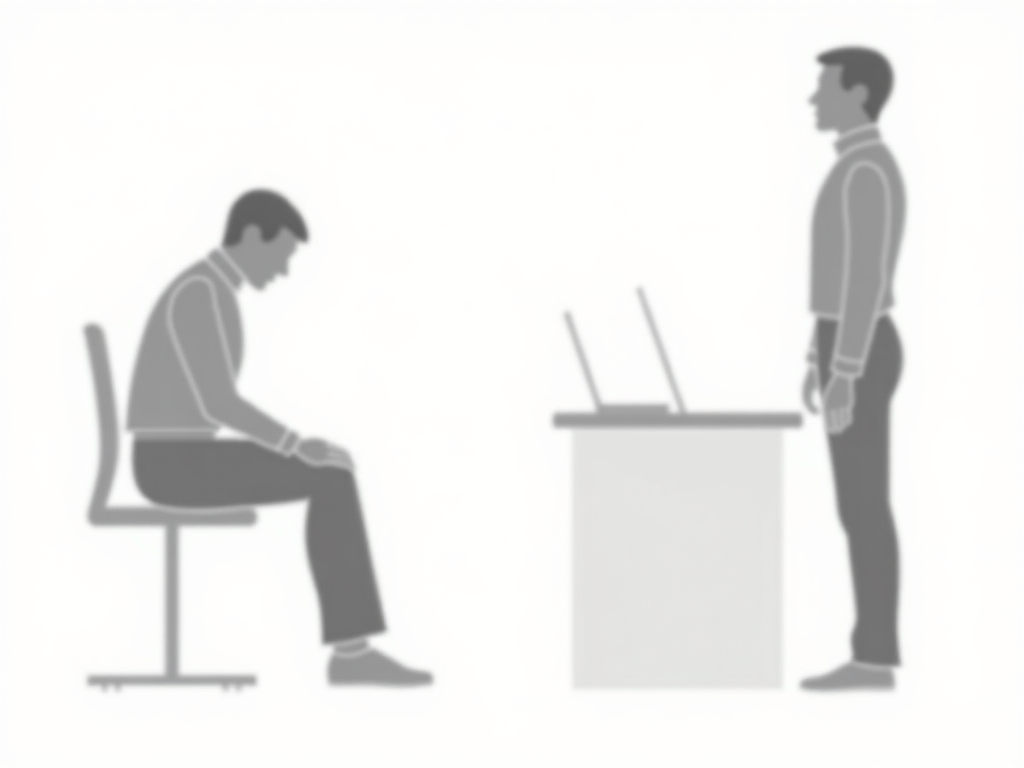
Sitting all day often leads to slouching. Over time, this can cause back and neck pain. Standing desks encourage you to stand straighter, easing that strain. Many people notice less discomfort after making the switch.
Boosted Energy and Focus
Ever feel sluggish after hours in a chair? Standing can help. Users often say they feel more awake and focused. The extra blood flow from standing might be why. It’s a simple way to stay sharp during long workdays.
Lower Risk of Health Issues
Sitting too much is linked to serious problems like heart disease and diabetes. Studies, like one from the American Journal of Epidemiology, suggest standing more could cut those risks. It’s not a cure, but it’s a step toward better health.
Potential Drawbacks You Should Know
Standing desks aren’t perfect. They come with challenges. Here’s what to watch out for and how to handle them.
Tired Legs and Feet
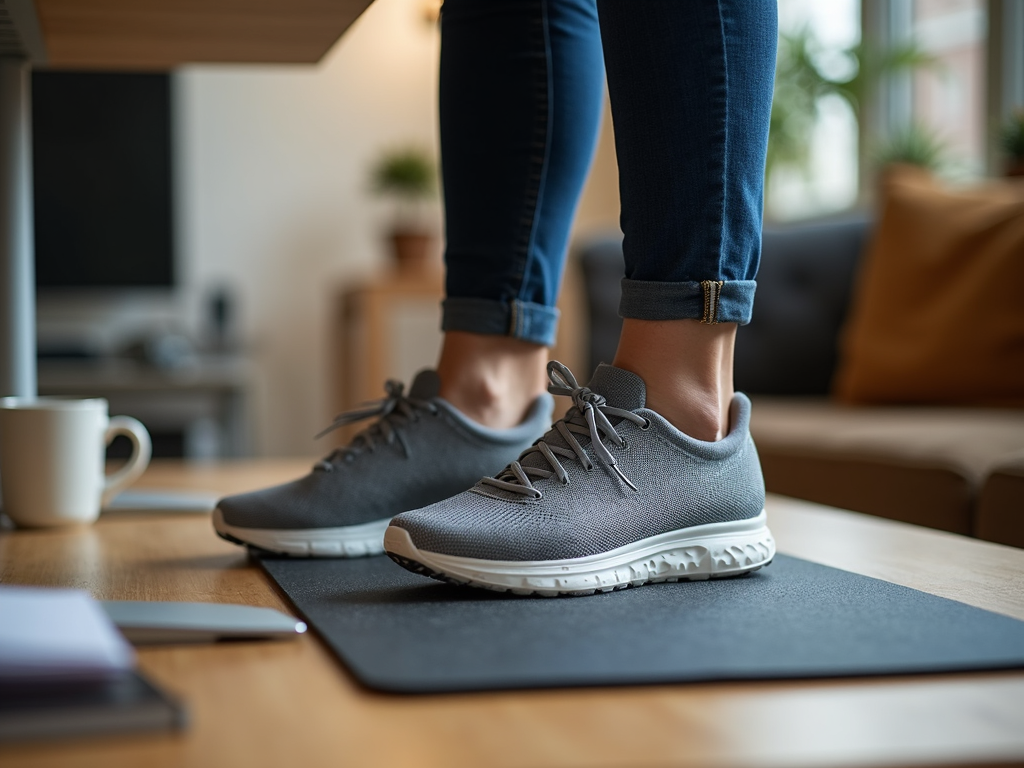
Standing for hours can leave your legs sore. I felt this myself when I started. An anti-fatigue mat helps a lot. So does taking breaks to sit or walk around. Don’t push through the discomfort—listen to your body.
Possible Vein Problems
Some research hints that standing too long might lead to varicose veins. Movement is key here. Shift your weight, stretch, or step away occasionally. It keeps your blood flowing and reduces the risk.
Setup Matters
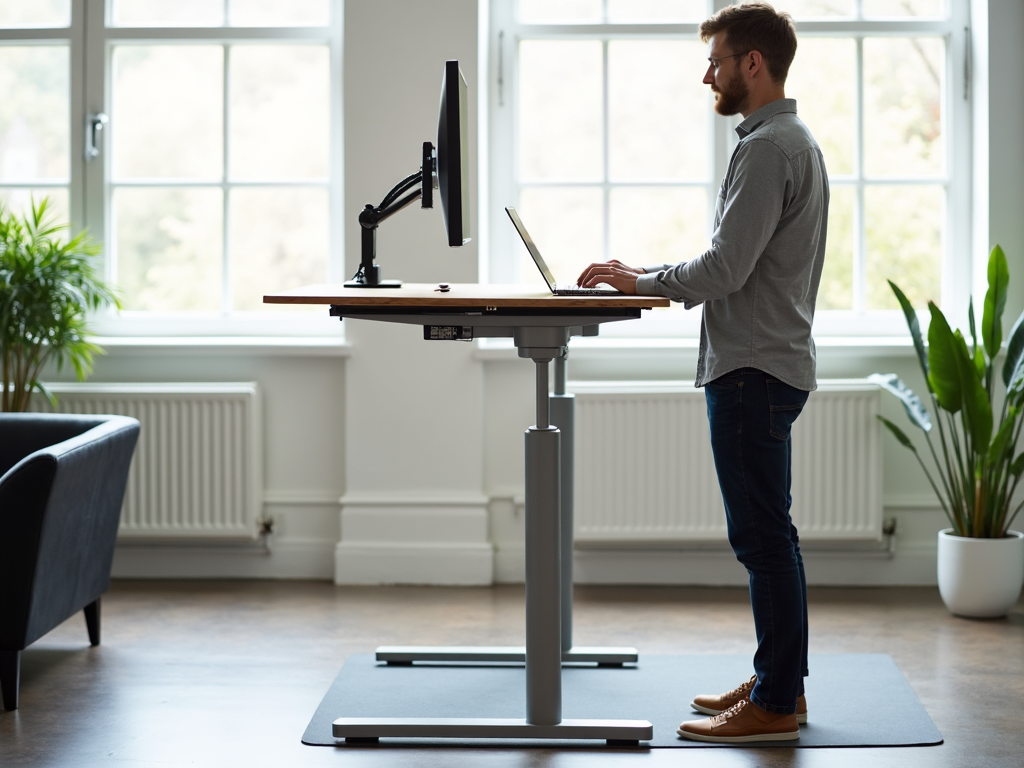
A poorly set desk can hurt more than help. Your screen should be at eye level, and your arms should rest comfortably. Get this wrong, and you might strain your neck or wrists. Take time to adjust it right.
Standing Desks: Benefits and Tips
Ready to try a standing desk? These tips will make it work for you. They’re simple and based on real experience.
Start Small
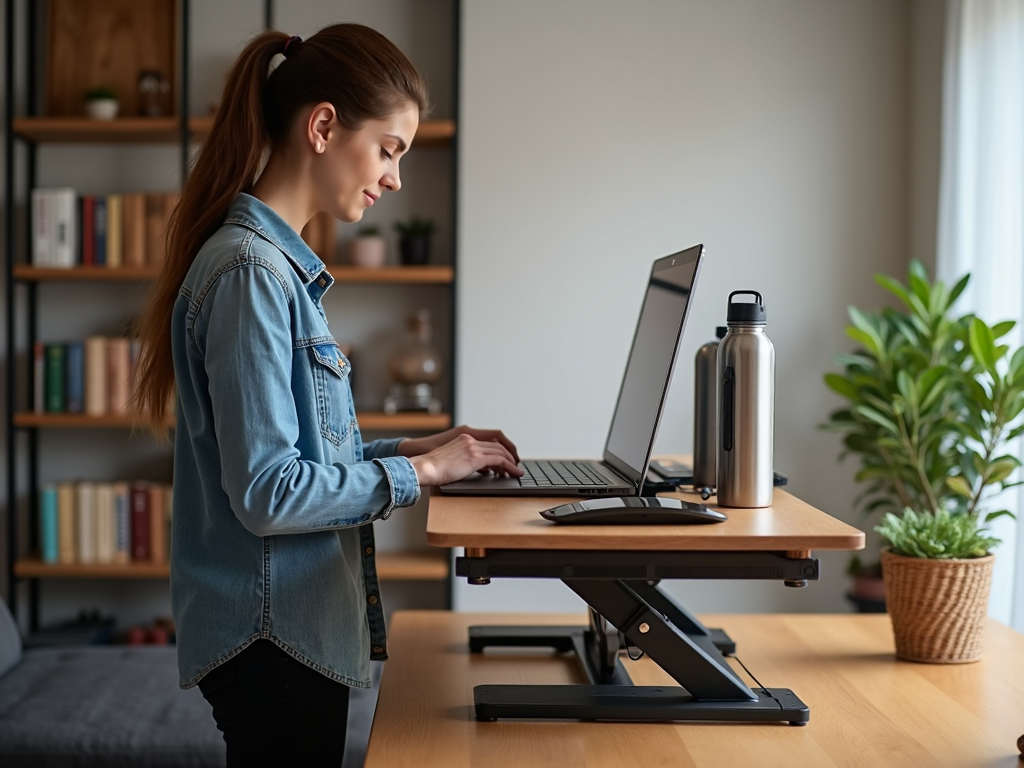
Don’t stand all day right away. Begin with 20-30 minutes, then sit. Build up as you get used to it. I started with an hour total and worked my way up.
Mix It Up
Alternate between sitting and standing. Try standing for 30 minutes every hour or two. It keeps you comfortable and gets the best of both worlds.
Stand Right
Keep your head up, shoulders relaxed, and feet apart. Don’t lean on the desk—it throws off your posture. A quick check in the mirror helps.
Add Comfort
An anti-fatigue mat is a game-changer. It cushions your feet and cuts down on tiredness. Comfortable shoes help too—no heels or flip-flops!
Move and Hydrate
Take breaks to stretch or grab water. It’s easy to forget when you’re focused. Set a reminder if you need to. Your body will thank you.
Picking the Best Desk
Not all standing desks are the same. Here’s what to look for in office furniture for ergonomic workstations.
Adjustability
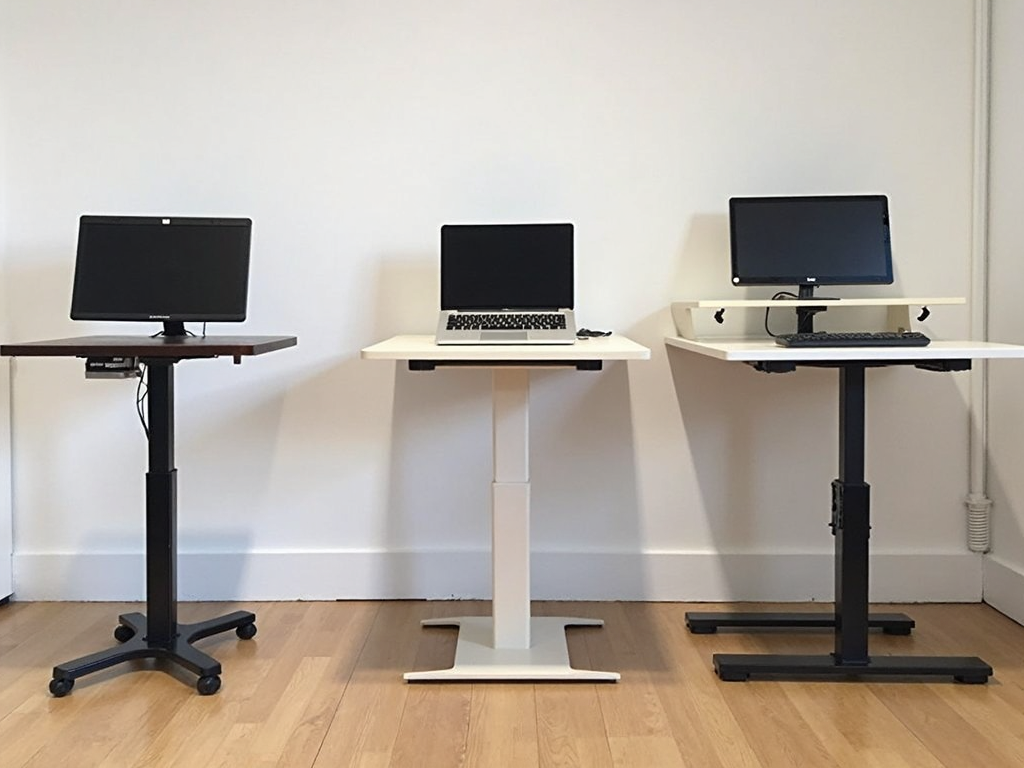
You need a desk that moves to your height. Electric ones are easy, but manual ones work too. Test it out to see what fits.
Stability
A wobbly desk is frustrating. Make sure it’s steady, especially when raised. Check reviews or try it in person if you can.
Size and Space
Think about your setup. Will it hold your computer, papers, and coffee? Measure your space first. I once got a desk too big for my room—oops!
My Experience With Standing Desks
I’ve used a standing desk for three years now. At first, I wasn’t sure it’d make a difference. But I noticed I wasn’t as tired by afternoon. My back pain eased up too.
It wasn’t all smooth, though. My feet hurt early on. An anti-fatigue mat fixed that fast. I also learned to switch between sitting and standing. Now, it’s a habit I love.
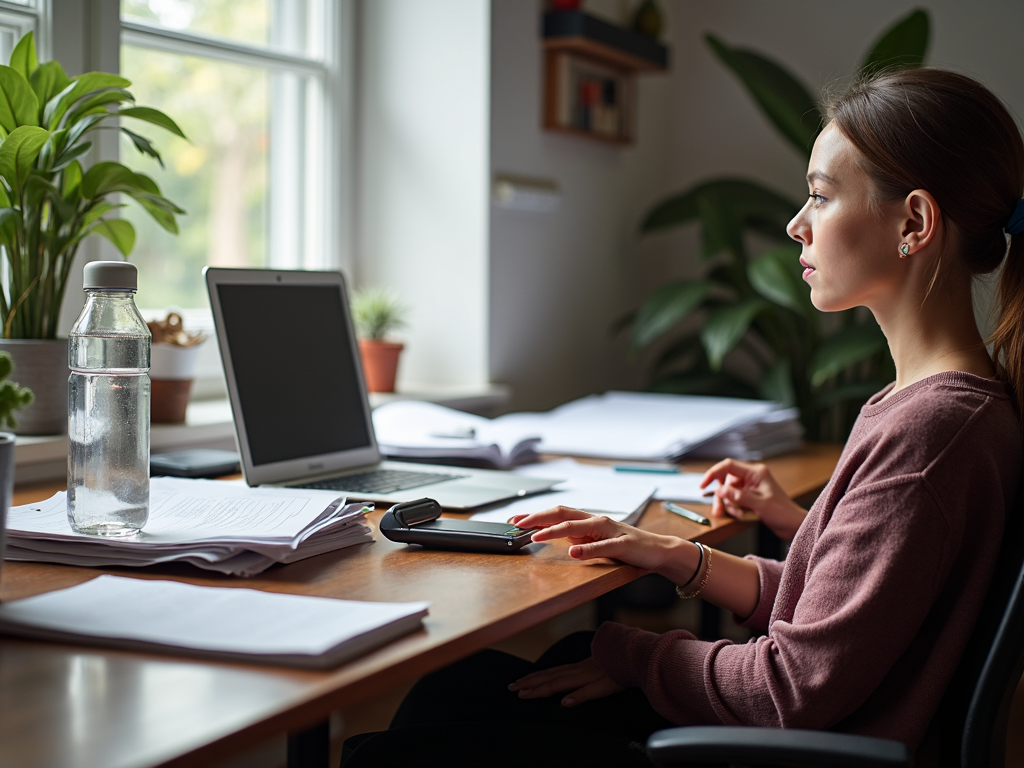
Even furniture like a bed can tie in here. Standing desks free up my day so I sleep better at night. It’s all connected—healthier days, better rest.
In short, the science behind standing desks shows real promise. They’re not a fix-all, but with the right approach, they can transform your work life. Give it a shot!