








Featured Post
The History of Leather Furniture: From Ancient Craft to Modern Luxury
A Timeless Craft: The Origins of Leather Furniture
Leather furniture has a certain allure—its texture, its durability, its ability to age gracefully. The History of Leather Furniture stretches back thousands of years, intertwining with human culture and craftsmanship. From ancient nomadic tribes to today’s luxury recliner furniture collections, leather has been a symbol of status, comfort, and artistry. Let’s dive into how this material became a cornerstone of home design.
Ancient Beginnings: Leather in Early Societies
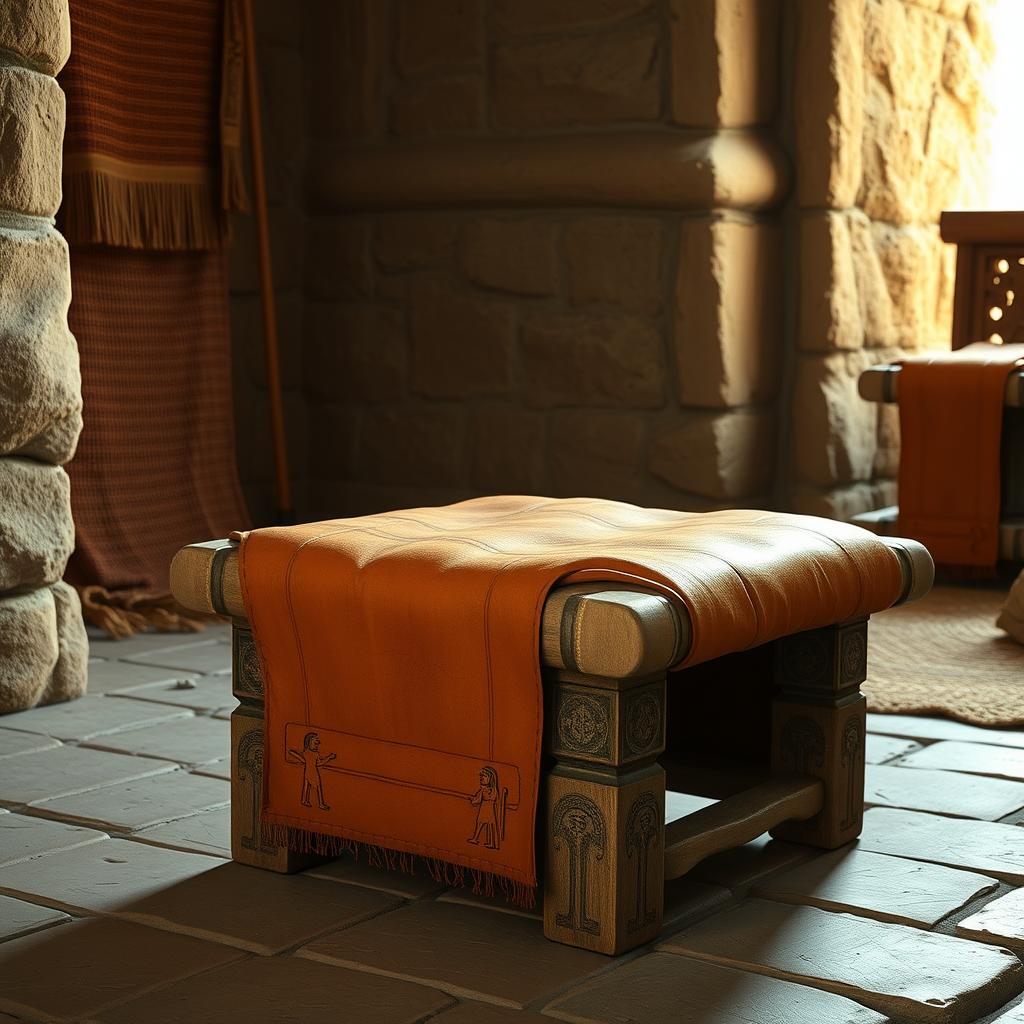
Leather’s story starts with our earliest ancestors. They didn’t have factories or showrooms, but they knew how to work animal hides into durable goods. Around 3000 BCE, ancient Egyptians used leather for seating in royal households, crafting stools and chairs with stretched hides. These pieces were both practical and prestigious, reserved for the elite. Archaeological finds, like those from the Metropolitan Museum of Art’s Egyptian collection, show how skilled these early artisans were, tanning hides with vegetable oils to create supple, long-lasting materials.
Nomadic tribes across Mesopotamia and Central Asia also relied on leather. They needed furniture that could be packed up and moved, so they created collapsible stools and cushions from cured hides. Leather was perfect: lightweight, tough, and adaptable. These early designs laid the groundwork for what would become a global craft.
Medieval Europe: Leather as a Status Symbol
Fast forward to the Middle Ages, and leather furniture took on new significance. In Europe, wealthy households showcased leather-covered chairs and benches, often embossed with intricate designs. The Spanish were particularly renowned for their craftsmanship, using a technique called cordwain to create ornate leather panels. According to the Victoria and Albert Museum, these pieces were prized for their beauty and durability, often passed down through generations.
Leather wasn’t just about aesthetics—it was practical. Castles were drafty, and leather provided a warmer, more comfortable surface than bare wood or stone. By the Renaissance, leather furniture became a staple in noble homes, with artisans experimenting with dyes and embossing to create vibrant, customized pieces.
The Industrial Revolution: Mass Production and Accessibility
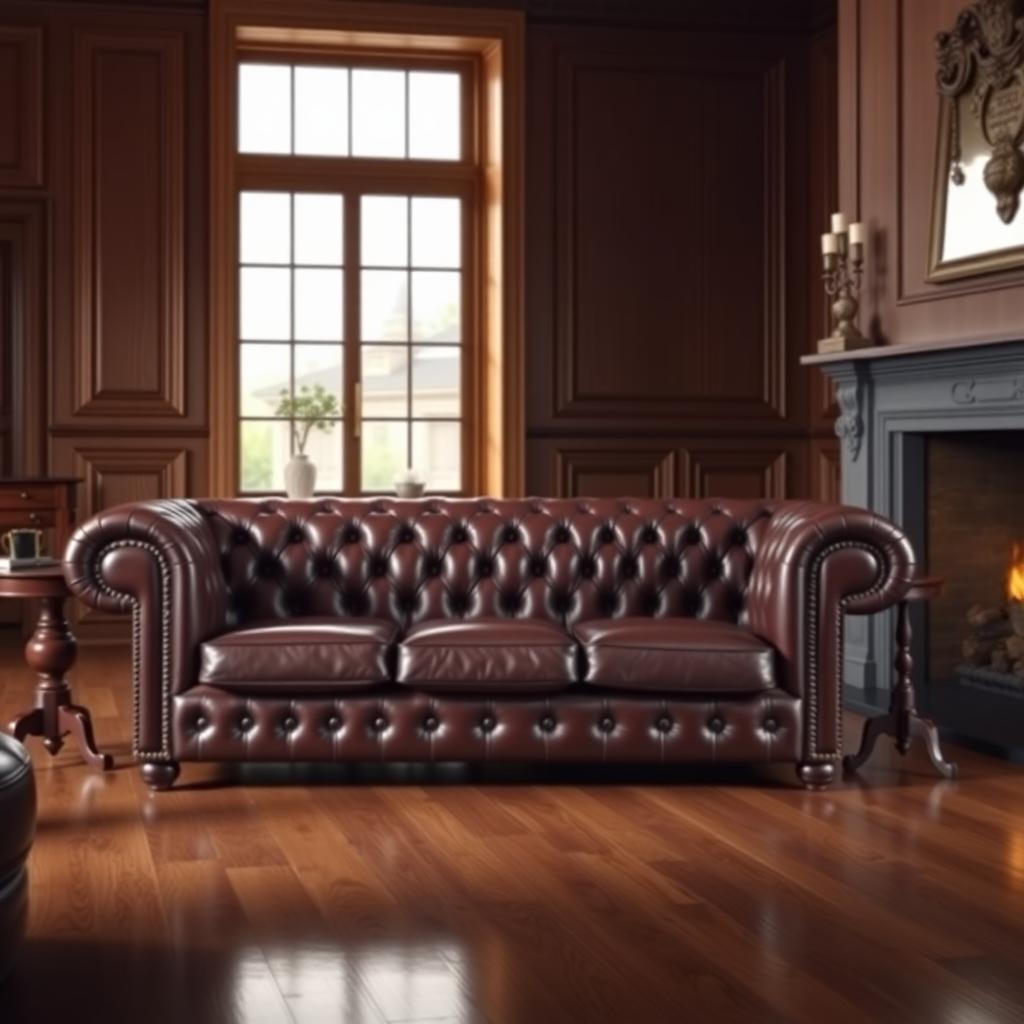
The 19th century changed everything. The Industrial Revolution brought mechanized tanning and sewing, making leather furniture more affordable. Factories could now produce chairs, sofas, and ottomans at scale, bringing leather into middle-class homes. The iconic Chesterfield sofa, with its tufted leather and rolled arms, emerged during this era. Its timeless design still influences modern luxury recliner furniture collections today.
This period also saw the rise of recliners. Early recliners, like those patented in the 1850s, were clunky but innovative, offering adjustable backs for comfort. Leather was the go-to material because it could withstand the wear of moving parts. These designs paved the way for the sleek, ergonomic recliners we see now.
The 20th Century: Leather Goes Mainstream
By the 20th century, leather furniture was everywhere. Mid-century modern designers like Eames and Le Corbusier embraced leather for its clean lines and versatility. The Eames Lounge Chair, introduced in 1956, paired leather with molded plywood, becoming an icon of modern design. Its success showed how leather could bridge luxury and functionality.
Leather also became a staple in offices and public spaces. Think of the classic leather desk chair—durable, professional, and just a little indulgent. As synthetic materials emerged, leather maintained its edge because of its natural beauty and ability to age with character. Scratches and patina only added to its charm.
Best Leather Furniture Brands to Watch in 2023
Today, leather furniture is a blend of tradition and innovation. Several brands stand out for their quality and design. Here’s a quick look at some of the Best Leather Furniture Brands to Watch in 2023:
- Poltrona Frau: An Italian brand known for its handcrafted leather sofas and chairs, blending classic techniques with modern aesthetics.
- Natuzzi: Another Italian name, Natuzzi offers luxury recliner furniture collections that prioritize comfort and sustainability.
- Herman Miller: Famous for the Eames Lounge, they continue to innovate with ergonomic, leather-upholstered designs.
- West Elm: A more accessible option, West Elm combines trendy designs with quality leather at reasonable prices.
These brands are pushing boundaries, incorporating eco-friendly tanning processes and modular designs that fit modern lifestyles. Whether you’re after a statement recliner or a full sectional, they’ve got something for every taste.
Easy Ways to Care for Leather Furniture
Leather furniture is an investment, but it’s low-maintenance if you know what to do. Here are Easy Ways to Care for Leather Furniture to keep it looking great:
- Dust Weekly: Use a soft, dry cloth to remove dust. A microfiber cloth works best.
- Condition Quarterly: Apply a leather conditioner every 3-4 months to prevent drying and cracking. Look for products recommended by the Leather Research Centre.
- Avoid Sunlight: Direct sunlight can fade leather. Position furniture away from windows or use curtains.
- Clean Spills Immediately: Blot spills with a damp cloth, then dry thoroughly. Avoid harsh chemicals.
- Vacuum Crevices: Use a vacuum with a brush attachment to clean seams and tufts.
I’ve owned a leather recliner for years, and these tips have kept it looking almost new. The key is consistency—spend a few minutes each week, and your furniture will last decades.
The Future of Leather Furniture
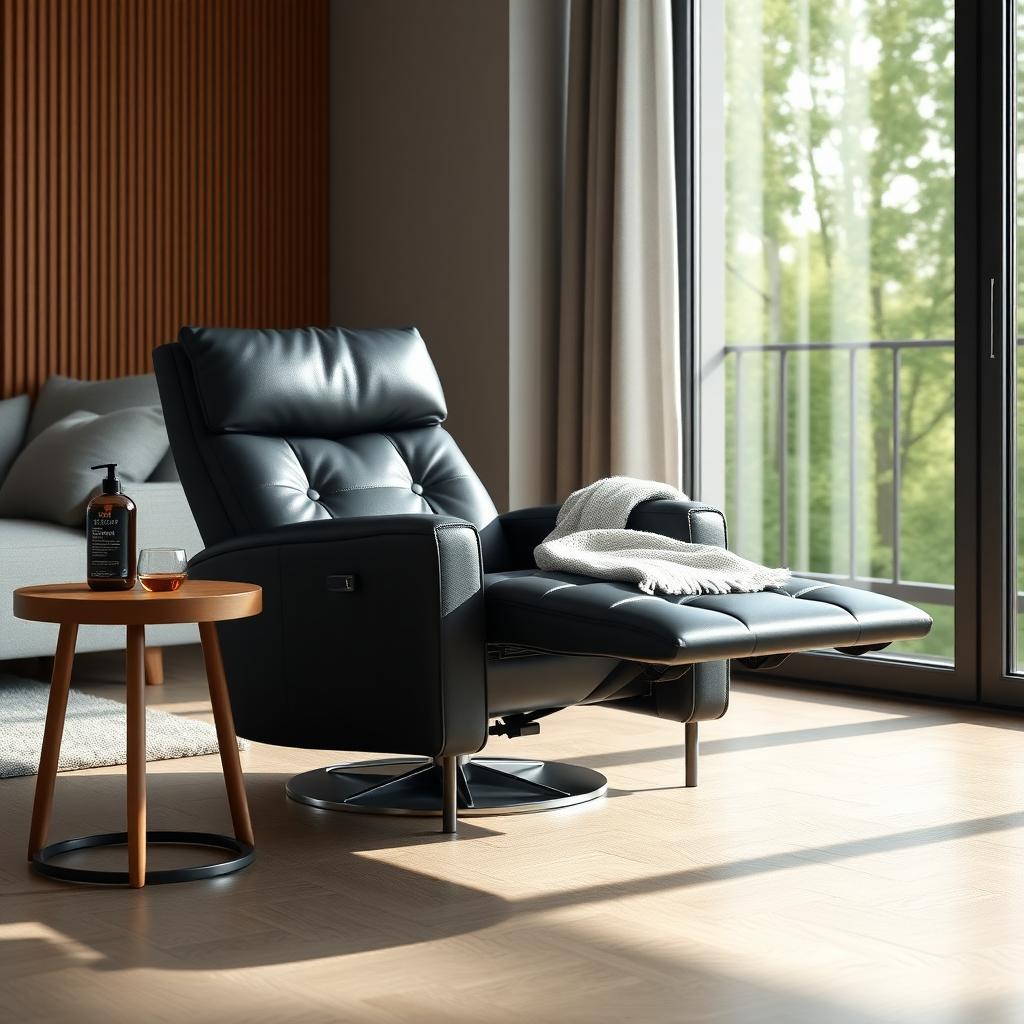
Leather furniture continues to evolve. Designers are experimenting with vegan leather alternatives and sustainable tanning methods, responding to environmental concerns. Luxury recliner furniture collections now include smart features like built-in USB ports and adjustable lumbar support. Yet, the core appeal remains: leather’s ability to combine comfort, durability, and timeless style.
From ancient Egypt to your living room, leather furniture has told a story of craftsmanship and adaptation. It’s more than just a sofa or recliner—it’s a piece of history that elevates any space. By choosing quality brands and caring for your pieces, you can enjoy leather’s legacy for years to come.
Wrapping Up
The History of Leather Furniture is a journey through time, from practical nomadic designs to today’s luxury recliners. Brands like Poltrona Frau and Natuzzi are keeping the craft alive, while simple care routines ensure your furniture stays beautiful. Want to dive deeper? Check out the recommended readings below for more insights.