




Featured Post
How to Choose the Right Bulbs for Your Home
Overview
Choosing the right light bulbs can transform your home, making it feel warm, welcoming, or even energizing. It’s not just about brightness; it’s about mood, efficiency, and style. This guide will help you navigate bulb types, understand lighting terms, and create a cozy atmosphere with lighting, all while keeping your budget in mind.
Why Lighting Matters
Lighting shapes how you experience your home. A harsh, cold bulb can make a room feel sterile, while a warm, soft glow invites relaxation. I’ve walked into homes where the lighting felt like a hug, and others where it was like a hospital waiting room. The difference? The right bulbs. How to Choose the Right Bulbs for Your Home starts with understanding your needs—function, mood, and energy savings.
Think about your daily routines. In the kitchen, you need bright, clear light for cooking. In the bedroom, softer lighting helps you unwind. Personalizing your home on a budget doesn’t mean sacrificing quality. With the right bulbs, you can create a space that feels uniquely yours without breaking the bank.
Understanding Bulb Types
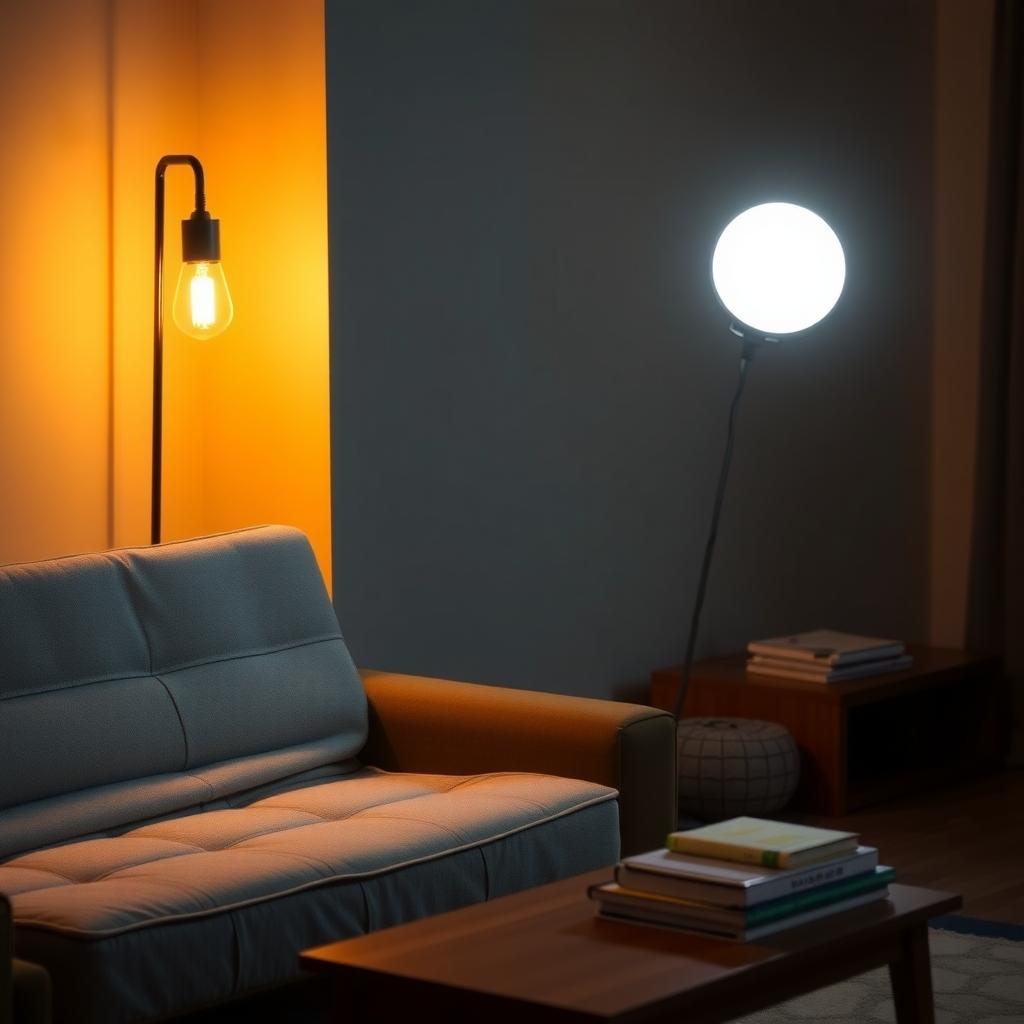
The first step in choosing bulbs is knowing your options. Here’s a quick rundown of the main types:
- LED Bulbs: Energy-efficient, long-lasting (up to 25,000 hours), and versatile. They’re my go-to for most rooms because they save money over time.
- Incandescent Bulbs: Affordable but less efficient, with a shorter lifespan (about 1,000 hours). They give a warm glow but aren’t eco-friendly.
- CFL Bulbs: Compact fluorescents are more efficient than incandescents but contain mercury, so handle with care. They take a moment to warm up.
- Halogen Bulbs: Brighter and slightly more efficient than incandescents, but they get hot and don’t last as long as LEDs.
For most homes, LEDs are the best choice. They come in various shapes, sizes, and color temperatures, making them perfect for personalizing your home on a budget.
Brightness and Lumens
Brightness isn’t about watts anymore. Watts measure energy use, but lumens measure actual light output. A 60-watt incandescent bulb equals about 800 lumens. Here’s a simple guide:
| Room Type | Recommended Lumens |
|---|---|
| Living Room | 1,000–2,000 |
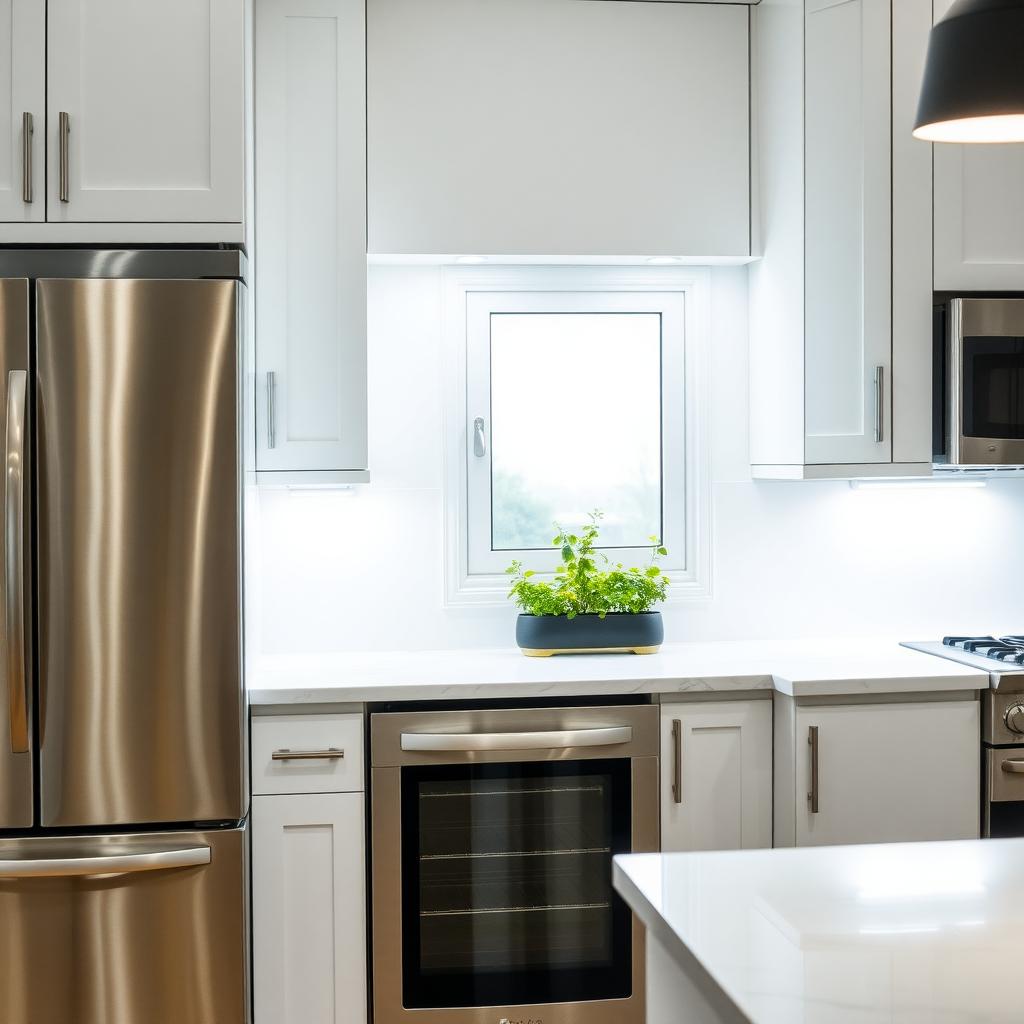
| Kitchen | 3,000–4,000 |
| Bedroom | 1,000–2,000 |
| Bathroom | 4,000–8,000 |
Too much light can feel harsh, while too little leaves a room dim. I once installed a 4,000-lumen bulb in my bedroom by mistake—it was like sleeping on a movie set! Check your fixtures for max lumen ratings to avoid overpowering a space.
Color Temperature: Setting the Mood
Color temperature, measured in Kelvins (K), determines whether light feels warm or cool. Lower Kelvins (2,700–3,000K) create a cozy atmosphere with lighting, perfect for living rooms or bedrooms. Higher Kelvins (3,500–5,000K) mimic daylight, ideal for kitchens or offices.
For example, I swapped out 5,000K bulbs in my living room for 2,700K LEDs, and it instantly felt more inviting. If you’re aiming for a cozy vibe, stick to warm white (2,700–3,000K). For task-oriented spaces, go for neutral or cool white (3,500–4,100K).
Dimmable Bulbs for Flexibility
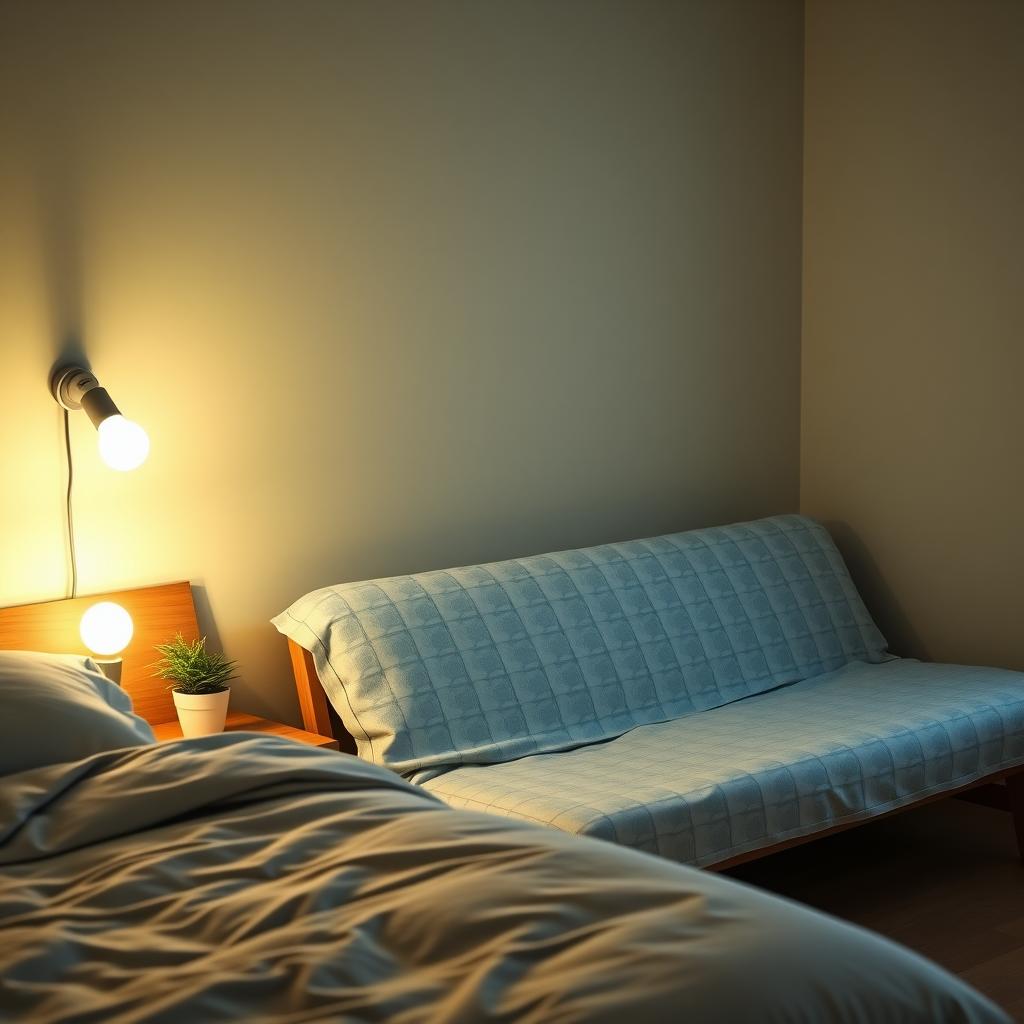
Dimmable bulbs let you adjust lighting to suit the moment. Hosting a dinner party? Dim the lights for ambiance. Reading on your futon? Brighten them up. Not all bulbs are dimmable, so check the packaging. Also, ensure your dimmer switch is compatible with LEDs—older switches can cause flickering.
I love dimmable LEDs in my dining room. They let me shift from bright family meals to intimate gatherings with ease. Pairing dimmable lights with customizable futon covers for unique styles can elevate your space without major renovations.
Smart Bulbs: Tech Meets Style
Smart bulbs, like those from Philips Hue or LIFX, offer endless possibilities. Control them via an app, voice assistant, or even set schedules. Want your lights to mimic sunrise? Smart bulbs can do that. They’re pricier but worth it for tech-savvy homeowners.
I set my smart bulbs to gradually brighten my bedroom each morning. It’s a gentle wake-up call that feels luxurious. Plus, you can change colors to match your mood or decor, like a bold red to complement a new futon cover.
Energy Efficiency and Cost Savings
LEDs are the gold standard for energy efficiency. They use 75–80% less energy than incandescents and last 10–25 times longer. According to the U.S. Department of Energy, switching to LEDs can save you $50–$100 per year on energy bills, depending on usage.
When I switched my entire home to LEDs, my electric bill dropped noticeably. It’s a small change that adds up, especially if you’re personalizing your home on a budget.
Matching Bulbs to Fixtures
Not all bulbs fit every fixture. Check the base type (E26, E12, GU10, etc.) and size. A chandelier might need candelabra bulbs, while a recessed light requires PAR or BR bulbs. I learned this the hard way when I bought a bulb too big for my lamp—it looked ridiculous!
Also, consider the fixture’s aesthetic. Exposed bulbs in open fixtures look best with vintage-style LEDs that mimic old-school filaments. They add charm without sacrificing efficiency.
Creating a Cozy Atmosphere with Lighting
To create a cozy atmosphere with lighting, layer your lights. Combine ambient (general), task (focused), and accent (decorative) lighting. For example:
- Ambient: A ceiling fixture for overall light.
- Task: A desk lamp for reading or working.
- Accent: String lights or a spotlight on artwork.
In my living room, I use a floor lamp for ambient light, a table lamp for reading, and string lights for a touch of magic. Pair this with a futon dressed in customizable futon covers for unique styles, and you’ve got a space that feels both personal and inviting.
Budget-Friendly Tips
You don’t need to overhaul your lighting to make an impact. Start small:
- Replace bulbs in high-use areas first, like the living room or kitchen.
- Buy LEDs in multipacks to save money.
- Look for rebates from your utility company—many offer discounts on energy-efficient bulbs.
I found a pack of four LED bulbs for $10 at a local store. It was a small investment that made my home feel warmer and saved me money long-term.
Common Mistakes to Avoid
- Ignoring Color Temperature: A cool white bulb in a bedroom can feel jarring.
- Overlooking Dimming Needs: Non-dimmable bulbs limit flexibility.
- Buying Cheap Bulbs: Low-quality LEDs flicker or burn out quickly.
I once cheaped out on bulbs, and the flickering drove me nuts. Spend a little more for reliable brands like GE or Cree.
Summary
Choosing the right bulbs for your home is about balancing function, mood, and efficiency. LEDs offer the best value, with options for brightness, color, and smart features. By understanding lumens, color temperature, and fixture compatibility, you can create a cozy atmosphere with lighting that feels personal and budget-friendly. Experiment with dimmable bulbs and layered lighting to make your space truly yours.