








Featured Post
Futon Furniture Maintenance Tips: Keep Your Futon Looking Great for Years
Overview
Futons are versatile, stylish, and space-saving pieces of furniture that can transform any room. However, keeping them in top shape requires regular care. These futon furniture maintenance tips will help you protect your investment, ensuring your futon stays comfortable and attractive for years.
Why Futon Maintenance Matters
Futons are unique because they serve dual purposes: a cozy sofa by day and a comfy bed by night. I’ve owned a futon for years, and I’ve learned that neglecting small maintenance tasks can lead to stains, sagging, or even a shorter lifespan. Regular care not only keeps your futon looking fresh but also saves you from costly replacements. Let’s dive into practical ways to maintain your futon.
Cleaning Your Futon Mattress
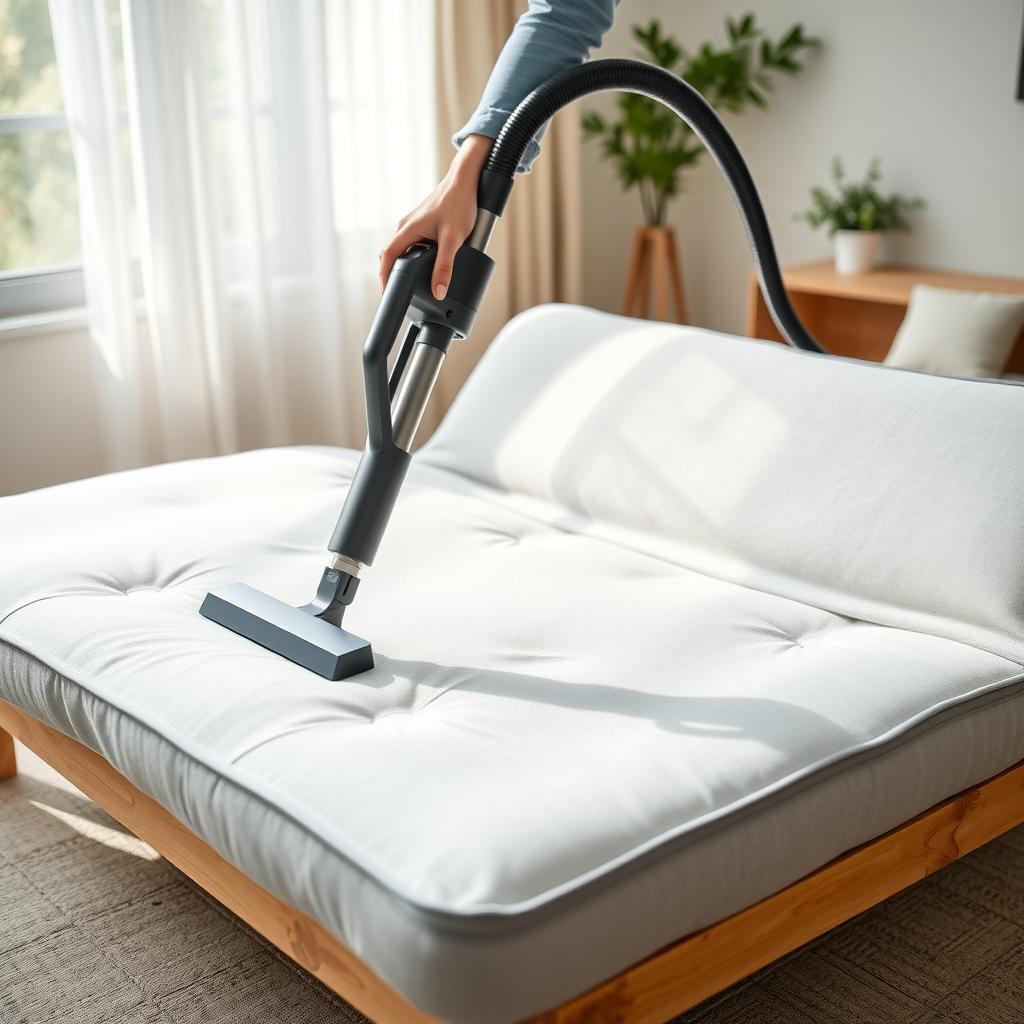
Cleaning is the cornerstone of futon furniture maintenance. Dust, pet hair, and spills can build up over time, so a consistent cleaning routine is essential. Here’s how I keep my futon mattress spotless:
- Vacuum Regularly: Use a handheld vacuum or upholstery attachment to remove dust and debris weekly. Pay attention to seams and crevices where dirt hides.
- Spot Clean Spills Immediately: Blot (don’t rub!) spills with a clean cloth and mild soap solution. I once spilled coffee on my futon and caught it early—blotting with a mix of water and dish soap worked wonders.
- Deep Clean Annually: For cotton or foam mattresses, use a fabric cleaner suited for upholstery. Always check the manufacturer’s care label first.
Protecting Your Futon’s Fabric
The fabric on your futon takes a lot of wear, especially if you use it daily. Protecting it can prevent damage and keep it looking new. Here are some tips:
| Protection Method | Benefit |
|---|---|
| Use a Mattress Cover | Shields against spills and stains |
| Apply Fabric Protector Spray | Repels liquids and dirt |
| Rotate the Mattress | Prevents uneven wear |
I started using a washable mattress cover after a close call with a glass of red wine. It’s a game-changer—easy to clean and adds an extra layer of protection. Rotate your mattress every few months to distribute weight evenly, especially if it’s used as a bed.
Maintaining the Futon Frame
The frame is just as important as the mattress in futon furniture maintenance. Whether your frame is wood, metal, or a combination, it needs attention to stay sturdy and attractive.
- Wood Frames: Dust weekly with a soft cloth and use a wood polish every few months to maintain shine. I’ve found that a damp cloth followed by a quick polish keeps my oak frame looking brand new.
- Metal Frames: Wipe down with a damp cloth to prevent rust. Check screws and joints monthly to ensure they’re tight.
- Lubricate Moving Parts: If your futon converts between sofa and bed, apply a silicone-based lubricant to hinges every six months to prevent squeaking.

Storing Your Futon Properly
If you need to store your futon—say, during a move or seasonal use—proper storage prevents damage. Here’s what works:
- Clean Before Storing: Vacuum and spot clean the mattress to avoid trapping dirt or mold.
- Use a Breathable Cover: Avoid plastic bags; they trap moisture. I use a cotton storage bag for my futon mattress.
- Store Flat: Lay the mattress flat to prevent warping. For the frame, disassemble if possible to save space.
- Choose a Dry Location: A cool, dry place prevents mildew. My friend learned this the hard way when her futon got musty in a damp basement.
Preventing and Fixing Wear and Tear
Even with great care, futons can show signs of wear. Here’s how to address common issues:
- Sagging Mattress: Flip and rotate the mattress regularly. If sagging persists, consider a mattress topper for extra support.
- Torn Fabric: Patch small tears with an upholstery repair kit. For larger damage, a professional reupholsterer might be worth the cost.
- Loose Frame: Tighten screws and bolts. If the frame wobbles, check for bent parts and replace them.
I once fixed a small tear in my futon’s cover with a needle and thread—it wasn’t perfect, but it stopped the damage from spreading.
Seasonal Care Tips
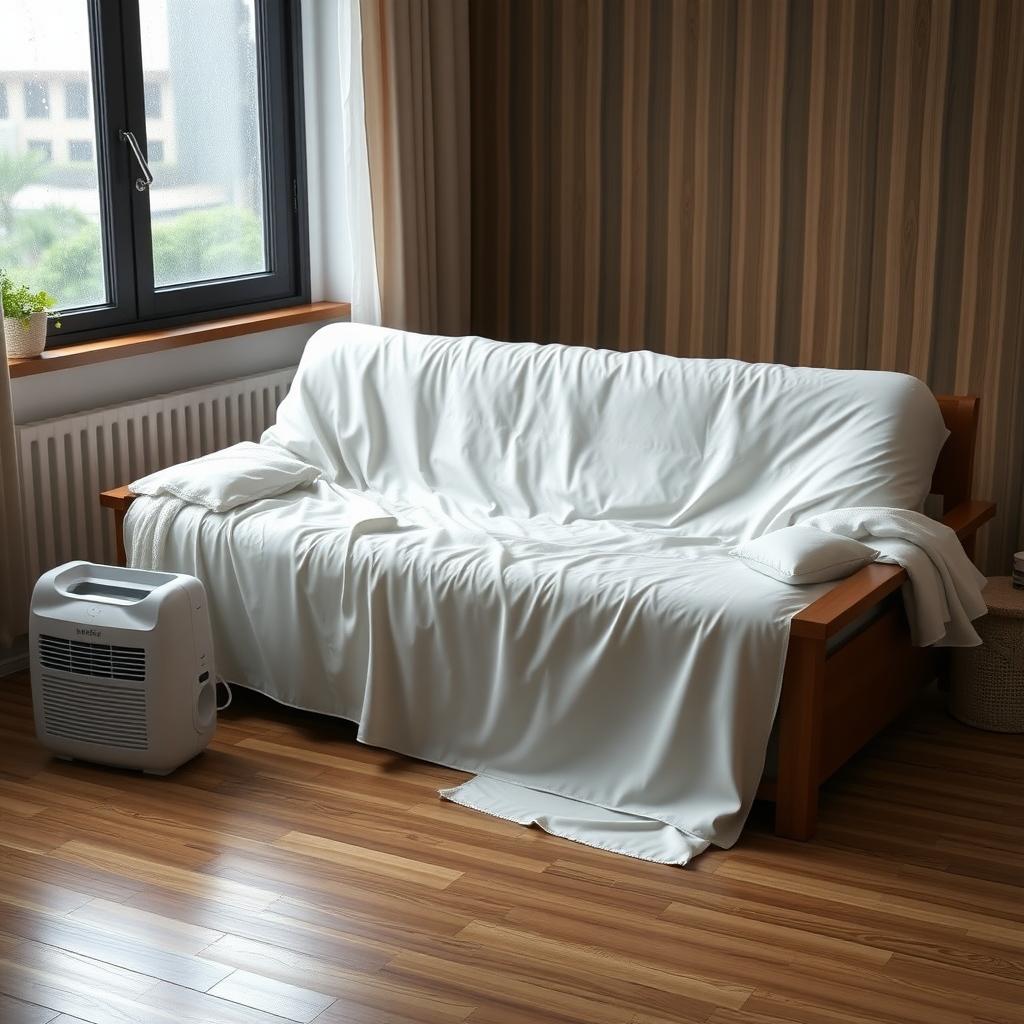
Different seasons can affect your futon. In humid summers, I place a dehumidifier near my futon to prevent moisture buildup. In winter, I keep it away from heaters to avoid drying out the fabric or wood. If you live in a climate with extreme weather, consider a futon with synthetic fibers, which are more resistant to humidity.
When to Replace Your Futon
No matter how well you maintain your futon, it won’t last forever. Most futon mattresses last 5-10 years, depending on quality and use. Signs it’s time to replace include:
- Persistent sagging despite rotation
- Lumps or uneven surfaces
- Stains or odors that won’t come out
When I replaced my old futon, I noticed a huge difference in comfort. If your futon no longer supports you well, it’s time to shop for a new one.
Expert Tip: Check Manufacturer Guidelines
Always check the care instructions that come with your futon. Some materials, like memory foam or certain fabrics, have specific cleaning requirements. For example, my futon’s label warned against using harsh chemicals, which saved me from a costly mistake. If you’ve lost the manual, check the manufacturer’s website for guidance.
Summary
Futon furniture maintenance tips can make a big difference in keeping your furniture functional and stylish. Regular cleaning, proper storage, and timely repairs will extend your futon’s life. With a little effort, your futon can remain a cozy, versatile part of your home for years. For more furniture care ideas, check out the recommended readings below.