







Featured Post
How to Organize Your Workshop for Efficiency
Assess Your Space and Needs
Before you start organizing, take a step back and look at your workshop. What do you use it for? What tools do you have? What projects do you work on? Understanding your needs will help you create a space that works for you.
I remember when I first started woodworking. My workshop was a mess—tools everywhere, no clear workspace. It was frustrating. But once I took the time to organize, everything changed. I could find what I needed quickly, and my projects flowed better.
Plan Your Layout for Efficiency
Think about the flow of your work. Where do you start a project? Where do you finish it? Arrange your tools and workstations in a way that minimizes movement. For example, keep your saw near the lumber storage and your finishing tools near the exit.
Storage Solutions for an Organized Workshop
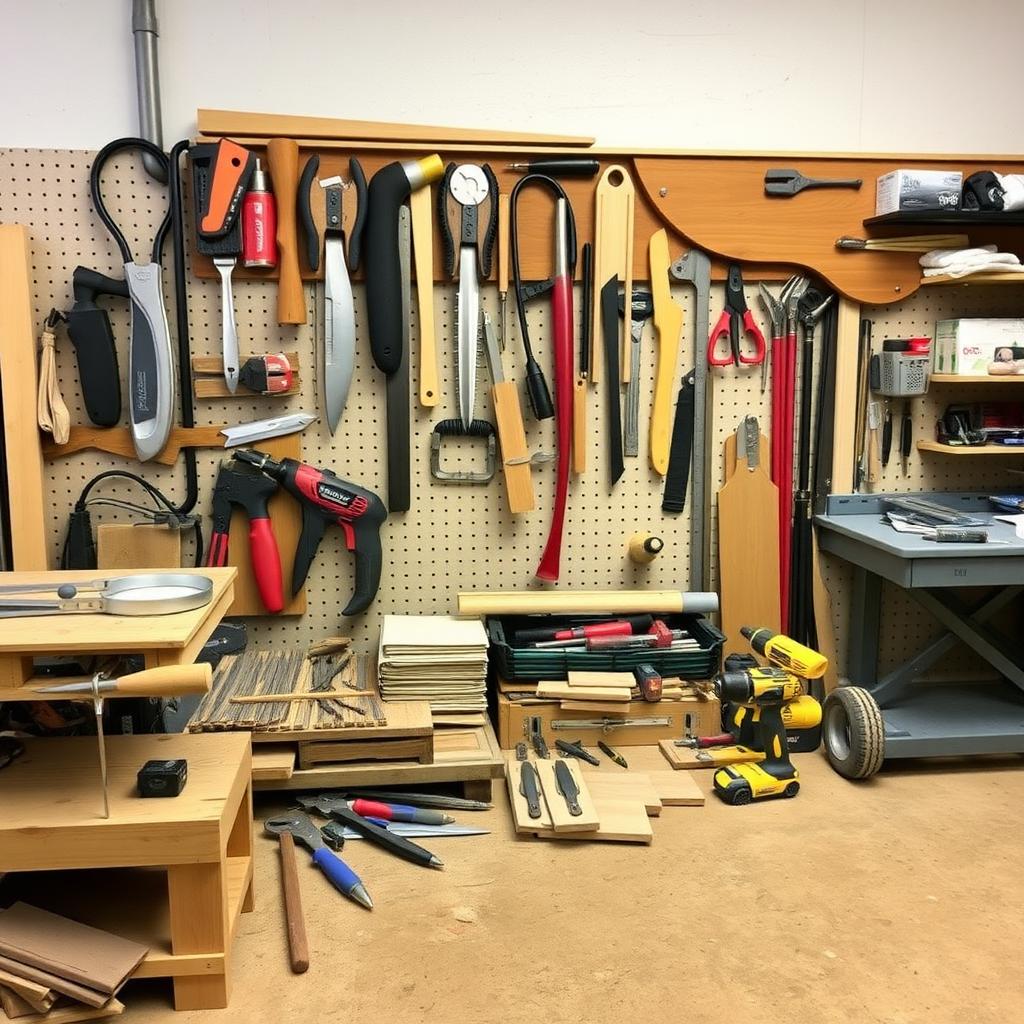
Storage is key to an organized workshop. Use shelves, cabinets, and pegboards to keep tools off the floor and within reach. Label everything so you can find what you need quickly.
| Tool Type | Storage Solution |
|---|---|
| Hand tools | Pegboard with hooks |
| Power tools | Shelves with labeled bins |
| Hardware | Drawers with dividers |
| Lumber | Vertical racks |
Keep Your Workspace Clear
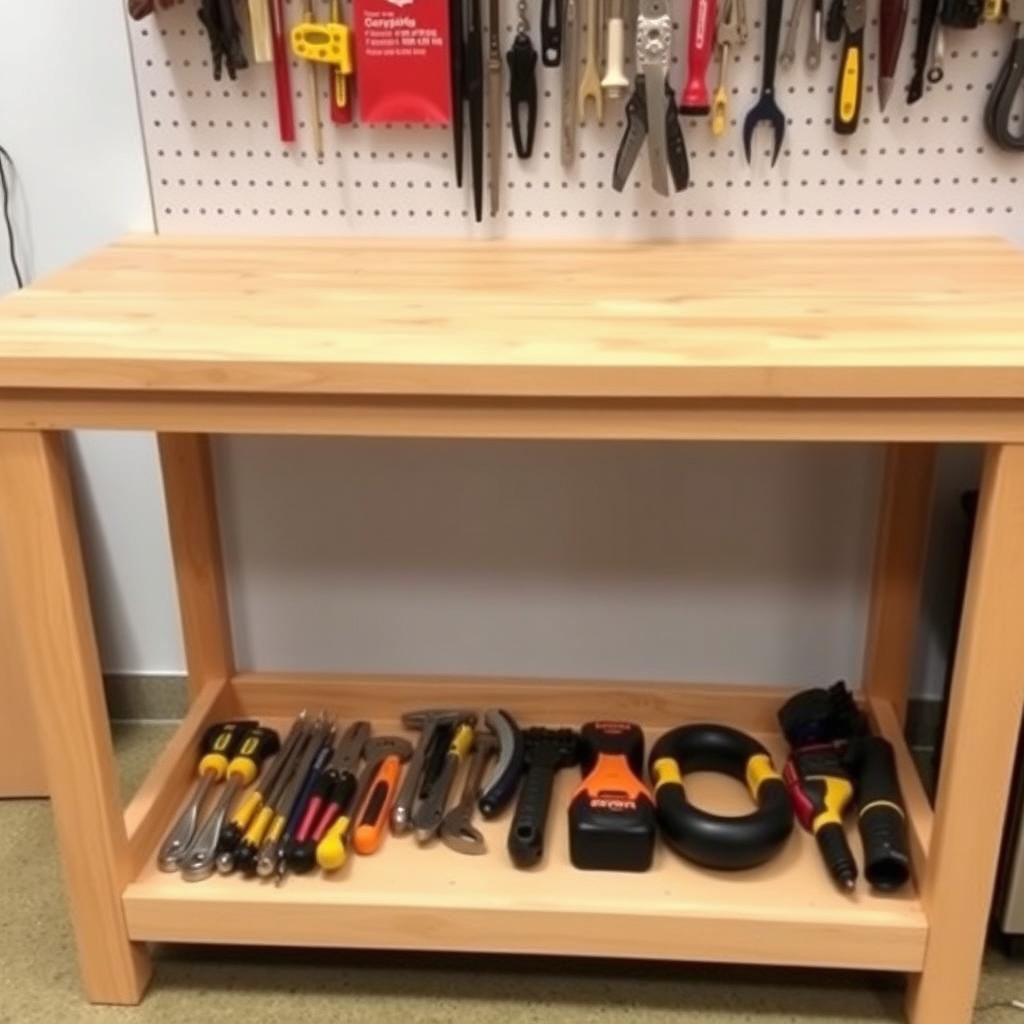
Keep your workspace clear. Have a designated area for each task—cutting, assembly, finishing. Use workbenches with built-in storage to keep tools handy but out of the way.
Maintain Your Tools for Longevity
Maintaining your tools is crucial for longevity. Regularly clean and sharpen blades, oil moving parts, and store tools properly to prevent rust and damage.
For more tips on tool maintenance, check out our guide on How to Maintain Your Tools for Longevity.
Choose the Right Tools for Your DIY Projects
Selecting the right tools for your projects can make a big difference. Consider the tasks you'll be performing and choose tools that are versatile and durable.
Essential Tools for DIY Projects: - Hammer - Screwdrivers (flat and Phillips) - Tape measure - Level - Utility knife - Pliers - Wrenches - Drill with bits - Saw (hand or power)