




Featured Post
Sideboard Organization Tips and Tricks: Maximize Your Furniture Space
Overview
Keeping your sideboard organized can make daily life smoother and your home more inviting. This article shares sideboard organization tips and tricks to help you maximize this versatile piece of furniture, turning chaos into order with simple steps.
Sideboards are more than just furniture; they're essential for storing dining essentials and displaying decor. But without proper organization, they can quickly become cluttered catch-alls. In this guide, I'll share sideboard organization tips and tricks drawn from real experiences to help you create a functional space.
Start by assessing what you store in your sideboard. Do you use it for plates, linens, or miscellaneous items? Understanding its purpose sets the foundation for effective organization.
Declutter First: The Key to Success
Before diving into sideboard organization tips and tricks, declutter. Pull everything out and sort items into keep, donate, or discard piles. In my experience, this step alone reduces clutter by 30-50%. Keep only what you use regularly.
Ask yourself: When did I last use this? If it's been over a year, it might not belong there. This approach frees up space and makes organizing easier.
Research shows that clutter can increase stress levels. For more on this, check out the psychology of clutter from Rocky Mountain College of Art + Design, which explains how organized spaces promote mental well-being.
Categorize and Group Items
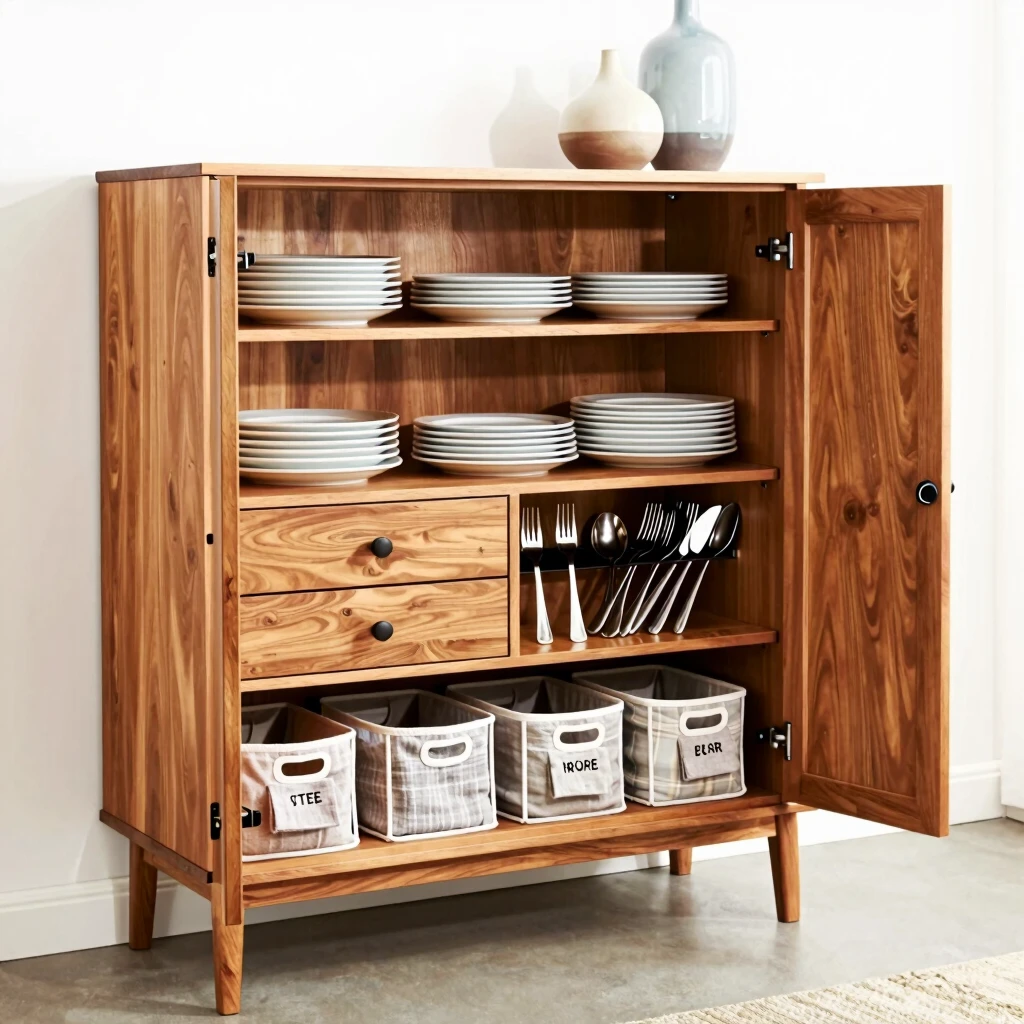
Group similar items together. For example, place all serving ware in one section, linens in another. Use dividers or bins to keep categories separate. This simple trick prevents mixing and makes finding things quick.
Here's a quick list of common categories for sideboards: - Dinnerware (plates, bowls) - Glassware - Cutlery and utensils - Table linens (napkins, tablecloths) - Decorative items - Miscellaneous (candles, coasters)
Use Storage Accessories Wisely
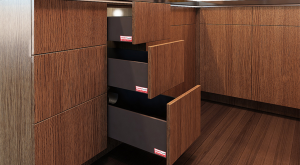
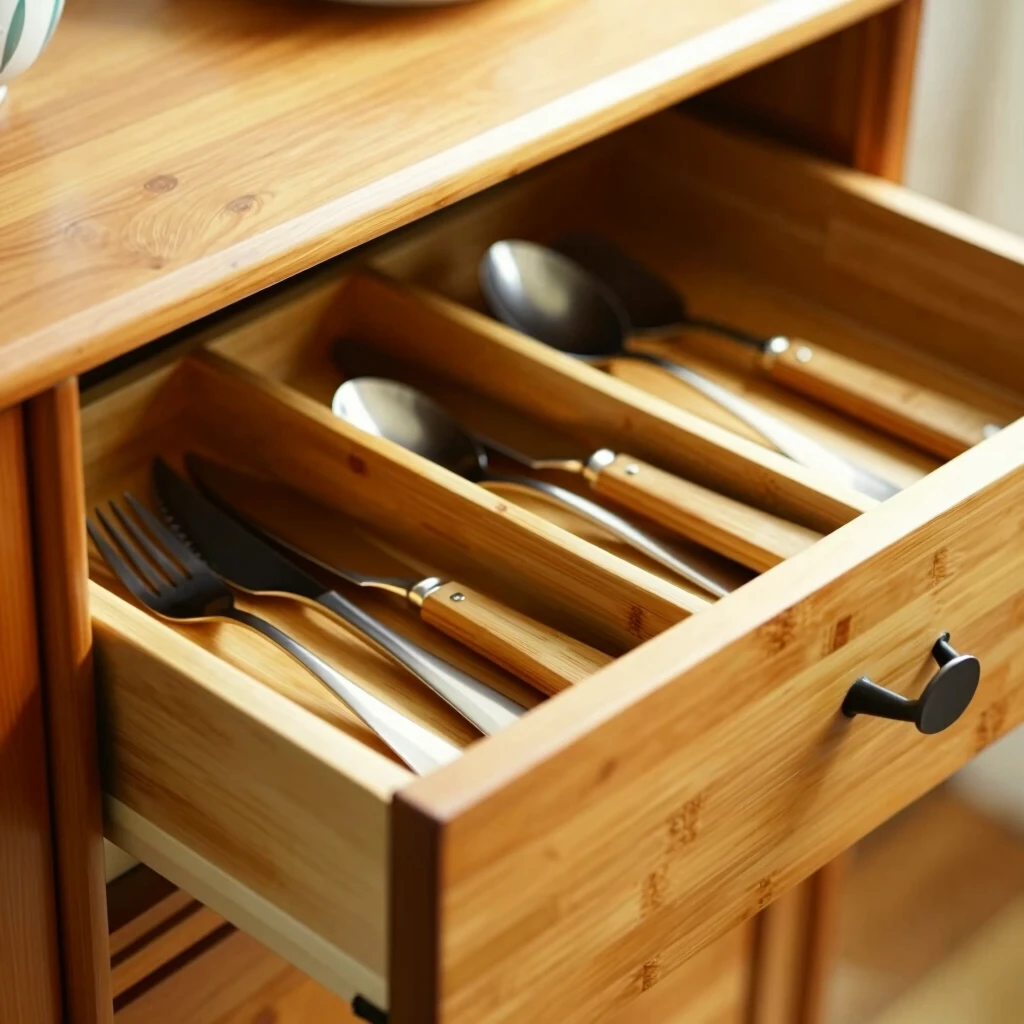
Invest in accessories like drawer dividers, shelf risers, and bins. These tools maximize vertical space and keep items visible. For instance, stackable bins work great for smaller items.
In one home I helped organize, adding adjustable dividers turned a messy drawer into a neat cutlery station. Choose clear containers so you see contents at a glance.
For tips on reducing overall home clutter, the Utah State University Extension guide offers practical advice on maintaining tidy furniture spaces.
Maximize Vertical Space
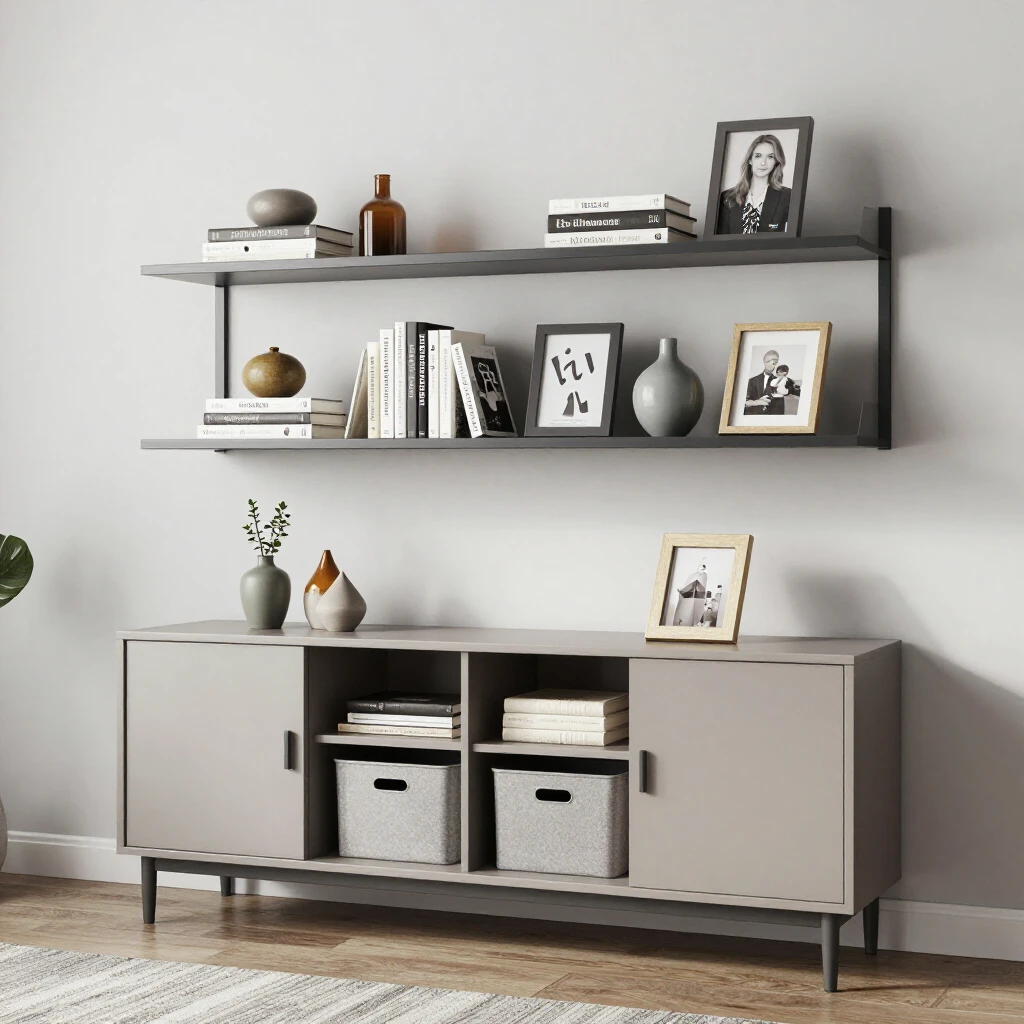
Don't overlook height. Install extra shelves if possible, or use risers to create levels. This doubles storage without expanding the footprint.
Place frequently used items at eye level for easy access. Store less-used pieces higher up or in back. This ergonomic approach, inspired by design principles, reduces strain and improves flow.
The University of Arizona's design tips highlight using vertical storage for efficiency, which applies perfectly to sideboards.
Label Everything
Labels are a game-changer in sideboard organization tips and tricks. Use a label maker or simple tags to mark bins and drawers. This helps everyone in the household maintain order.
From personal insight, labeling cut my search time for items in half. It's especially useful if multiple people use the sideboard.
Incorporate Multi-Functional Items
Choose storage solutions that serve dual purposes. For example, a tray can hold items inside while doubling as a serving piece. This keeps your furniture versatile.
Consider furniture with built-in features, but if yours doesn't, add-ons like under-shelf baskets work wonders.
Maintain with Regular Check-Ups
Organization isn't a one-time task. Schedule monthly reviews to tidy up and reassess. Remove items that no longer fit and adjust as needs change.
In busy homes, this habit prevents buildup. It's like routine maintenance for your car—keeps everything running smoothly.
Advanced Tricks for Small Spaces
If space is tight, try these tricks: 1. Use door-mounted organizers for slim items. 2. Opt for foldable bins that collapse when empty. 3. Hang items inside doors if possible.
These save inches and make your sideboard more efficient.
For broader organization strategies, the University of Texas at Dallas decluttering tips provide valuable insights into starting small.
| Tip | Benefit | Example |
|---|---|---|
| Declutter first | Reduces items | Sort into piles |
| Categorize | Easy access | Group linens together |
| Use dividers | Prevents mixing | Drawer organizers for cutlery |
| Label | Quick identification | Tags on bins |
| Vertical storage | Maximizes space | Shelf risers |
Personal Story: Transforming My Sideboard
Years ago, my sideboard was a mess of tangled linens and forgotten dishes. Applying these tips, I decluttered, categorized, and added dividers. Now, it's a joy to open—everything has a place. This change not only tidied the space but also reduced mealtime stress.
Summary
Mastering sideboard organization tips and tricks transforms your furniture from cluttered to capable. Start with decluttering, categorize wisely, and maintain regularly for lasting results. Your home will feel more organized and welcoming.