






Featured Post
The Benefits of Standing Desks: Are They Worth It?
Introduction
Many people spend hours each day at their desks. Sitting too much can harm your health. Standing desks offer a way to change that. They let you stand while you work. But are the benefits real? Let's look at what research says and share some personal thoughts.
I remember when I first tried a standing desk. I felt more alert right away. No more afternoon slumps. But it took time to get used to it. This article will help you decide if one is right for you.
Health Benefits of Standing Desks
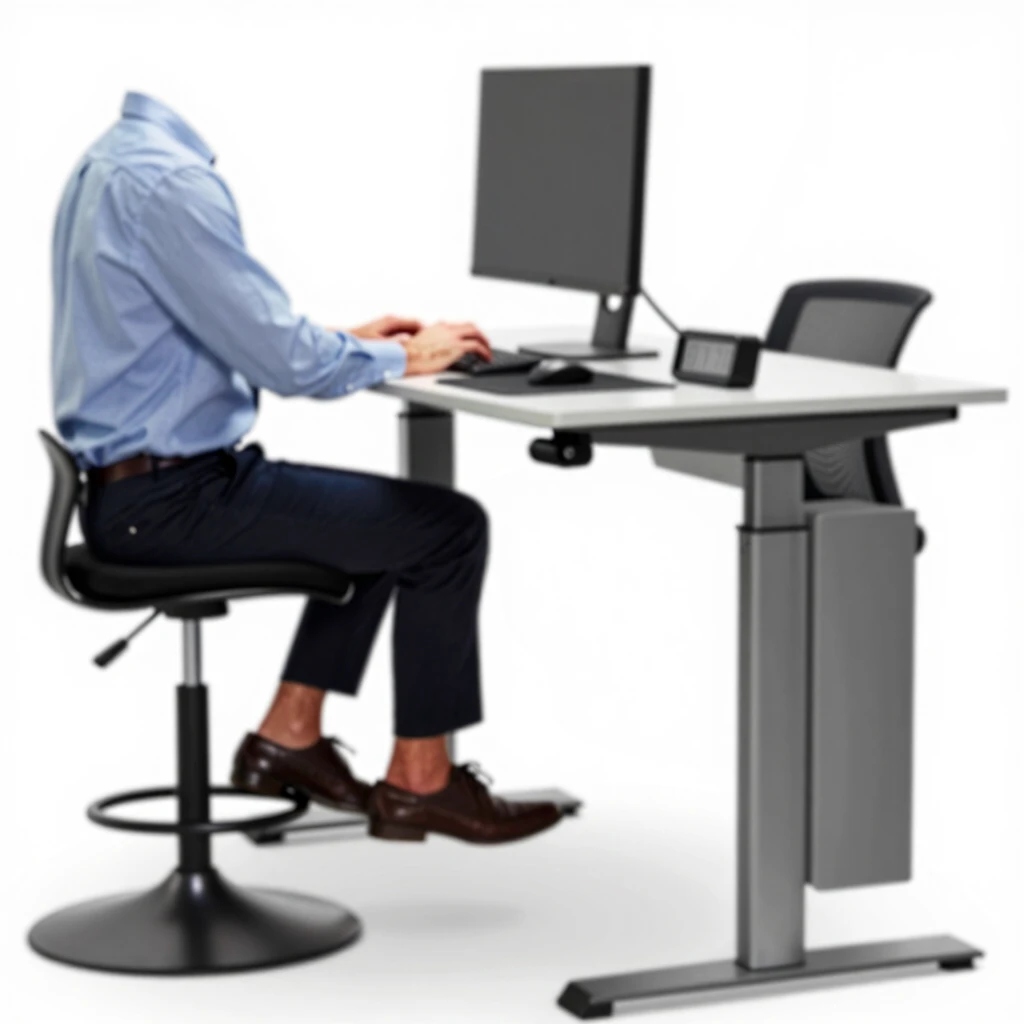
Standing desks can improve your health in several ways. First, they reduce back pain. Sitting all day puts strain on your spine. Standing helps keep your posture better.
A study from Texas A&M University found that workers using stand-biased desks reported less lower back discomfort. They went from 80% discomfort to about 52%. That's a big drop.
Standing also burns more calories. You use about 20% more energy standing than sitting. Over time, this adds up. It might help with weight control. But don't expect big weight loss. Harvard Health notes that standing only burns a few extra calories per hour, like eating one carrot.
Another plus is better blood sugar control. Standing after meals helps levels return to normal faster. This could lower diabetes risk. Plus, it fights heart disease by reducing sitting time.
In my view, these changes make a difference. I notice less stiffness after long work sessions.
Standing desks may ease neck and shoulder pain too. A Japanese study on sit-stand desks showed reduced pain in these areas after three months. Participants felt healthier overall.
Productivity and Focus Gains
Do standing desks make you work better? Some research says yes. The same Texas A&M study showed higher word counts in typing tasks with standing desks. People stood more and sat less.
Standing keeps you alert. Blood flows better, so you feel more energetic. The NIH study found improved work engagement and self-rated performance. Vitality scores rose a lot.
From my experience, standing helps me think clearer. I pace a bit, which sparks ideas. But it's not for everyone. Some tasks, like detailed work, might suit sitting better.
Potential Drawbacks
Standing desks aren't perfect. Standing too long can hurt your feet, legs, or back. UC Davis warns it increases pressure on knees and hips. It takes more energy, straining your heart.
Many people stop using them after a while. Studies show use drops after a month. They can be pricey too.
Wrist posture might suffer if the desk isn't set right. This could lead to issues like carpal tunnel. Privacy drops when you're taller than seated coworkers.
I learned this the hard way. My feet ached at first. I had to build up slowly.
Are Standing Desks Worth It?
It depends on you. If you sit a lot and want better health, yes. They fit well in office furniture with adjustable features. Think about your setup. For home workers, they're great instead of working from bed, which wrecks posture.
Weigh the costs. A good one costs $200 to $800. But health gains might save money long-term. Start with a converter if unsure.
Research mixed on some benefits, like blood pressure. One study found no change. But overall, pros outweigh cons for many.
How to Choose and Use a Standing Desk
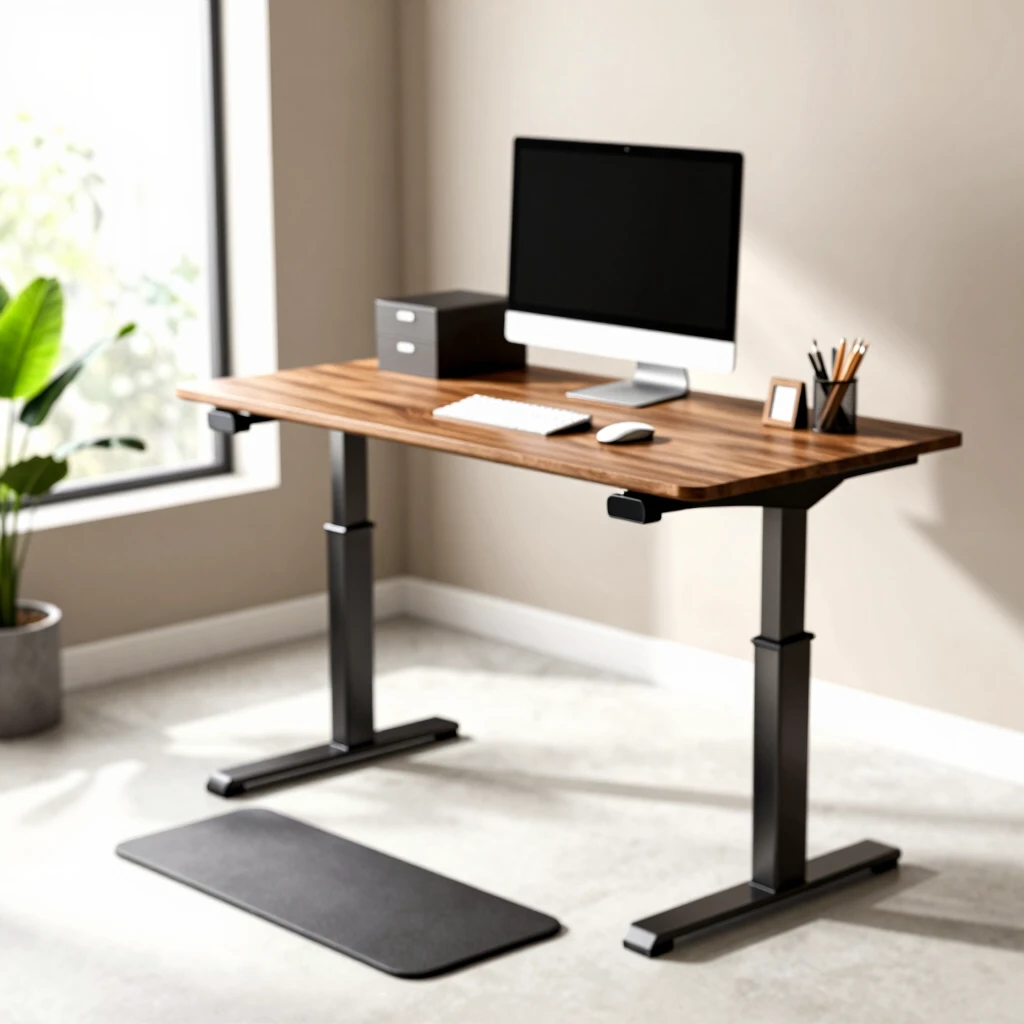
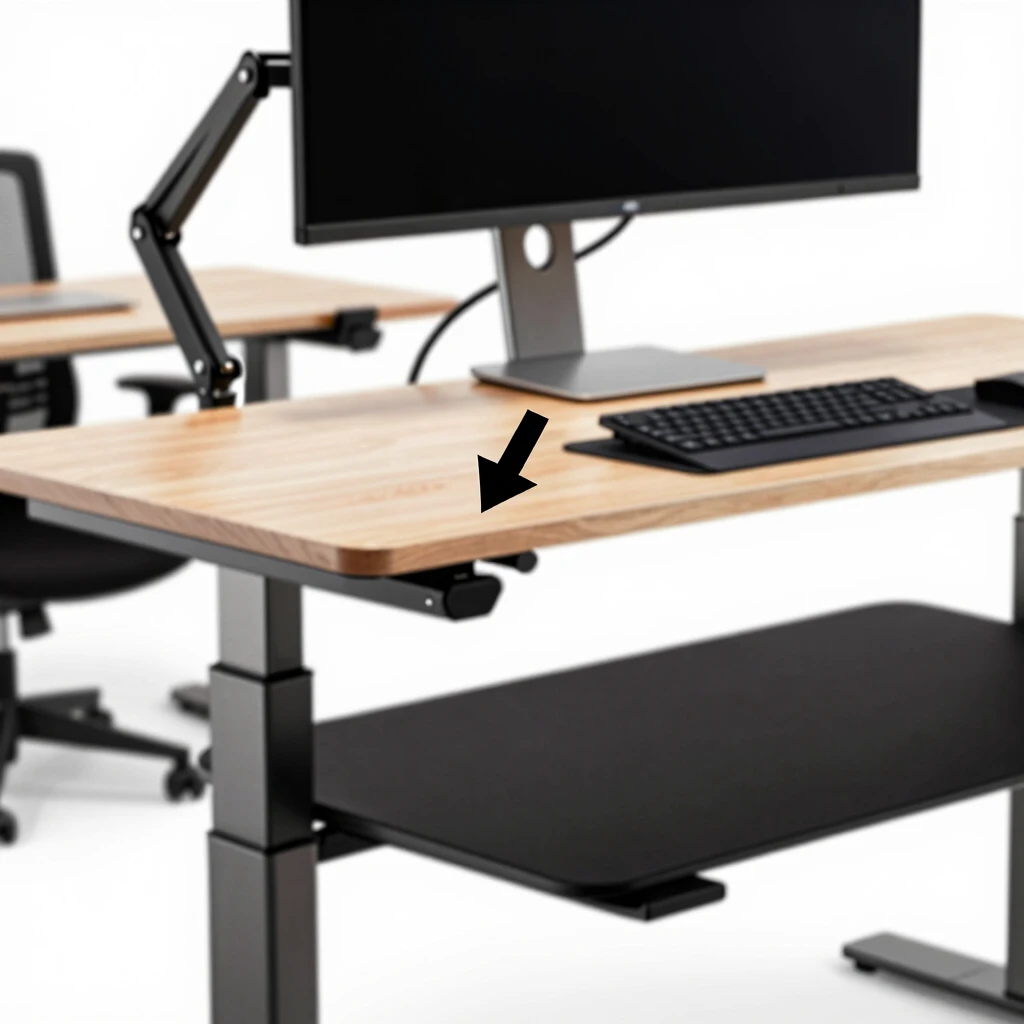
Pick one that adjusts easily. Look for stable models with good weight capacity. Electric ones are convenient.
Set it up right. Monitor at eye level, arms at 90 degrees. Use a mat to cushion feet. Alternate positions every 20-40 minutes.
UC Davis suggests wearing supportive shoes and using a timer. Build up standing time gradually.
Combine with movement. Walk during breaks. This boosts benefits.
In my routine, I stand mornings when focused, sit afternoons for calls.
Tips for Success
- Start slow: 30 minutes standing, increase weekly.
- Get accessories: Mat, footrest, stool.
- Monitor body: Adjust if pain starts.
- Pair with exercise: Don't rely only on the desk.
| Feature | Benefit |
|---|---|
| Adjustable height | Fits any user |
| Stability | No wobble at standing height |
| Surface size | Room for multiple monitors |
| Cable management | Keeps workspace tidy |
Conclusion
Standing desks offer real benefits like less pain, more energy, and better work output. They're not a cure-all, but worth it for many. Listen to your body and set up properly. You might find yourself more productive and healthier.