



Featured Post
The Psychology Behind Clutter and How to Overcome It
Clutter affects far more than the appearance of our homes. It influences our stress levels, focus, and emotional well-being every single day. This comprehensive guide dives into the psychology behind clutter and how to overcome it, offering practical strategies, personal insights, and actionable steps to help you create a calmer, more organized life.

Most of us have felt the weight of too much stuff. You walk into a room and immediately feel overwhelmed. Drawers won't close properly. Cabinet doors bulge at the seams. The chaos seems to grow overnight. But clutter is rarely just about being lazy or messy. It often stems from deeper psychological patterns that deserve understanding and compassion.
The psychology behind clutter and how to overcome it begins with recognizing that our possessions often represent something more. They can symbolize security, identity, or memories. When we fear letting go, we hold on tightly even when the items no longer serve us. This attachment creates a cycle that affects both our physical spaces and our mental clarity.
Why We Accumulate Clutter
Humans are wired to collect. Our ancestors saved resources for survival. In modern life, this instinct gets hijacked by consumer culture and emotional needs. Some people keep items because they worry about waste. Others hold onto things that remind them of happier times or loved ones who have passed.
Decision fatigue plays a major role too. Sorting through belongings requires mental energy. When we feel overwhelmed, we avoid the task entirely. The piles grow, and the avoidance becomes a habit. I experienced this myself after my father passed away. His old tools sat in my garage for years because deciding what to do with them felt like saying goodbye all over again.
Perfectionism can also fuel clutter. Some people delay organizing because they want to do it perfectly. They buy storage containers and fancy systems but never start the actual work. The result is more stuff and more frustration.
The Mental Impact of a Messy Home
Living with clutter affects your brain more than you might realize. A landmark UCLA study on household clutter found that women living in messy homes produced higher levels of the stress hormone cortisol throughout the day. The constant visual noise taxes our attention and makes it harder to relax.
Clutter also reduces productivity. Your brain works harder to filter out distractions, leaving less energy for important tasks. This mental drain can lead to feelings of guilt, shame, and even depression over time.
The American Psychological Association explains how our environment shapes mental health. When surroundings feel out of control, we often feel out of control internally. Sleep suffers. Relationships become strained when shared spaces turn chaotic. The effects reach into every corner of daily life.
Harvard Medical School has also highlighted the connection between decluttering and better health. Their research suggests that reducing mess can improve focus, lower anxiety, and even support healthier eating and exercise habits. The mind and home truly mirror each other.

I remember one particularly stressful period in my life when my home office became a disaster zone. Papers covered my desk. Books formed unstable towers. Even simple tasks like answering emails felt exhausting. Once I finally tackled the mess, my mind cleared almost immediately. The difference in my daily mood and productivity was remarkable.
Breaking the Emotional Attachment
The hardest part of decluttering often isn't physical. It's emotional. We assign meaning to objects that really belongs to experiences or people. A sweater you haven't worn in five years still holds the memory of a special trip. An old cabinet filled with unused dishes represents your grandmother's generosity.
To overcome this, practice mindful evaluation. Ask yourself honest questions: Does this item bring me joy now? Would I buy it again today? Could someone else benefit from it more? These questions help separate sentiment from usefulness.
Many people also struggle with 'just in case' thinking. We keep things believing we might need them someday. While some preparedness makes sense, most of us vastly overestimate future needs. The Mayo Clinic offers excellent resources on distinguishing normal clutter from hoarding behaviors that can help identify when attachment becomes problematic.
Decluttering 101: Tips for a Tidy Home
Ready to take action? These foundational approaches make the process manageable and even enjoyable. Start small to build momentum. Choose one area that bothers you most and commit to just fifteen minutes. Small victories create motivation for larger projects.
Use the four-box method. Label boxes: Keep, Donate, Trash, and Relocate. As you sort, make quick decisions. Items in the Relocate box go to their proper homes immediately after sorting. This prevents creating new piles in different rooms.
Here are additional practical tips:
- Set a timer to prevent burnout and decision fatigue
- Play upbeat music to make the process more pleasant
- Take before and after photos to track your progress
- Involve family members by making it a team effort
- Celebrate completions with non-shopping rewards like a favorite meal
Remember that progress matters more than perfection. Your home doesn't need to look like a magazine spread. It simply needs to support your life and bring you peace.

Tips for Organizing Cabinet Furniture
When it comes to larger storage units, specific techniques make a big difference. Tips for organizing cabinet furniture start with completely emptying the space. This allows you to clean thoroughly and assess what truly belongs inside.
Group similar items together. Place frequently used objects at eye level in your cabinet and furniture. Store rarely used items higher up or deeper inside. Use clear containers or dividers to maintain order. Label everything so other household members can easily find and return items.
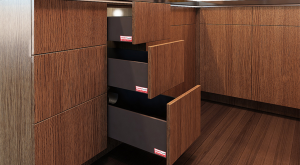
For kitchen cabinet furniture, store heavy pots and pans in lower cabinets to prevent strain. Keep everyday dishes in easily reachable spots. Consider installing simple pull-out shelves if your cabinet design makes back corners hard to access.
Bedroom furniture like dressers and armoires benefit from drawer organizers. Fold clothes using the vertical file method so you can see everything at once. This prevents the common problem of neatly folded stacks becoming messy within days.
Living room cabinet furniture often holds media, books, and miscellaneous items. Create zones within each cabinet. One shelf for entertainment, another for photo albums, and a third for games. Regular editing keeps these spaces functional rather than crowded.
Creating Systems That Last
The real challenge isn't decluttering once. It's maintaining an organized home long-term. Build simple daily habits like the 'one touch rule' - put items away immediately instead of setting them down temporarily.
Schedule regular maintenance sessions. Spend fifteen minutes every Sunday resetting your space. This prevents small messes from becoming overwhelming disasters. Teach everyone in the household these same habits so responsibility feels shared.
Mindfulness helps too. Before purchasing anything new, ask whether it adds real value to your life. This conscious consumption prevents clutter from returning. Many people find that as their physical space clears, their minds become clearer and more creative.
Consider how your furniture serves your needs. Sometimes rearranging cabinet and furniture layouts creates better flow. A different cabinet position might make a room feel larger and more peaceful. Small changes in placement can have surprisingly large effects on how a space feels.
Finding Freedom in Less
The psychology behind clutter and how to overcome it ultimately leads to freedom. When you release excess possessions, you also release the mental burden they carry. Your home becomes a sanctuary rather than a source of stress.
The transformation extends beyond the physical. People often report improved relationships, better sleep, enhanced creativity, and a surprising sense of lightness after consistently applying these principles. The mental space created by an organized environment allows for clearer thinking and more present living.
My own home transformed dramatically once I understood these psychological patterns. What began as an attempt to simply clean up became a journey toward greater self-awareness and peace. The cabinet that once overflowed now opens smoothly. The furniture serves its purpose without being buried under excess items.
Everyone's journey looks different. Some people need gentle approaches while others benefit from more radical change. The key lies in understanding your personal relationship with stuff and addressing it with both honesty and kindness.
Understanding the psychology behind clutter and how to overcome it gives you the tools to transform not just your home but your entire experience of daily life. Start small, stay consistent, and watch how clarity in your space creates clarity in your mind.
Your calmer, more organized future begins with a single decision to begin. The peace you create will reward every effort you make.