



Featured Post
Top Organizing Tips for Cabinet Furniture to Maximize Your Space
Overview
Keeping your cabinet furniture organized transforms chaotic spaces into efficient havens. These organizing tips for cabinet furniture save time, reduce stress, and make your home feel more spacious. Whether you deal with kitchen cabinets or office furniture, smart strategies keep things in order.
Why Organize Your Cabinet Furniture?
You open a cabinet, and items tumble out. Sound familiar? Disorganized cabinet furniture wastes time and creates frustration. I remember when my kitchen cabinets were a mess—finding a spice jar took forever. Organizing them changed everything. It boosts efficiency and extends the life of your furniture by preventing overcrowding.
Organized cabinets also improve your home's look. Neat storage makes spaces feel bigger and cleaner. Plus, it helps you use what you have, cutting down on unnecessary buys. According to a study from the National Association of Productivity and Organizing Professionals, organized homes lead to better mental health.
Assess Your Current Setup
Start by evaluating your cabinet furniture. Empty everything out and sort items. Ask yourself: Do I use this? Is it broken? Donate or toss what you don't need. This step clears clutter and shows you what space you really have.
Measure your cabinets. Note shelf heights, depths, and widths. This guides what organizers fit. For example, in my bathroom cabinet, I found wasted vertical space. Adding risers doubled my storage.
Consider how you use each cabinet. Kitchen ones might hold pots and pans, while bedroom furniture stores clothes. Tailor your approach to the cabinet's purpose.
Essential Tools for Organizing Cabinet Furniture
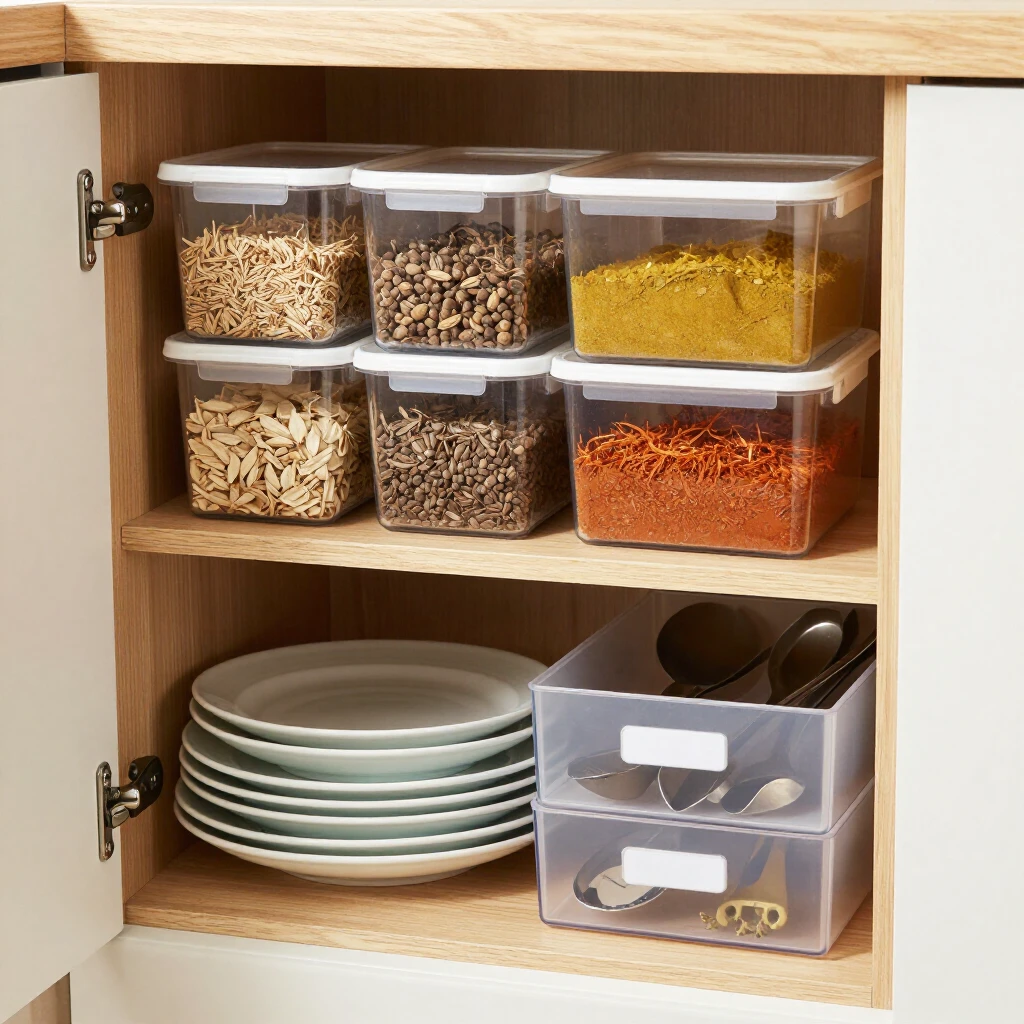
You don't need fancy gadgets, but some tools make a big difference. Use stackable bins to group like items. They fit most cabinet sizes and keep things visible.
Shelf risers create extra levels. Lazy Susans work great for corner cabinets, spinning items into reach. Drawer dividers separate small things like utensils or socks.
Labels are key. Use a label maker or sticky notes to mark bins. This helps everyone in the house know where things go.
Here's a quick list of must-have tools:
- Clear plastic bins
- Adjustable shelf dividers
- Pull-out baskets
- Over-the-door hooks for cabinet doors
- Magnetic strips for metal items
Step-by-Step Organizing Tips for Cabinet Furniture
Follow these steps to transform your cabinets. First, categorize items. Group similar things together—pots with pots, shirts with shirts.
Next, assign zones. Put frequently used items at eye level. Store rarely used things higher up or in back.
Maximize vertical space. Use tension rods to hang spray bottles or add hooks for mugs. In my garage cabinet, this freed up shelf space for tools.
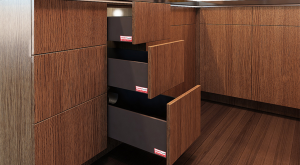
For deep cabinets, use pull-out shelves. They bring items from the back forward without digging.
Rotate stock like in a store. Put older food in front to use it first. This prevents waste in kitchen cabinets.
Tips for Specific Types of Cabinet Furniture
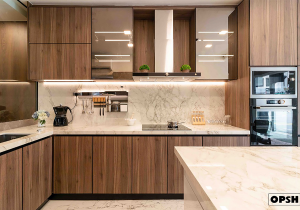
Kitchen cabinets need special attention. Use tiered organizers for spices. Install under-shelf baskets for extra storage.
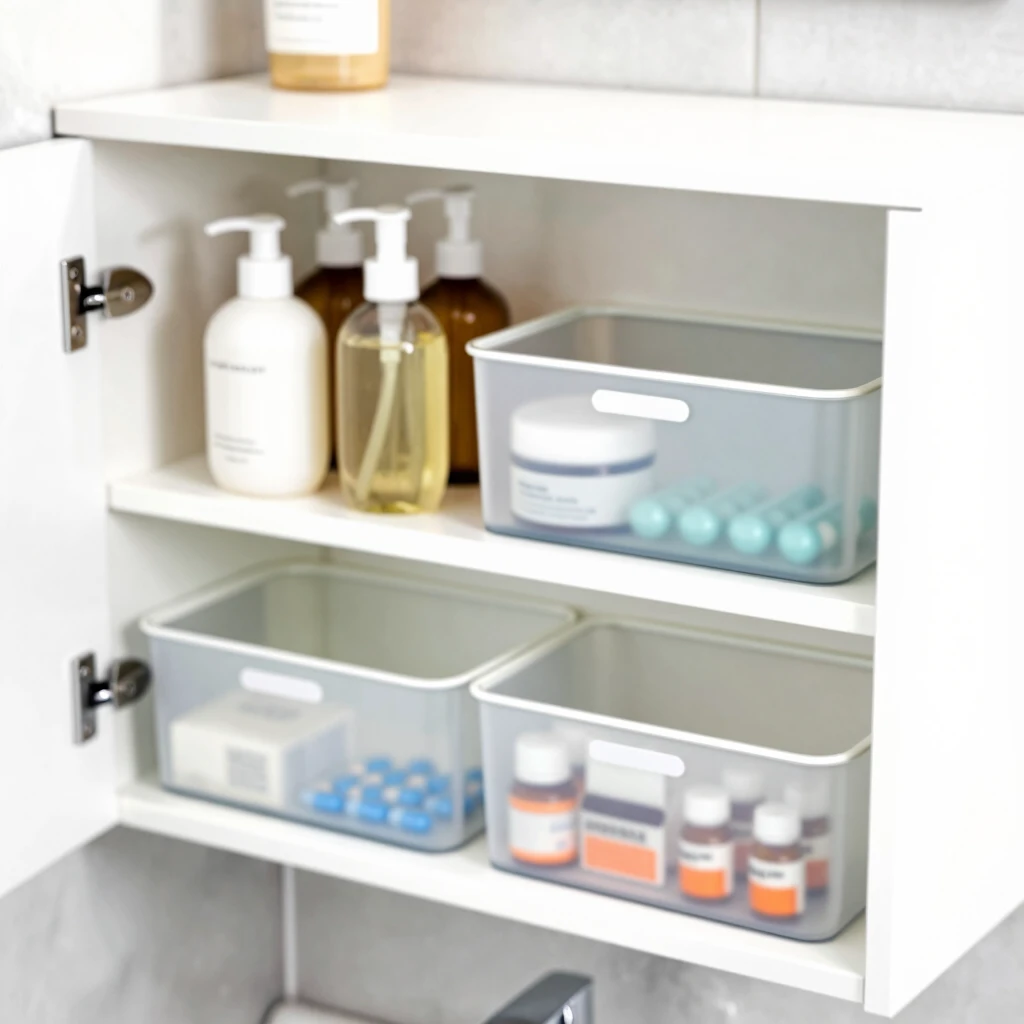
In bathroom cabinets, moisture-resistant bins protect items. Group toiletries by type—hair products together, medicines separate.
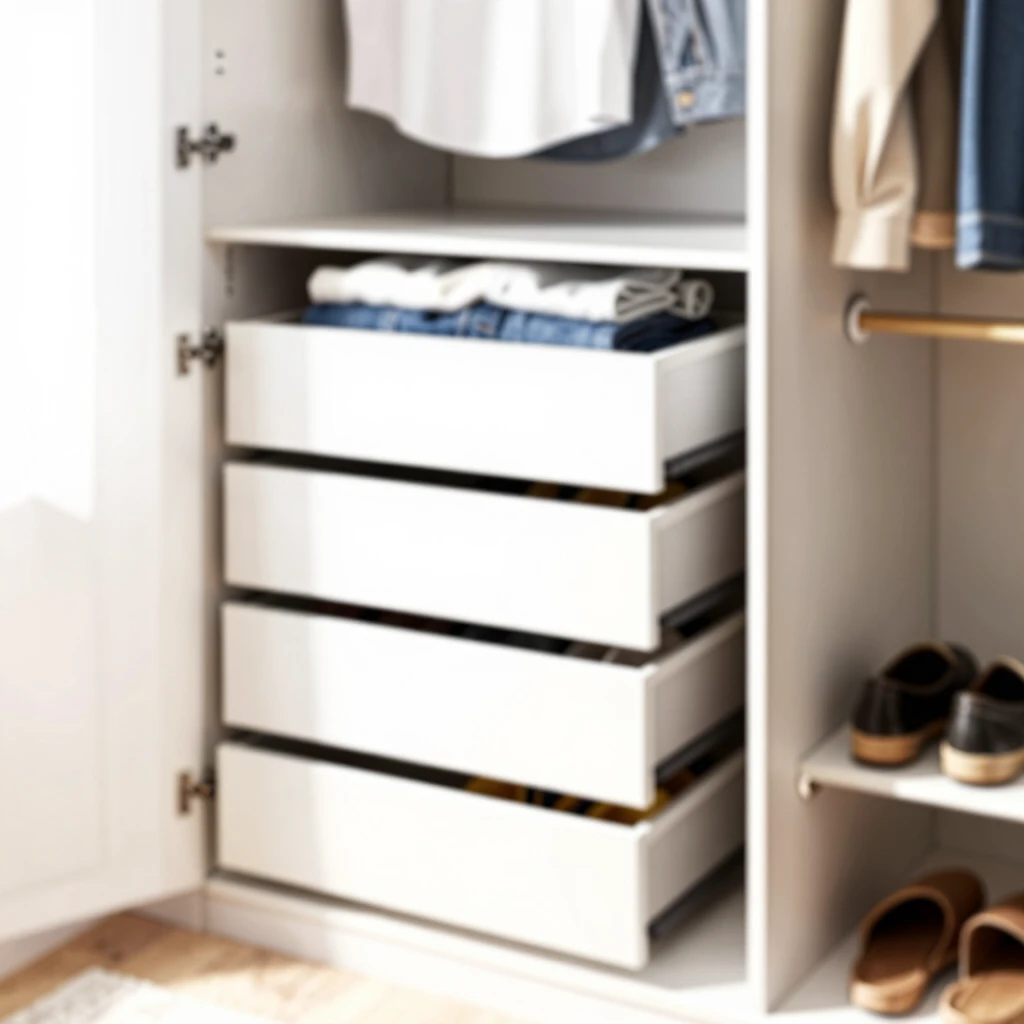
For bedroom wardrobes or dressers, fold clothes vertically. This lets you see everything at a glance, like files in a drawer.
Office cabinet furniture benefits from file holders and cord organizers. Keep papers sorted alphabetically or by date.
Entertainment centers or TV cabinets: Use cable ties to tame wires. Store remotes in divided trays.
Common Mistakes to Avoid
Don't overstuff cabinets. Leave some empty space for easy access. I learned this the hard way when a packed shelf collapsed.
Avoid mixing categories. Keep food away from cleaning supplies to prevent contamination.
Don't forget to clean as you organize. Wipe shelves to remove dust and spills.
Maintenance Strategies
Once organized, maintain it. Spend 5 minutes weekly tidying. Make it a habit to put things back right away.
Reassess every few months. As needs change, adjust your setup. For instance, seasonal items can rotate in and out.
Involve family members. Teach kids where toys go in their cabinet furniture. This shares the load.
Personal Insights from Experience
I've organized dozens of cabinets over the years, from my own home to friends'. One tip that always works: Start small. Tackle one cabinet at a time to avoid overwhelm.
Another insight: Customize to your lifestyle. If you cook a lot, prioritize kitchen tools. For avid readers, organize book cabinets by genre.
I once helped a friend with her craft cabinet. We used color-coded bins, and she said it sparked more creativity because she could find supplies easily.
Remember, organizing isn't one-and-done. It's an ongoing process that evolves with you.
Summary
These organizing tips for cabinet furniture help you create functional, clutter-free spaces. Assess, categorize, and maintain for lasting results. With a bit of effort, your cabinets become assets, not annoyances.