



Featured Post
The Ultimate Guide to Office Furniture with Adjustable Features
Overview
Office furniture with adjustable features is transforming workspaces by prioritizing comfort and flexibility. From height-adjustable desks to ergonomic chairs, these pieces adapt to your body and needs. This guide dives into why adjustable furniture matters, how it boosts productivity, and what to consider when choosing the best options.
Why Adjustable Furniture Matters
Sitting at a desk for hours can take a toll on your body. I’ve spent years working in offices, and the difference between a rigid chair and one with adjustable features is night and day. Adjustable furniture lets you customize your setup to fit your body, reducing strain and boosting comfort. Studies show that ergonomic furniture can cut down on back pain and improve focus, which is why it’s a game-changer for anyone who spends long hours working.
Adjustable furniture isn’t just about comfort—it’s about health. Poor posture can lead to chronic issues like neck pain or carpal tunnel syndrome. By allowing you to tweak your chair’s height, tilt, or lumbar support, adjustable furniture helps you maintain proper alignment. It’s like giving your body a break without leaving your desk.
Types of Adjustable Office Furniture
There’s a wide range of office furniture with adjustable features, each designed to make your workday smoother. Here’s a breakdown of the most popular options:
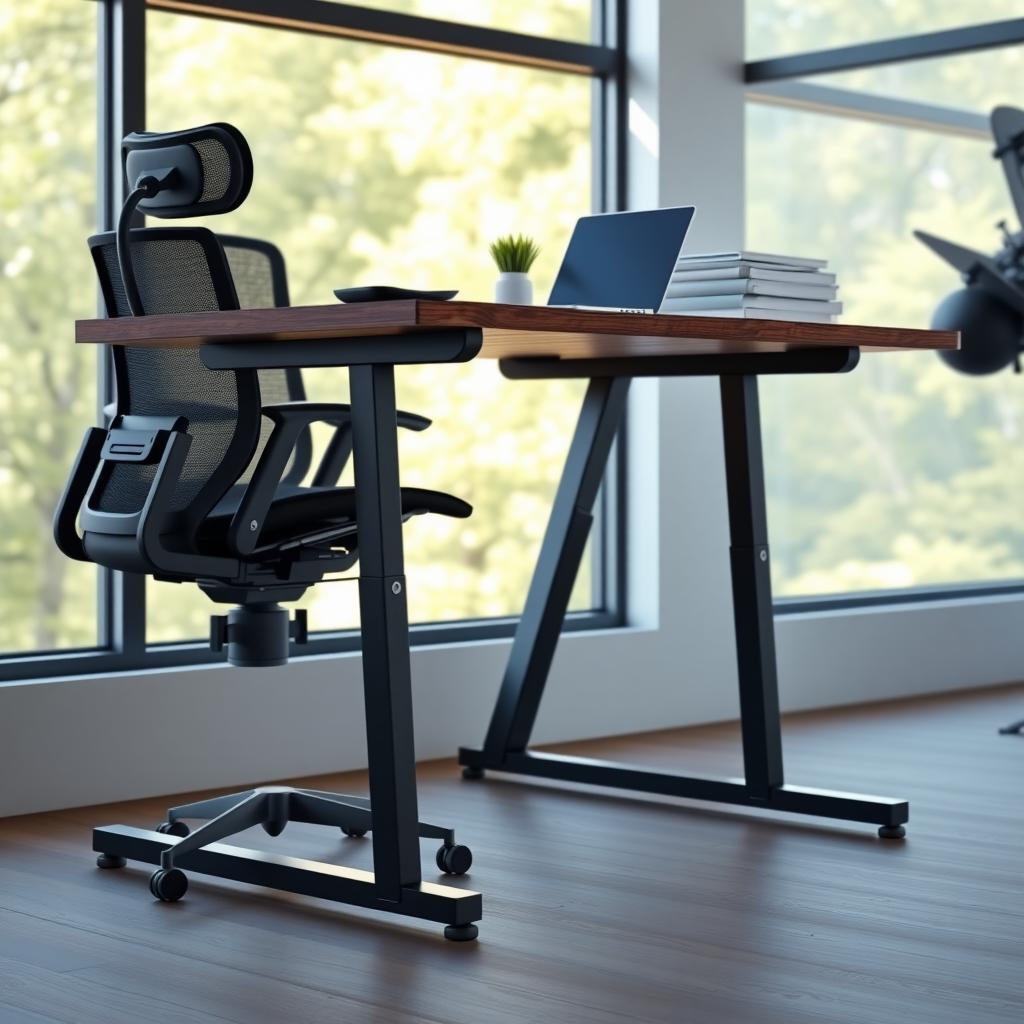
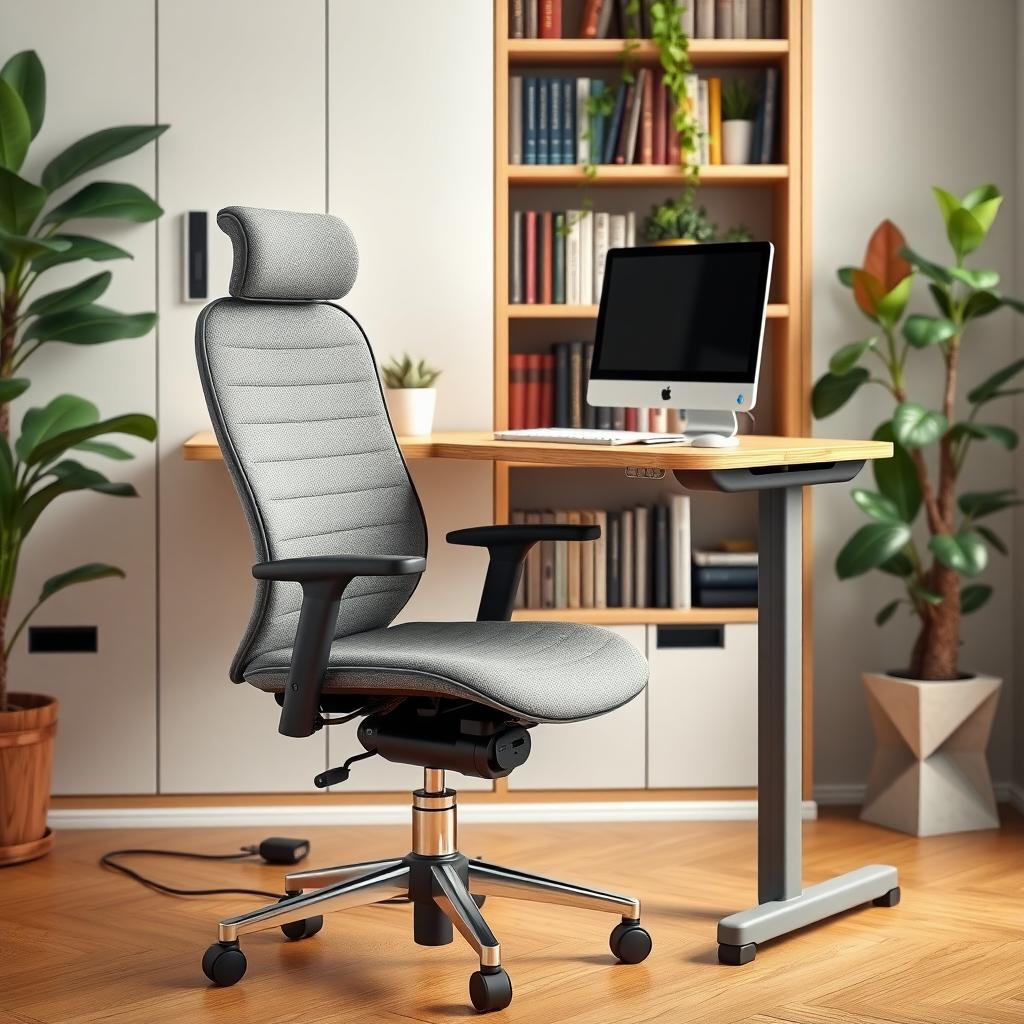
- Adjustable Desks: These desks let you switch between sitting and standing, which is great for circulation and reducing fatigue. I’ve used a standing desk for years, and the ability to stretch my legs mid-day feels like a reset button.
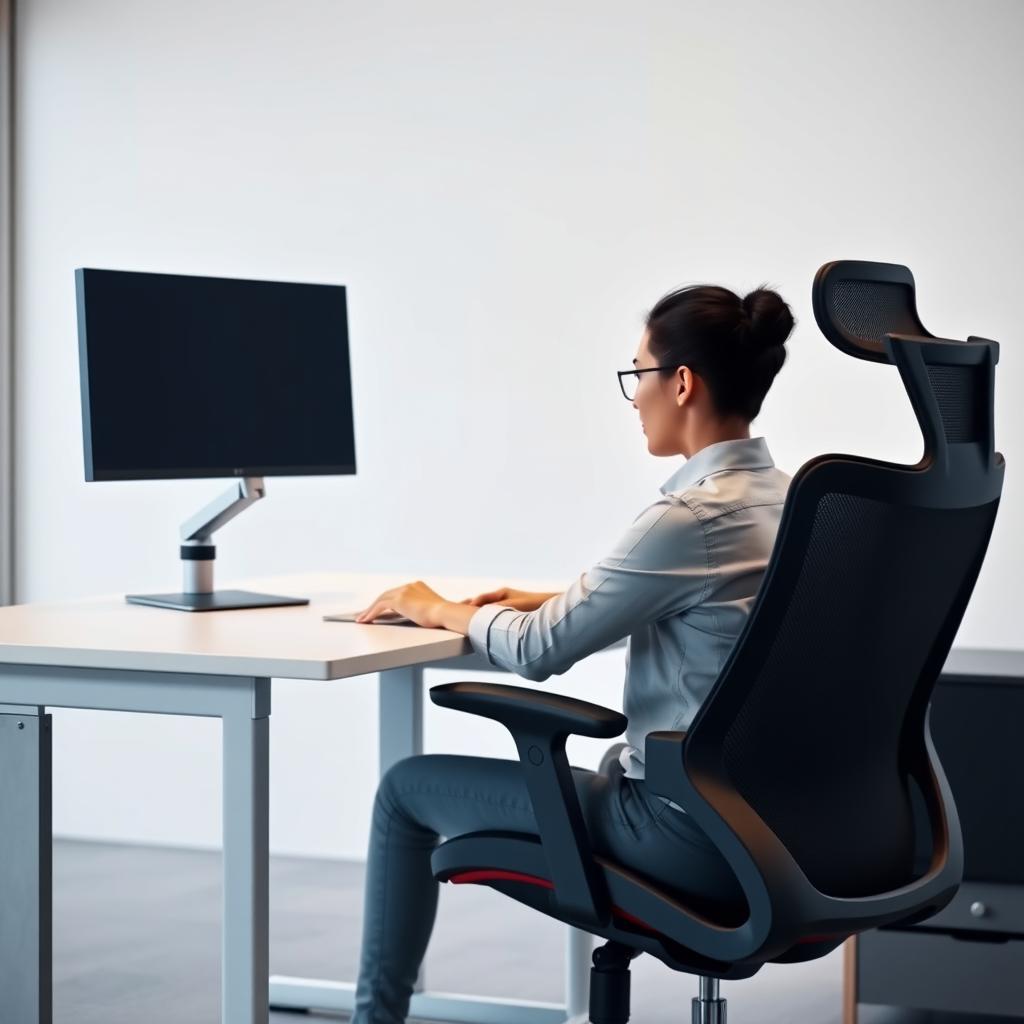
- Ergonomic Chairs: These chairs often come with adjustable seat height, backrest tilt, armrests, and lumbar support. They mold to your body, making long meetings bearable.
- Monitor Arms: These let you adjust the height and angle of your screen, reducing neck strain. I once struggled with headaches from staring at a poorly positioned monitor—switching to an adjustable arm fixed that fast.
- Footrests: Adjustable footrests can improve posture by supporting your feet at the right height, especially for shorter users.
Each piece serves a purpose, and combining them creates a workspace that feels tailored to you.
Benefits of Adjustable Furniture
The perks of adjustable office furniture go beyond comfort. Here’s why it’s worth the investment:
| Benefit | Description |
|---|---|
| Improved Posture | Adjustable chairs and desks encourage proper alignment, reducing strain on your spine and joints. |
| Increased Productivity | A comfortable setup helps you focus longer without distractions from discomfort. |
| Healthier Workday | Alternating between sitting and standing boosts circulation and reduces the risks of prolonged sitting. |
| Customization | Adjustable features let multiple users share the same furniture, perfect for shared offices. |
I’ve noticed that since switching to an adjustable desk, I’m less sluggish in the afternoons. The ability to stand for an hour or two keeps my energy up, and I get more done. Research from the Journal of Occupational Health backs this up, showing that standing desks can reduce fatigue by up to 20%.
Choosing the Right Adjustable Furniture
Picking the right office furniture with adjustable features can feel overwhelming with so many options. Here’s what I’ve learned from setting up multiple workspaces:
- Assess Your Needs: Do you sit for long periods, or do you prefer standing? If you’re like me and switch between the two, a sit-stand desk is a must.
- Check Adjustability Range: Not all adjustable furniture is created equal. Look for desks with a wide height range or chairs with multiple adjustment points (seat height, tilt, armrests).
- Test for Comfort: If possible, try the furniture in person. I once bought a chair online that looked perfect but felt stiff after an hour.
- Consider Durability: Adjustable mechanisms should feel sturdy. Cheap desks can wobble or struggle to hold weight over time.
- Budget Wisely: You don’t need to break the bank, but investing in quality pieces saves money on replacements. Look for brands like Herman Miller or Steelcase for reliable options.
Pro tip: Measure your space before buying. My first adjustable desk was too big for my home office, and I had to rearrange everything to make it fit.
Adjustable Furniture vs. Traditional Furniture
You might wonder if adjustable furniture is worth the extra cost compared to traditional options. In my experience, it’s a no-brainer. Traditional desks and chairs are static, forcing your body to adapt to them. Adjustable furniture does the opposite—it adapts to you. For example, a fixed-height desk might be too tall, leaving your shoulders hunched. An adjustable desk lets you set the perfect height for typing or writing.
That said, adjustable furniture isn’t perfect. It can be pricier, and some models have a learning curve to get the settings just right. But once you dial in your setup, it’s hard to go back to rigid furniture. If you’re on a tight budget, start with an adjustable chair—it’s the backbone of any ergonomic setup.
Incorporating Adjustable Furniture into Your Workspace
Whether you’re revamping a corporate office or setting up a home workspace, adjustable furniture fits seamlessly. Here’s how to make it work:
- Home Offices: Space is often tight, so opt for compact adjustable desks. I use a corner desk with a motorized height adjustment—it’s a lifesaver in my small apartment.
- Corporate Settings: Adjustable furniture shines in shared spaces. Employees of different heights can tweak their chairs or desks to fit, making it ideal for hot-desking.
- Hybrid Work: If you split time between home and the office, portable adjustable accessories like monitor arms or footrests can travel with you.
One thing I’ve learned: don’t skip the setup process. Take time to adjust your chair and desk to your body. It’s tempting to just start working, but a few minutes of tweaking can prevent aches later.
Beyond the Office: Adjustable Furniture in Other Spaces
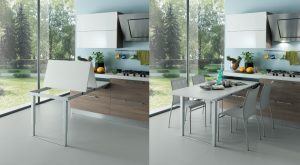
Adjustable furniture isn’t just for offices. I’ve seen it used in creative ways elsewhere. For instance, adjustable beds are gaining popularity for their ability to tilt for reading or elevate feet for better rest. While not office furniture, an adjustable bed can complement your workspace by ensuring you’re well-rested for the day. Similarly, adjustable tables in meeting rooms or home studios can make any space more versatile.
The key is flexibility. Furniture that adapts to your needs—whether it’s a desk, chair, or bed—makes life easier. It’s about creating environments that support how you move and work.
Summary
Office furniture with adjustable features is a smart investment for anyone who values comfort, health, and productivity. From standing desks to ergonomic chairs, these pieces let you create a workspace that fits your body and lifestyle. By choosing the right furniture and setting it up properly, you can transform your workday. Take the time to explore your options, and your back (and focus) will thank you.