









Featured Post
Tips for Organizing Your Closet: Transform Your Space with Ease
Overview
A cluttered closet can make daily life stressful, turning the simple act of choosing an outfit into a chaotic treasure hunt. With the right strategies, you can transform your closet into an organized, functional space. This article shares expert tips for organizing your closet, including how to organize clothes in an armoire, to help you save time, reduce stress, and make the most of your wardrobe. Whether you're working with a small closet or a spacious armoire, these ideas will keep your clothes accessible and your space tidy.
Why Closet Organization Matters
An organized closet does more than just look good. It saves time, reduces decision fatigue, and helps you rediscover clothes you forgot you owned. Studies from the National Association of Professional Organizers show that organized spaces can lower stress levels and improve daily efficiency. When your closet is in order, you’re more likely to wear what you love and avoid impulse purchases. Plus, using furniture like an armoire can elevate both function and style in your bedroom.
I’ve personally tackled my share of messy closets, and the difference an organized space makes is night and day. Once, I spent 20 minutes searching for a favorite sweater buried under a pile of mismatched socks. That was my wake-up call to get serious about organization. Below, I’ll share practical steps that worked for me and can work for you too.
Step 1: Declutter Your Wardrobe
The first step to an organized closet is decluttering. Start by emptying your entire closet or armoire. Yes, everything. Lay your clothes, shoes, and accessories on your bed or floor. This helps you see exactly what you’re working with. Sort items into three piles: keep, donate, and toss.
- Keep: Items you love, wear often, or have sentimental value.
- Donate: Clothes that no longer fit or haven’t been worn in over a year.
- Toss: Worn-out or damaged items that can’t be repaired.
Be ruthless but thoughtful. According to a study by UCLA’s Center on Everyday Lives of Families, the average American household owns around 300,000 items, many of which go unused. Don’t hold onto things out of guilt—focus on what serves you now.
Step 2: Categorize and Group Your Clothes
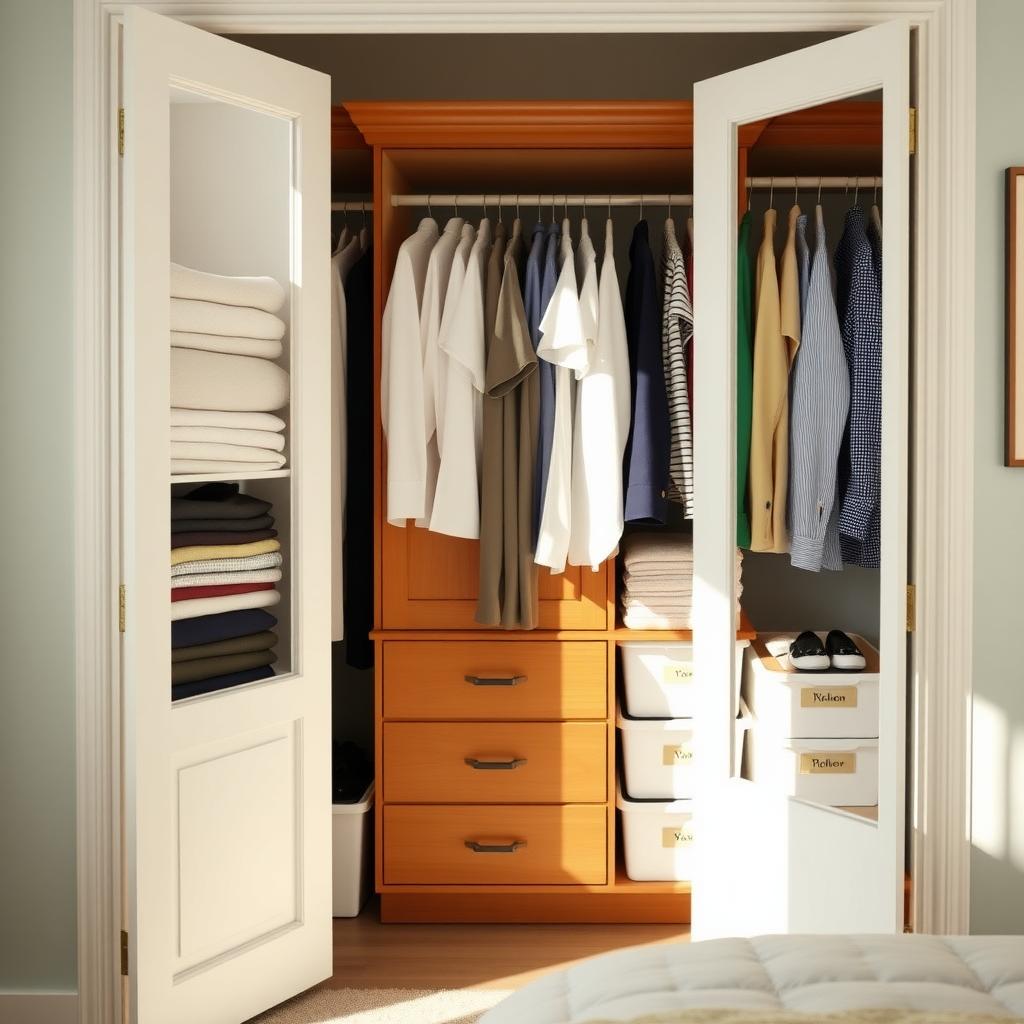
Once you’ve decluttered, group similar items together. This makes it easier to find what you need and keeps your closet visually appealing. For example:
- Group by type: Shirts, pants, dresses, jackets.
- Group by season: Winter coats in one section, summer dresses in another.
- Group by occasion: Work clothes, casual wear, formal attire.
If you’re using an armoire, consider dedicating specific shelves or drawers to each category. For instance, I keep my jeans folded on a lower shelf for easy access, while dresses hang on the rod to prevent wrinkles. This system makes getting ready a breeze.
Step 3: Maximize Your Space with Smart Storage
Space is often the biggest challenge in closet organization, especially in smaller homes. Here are some tips for organizing your closet to make every inch count:
- Use slim hangers: Velvet or slimline hangers save space and keep clothes from slipping. They can double the hanging space compared to bulky plastic hangers.
- Add shelf dividers: These keep stacks of sweaters or bags neat and prevent toppling.
- Incorporate bins or baskets: Perfect for scarves, belts, or socks. Label them for quick access.
- Install hooks or over-the-door organizers: Great for accessories like hats or jewelry.
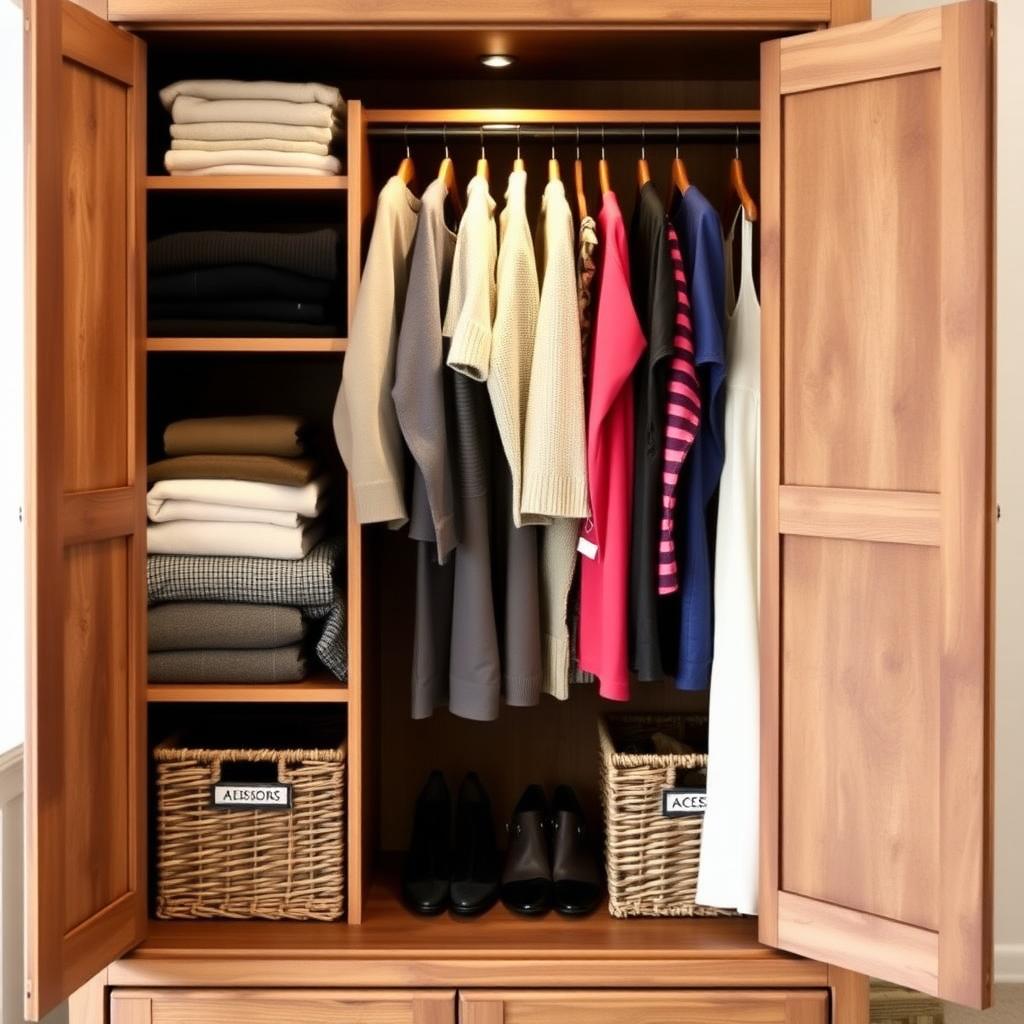
For how to organize clothes in an armoire, think vertically. Use the top shelves for out-of-season items or storage bins, and reserve lower shelves for daily essentials. A sturdy armoire can serve as both functional storage and a stylish piece of furniture, adding charm to your room.
Step 4: Organize by Color or Frequency
Color-coding your wardrobe isn’t just for aesthetics—it’s practical. It helps you spot items quickly and creates a visually pleasing setup. Start with lighter colors on one side and move to darker shades. Alternatively, organize by frequency of use. Place your go-to outfits at eye level or within easy reach.
In my armoire, I arrange my work blouses by color, which saves me time during busy mornings. Seasonal items, like heavy scarves, go in bins at the top since I only need them a few months a year. Experiment to find what works for you.
Step 5: Maintain Your System
An organized closet only stays that way with regular upkeep. Set aside 10 minutes each week to tidy up. Return clothes to their designated spots, refold anything that’s gotten messy, and check for items that no longer belong. I also do a full declutter every six months to keep things fresh.
Another tip is to adopt the “one in, one out” rule. When you buy a new item, donate or toss something else. This prevents your closet from becoming overcrowded again. The Container Store’s guide to closet organization emphasizes consistency as key to long-term success.
Special Tips for Armoire Organization
An armoire is a versatile piece of furniture that can transform your storage game, especially if you lack a built-in closet. Here’s how to organize clothes in an armoire effectively:
| Area | Use |
|---|---|
| Hanging Rod | Dresses, shirts, jackets |
| Shelves | Folded jeans, sweaters, t-shirts |
| Drawers | Underwear, socks, accessories |
| Top Shelf | Out-of-season items, storage bins |
- Add lighting: Armoires can be dark inside, so a battery-powered LED light can make finding items easier.
- Use drawer organizers: Keep small items like socks or jewelry from getting jumbled.
- Rotate seasonally: Store winter coats in bins during summer and vice versa to free up space.
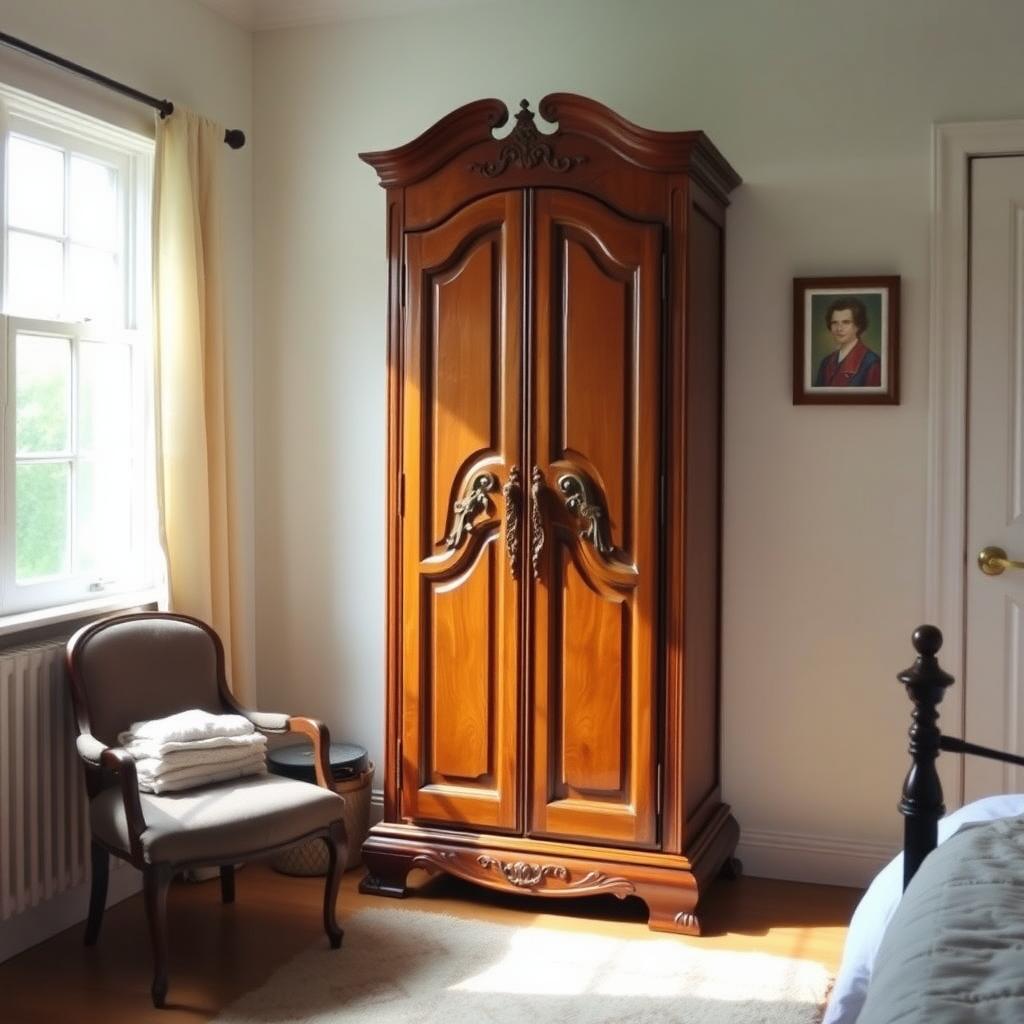
I once helped a friend organize her antique armoire, and we turned it into a mini-closet masterpiece by adding labeled bins and slim hangers. It’s now her favorite piece of furniture.
Common Mistakes to Avoid
When organizing your closet, steer clear of these pitfalls:
- Overstuffing: Cramming too much into your closet or armoire makes it hard to stay organized.
- Ignoring maintenance: Without regular tidying, chaos creeps back in.
- Skipping labels: Labels on bins or shelves make finding items effortless.
- Not measuring: Before buying storage solutions, measure your closet or armoire to ensure a perfect fit.
The University of California’s guide to sustainable living suggests that mindful organization reduces waste and promotes sustainable habits, which is an added bonus.
Summary
Organizing your closet doesn’t have to be overwhelming. By decluttering, categorizing, and using smart storage solutions, you can create a space that’s both functional and beautiful. Whether you’re working with a small closet or a grand armoire, these tips for organizing your closet will help you stay organized and stress-free. With a little effort and regular maintenance, your wardrobe will always be ready to inspire your next great outfit.