





Featured Post
Eco-Friendly Home Decor Ideas for a Sustainable and Stylish Space
Overview
Creating a beautiful home doesn’t have to harm the planet. With eco-friendly home decor ideas, you can craft a stylish, comfortable space while reducing waste and supporting sustainability. This article explores practical ways to incorporate sustainable living into your home, from choosing eco-friendly materials to organizing tips for a six-drawer dresser.
Why Choose Eco-Friendly Home Decor?
I’ve always believed that our homes should reflect who we are, but they can also reflect our values. Sustainable decor is about making choices that benefit both your living space and the environment. By using eco-friendly materials like reclaimed wood or organic textiles, you reduce your carbon footprint while adding unique character to your home. Plus, sustainable pieces often last longer, saving you money in the long run. According to the U.S. Environmental Protection Agency, sustainable materials management can significantly reduce waste and conserve resources, making it a win-win for you and the planet.
Sustainable Furniture Choices
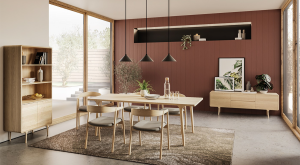
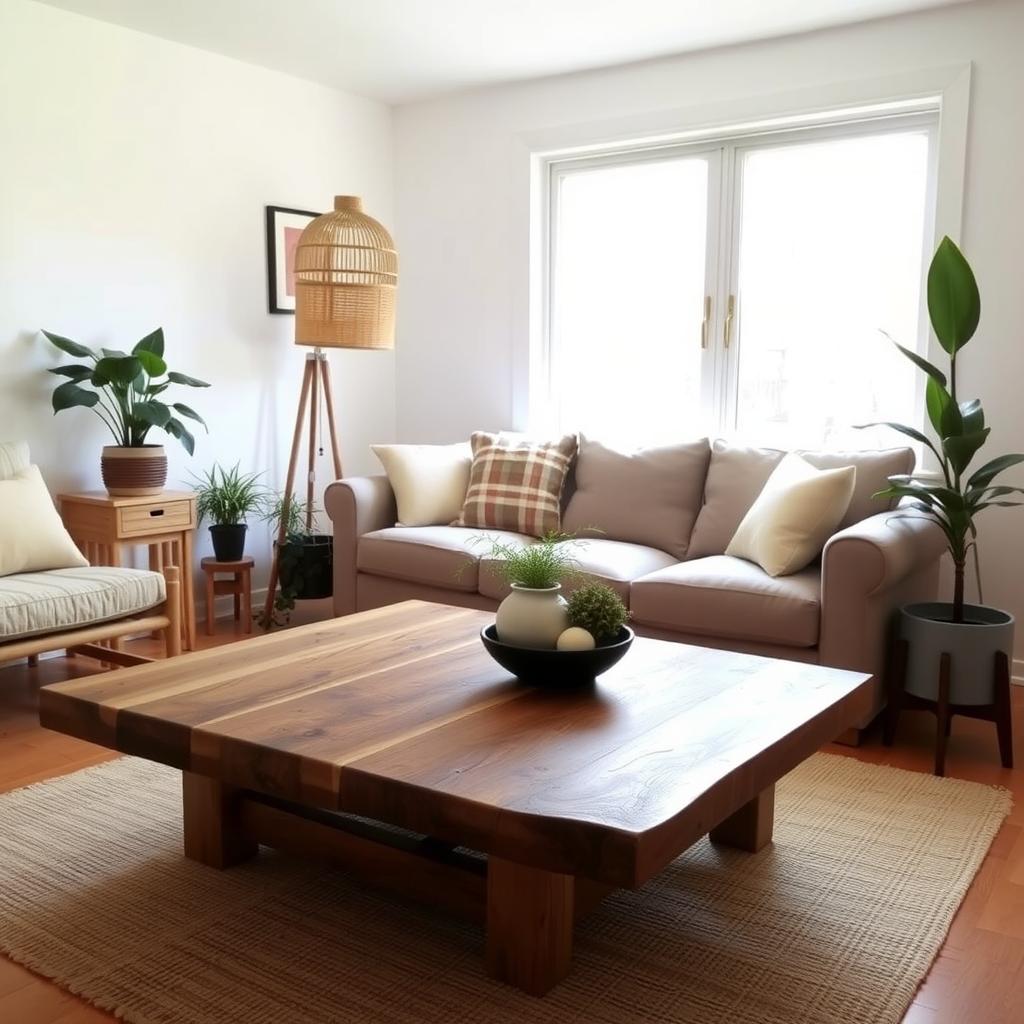
One of the easiest ways to start is by choosing furniture made from sustainable materials. Reclaimed wood dressers, bamboo chairs, or recycled metal shelves add charm without the environmental cost of mass-produced items. I recently found a reclaimed wood coffee table at a local artisan market, and its unique grain patterns tell a story that no factory-made piece could match. Look for brands that prioritize responsibly sourced materials or check out thrift stores for vintage finds that can be refurbished.
Natural Textiles for a Healthier Home
Swapping synthetic fabrics for natural ones like organic cotton, linen, or hemp can transform your space. These materials are biodegradable, free from harmful chemicals, and feel luxurious against your skin. I replaced my polyester curtains with linen ones, and the difference in air quality and aesthetics was noticeable. Organic textiles are also durable, meaning fewer replacements over time. The Global Organic Textile Standard (GOTS) ensures that certified products meet strict environmental and social criteria, so look for their label when shopping.
Upcycling and Reusing Decor
Upcycling is where creativity meets sustainability. Instead of tossing out old items, give them new life. I turned an old glass vase into a chic centerpiece by wrapping it with twine and adding dried flowers. You can also repaint a dated dresser or swap out its hardware for a fresh look. Upcycling not only reduces waste but also adds a personal touch to your home. Check local thrift stores or online marketplaces for pieces with potential—they’re often more affordable and built to last.
Organizing Tips for a Six-Drawer Dresser
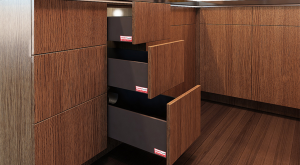
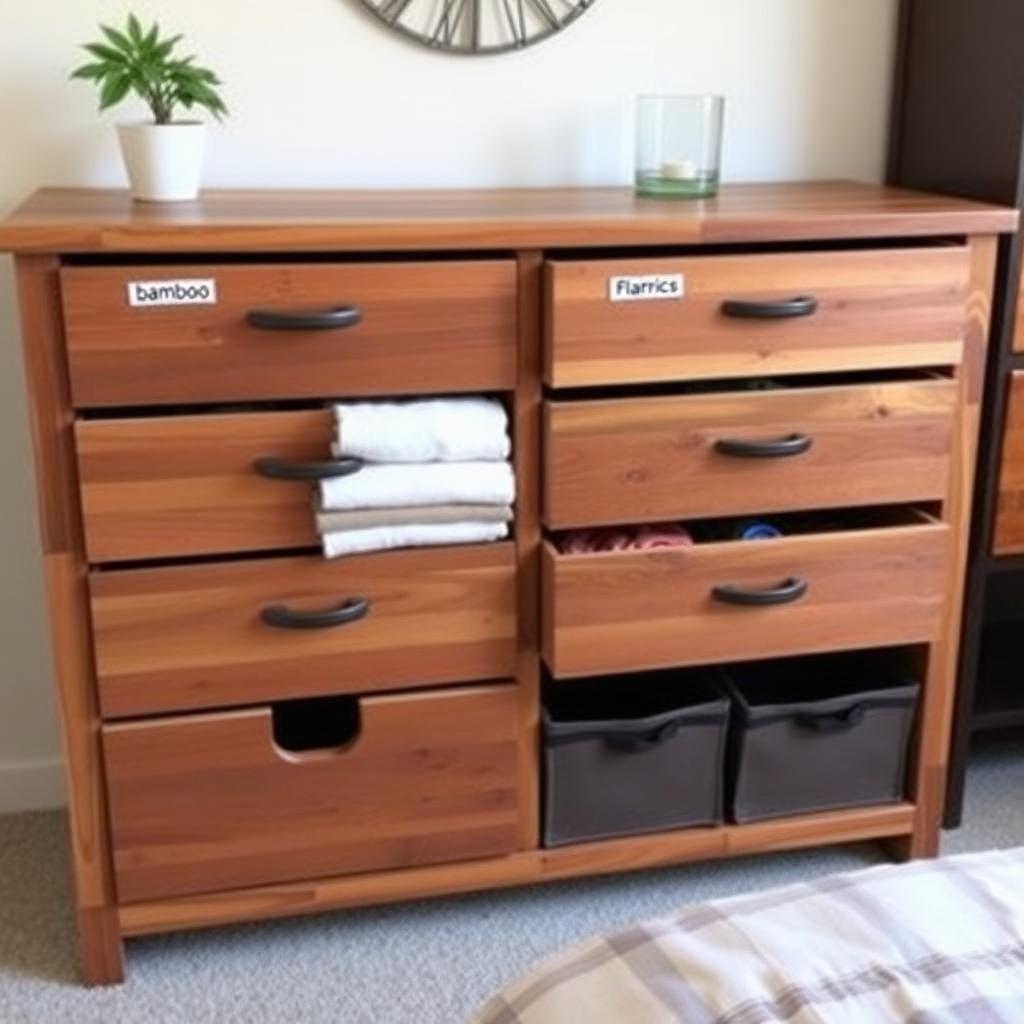
A six-drawer dresser is a versatile piece that can keep your space tidy while staying eco-friendly. Here’s how I organize mine to maximize space and maintain a sustainable approach:
- Top Drawers: Store small items like jewelry or accessories in dividers made from recycled cardboard or bamboo.
- Middle Drawers: Fold organic cotton t-shirts and linens using the KonMari method to save space.
- Bottom Drawers: Use for bulkier items like sweaters or seasonal clothing, stored in reusable fabric bins.
- Declutter Regularly: Donate items you no longer need to local charities, keeping your dresser functional and clutter-free.
By keeping your dresser organized, you’ll extend its life and avoid the need for additional storage furniture.
Low-VOC Paints for a Fresh Look
Painting a room is an easy way to refresh your space, but traditional paints release volatile organic compounds (VOCs) that harm indoor air quality. Low-VOC or VOC-free paints are a healthier choice. I painted my bedroom with a low-VOC paint in a soothing sage green, and it felt like a breath of fresh air—literally. These paints come in countless colors and finishes, so you don’t have to compromise on style. The Environmental Working Group offers guides on choosing non-toxic paints, which is a great resource for finding safe options.
Donating vs. Recycling: What’s the Difference?
When decluttering, deciding what to do with unwanted items can be tricky. I’ve learned that donating and recycling serve different purposes but both support sustainable living. According to Donating vs. Recycling: What’s the Difference? by The Spruce, donating gives usable items a new home, reducing waste and helping others, while recycling breaks down materials for reuse. For example, I donated gently used linens to a local shelter and recycled old glassware that wasn’t donation-worthy. Always check local guidelines, as some items like electronics require special recycling programs.
Energy-Efficient Lighting
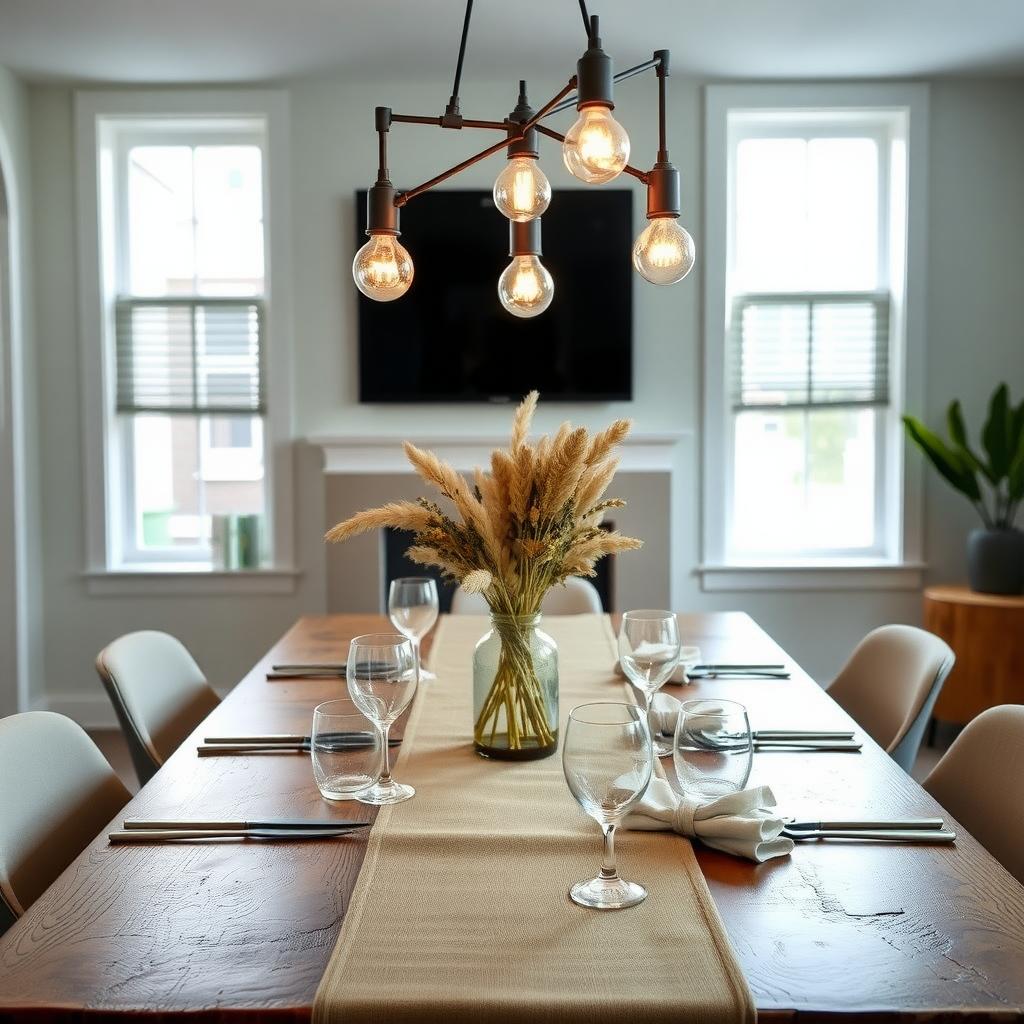
Switching to LED bulbs is a simple yet impactful change. They use up to 80% less energy than incandescent bulbs and last years longer, according to the U.S. Department of Energy. I swapped out all my bulbs for LEDs and paired them with thrifted lampshades made from natural fibers. The warm glow creates a cozy vibe while saving energy. Consider dimmable LEDs for added versatility.
Biophilic Design for a Natural Connection
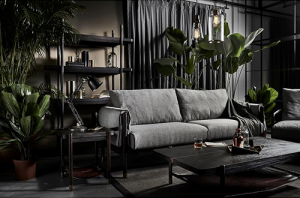
Biophilic design brings nature indoors, improving both aesthetics and well-being. Adding potted plants, a living wall, or natural wood elements creates a calming atmosphere. I added a few low-maintenance plants like pothos and snake plants to my living room, and they’ve made the space feel more alive. Studies from Harvard University show that biophilic design can reduce stress and boost mood, making it a smart choice for any home.
Sustainable Living: Donating and Recycling Unwanted Items
Sustainable living extends beyond decor to how we manage our belongings. Sustainable Living: Donating and Recycling Unwanted Items emphasizes the importance of keeping items out of landfills. Before tossing anything, I ask: Can this be donated? Is it recyclable? For instance, I repurposed old wooden crates into shelves and donated extra kitchenware to a community center. Small actions like these add up to a big impact.
Final Thoughts
Eco-friendly home decor is about making intentional choices that reflect your style and values. From organizing a six-drawer dresser to choosing low-VOC paints, every step toward sustainability counts. By blending creativity with eco-conscious decisions, you can create a home that’s beautiful, functional, and kind to the planet. Start small, experiment with upcycling, and enjoy the process of building a greener home.