



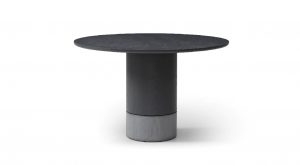

Featured Post
The Rise of Smart Furniture in Modern Homes
Smart furniture is revolutionizing the way we live, offering convenience, comfort, and style in one package. From beds that adjust to your sleeping position to tables that charge your devices, these innovative pieces are becoming a staple in modern homes. As technology continues to advance, the rise of smart furniture in modern homes is not just a trend—it's a lifestyle shift that combines functionality with futuristic design.

What Is Smart Furniture?
Smart furniture refers to pieces that integrate technology to enhance their functionality. These items often connect to the internet or other devices, allowing users to control them via apps or voice commands. For example, a smart bed might adjust its firmness based on your sleeping position, while a smart desk could include wireless charging pads for your devices. The goal is to make everyday tasks easier and more efficient, all while blending seamlessly into your home decor.
Why Is Smart Furniture on the Rise?
The rise of smart furniture in modern homes can be attributed to several factors. First, as urban living spaces become smaller, there's a growing need for multifunctional furniture that can serve multiple purposes. A sofa that transforms into a bed or a coffee table that doubles as a storage unit is not just convenient—it's essential for maximizing space.
Second, the integration of technology into our daily lives has made us more reliant on devices. Smart furniture caters to this by offering built-in charging stations, Bluetooth speakers, and even health-monitoring features. For instance, some smart chairs can track your posture and remind you to stand up and stretch, promoting better health while you work or relax.

Top Trends in Multifunctional Home Furniture
One of the top trends in multifunctional home furniture is the use of space-saving furniture armoires. These versatile pieces can serve as storage units, entertainment centers, or even home offices, making them ideal for small spaces. For example, an armoire might include a fold-out desk, shelves for books, and hidden compartments for electronics, all while maintaining a sleek, stylish appearance.
Another trend is the incorporation of smart technology into traditional furniture pieces. Think of a dining table with built-in induction cooktops or a mirror that displays the weather and your schedule. These innovations not only save space but also add a touch of luxury and convenience to your home.
The Benefits of Smart Furniture
Smart furniture offers numerous benefits that go beyond just looking good. Here are a few reasons why you might consider incorporating it into your home:
-
Space-Saving Solutions: In small apartments or homes, every square foot counts. Smart furniture, like a bed with built-in storage or a wall-mounted desk, helps you make the most of your space without sacrificing style or comfort.
-
Convenience: Imagine controlling your lighting, temperature, and even your furniture settings from your smartphone. Smart furniture makes this possible, allowing you to create the perfect environment with just a few taps.
-
Health and Wellness: Some smart furniture pieces are designed with your health in mind. For example, ergonomic chairs that adjust to your posture or beds that monitor your sleep patterns can help improve your overall well-being.
-
Energy Efficiency: Many smart furniture items are designed to be energy-efficient, helping you reduce your carbon footprint and save on utility bills. For instance, a smart lighting system integrated into your furniture can automatically adjust based on the time of day or your presence in the room.

Challenges and Considerations
While smart furniture offers many advantages, there are also some challenges to consider. One of the main drawbacks is the cost—smart furniture can be significantly more expensive than traditional pieces. Additionally, compatibility issues may arise if your furniture isn't designed to work with your existing devices or smart home system.
Privacy is another concern. Since many smart furniture pieces are connected to the internet, there's always a risk of data breaches or hacking. It's important to choose reputable brands and ensure your devices are secure.
Finally, the rapid pace of technological advancement means that your smart furniture could become outdated quickly. To mitigate this, look for pieces that offer software updates or modular designs that can be upgraded over time.
How to Choose the Right Smart Furniture for Your Home
When selecting smart furniture, it's essential to consider your specific needs and lifestyle. Here are a few tips to help you make the right choice:
-
Assess Your Space: Measure your room and consider how the furniture will fit. Look for pieces that offer multiple functions to maximize space.
-
Consider Your Tech Ecosystem: If you already have a smart home system, choose furniture that's compatible with it. This will ensure seamless integration and control.
-
Prioritize Quality: Smart furniture is an investment, so opt for high-quality materials and reputable brands. Read reviews and check for warranties to ensure you're getting a durable product.
-
Think About Aesthetics: Smart furniture should complement your home's decor. Look for pieces that match your style, whether it's modern, minimalist, or traditional.

The Future of Smart Furniture
As technology continues to evolve, so too will smart furniture. We can expect to see even more innovative designs that cater to our changing needs. For example, furniture that adapts to our biometric data, such as adjusting the firmness of a mattress based on our heart rate or body temperature, could become commonplace.
Additionally, the rise of augmented reality (AR) and virtual reality (VR) could lead to furniture that enhances our digital experiences. Imagine a chair that syncs with your VR headset to provide haptic feedback or a desk that transforms into a gaming station with built-in screens and controls.
Conclusion
The rise of smart furniture in modern homes is more than just a passing trend—it's a glimpse into the future of living. By combining technology with design, these pieces offer unparalleled convenience, comfort, and style. Whether you're looking to save space, improve your health, or simply make your life easier, smart furniture has something to offer. As you consider incorporating these innovative pieces into your home, remember to choose wisely, prioritize quality, and think about how they fit into your overall lifestyle.