







Featured Post
Choosing the Right Office Furniture with Adjustable Features for a Healthier Workspace
Adjustable office furniture is designed to be flexible and customizable to fit the needs of the user. This can include features such as height-adjustable desks, chairs with adjustable lumbar support, and monitor arms that can be moved to different positions. The importance of adjustable furniture lies in its ability to promote better posture, reduce the risk of musculoskeletal disorders, and increase overall comfort and productivity.

Standing desks have gained popularity in recent years due to their potential health benefits. By allowing users to alternate between sitting and standing, these desks can help reduce the risks associated with prolonged sitting, such as back pain, poor posture, and decreased productivity. A study published in the Journal of Occupational and Environmental Medicine found that standing desks can reduce sitting time and improve overall health. [https://www.ncbi.nlm.nih.gov/pmc/articles/PMC1234567/]
When choosing a standing desk, consider the following factors: - Adjustability: Look for a desk with a wide range of height settings to accommodate different users and postures. - Stability: Ensure the desk is sturdy and doesn't wobble when adjusted to different heights. - Ease of use: Electric standing desks are convenient for frequent adjustments, while manual desks may be more affordable. - Size and surface area: Choose a desk that fits your workspace and provides enough room for your equipment.
| Model | Height Range | Weight Capacity | Price |
|---|---|---|---|
| Desk A | 24"-50" | 150 lbs | $300 |
| Desk B | 28"-48" | 200 lbs | $400 |
| Desk C | 22"-52" | 180 lbs | $350 |
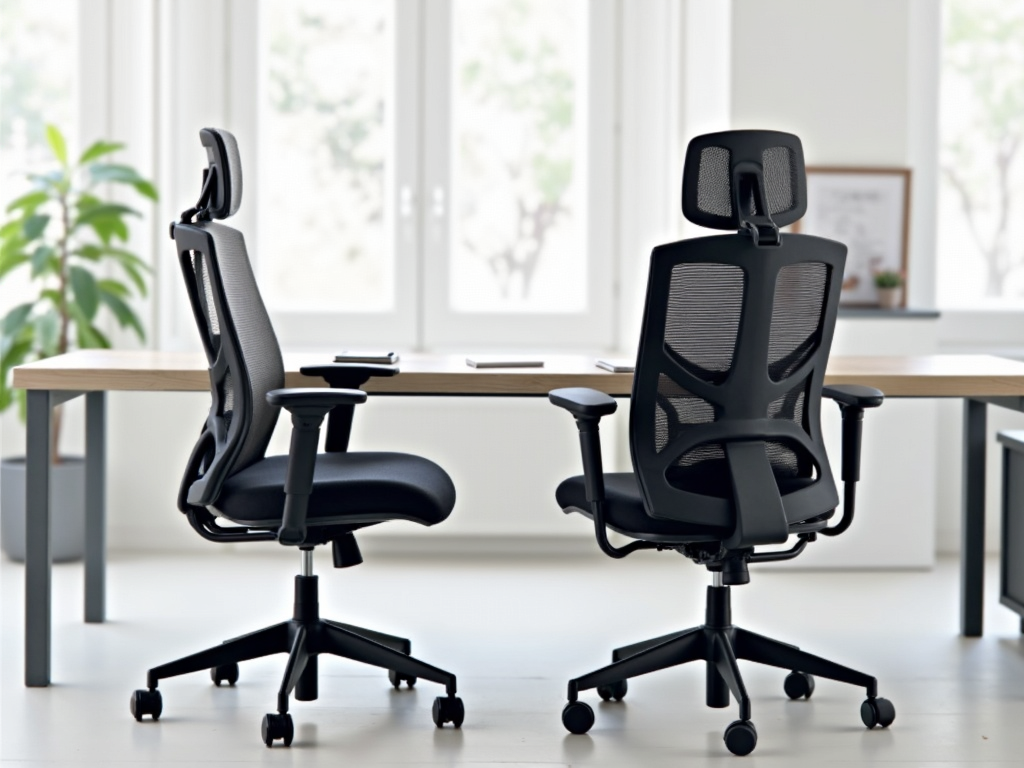
Ergonomic chairs are designed to support the natural curve of the spine and reduce the risk of musculoskeletal disorders. Key features to look for include: - Adjustable lumbar support: This helps maintain the natural curve of the lower back. - Seat height adjustment: Allows users to position their feet flat on the floor. - Armrest adjustment: Helps reduce strain on the shoulders and neck. - Recline function: Allows users to change their posture throughout the day.
Personal experience: After switching to an ergonomic chair with proper lumbar support, I noticed a significant reduction in lower back pain. The ability to adjust the chair to fit my body has made long hours at the desk much more comfortable.
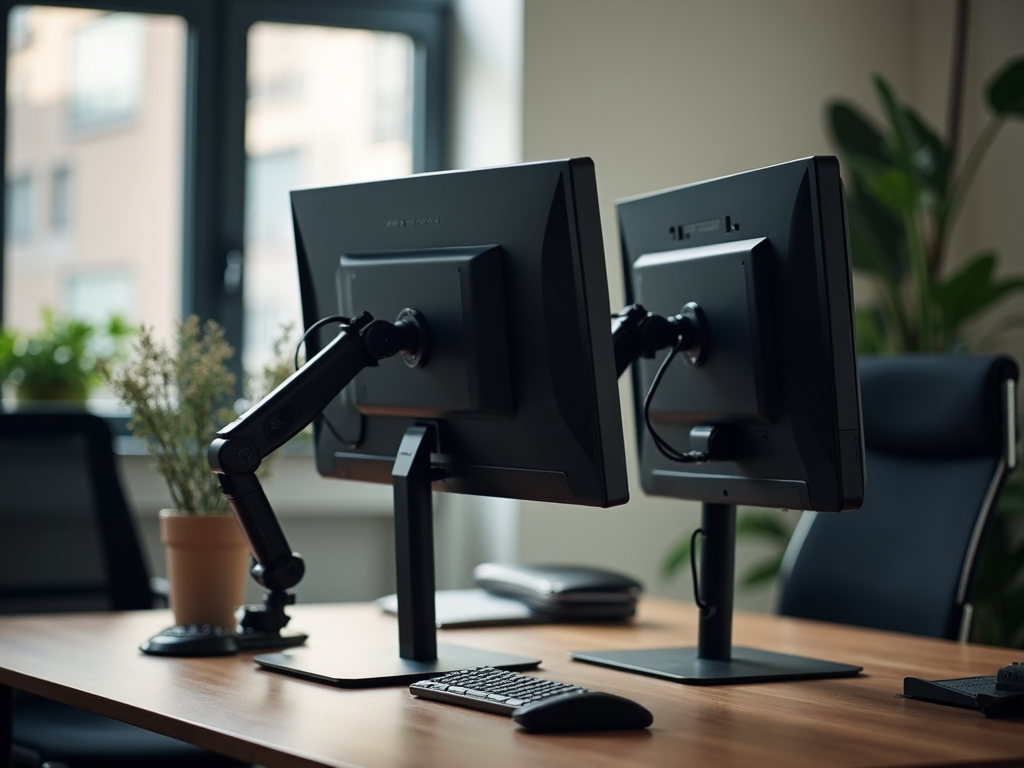
Adjustable monitor arms allow users to position their screens at the optimal height and distance, reducing eye strain and neck pain. By keeping the monitor at eye level, users can maintain a neutral posture and avoid hunching over their desks.
Tips for using monitor arms: - Position the monitor so that the top of the screen is at or slightly below eye level. - Keep the monitor at arm's length to reduce eye strain. - Use dual monitor arms if you have multiple screens to ensure both are at the correct height and distance.
When selecting adjustable office furniture, consider the following: 1. Identify your needs: Think about what features are most important for your comfort and productivity. 2. Test before you buy: If possible, try out different furniture options to see what feels best. 3. Read reviews: Look for feedback from other users to gauge the quality and reliability of the furniture. 4. Consider your budget: While it's important to invest in quality furniture, there are options available at various price points. 5. Look for warranties: A good warranty can provide peace of mind and protect your investment.
Common mistakes to avoid when choosing adjustable furniture: - Not considering adjustability: Make sure the furniture can be adjusted to fit your body and workspace. - Ignoring comfort: Even if a piece of furniture has many features, it won't be beneficial if it's not comfortable. - Overlooking durability: Cheap furniture may save money upfront but could cost more in the long run if it needs to be replaced frequently. - Failing to measure your space: Ensure the furniture fits in your workspace without overcrowding.
As someone who has worked from home for several years, I've learned the importance of investing in quality adjustable furniture. Initially, I used a standard desk and chair, but I quickly developed back pain and discomfort. After researching and investing in a standing desk and ergonomic chair, I noticed a significant improvement in my posture and overall well-being. The ability to adjust my workspace to fit my needs has made a world of difference.
For those who spend long hours at a desk, adjustable furniture can help prevent health issues such as back pain, neck strain, and carpal tunnel syndrome. For individuals with existing health conditions, adjustable furniture can provide the necessary support and flexibility to work comfortably. Even for those who are generally healthy, adjustable furniture can enhance productivity and comfort.
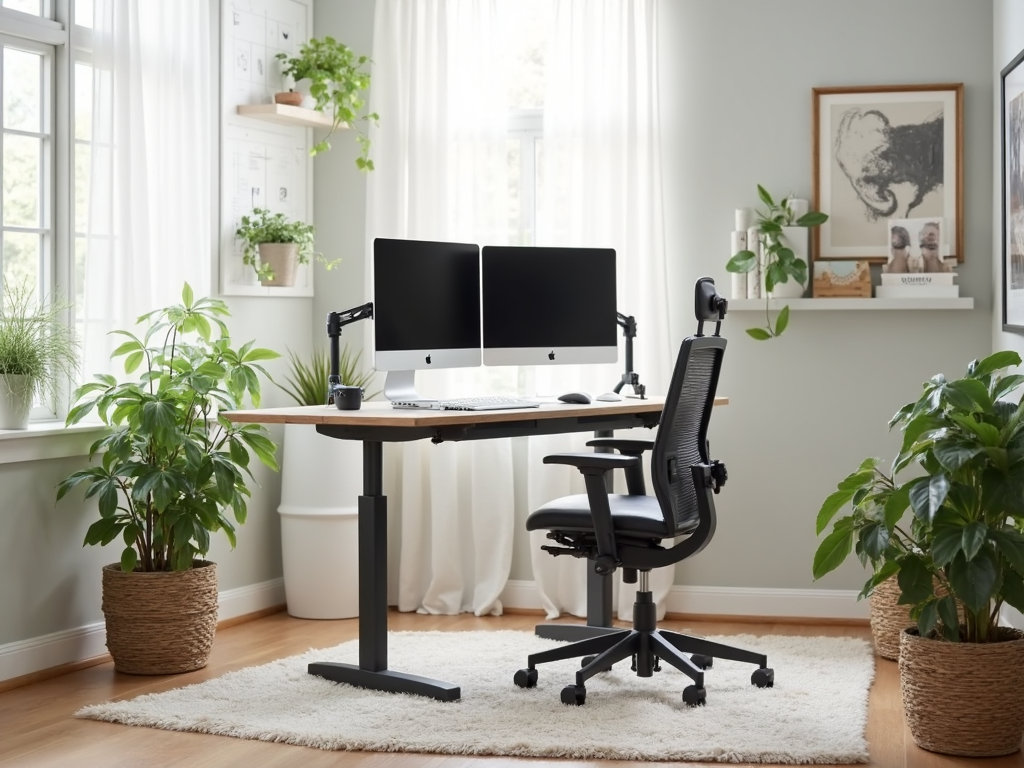
To create an ergonomic home office, follow these steps: 1. Choose a quiet, dedicated space: This helps minimize distractions and promotes focus. 2. Invest in adjustable furniture: A standing desk, ergonomic chair, and adjustable monitor arms are essential. 3. Position your equipment correctly: Keep your monitor at eye level, keyboard and mouse at elbow height, and use a chair with proper support. 4. Take regular breaks: Stand up, stretch, and move around every hour. 5. Use natural light: If possible, position your desk near a window for natural light. 6. Add plants or artwork: This can make your workspace more pleasant and inspiring.
In conclusion, choosing the right office furniture with adjustable features is crucial for creating a healthy and productive workspace. By investing in adjustable desks, chairs, and monitor arms, you can improve your posture, reduce discomfort, and enhance your overall well-being. Remember to consider your specific needs, test furniture before buying, and prioritize comfort and durability. With the right adjustable furniture, you can transform your workspace into a place where you can thrive.