


Featured Post
Choosing Furniture for a Minimalist Life: A Guide to Simplicity and Style
Overview: Embracing Minimalism in Your Home
Minimalism is more than a design trend; it’s a lifestyle that prioritizes simplicity, functionality, and intentionality. Choosing furniture for a minimalist life means selecting pieces that serve a purpose while enhancing your space’s calm and uncluttered vibe. This guide shares practical tips and personal insights to help you curate a minimalist home that feels both stylish and serene.
The Art of Minimalism: Simplifying Your Home
Minimalism starts with a mindset: less is more. When I first moved into my small apartment, I was overwhelmed by clutter. Every piece of furniture felt like it was fighting for space. That’s when I discovered the art of minimalism—choosing quality over quantity and purpose over excess. The goal is to create a space where every item has a reason to be there.
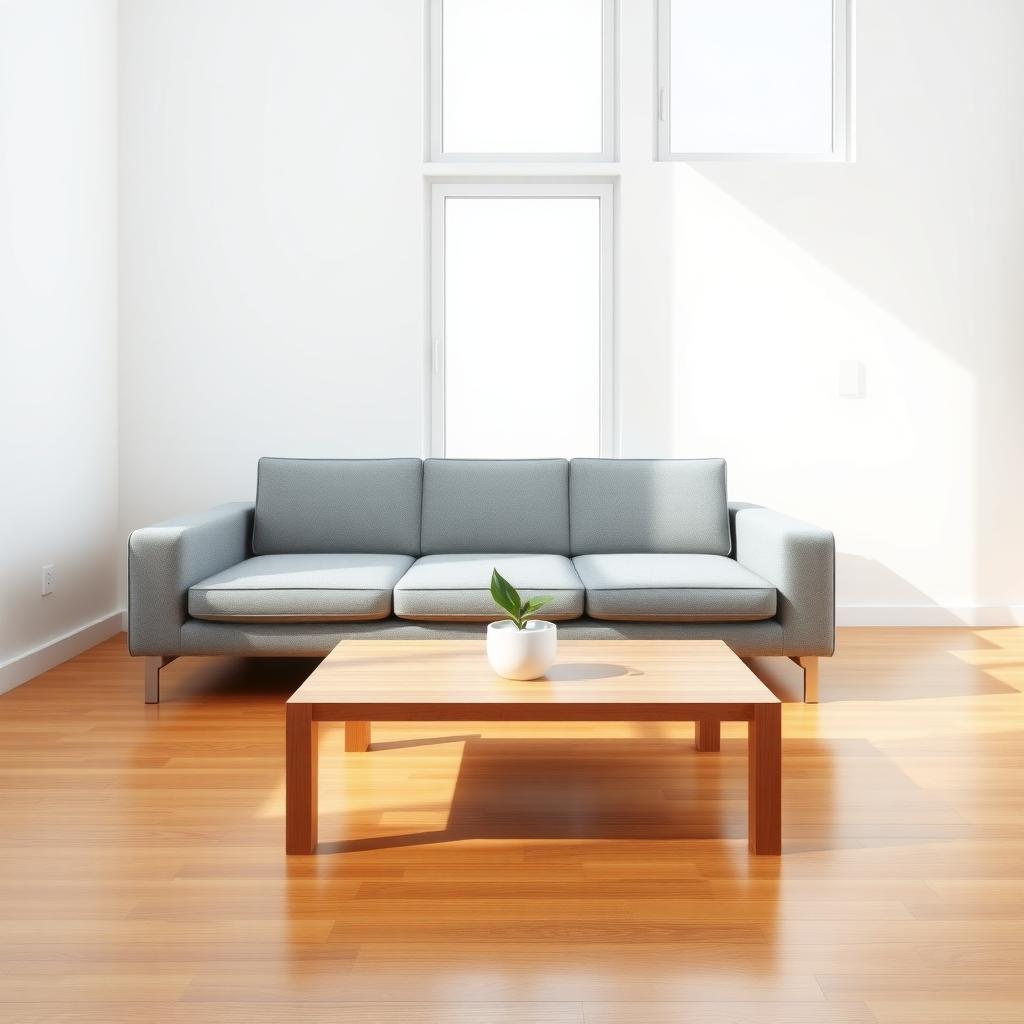
Start by assessing your needs. Ask yourself: What do I use daily? What brings me joy? What’s just taking up space? This process helped me let go of an old, bulky couch that dominated my living room. Instead, I chose a sleek, low-profile sofa that opened up the space and felt inviting.
Key Principles for Choosing Minimalist Furniture
Minimalist furniture is defined by clean lines, neutral colors, and functionality. Here are some principles to guide your choices:
- Prioritize Function: Every piece should serve a purpose. A coffee table with hidden storage or a bed with built-in drawers can reduce clutter.
- Stick to Neutral Tones: Colors like white, gray, or beige create a calm backdrop. I opted for a soft gray armchair that blends seamlessly with my decor.
- Choose Simple Designs: Avoid ornate details. Look for smooth surfaces and geometric shapes.
- Invest in Quality: Minimalism favors fewer, high-quality pieces. A solid wood dining table might cost more but lasts longer and looks timeless.
These principles transformed my space from chaotic to cohesive. They’re practical and keep your home feeling airy.
Selecting Furniture for Each Room
Living Room
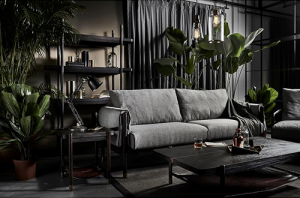
The living room is the heart of your home, so keep it open and inviting. Choose a sofa with clean lines and a neutral color. Pair it with a simple coffee table—mine has a hidden compartment for magazines. Avoid overloading with decorative items; one or two meaningful pieces, like a ceramic vase, are enough.
Bedroom
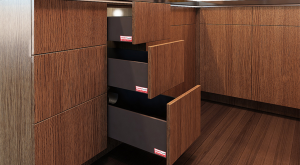
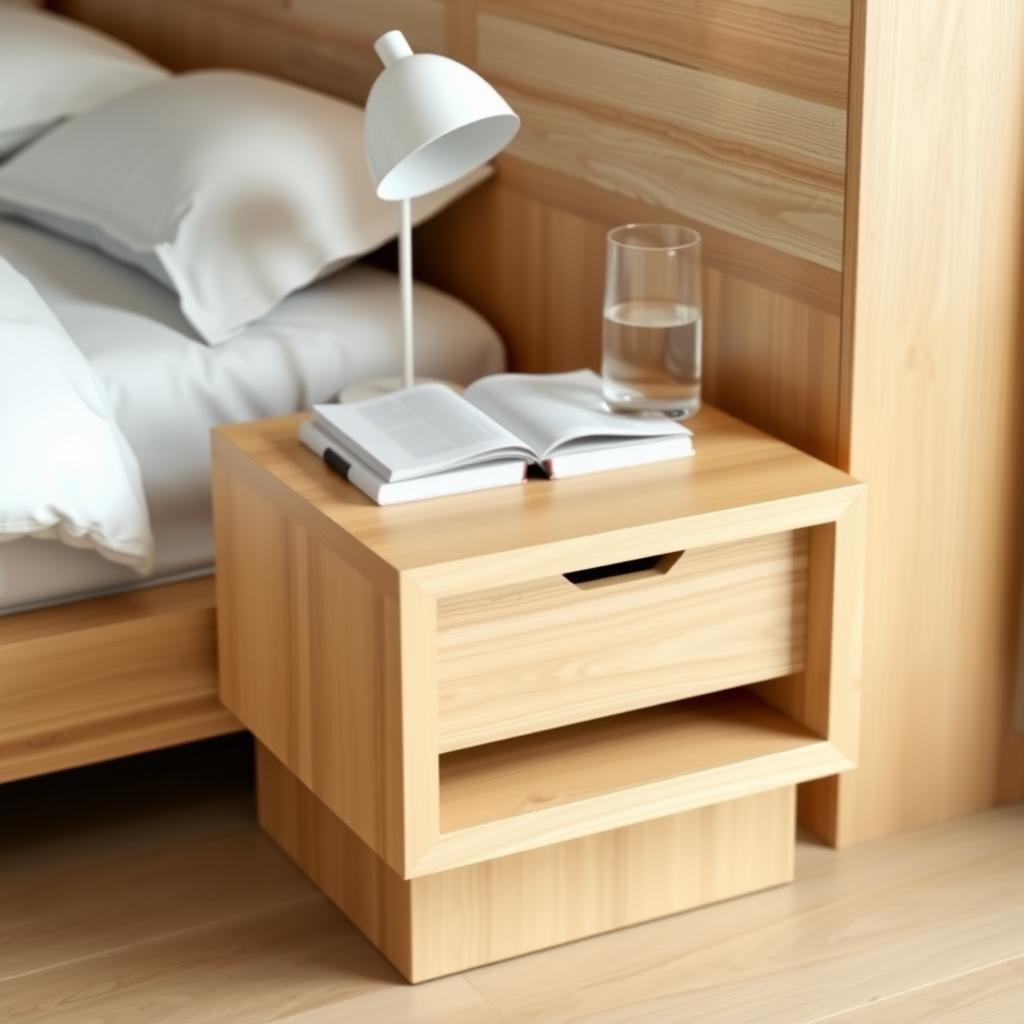
Your bedroom should feel like a sanctuary. Opt for a low platform bed with built-in storage to keep things tidy. My bed has drawers underneath, which eliminated the need for a bulky dresser. For nightstands, choose compact designs with minimal surface area to discourage clutter.
Nightstand Organization Tips and Tricks
A nightstand can easily become a clutter magnet. Here’s how to keep it minimalist:
- Limit Items: Only keep essentials—phone, lamp, book. I allow myself one book at a time to avoid piling.
- Use Organizers: A small tray for jewelry or a drawer divider keeps things neat.
- Choose Multi-Functional Pieces: My nightstand has a drawer for cables and a shelf for a water glass.
- Clear Daily: Spend 30 seconds each night tidying to maintain order.
These tricks turned my nightstand from a mess into a functional, calming part of my bedroom. Check out The Spruce’s guide to bedroom organization for more ideas.
Dining and Kitchen Areas
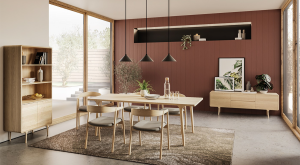
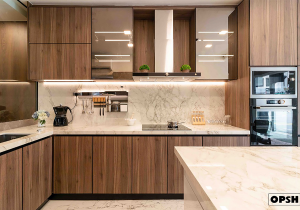
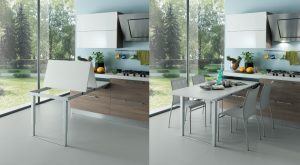
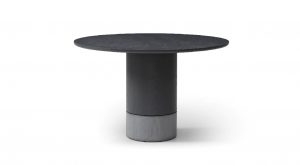
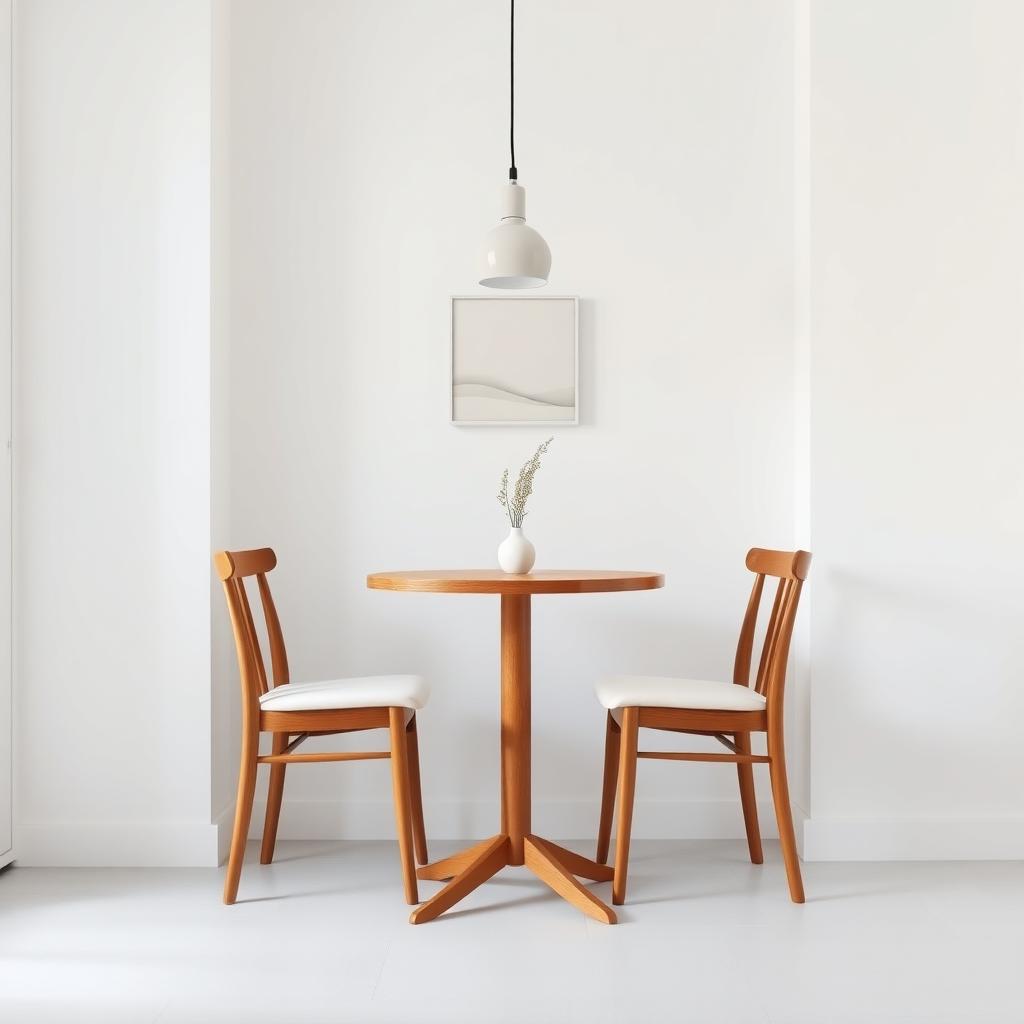
For dining, choose a table that fits your space without overwhelming it. A round table works well in small areas, as it encourages flow. I swapped my oversized rectangular table for a compact round one, and it made meals feel more intimate. In the kitchen, consider open shelving instead of bulky cabinets to keep things light and accessible.
Home Office
If you work from home, a minimalist desk is key. Look for one with a clean surface and minimal drawers. I use a wall-mounted desk that folds away when not in use, saving space and keeping my office uncluttered.
Materials Matter
Minimalist furniture often uses natural materials like wood, metal, or glass. Wood adds warmth, while metal and glass keep things sleek. My coffee table is oak with a matte finish, blending durability with style. Avoid overly shiny finishes—they can feel busy. Stick to matte or satin for a understated look.
Common Mistakes to Avoid
- Overbuying: It’s tempting to fill every corner, but empty space is a hallmark of minimalism. Leave room to breathe.
- Ignoring Scale: A huge sofa in a small room feels oppressive. Measure your space before buying.
- Clutter Creep: Even minimalist spaces can get messy. Regular decluttering sessions keep things in check.
I learned this the hard way when I bought a chair that was too big for my living room. It disrupted the flow until I replaced it with a slimmer model.
Budget-Friendly Minimalism
You don’t need a big budget to go minimalist. Shop secondhand for quality pieces—my nightstand came from a thrift store for $20. Look for sales at retailers like IKEA or West Elm, which offer affordable minimalist designs. Upcycling is another great option; a fresh coat of paint can transform an old piece into something modern.
For inspiration, Apartment Therapy’s budget decorating tips offers practical ideas for affordable minimalist decor.
Maintaining Your Minimalist Space
Minimalism requires upkeep. Set aside time each month to declutter. I do a quick sweep, donating items I no longer need. It’s also helpful to adopt a “one in, one out” rule—when you buy something new, let go of something old. This keeps your space intentional and clutter-free.
Another tip: embrace digital minimalism. I reduced physical clutter by digitizing documents and photos, freeing up space for furniture that matters.
Summary: Living Simply with Style
Choosing furniture for a minimalist life is about intentionality. By focusing on function, quality, and simplicity, you can create a home that’s both stylish and serene. From selecting multi-functional pieces to mastering nightstand organization tips and tricks, these strategies help you embrace the art of minimalism. Start small, stay consistent, and enjoy the calm that comes with a clutter-free space.