


Featured Post
The Psychology of Clutter: How Organization Affects Mood
A Quick Look at Clutter's Hidden Toll
Have you ever walked into a room piled high with stuff and felt your shoulders tense? That's no coincidence. The psychology of clutter: how organization affects mood reveals a deep link between our surroundings and our inner world. Clutter doesn't just mess up your space—it messes with your head, sparking stress and sapping joy. But here's the good news: a few smart tweaks can flip the script. In this piece, we'll unpack the science, share real-life stories, and hand you tools to tidy up your life.

Why Clutter Hits Us Hard
Picture this: You come home after a long day. Instead of relaxing, you dodge stacks of mail and laundry. That frustration? It's your brain's way of saying, 'Too much!' Research shows clutter ramps up cortisol, our stress hormone. A study from the American Psychological Association links messy spaces to higher anxiety levels. Why? Our minds crave order. When things pile up, it signals unfinished business, keeping us in a low hum of alert mode.
I remember my own apartment during college. Books teetered on every surface, clothes draped chairs like sad flags. Mornings started with dread—I'd hunt for keys amid the mess. My mood? Flat, foggy. It wasn't laziness; it was a cycle where clutter fed procrastination, and vice versa.
Experts at Verywell Mind explain that clutter scatters focus. Your brain juggles visual noise, leaving less room for deep thoughts or calm. No wonder we feel overwhelmed. But flip it: Organized spaces quiet the mental chatter, letting creativity and peace bubble up.
The Mood Boost from a Tidy Space
Now, let's talk upsides. When you organize, something magical happens. Your mood lifts because your environment mirrors calm. Psychology Today notes that decluttering cuts shame and guilt—those sneaky thieves of joy. Suddenly, you sleep better, tackle tasks easier, and even connect deeper with loved ones.
Take my friend Sarah. Her bedroom was a war zone of work files and forgotten hobbies. After a weekend purge, she said her anxiety dropped. 'It's like my brain got a reset button,' she told me. Science backs her: Tidy rooms lower depression risks by fostering control and achievement.

Everyday Wins: Organizing Tips for a Six-Drawer Dresser
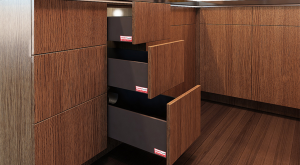
Let's get hands-on. Your dresser often becomes clutter central. But with smart organizing tips for a six-drawer dresser, it turns into a mood-lifter. Start simple: Empty everything out. Sort into keep, donate, trash piles. Ask, 'Does this spark joy?' (Thanks, Marie Kondo!)
Divide drawers with inserts—fabric bins for socks, bamboo trays for jewelry. Label fronts for quick grabs. I use one drawer for workout gear, another for scarves. Boom—mornings flow smoother, stress dips.
Here's a quick table to guide you:
| Drawer | Purpose | Pro Tip |
|---|---|---|
| 1 | Underwear & Socks | Use dividers to prevent tangles |
| 2 | T-Shirts | Fold vertically for easy view |
| 3 | Pants | Hang if space allows, or roll |
| 4 | Accessories | Small trays for watches, belts |
| 5 | Seasonal Items | Rotate out off-season stuff |
| 6 | Linens | Neat stacks, one per family member |
This setup? It saves time and sanity. Your dresser becomes a quiet ally, not a foe.
Pro tip: Tackle one drawer a day. Small victories build momentum, easing that 'where do I start?' paralysis.
Modern Storage Solutions for Bedrooms
Bedrooms deserve special love—they're your recharge zones. Modern storage solutions for bedrooms blend style and smarts. Think under-bed rollers for linens, floating shelves for books. Ottomans with hidden compartments double as seats and stash spots.
I swapped my bulky nightstand for a slim one with built-in chargers. No more cord jungle! These tweaks cut visual clutter, letting your eyes rest. Result? Deeper sleep, brighter mornings. According to RACGP, less mess means better focus and less avoidance—key for bedtime wind-down.
Don't overlook vertical space. We'll dive deeper next.

Creative Ways to Use Wall Space for Storage
Walls? They're goldmines for storage. Creative ways to use wall space for storage turn dead air into functional art. Install pegboards for bags and keys—customizable and fun. Or try tension rods in closets for scarves, turning chaos into cascades.
In my tiny apartment, I added over-door hooks and magnetic strips for knives (kitchen spillover). It freed floor space, making the room feel bigger, airier. Bigger space equals bigger breaths—less claustrophobia, more zen.
List of ideas to spark you: - Floating Shelves: Layer books and decor, eye-level easy. - Wall Pockets: Fabric ones for remotes, mail—kid-proof too. - Magnetic Boards: Hold notes, spices—kitchen walls unite! - Hanging Baskets: Woven ones for toys, blankets—boho vibe. - Ladder Shelves: Lean-against-wall for towels, blankets.
These hacks? Budget-friendly, big impact. They weave organization into your home's story, not against it.
One caveat: Balance is key. Overdo walls, and it feels crowded. Start small, build as you go.
Real Talk: My Clutter Journey
Let me share more from my path. Five years ago, moving cross-country left boxes unpacked for months. My mood tanked—irritable, unfocused. Therapy helped, but so did action. I read The Crappy Childhood Fairy and saw clutter as a trauma echo. Not dramatic; it rang true.
I started with my dresser. Those organizing tips for a six-drawer dresser? Game-changer. Then, modern storage solutions for bedrooms like bed risers revealed hidden real estate. Walls followed—creative ways to use wall space for storage freed my mind.
Today? My space hums with calm. Friends notice: 'You seem lighter.' It's true. Organization isn't perfection; it's permission to breathe.
Wrapping It Up: Tidy Space, Tidy Mind
The psychology of clutter: how organization affects mood boils down to this—your space shapes your spirit. Clutter whispers defeat; order shouts possibility. You've got the tools: Dresser hacks, bedroom innovations, wall wonders. Pick one, start today. Watch your mood soar as your home aligns.
Remember, progress beats perfect. Your well-being thanks you.