







Featured Post
Furniture Maintenance and Care Guide: Keep Your Pieces Looking New
Overview
Furniture is more than just decor—it’s part of your home’s story. From the sturdy oak table where you share meals to the cozy sofa that holds movie-night memories, proper care keeps these pieces beautiful and functional. This furniture maintenance and care guide offers practical, time-tested tips to help you protect your investment and maintain your furniture’s charm for years.
Why Furniture Maintenance Matters
Furniture faces daily wear—spills on the dining table, scratches from pets, or fading from sunlight. Without regular care, even high-quality pieces can lose their shine. Proper maintenance not only preserves aesthetics but also extends lifespan, saving you money. For example, a well-maintained wooden table can last decades, becoming a family heirloom. Neglect it, and you’re replacing it sooner than you’d like.
I learned this the hard way with my first coffee table. It was a gorgeous maple piece, but I ignored a water ring from a glass. Over time, the stain deepened, and the finish dulled. A little preventive care would’ve saved it. Let’s dive into how you can avoid similar mistakes.
Cleaning Your Furniture Properly
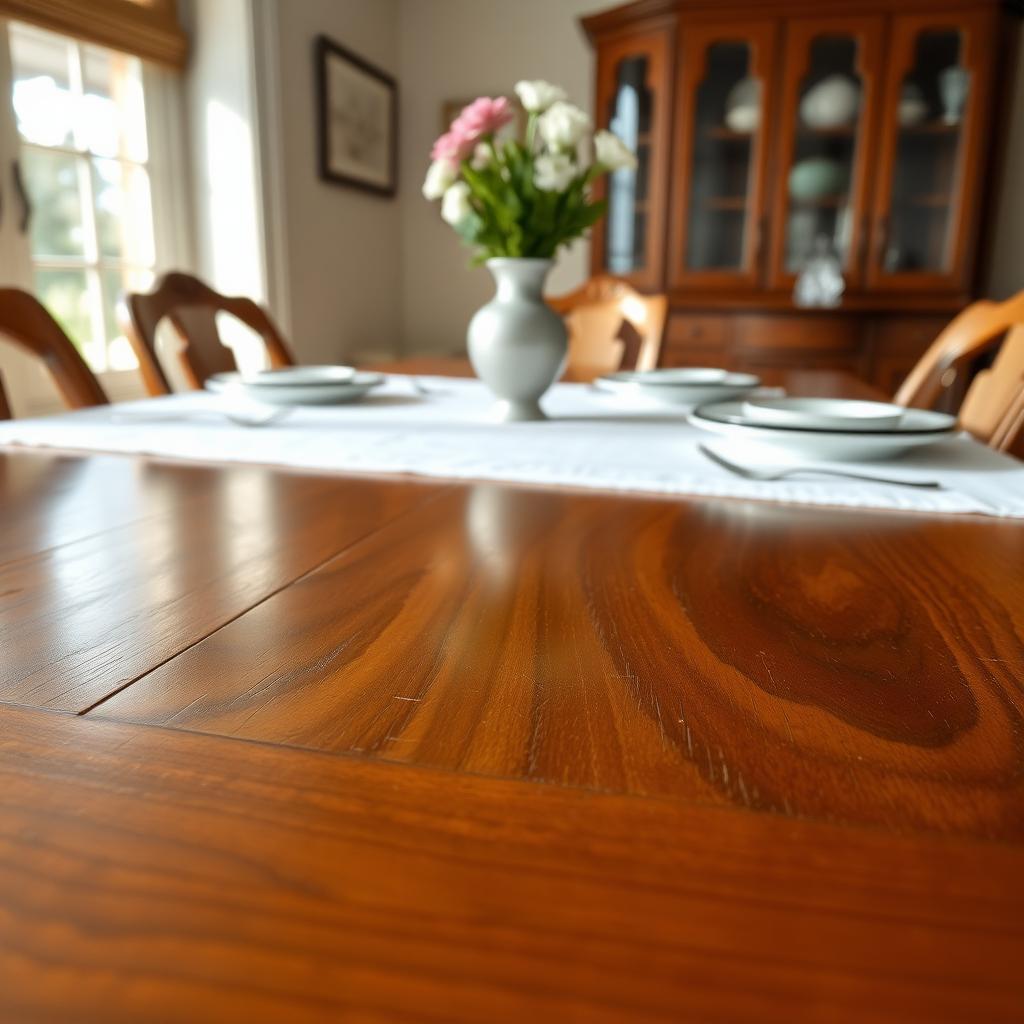
Cleaning is the cornerstone of furniture maintenance. Different materials require specific approaches to avoid damage. Here’s how to clean common furniture types:
-
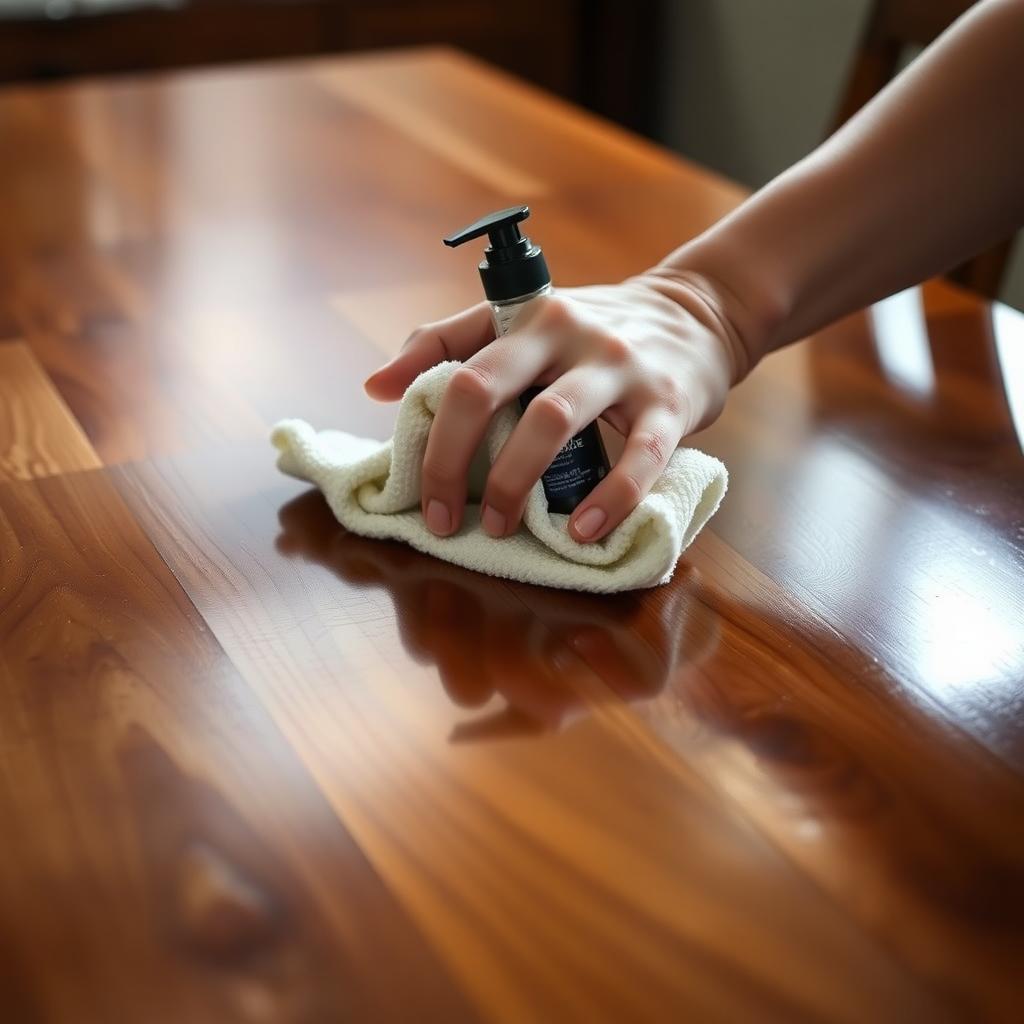
Wood: Dust weekly with a soft, lint-free cloth. For deeper cleaning, use a mild soap solution (1 tsp dish soap per cup of water) and wipe with a damp cloth. Dry immediately to prevent warping. Avoid harsh chemicals like ammonia, which can strip finishes. According to The University of Tennessee’s Extension Service, improper cleaning is a leading cause of wood furniture damage.
-
Upholstery: Vacuum fabric furniture weekly to remove dust and crumbs. For stains, blot—don’t rub—with a clean cloth and a solution of water and mild detergent. Check manufacturer tags for specific instructions, as some fabrics require dry cleaning.
-
Leather: Wipe with a damp cloth and mild soap monthly. Avoid soaking, as leather is sensitive to excess moisture. Use a leather conditioner every 6-12 months to prevent cracking.
-
Glass or Metal: Use a glass cleaner or vinegar-water mix for glass surfaces. For metal, a damp cloth followed by a dry one prevents streaks. Avoid abrasive scrubbers that can scratch.
Pro tip: Always test cleaning solutions on a small, hidden area first. I once used a too-strong cleaner on a side table and ended up with a cloudy finish. Lesson learned!
Protecting Your Furniture
Prevention is easier than repair. Here are actionable ways to shield your furniture:
-
Use Coasters and Mats: Place coasters under drinks and mats under hot dishes on tables. This prevents water rings and heat marks, which are tough to remove from wood.
-
Avoid Direct Sunlight: UV rays fade wood and fabric. Use curtains or blinds to protect furniture near windows. For example, my living room sofa faded on one side because I didn’t adjust the blinds regularly.
-
Felt Pads for Movement: Attach felt pads to chair and table legs to prevent scratches on floors or the furniture itself when moving.
-
Control Humidity: Wood furniture thrives in 40-60% humidity. Too dry, and it cracks; too humid, and it swells. A humidifier or dehumidifier helps, especially in extreme climates. The U.S. Forest Service notes that humidity fluctuations are a major cause of wood furniture damage.
These small habits make a big difference. I started using coasters religiously after my coffee table incident, and my current dining table still looks brand new.
Repairing Minor Damage
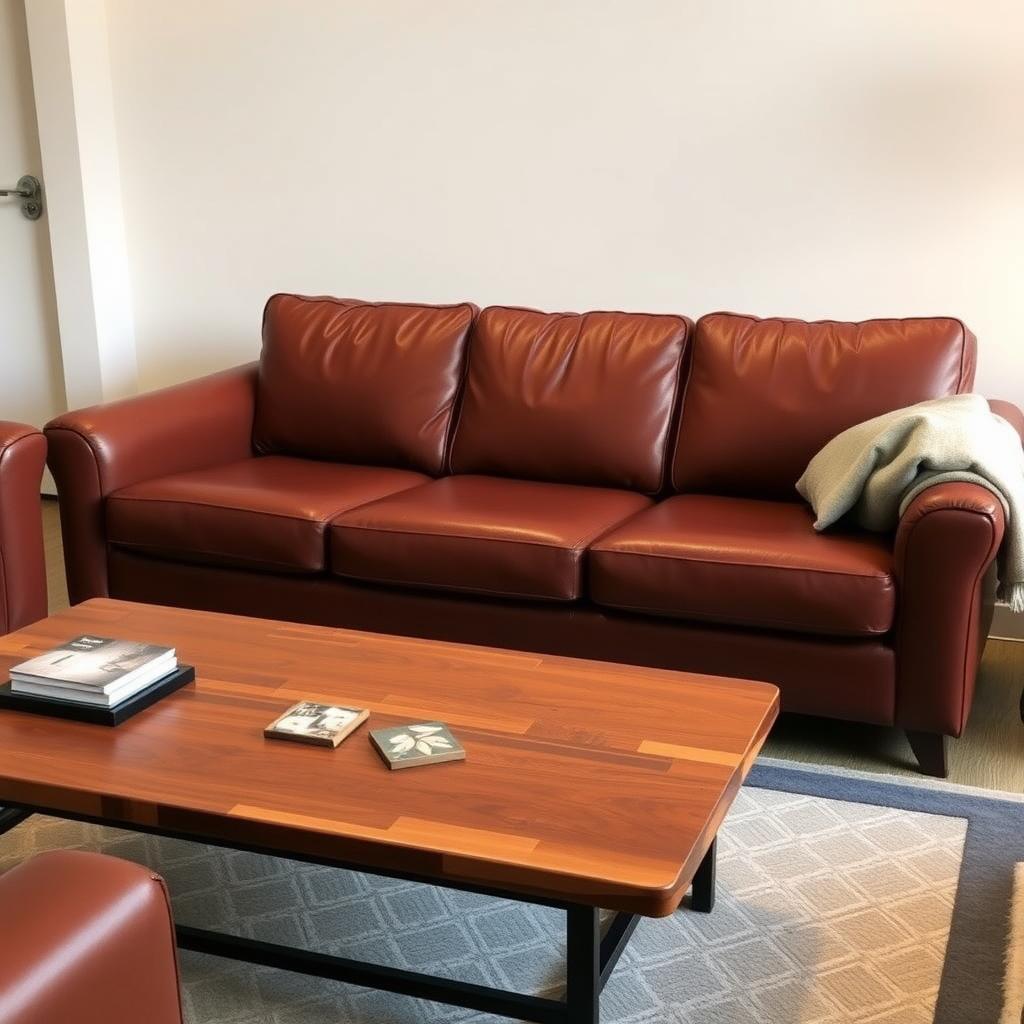
Even with care, accidents happen. Here’s how to fix common issues:
| Issue | Material | Solution |
|---|---|---|
| Scratches | Wood | Rub with a walnut or use a matching furniture marker. For deeper scratches, apply a thin layer of wood filler and sand lightly. |
| Water Rings | Wood | Mix equal parts vinegar and olive oil, apply with a soft cloth, and wipe dry. |
| Stains | Upholstery | Blot with a 1:1 water-vinegar solution. For tough stains, consult a professional cleaner. |
| Dents | Wood | Place a damp cloth over the dent, then iron on low heat to raise the wood grain. Sand gently. |
For serious damage, consult a professional. I tried fixing a deep scratch on a table myself once and made it worse by sanding too aggressively. Sometimes, expert help is worth it.
Seasonal Maintenance Tips
Furniture needs vary by season. Here’s a quick guide:
-
Spring/Summer: Dust more frequently due to open windows and pollen. Reapply polish or wax to wood furniture to protect against humidity.
-
Fall/Winter: Check for dryness in heated homes. Use a humidifier to maintain wood’s moisture. Clean upholstery to remove dust from holiday gatherings.
I make it a habit to do a deep clean every spring. It’s refreshing to see my dining table gleam after a good polish, and it sets the tone for the season.
Special Care for Antique Furniture
Antique furniture requires extra attention. Avoid over-cleaning, as it can strip delicate finishes. Use a soft cloth and minimal water for cleaning. For wax-finished antiques, apply a thin layer of paste wax annually to protect the surface. The Smithsonian Institution’s Furniture Care Guide recommends consulting conservators for valuable pieces to avoid irreversible damage.
My grandmother’s antique sideboard is a treasure, but I nearly ruined it with a harsh cleaner. Now, I stick to gentle methods and check with a restorer for major issues.
When to Call a Professional
Some furniture issues need expert hands. If you notice deep cracks, loose joints, or significant fading, contact a professional restorer. They have the tools and expertise to handle delicate repairs. For upholstery, professional cleaning every 1-2 years can revive fabrics without risking damage. Look for certified restorers through organizations like the American Institute for Conservation.
Summary
Furniture maintenance and care is about small, consistent habits that pay off big. Regular cleaning, smart protection, and quick fixes for minor damage keep your tables, chairs, and sofas looking great. Whether it’s a cherished antique or a modern piece, a little effort goes a long way in preserving your home’s heart.