


Featured Post
The Psychology of Color in Interior Design: Shaping Your Space and Mood
Overview
Colors do more than decorate—they shape how we feel, think, and interact with our spaces. The Psychology of Color in Interior Design reveals how hues influence emotions, from calming blues to energizing yellows. This article dives into choosing colors for mood, maximizing small spaces, and enhancing outdoor areas with smart design.
How Colors Shape Your Mood
Colors have a profound impact on our emotions and behaviors. Walking into a room painted soft blue feels calming, like a quiet beach at dusk. A vibrant red kitchen, on the other hand, sparks energy and appetite, perfect for lively gatherings. This isn’t just intuition—science backs it up. Research from the University of British Columbia shows that colors can affect heart rate, mood, and even productivity.
Blue promotes relaxation and focus, making it ideal for bedrooms or home offices. Red and orange stimulate excitement and creativity but can feel overwhelming in large doses. Yellow brings warmth and optimism, though too much can cause unease. Green, nature’s hue, balances calm and vitality, perfect for living rooms. Neutral tones like beige or gray offer flexibility but can feel cold without warm accents.
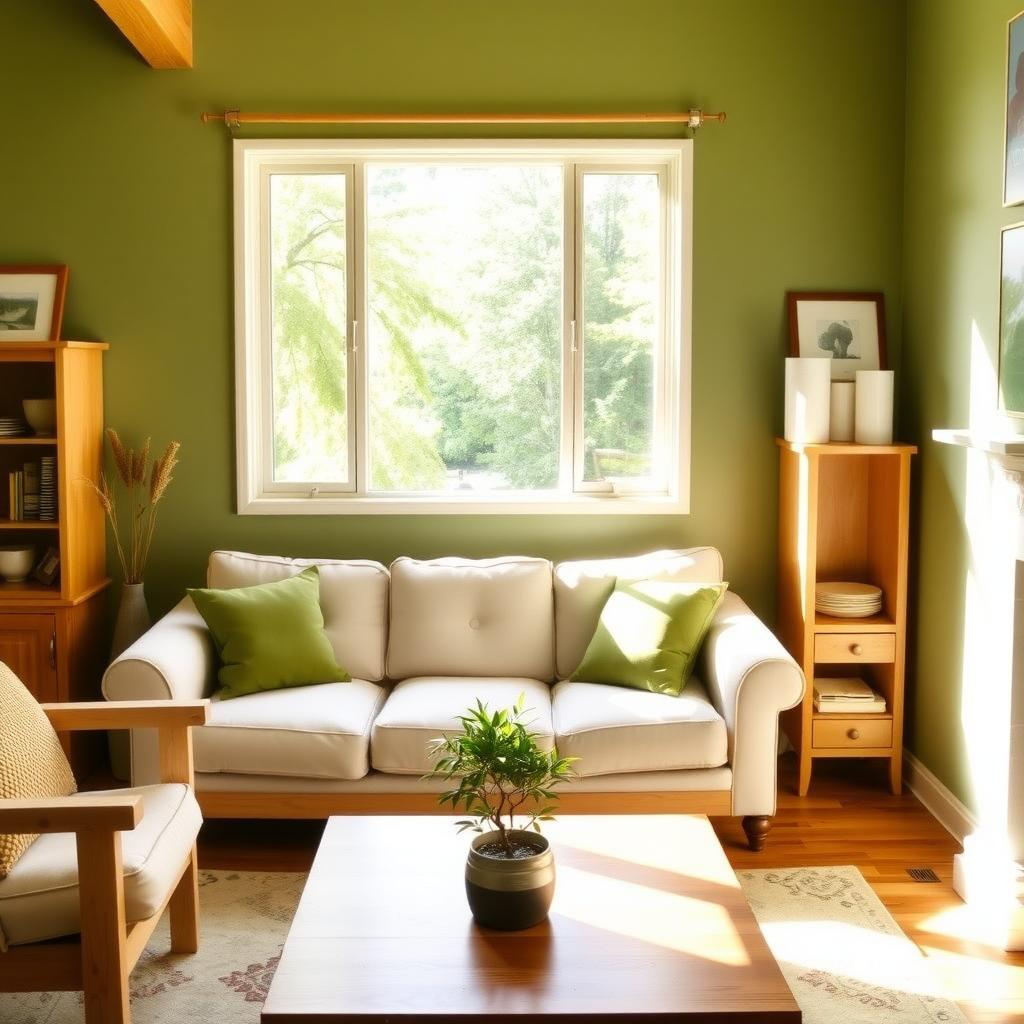
When I redecorated my apartment, I chose a pale green for the living room. The space felt instantly more inviting, like a breath of fresh air. Friends commented on how relaxed they felt visiting. That’s the power of color—it’s not just visual; it’s emotional. To use this in your home, think about the mood you want. A bedroom for rest? Try cool tones like blue or lavender. A creative workspace? Add pops of yellow or orange. Test samples on your walls first—lighting changes how colors appear.
Color Psychology: Using Light Colors in Small Spaces
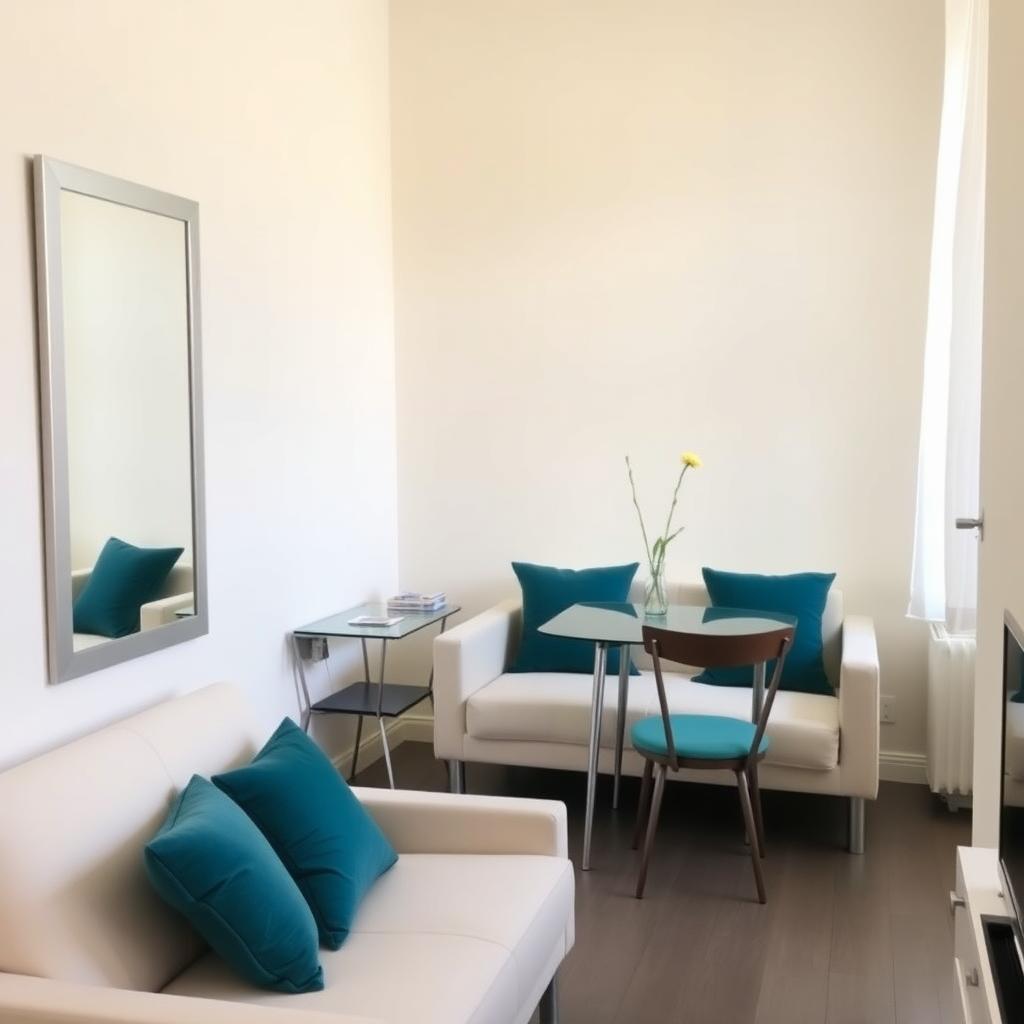
Small spaces can feel cramped, but the right colors make them airy and open. Color Psychology: Using Light Colors in Small Spaces is about creating the illusion of space. Light colors like white, cream, or pastel blue reflect light, making rooms feel larger. Dark colors absorb light, which can make a small room feel like a cave.
A study from the American Psychological Association notes that lighter hues reduce feelings of confinement. In my old studio apartment, I painted the walls a soft ivory and added mirrors to bounce light around. The room felt twice its size. Pair light walls with bright accents—like a sunny yellow throw or teal cushions—for personality without clutter. Avoid stark white; it can feel sterile. Instead, opt for warm off-whites or pale grays for depth.
| Color | Effect in Small Spaces | Best Use |
|---|---|---|
| White | Opens up space, reflects light | Walls, ceilings |
| Pastel Blue | Calming, airy | Bedrooms, bathrooms |
| Soft Gray | Modern, subtle depth | Living rooms, kitchens |
| Cream | Warm, inviting | Any small space |
When decorating, use glossy or semi-glossy paint finishes to reflect more light. Combine with light-colored furniture to enhance the effect. If you love bold colors, use them sparingly in accessories like rugs or artwork to avoid overwhelming the space.
Expanding Outdoors: Top 5 Ways to Maximize Small Outdoor Spaces
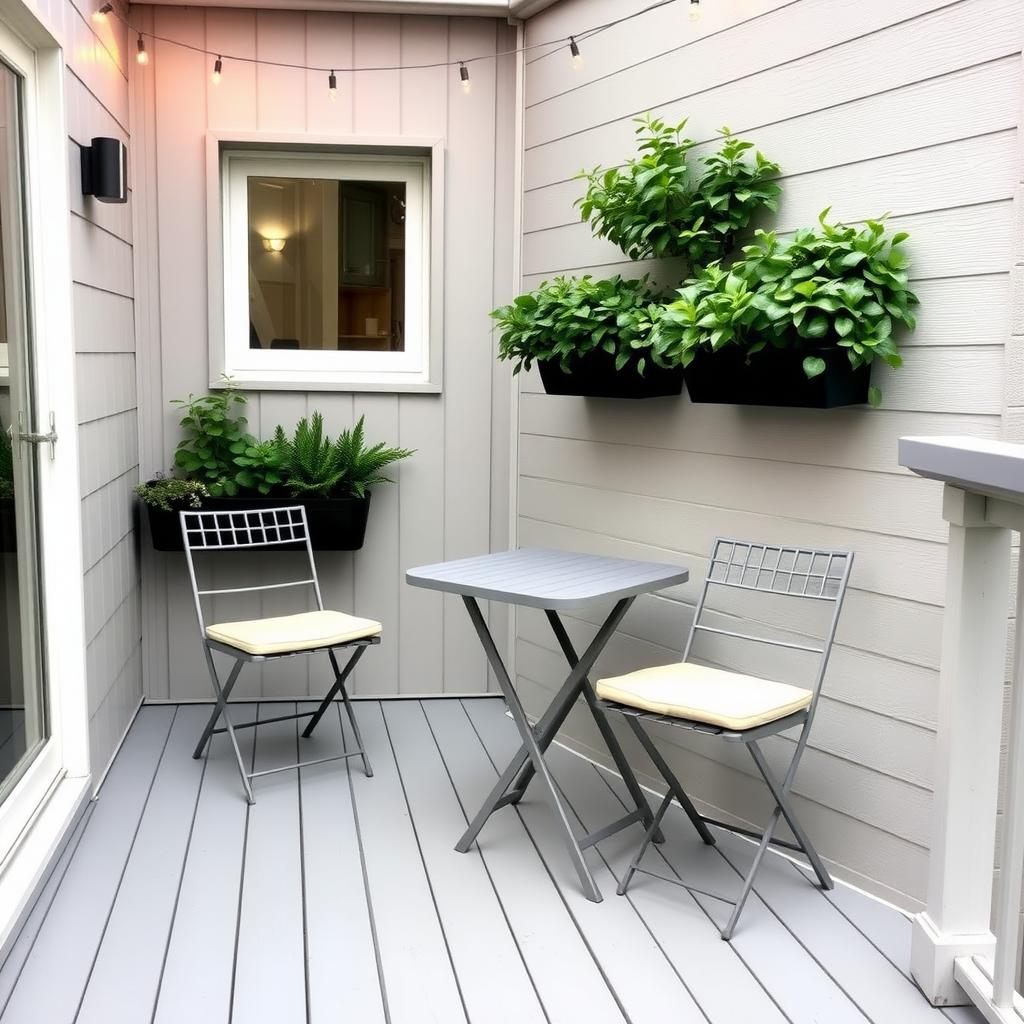
Outdoor spaces, even tiny ones, can become havens with thoughtful design. Here are the Top 5 Ways to Maximize Small Outdoor Spaces:
- Use Multifunctional Patio Furniture Pieces - Choose furniture that doubles as storage, like benches with hidden compartments or foldable tables. I found a collapsible bistro set that saved space on my tiny balcony while adding charm.
- Incorporate Vertical Gardens - Wall-mounted planters or trellises add greenery without eating floor space. They also bring calming green hues.
- Opt for Light Colors - Like indoor spaces, light-colored cushions, rugs, or decking make patios feel larger. Think creams or light grays.
- Add Mirrors or Reflective Surfaces - A small outdoor mirror creates depth, especially in courtyard spaces.
- Use String Lights for Ambiance - Soft lighting extends usability into evenings and adds warmth without bulky fixtures.
These strategies transform cramped patios into functional retreats. My balcony, once a neglected corner, now hosts brunches thanks to a foldable table and light-colored cushions.
Bringing It All Together
Understanding The Psychology of Color in Interior Design helps you craft spaces that feel right. Colors aren’t just aesthetics—they’re tools to shape mood and function. Light colors work wonders in small spaces, indoors or out, while thoughtful furniture choices maximize utility. Experiment with hues that resonate with you, but always test them in your lighting. Small changes, like a pastel wall or a multifunctional bench, can transform how you experience your home.
For deeper insights, check the recommended readings below to explore color theory and space optimization further.