









Featured Post
Furniture Care Tips for Long-Lasting Quality: Keep Your Pieces Pristine
Overview
Your furniture is more than just decor—it’s an investment in comfort and style. Proper care can extend the life of your bed, sofa, or dining table, saving you money and keeping your home looking great. These furniture care tips for long-lasting quality will help you protect your pieces with minimal effort.
Why Furniture Care Matters
I’ve always loved the feeling of a well-kept home. There’s something special about a sturdy bed frame or a polished dining table that tells a story of care. Furniture faces daily wear—spills, scratches, or sunlight fading—so regular maintenance is key. By following simple furniture care tips for long-lasting quality, you can prevent damage and keep your pieces looking new.
Neglecting furniture can lead to costly repairs or replacements. For example, a wooden bed frame left in direct sunlight might warp, while an upholstered sofa could fade or stain without proper cleaning. According to the American Home Furnishings Alliance, well-maintained furniture can last 15-20 years or more, making care a worthwhile habit.
General Furniture Care Tips
No matter the material—wood, metal, or upholstery—some universal rules apply to all furniture care. These habits will keep your pieces in top shape:
- Dust Regularly: Dust builds up fast and can scratch surfaces. Use a microfiber cloth weekly to gently wipe down your bed, tables, and shelves.
- Avoid Direct Sunlight: UV rays fade wood and fabrics. Position your furniture away from windows or use curtains to protect it.
- Use Coasters and Mats: Spills and heat can damage surfaces. Always use coasters for drinks and mats for hot dishes.
- Rotate Cushions: For sofas and beds with cushions, rotate them monthly to ensure even wear.
These small actions make a big difference. I learned this the hard way when my favorite oak coffee table got a water ring from a forgotten glass. A quick fix with a vinegar solution saved it, but coasters are now a must in my house!
Caring for Wooden Furniture
Wooden furniture, like a solid oak bed or a cherry dining table, needs special attention to maintain its beauty. Here’s how to care for it:
| Task | Frequency | Tips |
|---|---|---|
| Dusting | Weekly | Use a slightly damp microfiber cloth, then dry immediately to avoid water marks. |
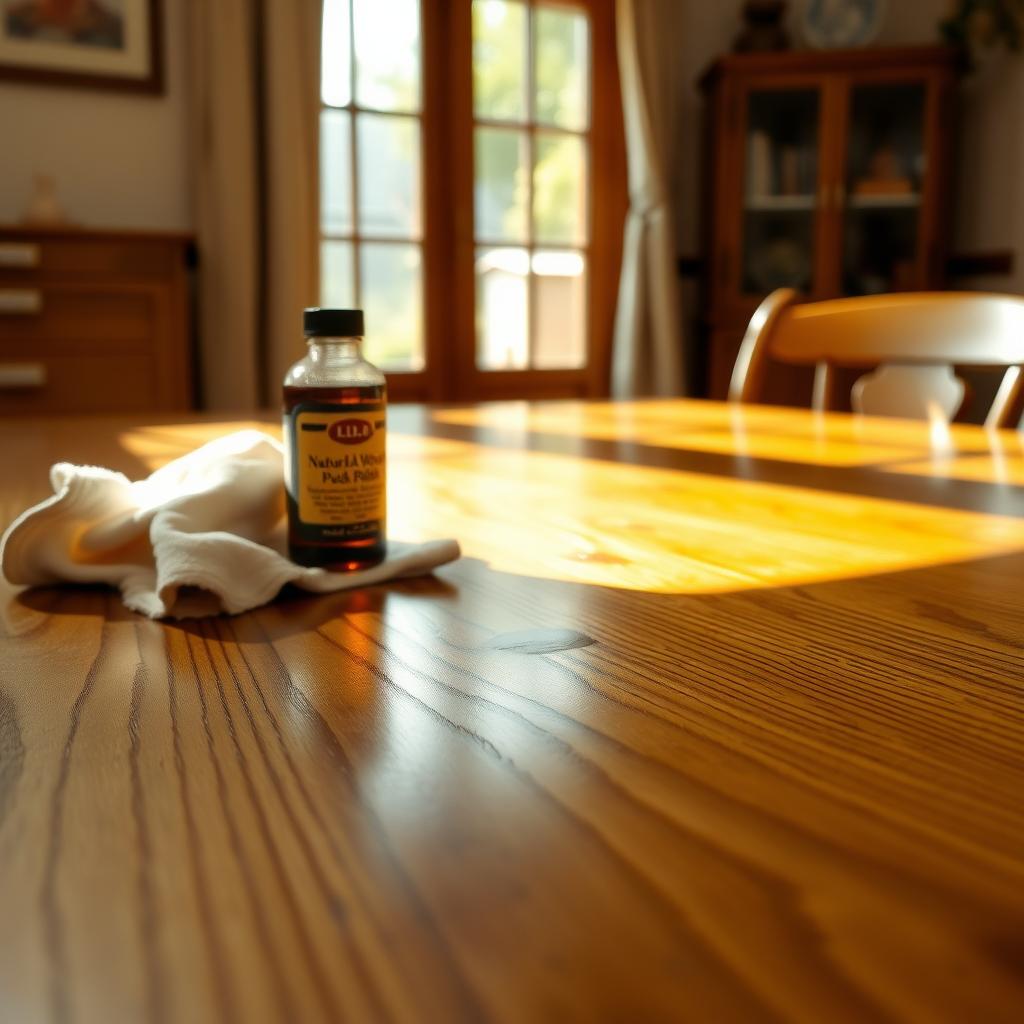
| Polishing | Every 2-3 months | Use a natural, beeswax-based polish. Avoid silicone-based products—they can build up and attract dirt. |
| Cleaning Spills | Immediately | Blot (don’t rub) with a soft cloth. Use a mild soap solution for sticky spots. |
I’ve found that polishing my wooden bed frame every few months keeps it gleaming. Be sure to test any polish on a small, hidden area first to avoid surprises. For scratches, a walnut rubbed gently over the mark can work wonders—its natural oils blend into the wood.
Upholstered Furniture Maintenance
Upholstered pieces, like sofas or bed headboards, are prone to stains and wear. Here’s how to keep them fresh:
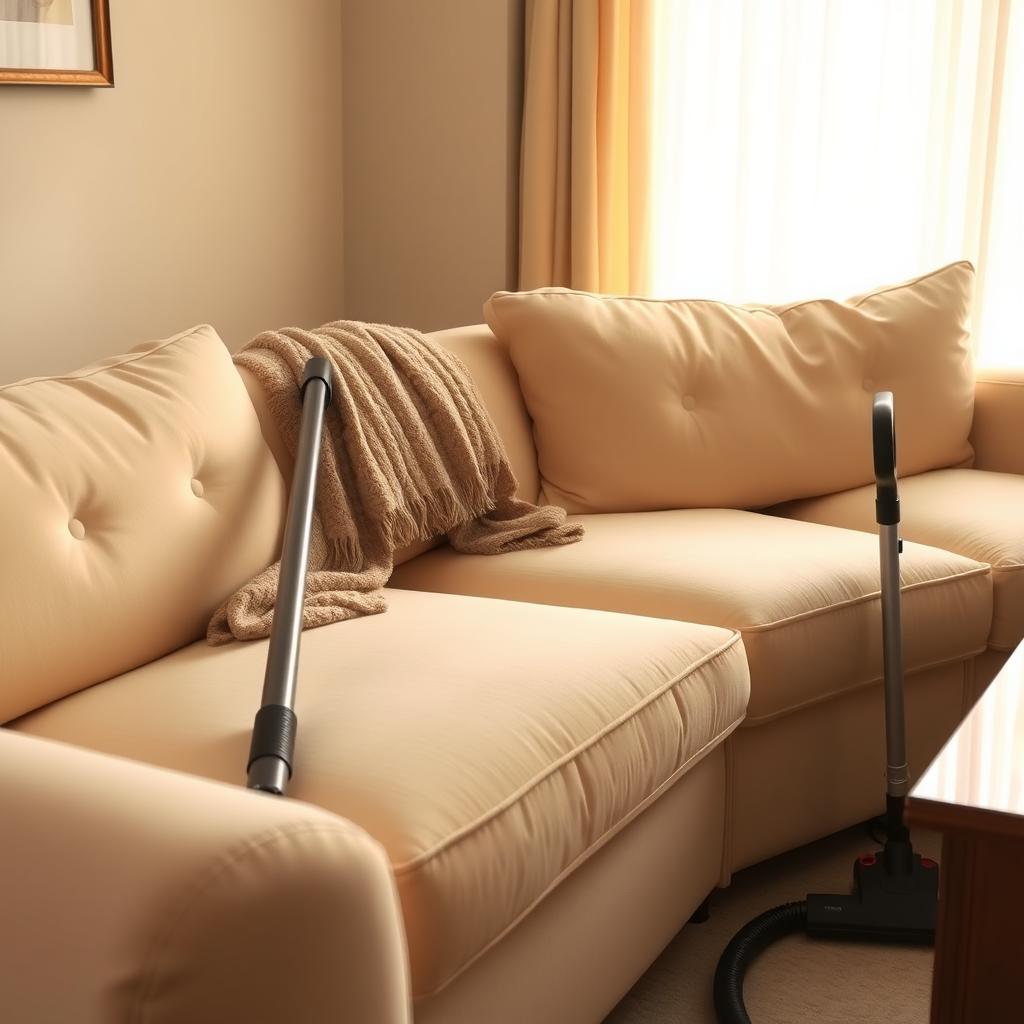
- Vacuum Weekly: Use a brush attachment to remove dust and crumbs from fabric surfaces.
- Spot-Clean Stains: Blot spills immediately with a clean cloth. For tough stains, use a mix of water and mild detergent, but check the fabric’s care label first.
- Professional Cleaning: Consider a professional cleaning every 1-2 years for deep stains or odors.
My linen sofa was a magnet for pet hair until I started vacuuming it weekly. If your bed has a fabric headboard, the same rules apply—regular vacuuming prevents dust buildup. For delicate fabrics like silk, always consult a professional.
Caring for Metal and Glass Furniture
Metal bed frames or glass-top tables add a modern touch but need specific care:
- Metal: Wipe with a damp cloth and dry thoroughly to prevent rust. For stainless steel, a vinegar solution can remove smudges. Avoid abrasive cleaners—they scratch the finish.
- Glass: Use a glass cleaner or a mix of vinegar and water. Wipe with a lint-free cloth for a streak-free shine.
I once had a metal bed frame that started to rust in a humid room. A quick wipe with a vinegar-soaked cloth stopped it in its tracks. For glass tables, I swear by microfiber cloths—they leave no streaks.
Seasonal and Long-Term Care
Furniture care isn’t just about daily habits—it’s also about seasonal maintenance:
- Humidifiers in Winter: Dry air can crack wood. A humidifier keeps moisture levels stable.
- Check Joints and Screws: Every 6 months, tighten loose screws on beds or chairs to maintain stability.
- Reapply Protective Coatings: For outdoor furniture, reapply sealant yearly to protect against weather.
Last winter, my wooden dining table started to creak from dry air. A small humidifier in the room fixed it within days. These small checks can prevent big problems.

Common Mistakes to Avoid
Even with the best intentions, it’s easy to make mistakes. Here are some pitfalls to watch out for:
- Overloading Shelves: Heavy items can strain furniture joints. Stick to weight limits.
- Using Harsh Cleaners: Bleach or ammonia can ruin finishes. Always use gentle, furniture-safe products.
- Ignoring Manufacturer Guidelines: Check care labels or manuals for specific instructions.
I once used a generic cleaner on a lacquered table, and it dulled the finish. Now, I always double-check product labels. Websites like the Furniture Care Guide by Bob Vila offer great advice for avoiding these errors.
Summary
Caring for your furniture doesn’t have to be hard. With these furniture care tips for long-lasting quality, you can keep your bed, sofa, and tables looking great for years. Regular dusting, proper cleaning, and seasonal checks will protect your investment and maintain your home’s charm. Start small, stay consistent, and your furniture will thank you.