








Featured Post
Futon Care and Maintenance Tips for Long-Lasting Comfort
Overview
Futons are versatile pieces of furniture that blend style, comfort, and functionality. Whether used as a sofa, bed, or both, proper futon care and maintenance tips can extend their lifespan and keep them looking fresh. This guide shares practical advice to help you protect your investment and enjoy your futon for years.
Why Futon Care Matters
Futons are unique because they serve dual purposes in many homes. They’re often found in small apartments, guest rooms, or cozy living spaces where flexibility is key. However, their frequent use as both seating and sleeping surfaces means they endure more wear than typical furniture. Without proper care, futons can sag, stain, or lose their appeal.
I’ve had a futon in my home for over a decade, and with consistent care, it still looks and feels great. The key is understanding how to clean, protect, and maintain it. Let’s dive into actionable futon care and maintenance tips to keep your furniture in top shape.
Regular Cleaning: The Foundation of Futon Care
Cleaning your futon regularly is the first step to maintaining its appearance and hygiene. Dust, pet hair, and spills can accumulate quickly, especially if your futon is in a high-traffic area.
Vacuuming
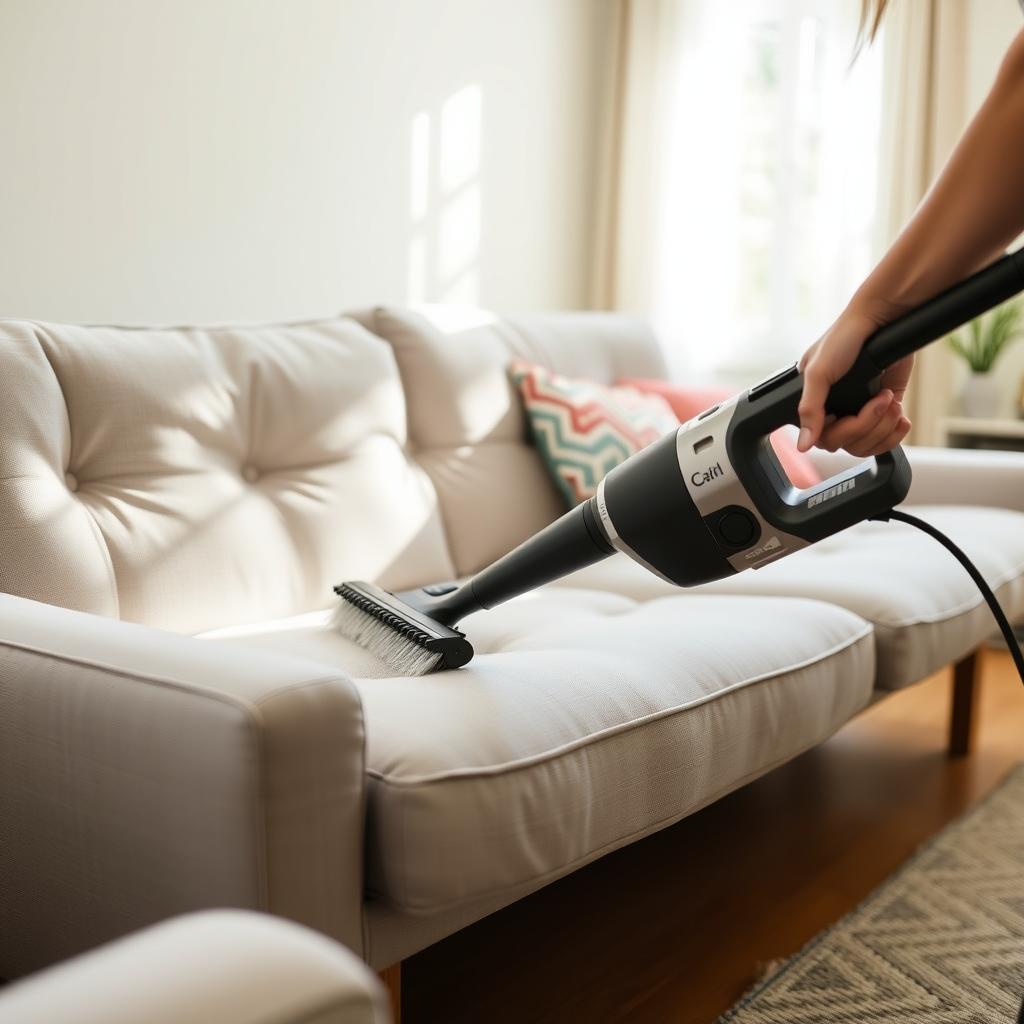
Vacuum your futon at least once a month. Use a brush attachment to gently remove dust and debris from the surface. Pay extra attention to seams and crevices where dirt tends to hide. If you have pets, like my cat who loves napping on my futon, a lint roller can be a lifesaver for quick hair removal.
Spot Cleaning
Spills happen, but quick action can prevent stains. Blot (don’t rub!) spills with a clean, dry cloth to absorb as much liquid as possible. For tougher stains, mix a small amount of mild detergent with water and dab the area with a soft cloth. Always test your cleaning solution on a hidden spot first to avoid discoloration.
Deep Cleaning
Every six months, give your futon a deeper clean. If the cover is removable, check the care label. Many futon covers are machine-washable, but use cold water and a gentle cycle to prevent shrinking. For non-removable covers, consider a professional upholstery cleaning service to refresh the fabric.
Protecting Your Futon from Wear and Tear
Prevention is just as important as cleaning when it comes to futon care and maintenance tips. Simple habits can shield your furniture from damage and extend its life.
Use a Futon Cover
A high-quality futon cover acts as a protective barrier against spills, pet hair, and UV fading. I learned this the hard way when a coffee spill left a stubborn mark on my first futon. Now, I use a washable cover that’s easy to swap out for a fresh look. Choose a cover that’s durable and fits snugly to avoid slipping.
Rotate and Flip
If your futon is used as a bed, rotate and flip the mattress every few months to distribute wear evenly. This prevents sagging and keeps the surface comfortable. For sofa-style futons, fluff cushions regularly to maintain their shape.
Avoid Direct Sunlight
Prolonged exposure to sunlight can fade your futon’s fabric or leather. Position your futon away from windows or use curtains to block UV rays. When I rearranged my living room, moving my futon out of direct sunlight made a noticeable difference in preserving its vibrant color.
Storage Tips for Futons
If you need to store your futon, whether for a move or seasonal use, proper storage is critical to avoid damage.
Clean Before Storing
Always clean your futon thoroughly before storing it. Dust or moisture left on the surface can lead to mold or mildew. I once stored a futon without cleaning it first, and the faint musty smell afterward was a lesson I won’t forget.
Use a Breathable Cover
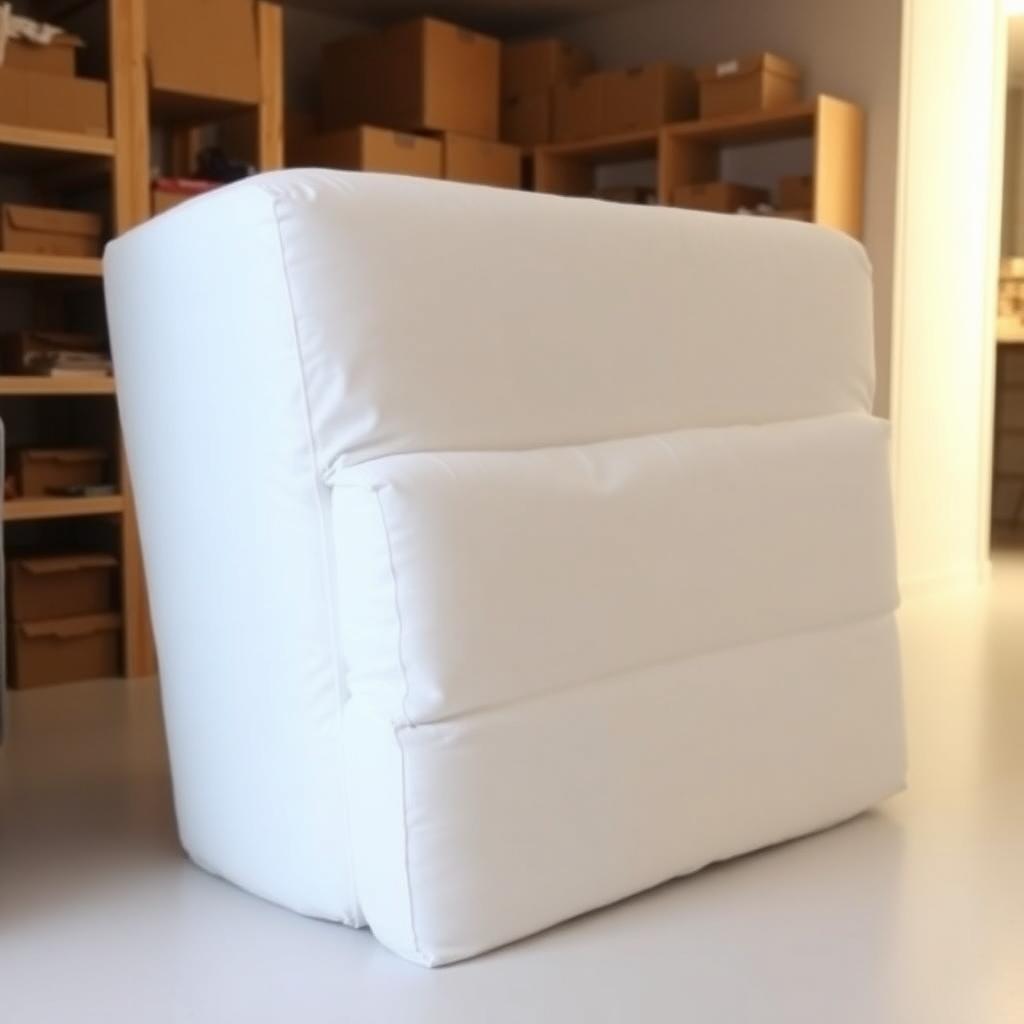
Wrap your futon in a breathable cover, like a cotton sheet, to protect it from dust while allowing air circulation. Avoid plastic covers, as they can trap moisture and encourage mold growth.
Store in a Dry Place
Choose a cool, dry storage area to prevent damage. Basements or garages can be too humid, so opt for a climate-controlled space if possible. Elevate the futon off the floor to avoid moisture buildup.
| Storage Do’s | Storage Don’ts |
|---|---|
| Clean thoroughly | Store dirty |
| Use breathable covers | Use plastic wraps |
| Store in dry areas | Place in damp spaces |
| Elevate off floor | Stack heavy items on top |
Maintaining Futon Frames
The frame is the backbone of your futon, and keeping it in good condition is essential for functionality. Whether your frame is wood, metal, or a combination, regular maintenance prevents wear and ensures smooth operation.
Tighten Bolts and Screws
Over time, the bolts and screws on your futon frame may loosen, especially if you frequently switch between sofa and bed modes. Check and tighten them every six months. A simple screwdriver or wrench can do the trick. I make this part of my spring cleaning routine to keep my futon sturdy.
Lubricate Moving Parts
If your futon has a convertible mechanism, apply a silicone-based lubricant to hinges or sliders to keep them moving smoothly. Avoid oil-based lubricants, as they can attract dust and grime.
Protect Wooden Frames
For wooden frames, dust regularly and polish with a wood-safe product every few months to maintain shine and prevent drying. If your frame has scratches, a touch-up marker in a matching color can work wonders. My oak futon frame still looks polished thanks to this trick.
Seasonal Maintenance Tips
Different seasons can affect your futon’s condition, so adjust your care routine accordingly.
Winter
Cold, dry air can cause wooden frames to crack or fabric to become brittle. Use a humidifier to maintain indoor humidity levels between 40-60%. This keeps both the frame and mattress in good condition.
Summer
High humidity can lead to mold or mildew, especially in fabric futons. Ensure good ventilation in the room and consider using a dehumidifier in humid climates. I noticed my futon felt fresher after adding a small fan to improve airflow in my living room.
Year-Round
Check for signs of wear, like fraying fabric or creaking frames, and address issues promptly. Small repairs now can prevent bigger problems later.

Common Futon Care Mistakes to Avoid
Even with the best intentions, it’s easy to make mistakes that can harm your futon. Here are a few to watch out for:
- Overloading the Futon: Avoid piling heavy items or allowing multiple people to sit on it at once, as this can strain the frame and mattress.
- Using Harsh Cleaners: Bleach or ammonia-based cleaners can damage fabric or leather. Stick to mild solutions.
- Ignoring Small Issues: A loose screw or small tear can worsen over time. Fix problems early to save hassle.
By avoiding these pitfalls, you’ll keep your futon in great shape for years.
Summary
Proper futon care and maintenance tips can transform your furniture from a short-term solution to a long-lasting investment. Regular cleaning, protective measures, and seasonal adjustments keep your futon comfortable and stylish. With these practical steps, you can enjoy your futon’s versatility without worrying about premature wear.