







Featured Post
How to Care for Your Outdoor Furniture: A Comprehensive Guide
Overview: Keeping Your Outdoor Furniture in Top Shape
Outdoor furniture transforms your patio into a cozy retreat, but it faces tough conditions like sun, rain, and dirt. Knowing how to care for your outdoor furniture ensures it stays beautiful and functional for years. This guide shares practical tips, personal insights, and expert advice to help you maintain your patio pieces.
Why Outdoor Furniture Needs Special Care
Outdoor furniture lives in a harsh environment. Sunlight fades colors, rain causes rust or mold, and wind-blown debris scratches surfaces. I learned this the hard way when my first patio set—a cheap metal table and chairs—rusted after one rainy season. Proper care extends the life of your investment and keeps your outdoor space inviting.
Regular maintenance also saves money. Replacing faded cushions or warped wood is expensive. By cleaning, protecting, and storing your patio furniture properly, you avoid costly replacements. Plus, well-maintained furniture looks better, making your backyard feel like an extension of your home.
Choosing the Right Furniture for Your Climate
Before diving into care tips, let’s talk about how to choose weather-resistant patio furniture. The material matters. Here’s a quick breakdown of popular options:
| Material | Pros | Cons |
|---|---|---|
| Teak | Naturally weather-resistant, durable | Expensive, requires occasional oiling |
| Aluminum | Lightweight, rust-resistant | Can dent or fade |
| Wicker | Stylish, comfortable | Needs regular cleaning to prevent mold |
| Plastic | Affordable, easy to clean | Can crack or fade in sun |
I live in a humid area, so I opted for teak after my metal set disaster. It’s held up beautifully, but I still wish I’d known about multifunctional patio furniture pieces back then. For example, a storage bench that doubles as seating saves space and protects cushions from rain. Consider your climate and lifestyle when choosing. If you’re in a windy area, heavier materials like wrought iron might be better. For sunny regions, look for UV-resistant fabrics.
Tip: Check product labels for UV protection or water resistance. Brands like Polywood offer durable, eco-friendly options that withstand harsh weather.
Cleaning Your Outdoor Furniture
Regular cleaning keeps your furniture looking fresh. Here’s how to clean common materials:
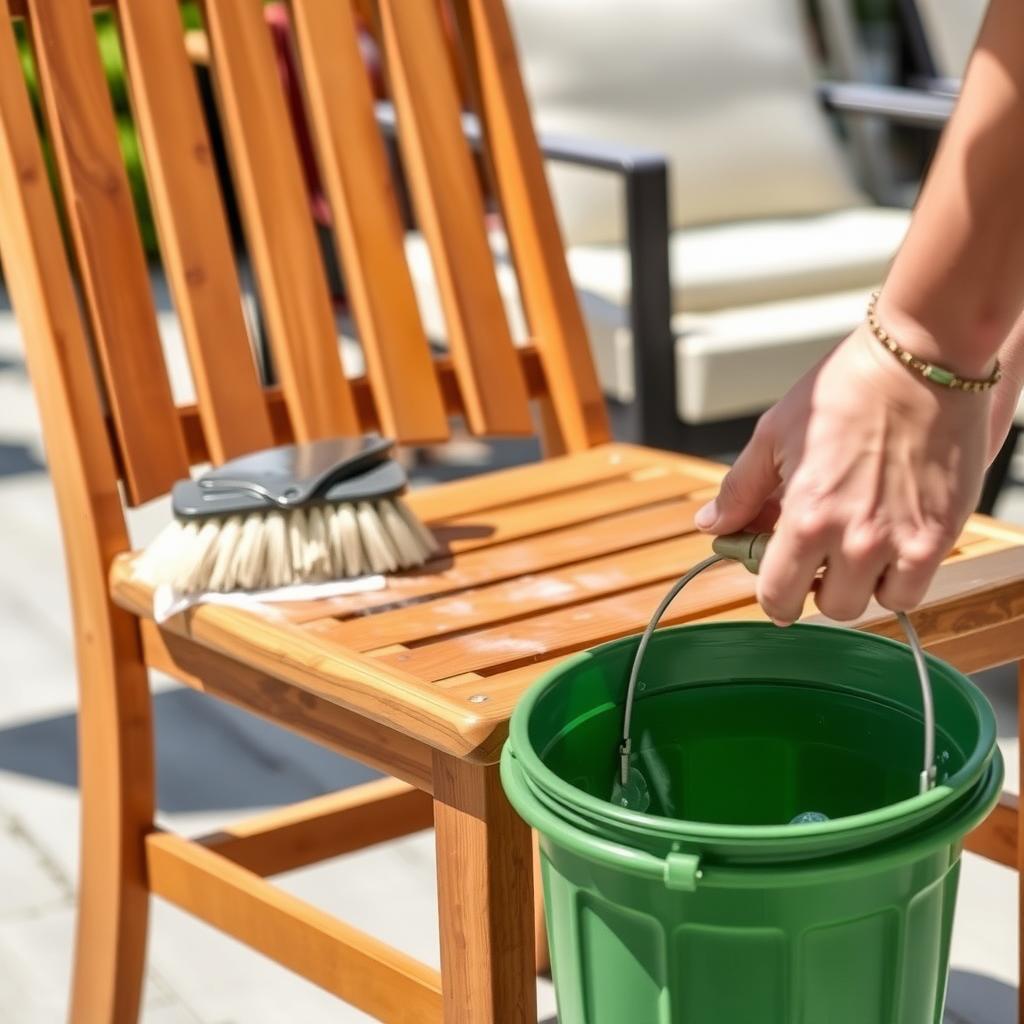
- Wood: Use a mild soap and water solution. Scrub gently with a soft brush, then rinse. For teak, I use a solution of one part vinegar to four parts water to remove mildew. Avoid pressure washers—they can damage the wood grain.
- Metal: Wipe with soapy water and a cloth. For rust spots, use a wire brush and apply a rust-resistant primer. My old aluminum chairs stayed shiny with weekly wipes.
- Wicker: Vacuum loose debris, then wash with soapy water. Dry thoroughly to prevent mold.
- Cushions: Remove covers and machine-wash if the label allows. For non-removable cushions, spot-clean with a fabric cleaner.
Clean at least twice a season—spring and fall. After a big storm, give your furniture a quick wipe to prevent dirt buildup. Always dry thoroughly to avoid mold or rust.
Protecting Your Furniture from the Elements
Protection is key to longevity. Here are my go-to strategies:
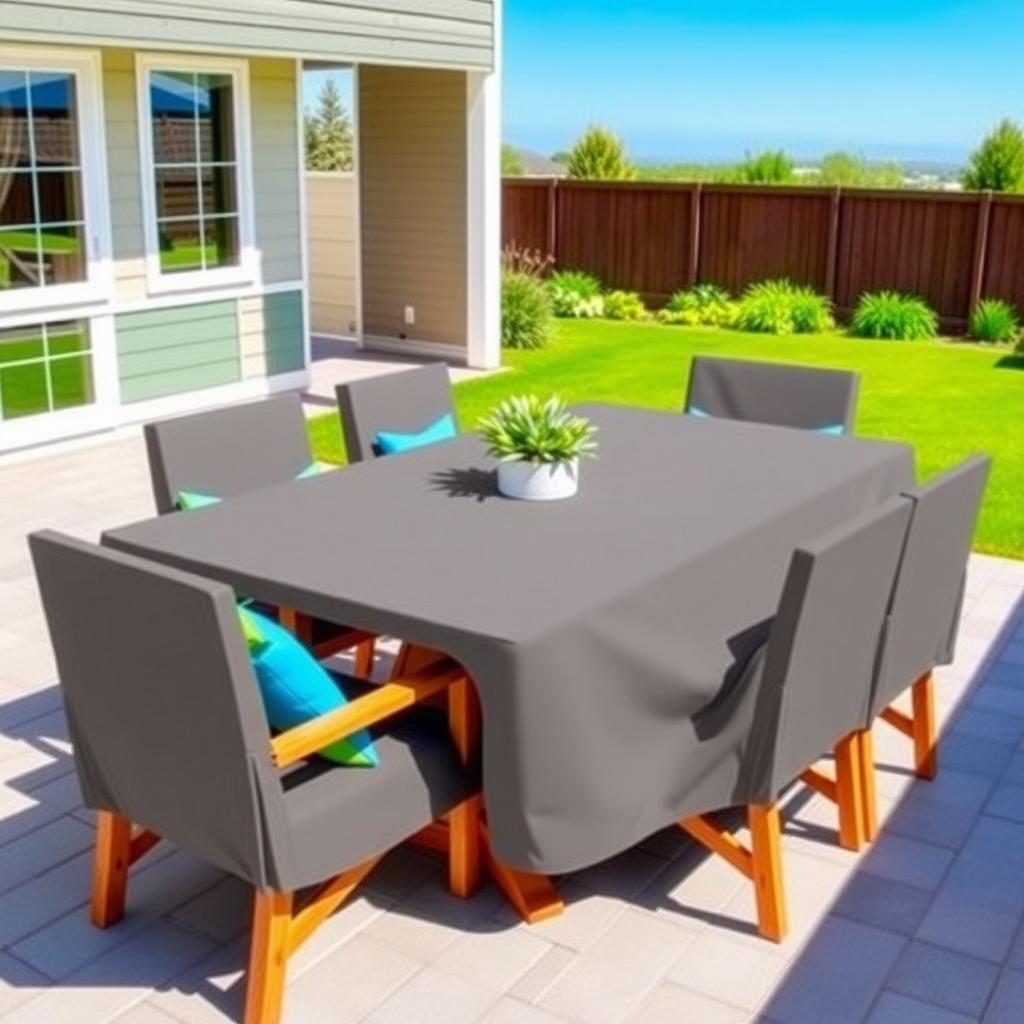
- Covers: Invest in high-quality, waterproof covers. I bought cheap ones initially, and they tore after one winter. Look for UV-resistant, breathable covers to prevent mold. Secure them tightly to withstand wind.
- Sealants: For wood, apply a sealant annually. I use a teak sealant to maintain the wood’s rich color. Metal furniture benefits from a clear coat to prevent rust.
- Storage: If possible, store furniture indoors during off-seasons. My garage houses my chairs in winter, but if space is tight, stackable or multifunctional patio furniture pieces like foldable tables save room.
Pro Tip: Elevate furniture legs with risers to prevent water pooling underneath during rain. This saved my wicker sofa from water damage last year.
Repairing and Maintaining Your Furniture
Small repairs can prevent big problems. Check for loose screws or wobbly legs monthly. Tighten them with a screwdriver or wrench. For wood, sand rough spots and reapply sealant. I once ignored a splintered table edge, and it worsened until I had to replace the whole piece.
Cushions need attention too. If they’re faded, consider reupholstering or buying new covers. For metal furniture, touch up scratches with matching paint to prevent rust. Regular maintenance feels like a chore, but it’s easier than replacing damaged pieces.

Seasonal Care Tips
Each season brings unique challenges:
- Spring: Clean thoroughly and inspect for winter damage. Apply sealants before heavy use.
- Summer: Use UV-protectant sprays on cushions to prevent fading. Move furniture to shaded areas during heatwaves.
- Fall: Remove leaves and debris to prevent staining. Cover or store furniture before cold weather hits.
- Winter: Store indoors or use heavy-duty covers. Avoid leaving furniture in snow or ice.
I learned to check weather forecasts and cover my furniture before storms. It’s a small step that saves hours of cleaning later.
Eco-Friendly Care Practices
Sustainability matters. Use eco-friendly cleaners like vinegar or biodegradable soaps. Brands like Seventh Generation offer great options. When replacing furniture, choose sustainable materials like recycled plastic or responsibly sourced wood. Donating old but usable furniture to local charities is another way to reduce waste.
I started using a rainwater collection system to wash my patio set—it’s free and reduces my water bill. Small changes make a big difference.
Summary: Long-Lasting Patio Perfection
Caring for your outdoor furniture doesn’t have to be overwhelming. Choose weather-resistant materials, clean regularly, protect with covers and sealants, and make small repairs as needed. With these steps, your patio will stay inviting for years. Whether you’re sipping coffee on a sunny morning or hosting a barbecue, well-maintained furniture elevates the experience.