






Featured Post
How to Build a Budget-Friendly Outdoor Living Space
Creating an inviting outdoor living space doesn’t have to drain your wallet. With some smart planning, affordable materials, and a bit of creativity, you can transform your backyard or patio into a cozy retreat. This guide will walk you through How to Build a Budget-Friendly Outdoor Living Space that’s both functional and stylish, while also sharing tips on maintaining and choosing furniture to keep costs low and durability high.
Why Build an Outdoor Living Space?
An outdoor living space extends your home, offering a spot for relaxation, entertaining, or even working. According to a study by the National Association of Home Builders, outdoor spaces add significant value to homes, with 80% of buyers prioritizing patios or decks. But you don’t need a big budget to make it happen. By focusing on affordable materials, DIY projects, and multifunctional furniture, you can create a space that feels luxurious without overspending.
Step 1: Plan Your Space
Start by assessing your outdoor area. Measure your patio, deck, or yard to understand what furniture and features will fit. Ask yourself: How will you use the space? Is it for dining, lounging, or both? Sketch a simple layout to visualize seating areas, walkways, and focal points like a fire pit or garden. Planning prevents overspending on items that don’t fit or suit your needs.
Step 2: Choose Affordable, Weather-Resistant Furniture
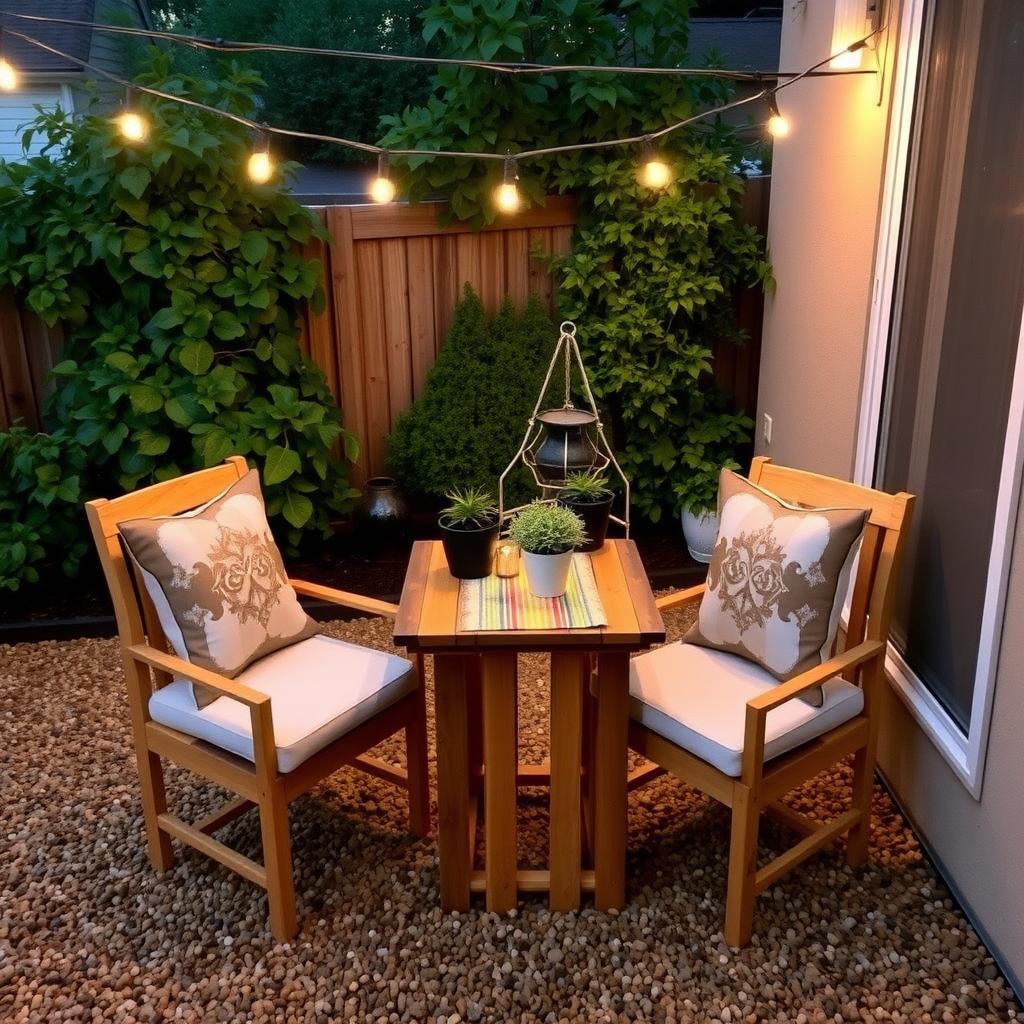
Furniture is the backbone of your outdoor space, but it can get pricey. To stay budget-friendly, focus on 10 Tips for Choosing Weather-Resistant Outdoor Furniture: 1. Opt for durable materials like aluminum, teak, or resin wicker, which resist weather damage. 2. Check for UV resistance to prevent fading. 3. Look for lightweight pieces for easy rearranging. 4. Prioritize comfort with cushions made of quick-dry foam. 5. Shop secondhand at thrift stores or online marketplaces. 6. Choose stackable chairs to save space. 7. Invest in covers to extend furniture life. 8. Avoid trendy designs that may go out of style quickly. 9. Test for stability to ensure safety in windy conditions. 10. Select neutral colors for versatility and timeless appeal.
For budget shoppers, consider multifunctional patio furniture pieces. A bench with built-in storage can hold cushions or gardening tools, while a foldable table doubles as a dining and work surface. Retailers like IKEA offer affordable options, such as their ÄPPLARÖ series, which combines durability with modular designs. According to Penn State Extension, choosing weather-resistant materials like treated wood or metal can reduce maintenance costs over time.
Step 3: DIY Fixes for Worn-Out Outdoor Furniture
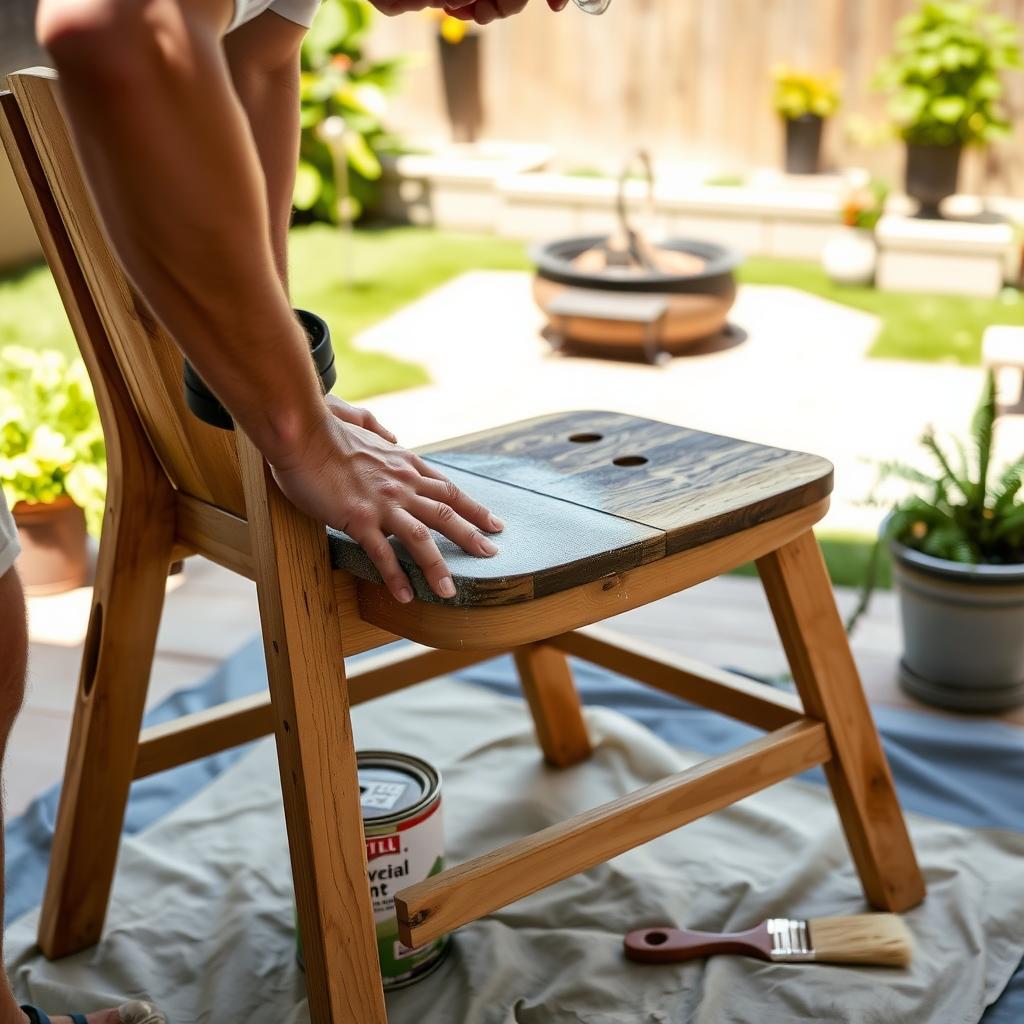
Before replacing old furniture, try DIY Fixes for Worn-Out Outdoor Furniture to save money. Sand and repaint faded wooden tables with outdoor-grade paint for a fresh look. Replace worn cushions with fabric from discount stores, sewing new covers yourself. For metal furniture, scrub rust with a wire brush and apply a rust-resistant primer. These fixes can extend furniture life by years, keeping your budget intact.
Step 4: Add Budget-Friendly Features
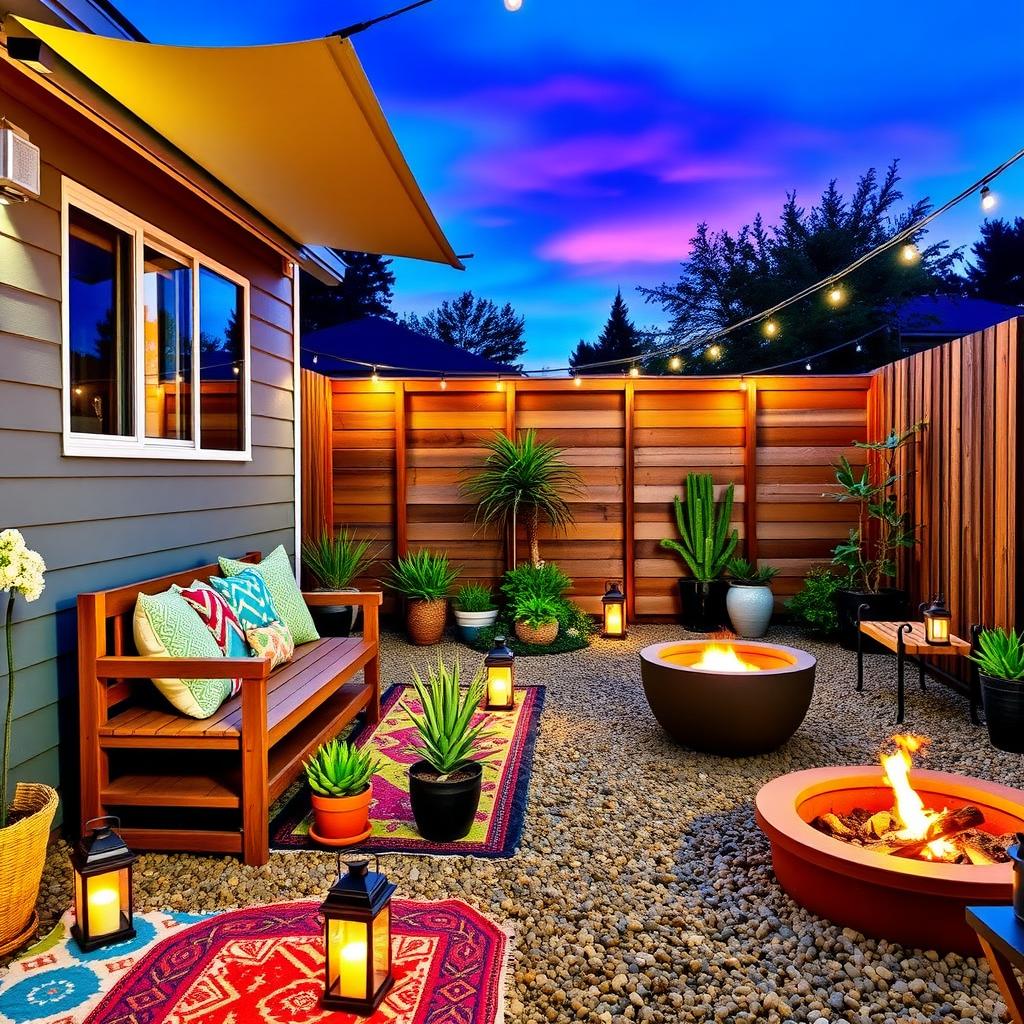
Enhance your space with affordable additions. Build a fire pit using concrete blocks or bricks, which cost under $50 at hardware stores. Create a vertical garden with recycled pallets or mason jars for a pop of greenery. String lights, available for as little as $10, add ambiance. Repurpose items like old crates as side tables or planters. These small touches make your space feel personal without a hefty price tag.
Step 5: Focus on Low-Cost Flooring and Shade
Flooring sets the tone for your outdoor space. Instead of expensive tiles, use gravel, mulch, or DIY concrete pavers, which cost $1–$3 per square foot. For shade, install a retractable awning or a large umbrella, both available for under $100 online. These options provide comfort and protect furniture from sun and rain, reducing wear.
Step 6: How to Clean and Maintain Outdoor Furniture
To keep your investment looking great, follow these steps for How to Clean and Maintain Outdoor Furniture: - Wood: Clean with a mild soap solution and a soft brush. Apply a sealant yearly to prevent cracking. - Metal: Wipe with a damp cloth and dry thoroughly to avoid rust. Use a rust inhibitor for extra protection. - Wicker: Vacuum loose debris and wash with soapy water. Avoid soaking to prevent mold. - Cushions: Spot-clean with a vinegar-water mix and store indoors during heavy rain. Regular maintenance, as advised by Consumer Reports, can double the lifespan of outdoor furniture.
Step 7: Incorporate Plants and Lighting
Plants add life to your space without costing much. Use pots or raised garden beds to grow herbs, flowers, or succulents. Solar-powered lights are an eco-friendly, budget-conscious choice, eliminating wiring costs. Place them along pathways or around seating areas for safety and charm.
Step 8: Shop Smart and Compare Prices
Hunt for deals at end-of-season sales, typically in late summer. Check discount stores, garage sales, or online platforms like Craigslist for gently used furniture. Compare prices across retailers to ensure you’re getting the best value. For example, a basic patio set can cost $100–$300, but sales can drop prices by 20–50%.
Common Mistakes to Avoid
Don’t skip quality for price—cheap furniture may need replacing sooner. Avoid overcrowding your space, which can make it feel cramped. Finally, don’t neglect maintenance; unprotected furniture will degrade faster, costing more in the long run.
Final Thoughts
Building a budget-friendly outdoor living space is about creativity, smart choices, and maintenance. By planning carefully, choosing durable, multifunctional furniture, and adding personal touches, you can create a welcoming retreat without overspending. Regular upkeep and DIY fixes will keep your space looking fresh for years. Start small, experiment with ideas, and enjoy your new outdoor oasis!