


Featured Post
Furniture Arrangement Tips for Maximizing Space in Any Room
Overview
Small spaces can feel cozy, but they can also feel cramped if not arranged thoughtfully. Whether you're in a tiny apartment or a spacious home, furniture arrangement tips for maximizing space can transform your living area. This guide shares practical ideas to make any room feel bigger, more functional, and inviting using smart furniture choices like chairs and multifunctional pieces.
Why Furniture Arrangement Matters
The way you arrange furniture can make or break a room’s vibe. A poorly laid-out space feels cluttered, while a well-planned one feels open and welcoming. I’ve moved into several small apartments over the years, and each time, I’ve had to get creative with furniture placement. It’s not just about fitting everything in—it’s about creating flow, functionality, and comfort.
Maximizing space isn’t only for small homes. Even larger rooms benefit from strategic furniture arrangement to avoid wasted areas or awkward layouts. By focusing on furniture arrangement tips for maximizing space, you can make every square foot count.
Start with a Plan
Before moving a single chair, sketch out your room. Measure the space, including doorways, windows, and outlets. A simple floor plan helps you visualize where furniture will fit best. I once tried arranging a living room without measuring, and I ended up blocking a doorway—lesson learned!
Use graph paper or a free online tool like RoomSketcher to map your layout. Note key elements like traffic paths and focal points (like a TV or fireplace). Planning ahead saves time and prevents heavy lifting later.
Choose Multifunctional Furniture
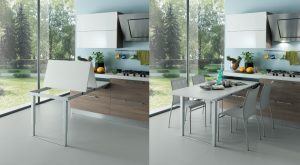
In small spaces, every piece of furniture needs to earn its keep. Opt for items that serve multiple purposes. For example, a storage ottoman can act as a footrest, extra seating, or a place to stash blankets. I’ve used a foldable dining table in my kitchen that doubles as a workspace—perfect for tight spaces.
Consider these multifunctional furniture ideas: - Sofa beds: Great for guests in a small apartment. - Nesting tables: Stack them when not in use to save space. - Lift-top coffee tables: Hide clutter and provide a work surface.
When choosing chairs, look for stackable or foldable options. I’ve found lightweight chairs easy to move when I need to rearrange for guests.
Create Zones for Functionality
Dividing a room into zones makes it feel organized and spacious. In my last apartment, I used a bookshelf to separate my living and dining areas. It didn’t block light but gave each space a clear purpose. Use rugs, furniture, or even curtains to define zones without walls.
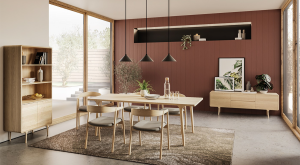
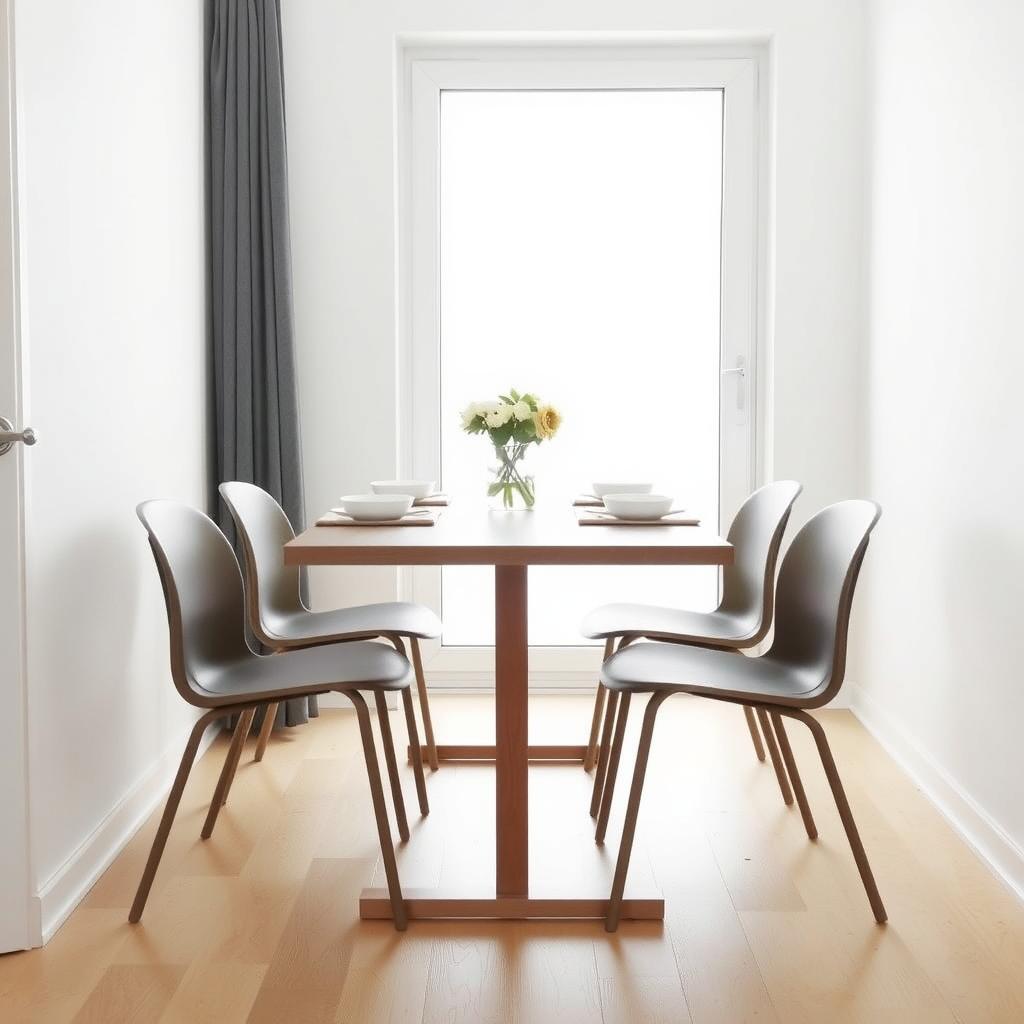
For example: - Living zone: Place a sofa and chair around a coffee table for conversation. - Work zone: Tuck a small desk and chair near a window for natural light. - Dining zone: Use a narrow table with slim chairs to save space.
Prioritize Traffic Flow
Nobody wants to zigzag around furniture to cross a room. Keep pathways clear—at least 2-3 feet wide for main walkways. In my current home, I made sure the path from the living room to the kitchen was unobstructed, which makes the space feel bigger.
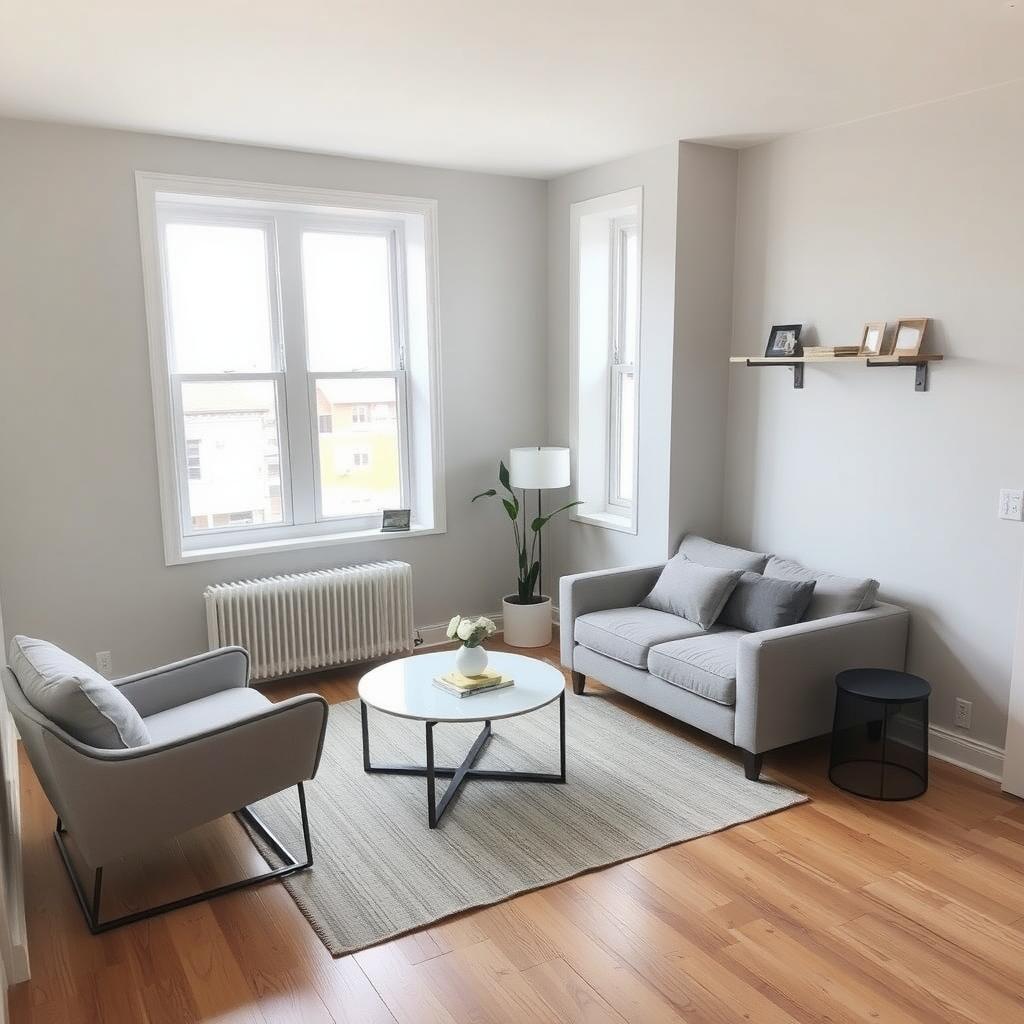
Place larger furniture like sofas against walls to open up the center. Avoid blocking windows or doors, as this can make a room feel smaller. If you’re tight on space, consider floating furniture (like a chair in the middle of the room) but ensure it doesn’t disrupt movement.
Use Vertical Space
When floor space is limited, look up! Wall-mounted shelves, tall bookcases, or hanging racks can store items without eating up square footage. I installed floating shelves in my bedroom to hold books and decor, freeing up my nightstand for essentials.
Vertical storage also draws the eye upward, making rooms feel taller. Consider these options: - Wall shelves: Perfect for books, plants, or decorative items. - Tall cabinets: Slim designs work in small kitchens or bathrooms. - Over-the-door organizers: Great for shoes or cleaning supplies.
When arranging furniture, balance tall pieces with lower ones to avoid a top-heavy look.
Scale Furniture to the Room
Big furniture in a small room can feel overwhelming. Choose pieces that fit the scale of your space. For example, a bulky sectional might crowd a tiny living room, but a sleek loveseat and a single chair can feel just right. I once bought an oversized couch that dwarfed my apartment—don’t make my mistake!
Here’s a quick guide to scaling furniture: | Room Size | Furniture Size | Example | |-----------|----------------|---------| | Small (<150 sq ft) | Compact, low-profile | Armless chairs, narrow tables | | Medium (150-300 sq ft) | Mid-sized, versatile | Loveseats, round tables | | Large (>300 sq ft) | Larger, statement pieces | Sectionals, dining tables for 6+ |
Measure your room and furniture before buying to ensure a good fit.
Embrace Light and Mirrors
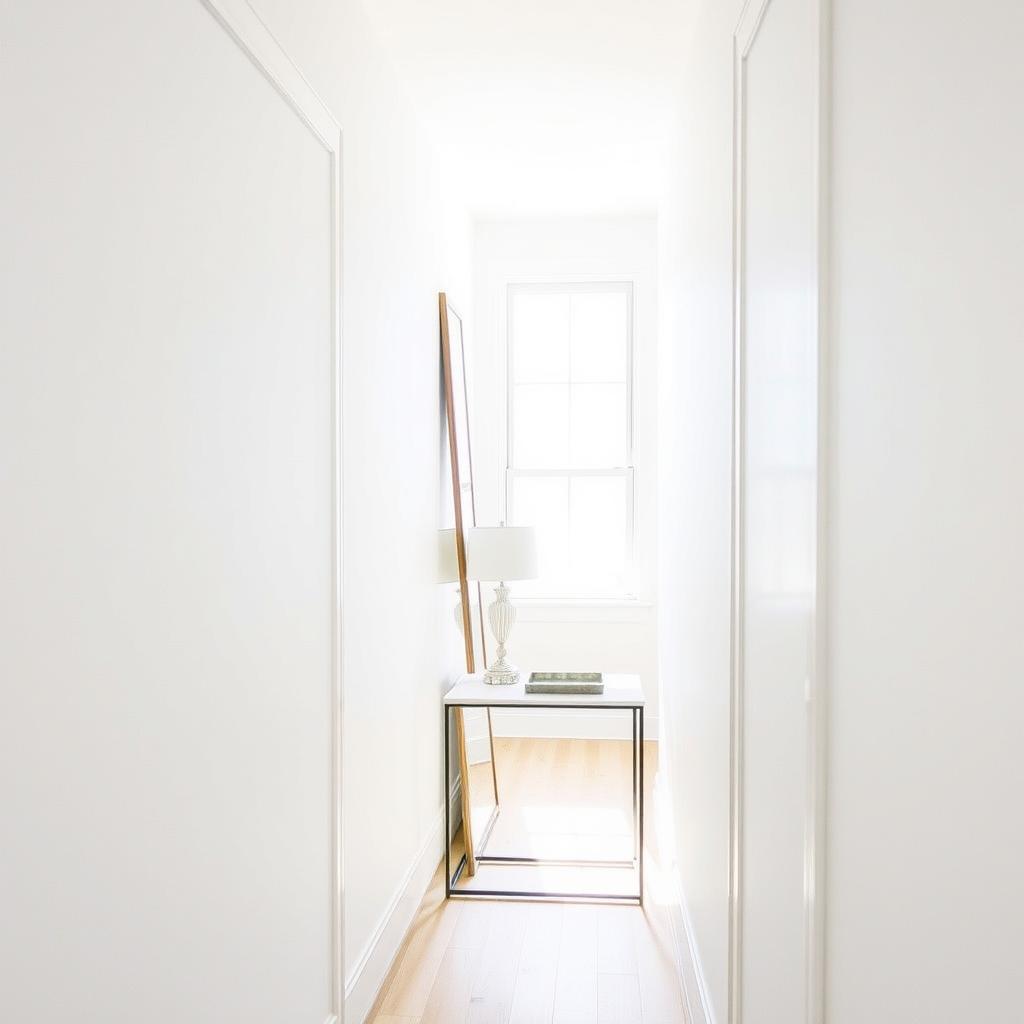
Light makes any space feel bigger. Keep windows uncovered or use sheer curtains to let in natural light. I’ve used mirrors to bounce light around a dim room, and the difference is amazing. Place a large mirror opposite a window to reflect light and create the illusion of more space.
Mirrors also add depth. A tall, narrow mirror can make a hallway feel wider, while a round mirror above a console table adds style without overwhelming the space.
Experiment and Adjust
Don’t be afraid to try different layouts. When I moved into my current home, I rearranged the living room three times before finding the perfect setup. Move furniture around every few months to refresh the space or accommodate new needs, like hosting a party or working from home.
Take photos of different arrangements to compare them. Sometimes, seeing the space from a new angle helps you spot what works best. If you’re stuck, ask a friend for input—they might see possibilities you missed.
Summary
Furniture arrangement tips for maximizing space can transform any room, big or small. By planning your layout, choosing multifunctional furniture like stackable chairs, creating zones, and using vertical space, you can make your home feel open and functional. Experiment with light, mirrors, and scale to enhance the vibe. With a little creativity, your space can work harder and feel better.