







Featured Post
Common Furniture Problems and How to Fix Them
Overview
Furniture is the backbone of any home, but wear and tear can lead to frustrating issues. From wobbly tables to squeaky recliners, Common Furniture Problems and How to Fix Them are concerns every homeowner faces. This guide offers practical, budget-friendly solutions to keep your furniture functional and looking great.
Why Furniture Problems Happen
Furniture takes a beating. Daily use, environmental factors, and even poor assembly can cause problems. For instance, recliners, a staple in many living rooms, often face issues like stuck mechanisms or worn-out upholstery. Understanding the root causes—like loose screws, warped wood, or fabric tears—helps you tackle repairs effectively. I’ve seen my fair share of furniture mishaps, from a dining chair that collapsed mid-dinner to a recliner that refused to recline. These experiences taught me that most issues are fixable with a bit of know-how.
Common Furniture Problems and Solutions
Below, I’ll walk you through some of the most frequent furniture issues and how to address them. These solutions are designed for beginners, requiring minimal tools and expertise.
1. Wobbly Tables and Chairs
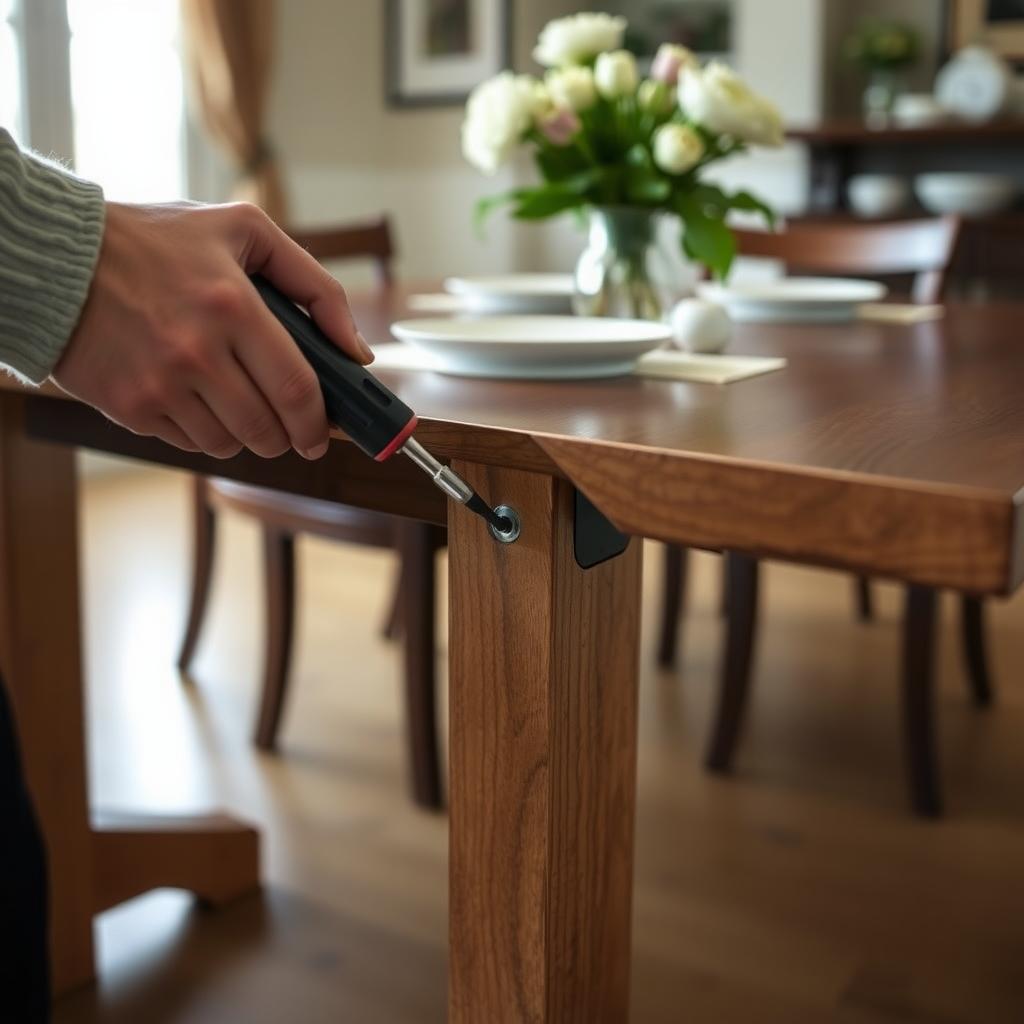
A wobbly table or chair is annoying and unsafe. The culprit is often loose joints or uneven legs.
Fixes: - Tighten screws and bolts: Use a screwdriver or wrench to check all visible hardware. I once saved a dining table by tightening a single loose bolt under the tabletop. - Add wood glue to joints: For wooden furniture, apply wood glue to loose joints, clamp them, and let them dry for 24 hours. - Level the legs: Place a small piece of cork or felt under shorter legs. For a permanent fix, sand down longer legs slightly.
Tools Needed: Screwdriver, wrench, wood glue, clamps, sandpaper.
2. Squeaky Recliners
Recliners are prone to squeaks, especially after years of use. These noises often come from metal parts rubbing together or dry mechanisms.
DIY Fixes for Recliner Troubles: - Lubricate moving parts: Apply a silicone-based lubricant (avoid WD-40, as it attracts dust) to the recliner’s hinges and springs. I fixed a noisy recliner by spraying lubricant on the mechanism, and it’s been silent for months. - Check for loose screws: Inspect the frame and tighten any loose screws. - Replace worn springs: If the squeak persists, the springs may be worn. Replacement kits are available online for specific recliner models.
Tools Needed: Silicone lubricant, screwdriver, replacement springs (optional).
3. Torn or Stained Upholstery
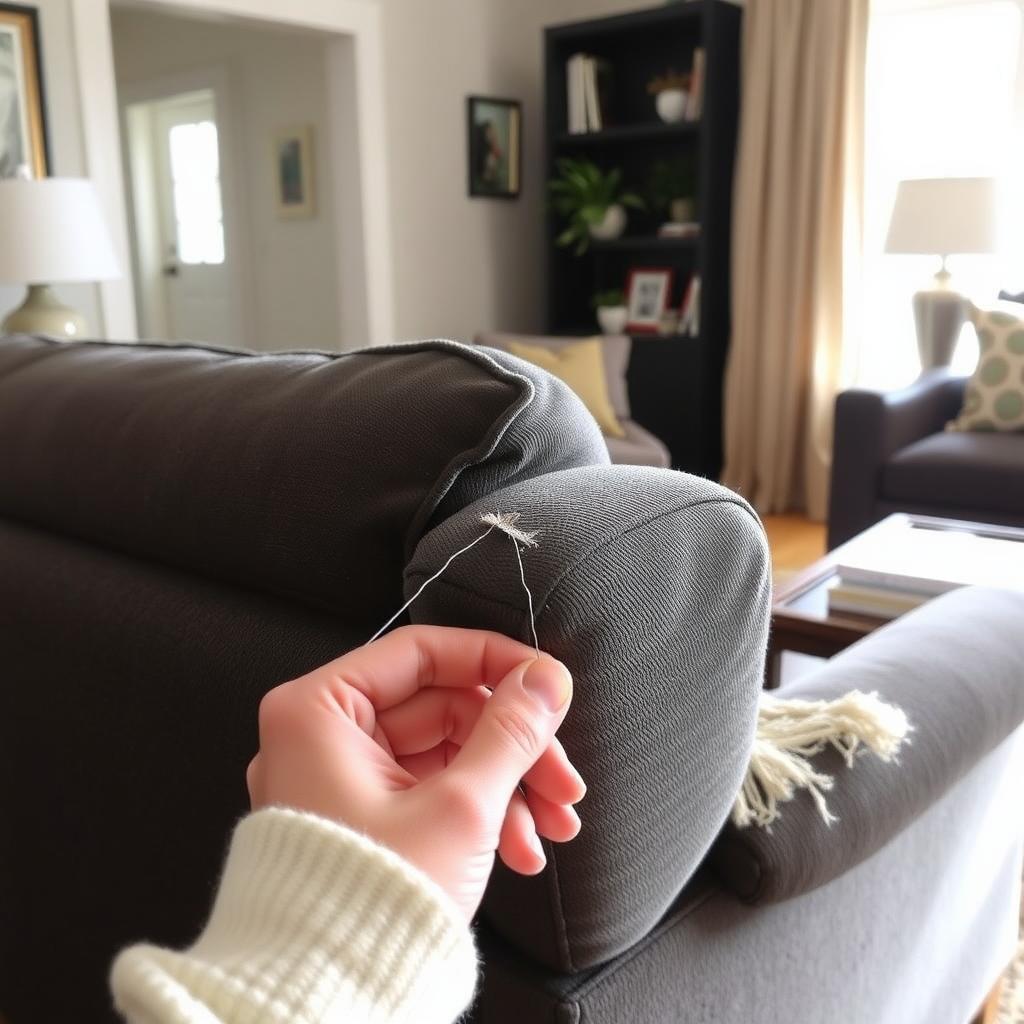
Fabric tears and stains are common, especially on recliners and sofas. Spills, pet claws, or heavy use can ruin upholstery.
Fixes: - Patch small tears: Use a fabric patch kit or sew the tear with a curved upholstery needle and heavy-duty thread. I’ve patched a recliner armrest with a matching fabric swatch, and it looked seamless. - Clean stains: Mix mild dish soap with warm water, dab the stain with a cloth, and blot dry. For tough stains, try a fabric cleaner like Resolve. - Reupholster for major damage: If the damage is extensive, consider reupholstering. YouTube tutorials can guide you, or hire a professional for larger pieces.
Tools Needed: Fabric patch kit, upholstery needle, thread, mild soap, cloth, fabric cleaner.
4. Warped or Cracked Wood
Wooden furniture can warp or crack due to humidity or temperature changes. I’ve seen this in older pieces exposed to damp basements.
Fixes: - Fill cracks: Use wood filler to fill small cracks, then sand and refinish. Choose a filler that matches your wood’s color. - Stabilize warps: For minor warping, place the furniture in a dry, stable environment. For severe cases, a professional may need to steam and reshape the wood. - Reinforce weak spots: Add metal brackets or corner braces to strengthen cracked areas.
Tools Needed: Wood filler, sandpaper, finish, metal brackets, screwdriver.
Recliner Furniture Maintenance and Cleaning Tips
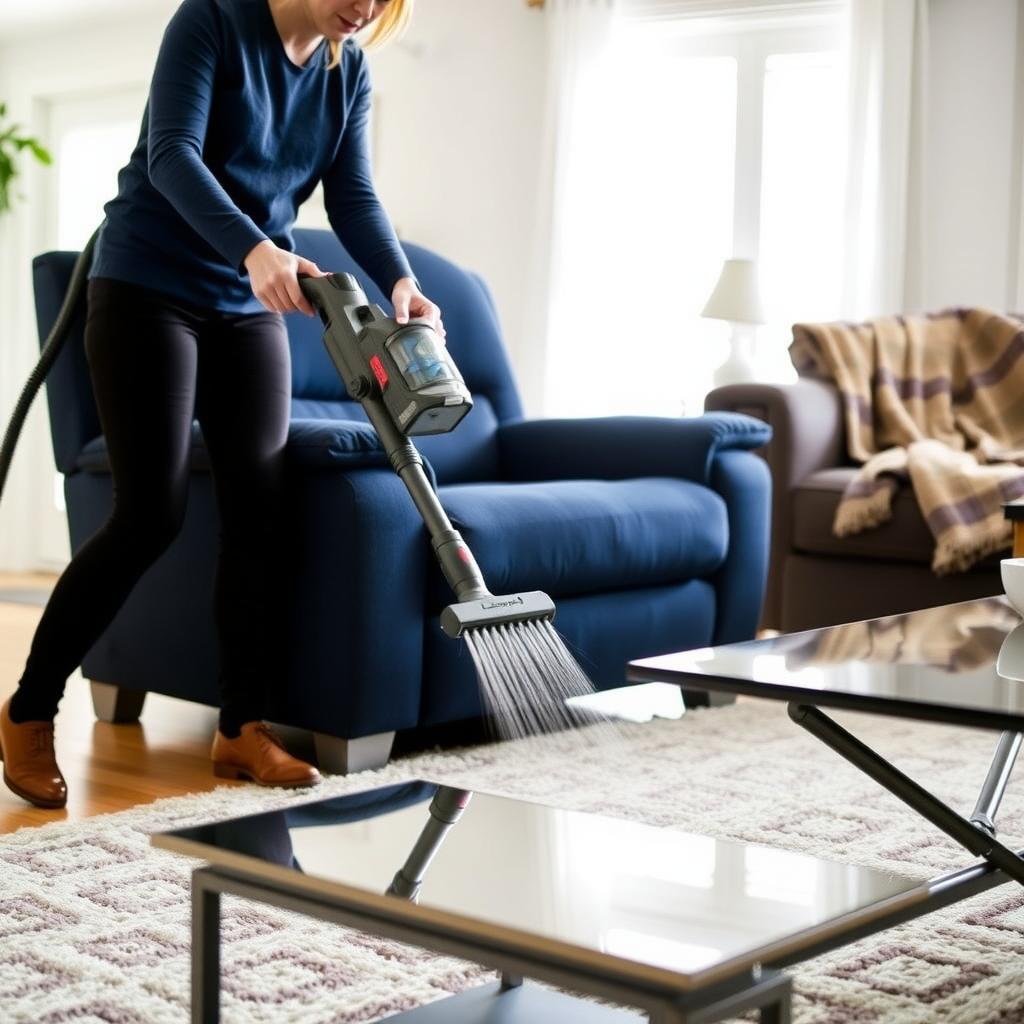
Recliners require regular care to stay functional and attractive. Here’s how to keep yours in top shape:
| Task | Frequency | How to Do It |
|---|---|---|
| Vacuum upholstery | Weekly | Use a brush attachment to remove dust and pet hair. |
| Lubricate mechanism | Every 6 months | Apply silicone lubricant to moving parts. |
| Tighten screws | Monthly | Check and tighten all visible screws. |
| Spot clean stains | As needed | Use mild soap and water or a fabric cleaner. |
Pro Tip: Avoid placing recliners near heaters or windows, as heat and sunlight can fade fabric and dry out mechanisms. I learned this the hard way when my recliner’s leather cracked after a year by a sunny window.
Preventing Future Furniture Problems
Prevention is easier than repair. Here are tips to extend your furniture’s life: - Use coasters and pads: Protect surfaces from spills and scratches. - Rotate cushions: Even out wear on sofas and recliners. - Avoid overloading: Don’t exceed weight limits on chairs or recliners. - Control humidity: Use a dehumidifier in damp areas to prevent wood warping.
I’ve started rotating my sofa cushions monthly, and it’s made a huge difference in how evenly they wear.
When to Call a Professional
Some issues, like major reupholstering or complex recliner mechanism repairs, may require expert help. If you’re unsure, consult a professional to avoid further damage. Websites like Angi can connect you with local furniture repair experts.
Summary
Furniture problems like wobbly legs, squeaky recliners, and torn upholstery are common but fixable. With simple tools and techniques, you can tackle most issues at home. Regular maintenance, especially for recliners, prevents bigger problems down the line. Keep your furniture in top shape with these DIY Fixes for Recliner Troubles and other tips, and enjoy a more comfortable, durable home.