









Featured Post
Furniture Upholstery: What You Need to Know
Overview
Furniture upholstery can transform your home, adding comfort and style. Whether it's a cozy recliner or a sleek sofa, understanding upholstery helps you make smart choices. From picking the right fabric to mastering recliner furniture maintenance and cleaning tips, this guide covers it all.
Why Upholstery Matters
Upholstery is more than just fabric on furniture. It’s the layer that defines comfort, durability, and aesthetics. A well-upholstered recliner can be the centerpiece of your living room, offering a spot to unwind after a long day. But choosing the right material and maintaining it properly can feel overwhelming. I’ve seen friends struggle with stained sofas or worn-out recliners simply because they didn’t know the basics. Let’s break it down.
Upholstery affects how furniture feels, looks, and lasts. A good fabric choice can make your recliner resistant to spills, pet hair, or daily wear. On the other hand, poor choices lead to frayed edges or faded colors. Knowing what’s out there and how to care for it saves time, money, and frustration.

Types of Upholstery Fabrics
The fabric you choose for your furniture sets the tone for its lifespan and upkeep. Here’s a rundown of common options:
- Cotton: Soft and breathable, great for families. It’s affordable but stains easily.
- Leather: Sleek and durable, perfect for a modern look. It resists spills but requires conditioning.
- Polyester: Budget-friendly and stain-resistant, ideal for high-traffic homes.
- Velvet: Luxurious and soft, but it attracts dust and needs regular cleaning.
- Microfiber: Pet-friendly and easy to clean, a go-to for recliners.
When I helped a friend reupholster her recliner, we went with microfiber. Her dog loved lounging on it, and the fabric held up against muddy paws. Consider your lifestyle—pets, kids, or frequent guests—when picking a material.
Fabric Durability Ratings
Fabrics come with a durability score called the Wyzenbeek test, which measures how many rubs a fabric can handle before wearing out. Here’s a quick guide:
| Fabric Type | Rub Count | Best For |
|---|---|---|
| Cotton | 15,000–30,000 | Low-traffic areas |
| Polyester | 30,000–50,000 | Family rooms |
| Microfiber | 50,000–100,000 | Heavy use, pets |
| Leather | 100,000+ | Long-term durability |
Choose a fabric with a rub count that matches your furniture’s use. A recliner in a busy household needs at least 50,000 rubs.
Choosing the Right Upholstery for Your Recliner
Recliners are unique because they’re both functional and cozy. When picking upholstery for a recliner, think about comfort and practicality. I once sat on a leather recliner that looked stunning but felt cold in winter. Fabric recliners, like those with microfiber or cotton blends, feel warmer and more inviting.
Consider the recliner’s placement. If it’s near a window, UV-resistant fabrics like polyester blends prevent fading. For homes with kids, stain-resistant options or Scotchgard-treated fabrics are lifesavers. Also, check the foam padding beneath the upholstery—high-density foam lasts longer and keeps your recliner comfy.
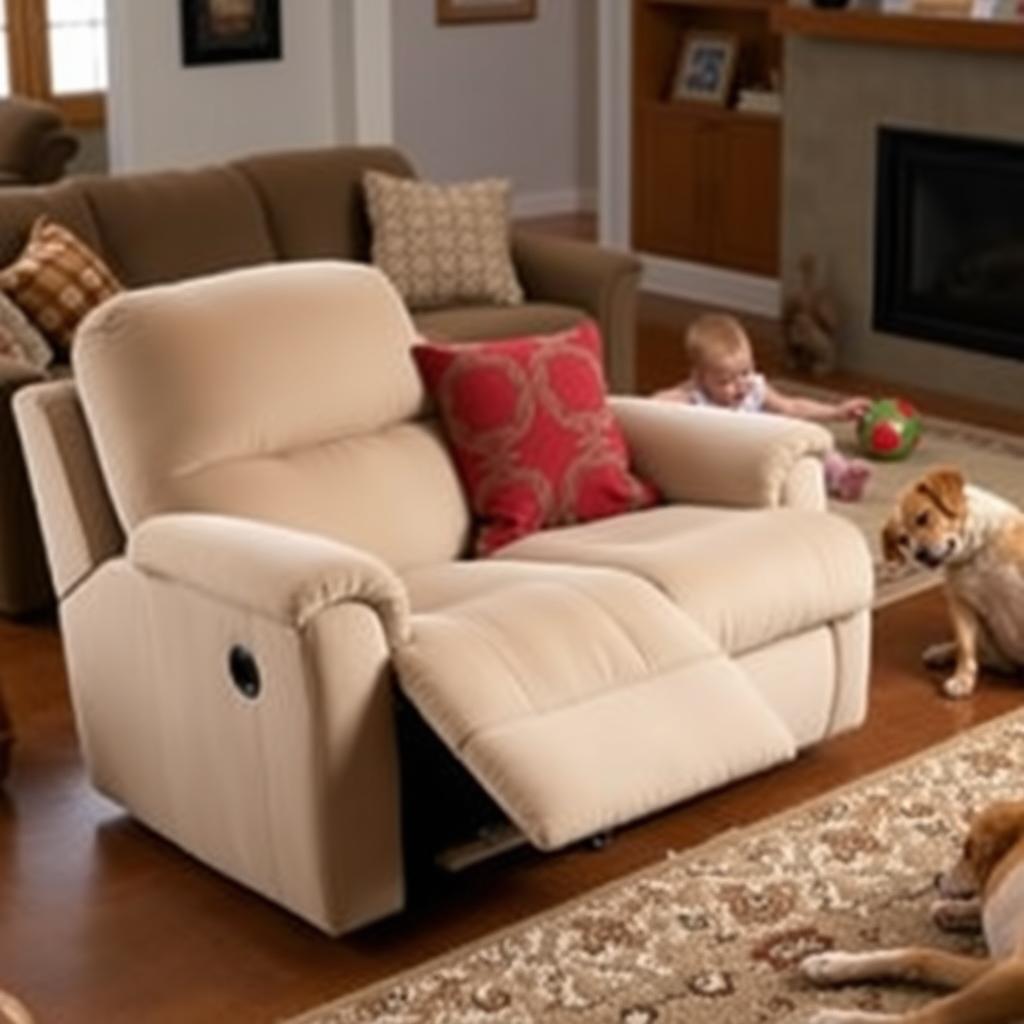
Recliner Furniture Maintenance and Cleaning Tips
Keeping your recliner in top shape doesn’t have to be hard. Regular care extends its life and keeps it looking fresh. Here are practical tips:
- Vacuum Weekly: Use a brush attachment to remove dust and pet hair. I vacuum my recliner every Sunday while watching TV—it takes five minutes.
- Spot Clean Spills Immediately: Blot (don’t rub!) spills with a damp cloth and mild soap. For microfiber, a bit of rubbing alcohol works wonders.
- Use Fabric Protectors: Apply a protector like Scotchgard after reupholstering to repel stains.
- Rotate Cushions: If your recliner has removable cushions, rotate them monthly to prevent uneven wear.
- Condition Leather: For leather recliners, apply a conditioner every 6–12 months to prevent cracking.
I learned the hard way that ignoring a coffee spill on my friend’s recliner led to a stubborn stain. Quick action is key. For deeper cleaning, check the fabric’s care code (W, S, or WS) on the furniture tag to know which cleaners are safe.
DIY vs. Professional Reupholstering
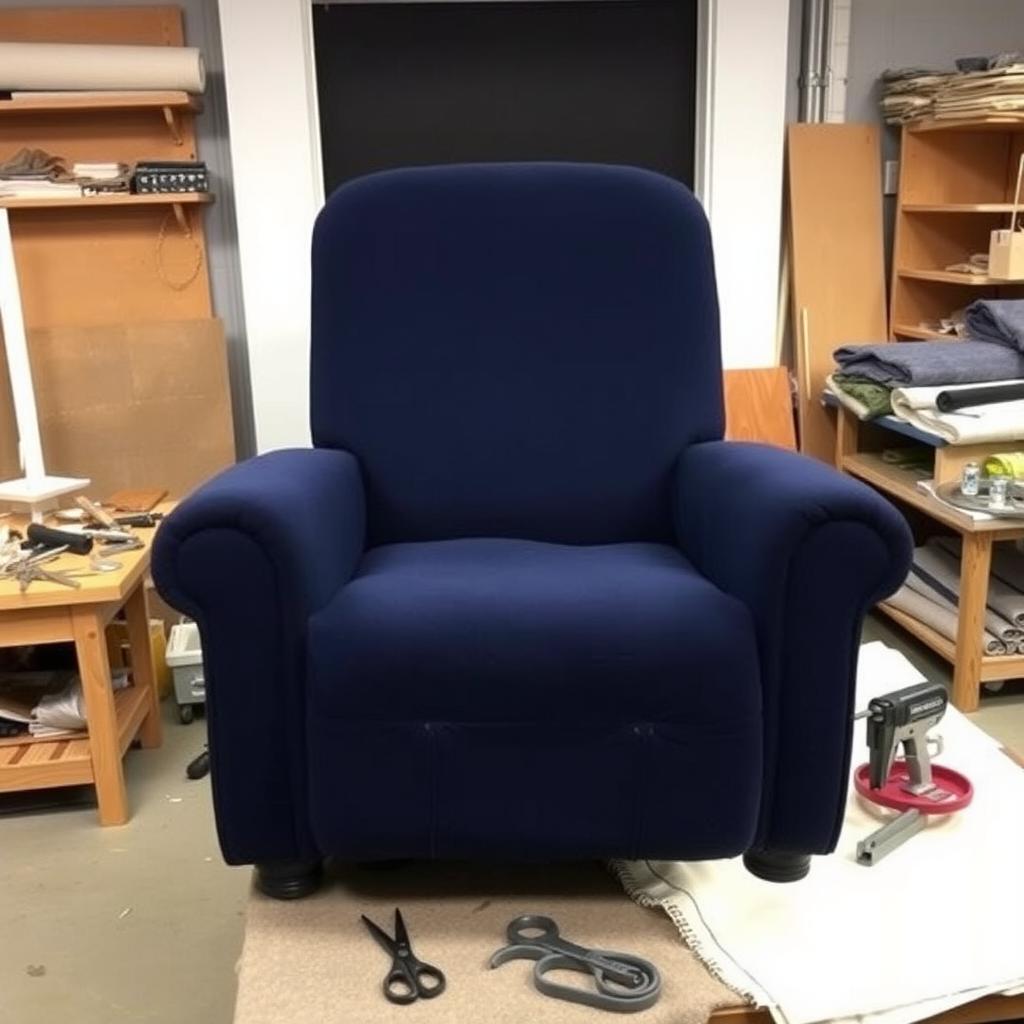
Reupholstering can breathe new life into old furniture. But should you do it yourself or hire a pro? DIY is cheaper but time-consuming. I tried reupholstering a small ottoman once, and while it was rewarding, it took an entire weekend and a lot of patience. For complex pieces like recliners, professionals ensure a polished finish.
DIY Pros: Cost-effective, creative control.
DIY Cons: Requires tools, skills, and time.
Professional Pros: High-quality results, faster turnaround.
Professional Cons: Higher cost, less personal input.
Expect to pay $500–$2,000 for professional recliner reupholstering, depending on fabric and labor. If you’re curious about costs, check Upholstery Resource for estimates.
Common Upholstery Mistakes to Avoid
I’ve seen people make avoidable mistakes with upholstery. Here are pitfalls to steer clear of:
- Choosing Looks Over Function: A gorgeous velvet recliner might not survive a house with toddlers.
- Skipping Maintenance: Neglecting regular cleaning leads to permanent stains.
- Ignoring Fabric Codes: Using the wrong cleaner can ruin your furniture.
- Cheap Foam: Low-quality foam collapses quickly, making your recliner saggy.
When I picked a trendy but delicate fabric for a chair, it looked great for a month but started pilling fast. Always balance style with practicality.
Eco-Friendly Upholstery Options
Sustainability is a growing concern. Eco-friendly fabrics like recycled polyester or organic cotton reduce environmental impact. Some brands, like Crate & Barrel, offer sustainable upholstery options. These materials are durable and feel good to the touch. Plus, choosing second-hand furniture and reupholstering it keeps pieces out of landfills. I’ve found great recliners at thrift stores that just needed a fabric refresh to look brand new.
Summary
Furniture upholstery is a game-changer for comfort and style. By choosing the right fabric, maintaining it properly, and avoiding common mistakes, you can keep your recliner and other furniture looking great for years. Whether you’re tackling recliner furniture maintenance and cleaning tips or considering a full reupholstery project, a little knowledge goes a long way. Start small with regular care, and your furniture will thank you.