








Featured Post
How to Choose the Perfect Mattress for Better Sleep
Overview
Choosing the right mattress can transform your sleep quality and overall well-being. A good mattress supports your body, aligns your spine, and ensures restful nights. This guide on How to Choose the Perfect Mattress for Better Sleep offers practical advice to help you find the ideal bed, while also touching on integrating it with essential furniture pieces for a new home and mixing furniture styles like a pro.
Why a Mattress Matters
Your mattress is the foundation of good sleep. It’s not just a place to rest; it directly affects your health, mood, and energy levels. A poor mattress can lead to back pain, restless nights, and even stress. According to a study by the National Sleep Foundation, 92% of people say a comfortable mattress is critical for quality sleep. So, how do you pick the perfect one?
When I moved into my first apartment, I underestimated the importance of a good mattress. I went for a cheap option, thinking it would do the job. Within weeks, I was waking up stiff and tired. That experience taught me that investing in the right bed is non-negotiable. Let’s break down the key factors to consider.
Understand Your Sleep Needs
Everyone’s sleep preferences are unique. Start by assessing how you sleep. Are you a side sleeper, back sleeper, or stomach sleeper? Each position requires different support. For example:
- Side sleepers need a softer mattress to cushion hips and shoulders.
- Back sleepers benefit from medium-firm support to maintain spinal alignment.
- Stomach sleepers require a firmer surface to prevent sinking.
Also, consider any health issues, like back pain or allergies. If you share a bed, discuss preferences with your partner. A mattress that suits both of you is key to restful nights.
Types of Mattresses
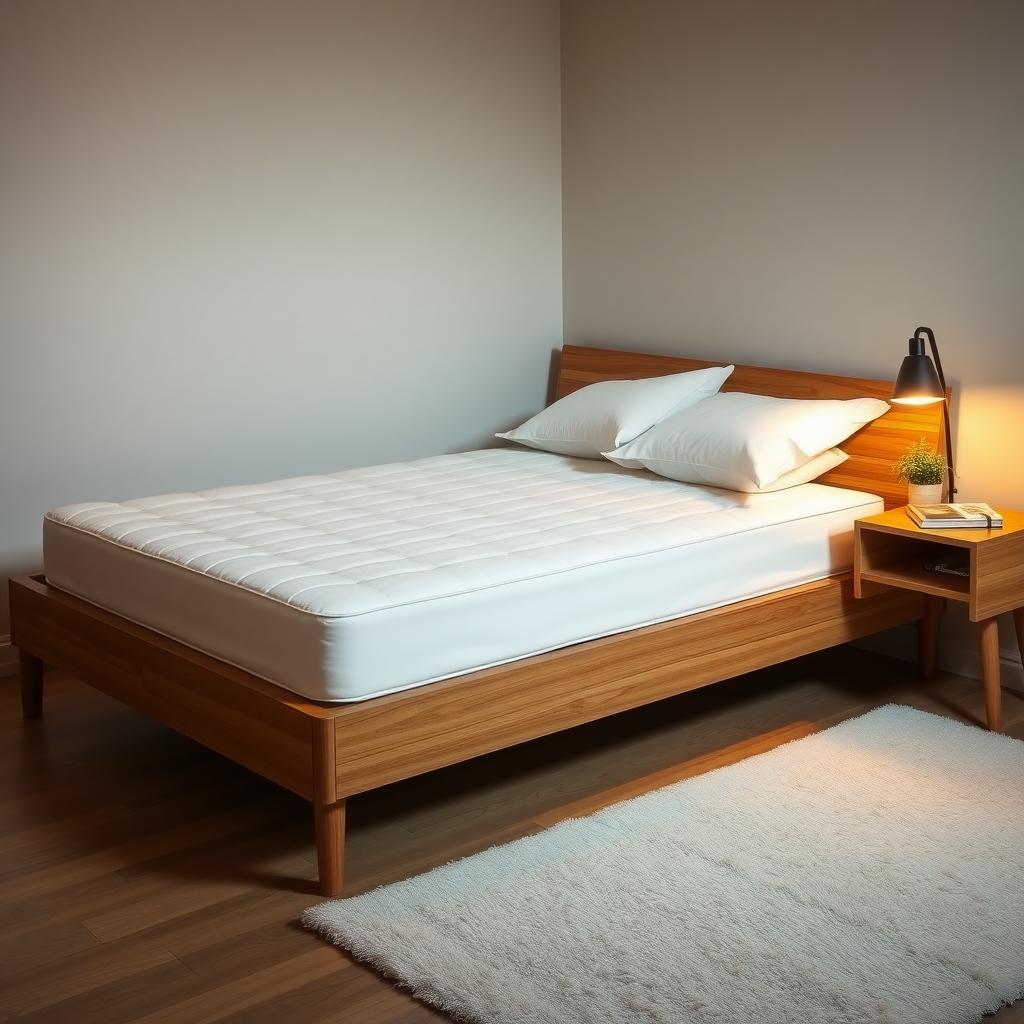
The mattress market offers several options, each with unique benefits. Here’s a quick breakdown:
| Mattress Type | Pros | Cons |
|---|---|---|
| Innerspring | Affordable, good airflow | Can be noisy, less durable |
| Memory Foam | Contours to body, relieves pressure | Retains heat, may feel too soft |
| Latex | Durable, eco-friendly, cooling | Expensive, heavy |
| Hybrid | Combines foam and springs for balance | Can be pricey |
| Airbeds | Adjustable firmness | Complex maintenance |
I’ve tried both memory foam and hybrid mattresses. The memory foam felt like sleeping on a cloud, but I overheated at night. Switching to a hybrid gave me the support I needed without the heat buildup.
A Harvard Medical School guide suggests testing a mattress for at least 15 minutes in-store to gauge comfort. If you’re shopping online, look for brands with generous trial periods—many offer 100-night trials to ensure the mattress suits you.
Firmness and Support
Firmness is subjective, but it’s crucial to match it to your body and sleep style. Mattresses are typically rated on a scale from 1 (softest) to 10 (firmest). Medium-firm (5-7) works for most people, offering a balance of comfort and support. If you’re heavier, you might prefer a firmer option to avoid sinking too much. Lighter individuals often find softer mattresses more comfortable.
When I helped my sister choose a mattress, we learned she needed a medium-firm one for her back pain. After testing a few, she picked a hybrid with targeted lumbar support. Within a month, her morning stiffness was gone. Always test firmness in relation to your specific needs.

Size Matters
Choosing the right mattress size is just as important as type and firmness. Consider your bedroom size, sleeping habits, and whether you share the bed. Common sizes include:
- Twin: Great for kids or small spaces.
- Full: Suitable for solo sleepers who want more room.
- Queen: Ideal for couples or single sleepers who like space.
- King: Best for couples who want maximum space or share with kids/pets.
I upgraded to a queen when I moved in with my partner, and it made a huge difference. We no longer woke each other up with movement. Measure your bedroom to ensure the bed fits comfortably alongside other essential furniture pieces for a new home, like a nightstand or dresser.
Budget and Longevity
Mattresses range from $200 to over $2,000. While it’s tempting to go for the cheapest option, a quality mattress is a long-term investment. Most last 7-10 years, so factor in durability. Look for warranties (10+ years is standard) and trial periods. If budget is tight, check for sales or online-only brands that cut costs without sacrificing quality.
A Consumer Reports guide recommends spending at least $800 for a decent queen-size mattress. My advice? Don’t skimp, but don’t overspend on features you don’t need, like fancy cooling tech if you don’t run hot.
Pairing Your Mattress with Essential Furniture
Your mattress is just one part of a cohesive bedroom setup. Essential furniture pieces for a new home include a sturdy bed frame, nightstands, and a dresser. These pieces not only enhance functionality but also elevate your bedroom’s style. For example, a sleek platform bed can make a modern mattress pop, while a classic wooden frame adds warmth.
When I set up my bedroom, I learned the value of mixing furniture styles like a pro. I paired a minimalist bed frame with a vintage nightstand for a unique look. The key is balance—choose pieces with complementary colors or textures to tie the room together without feeling cluttered.

Additional Considerations
- Motion Isolation: If you share a bed, choose a mattress that minimizes motion transfer, like memory foam or hybrid.
- Temperature Regulation: Look for cooling features (gel-infused foam or breathable covers) if you sleep hot.
- Allergies: Opt for hypoallergenic materials like latex if you’re sensitive to dust mites.
- Eco-Friendly Options: Natural latex or organic cotton mattresses are sustainable choices.
I once bought a mattress without checking for motion isolation, and every time my partner moved, I woke up. Switching to a memory foam model solved the issue instantly.
Where to Shop
You can buy mattresses in-store or online. Brick-and-mortar stores let you test before buying, but online retailers often offer better deals and trial periods. Research customer reviews and return policies. A Better Sleep Council study emphasizes checking return policies to avoid being stuck with an uncomfortable bed.
Final Thoughts
Choosing the perfect mattress for better sleep is about understanding your needs, testing options, and balancing budget with quality. Pair it with essential furniture pieces for a new home to create a restful, stylish bedroom. By considering factors like firmness, size, and material, you’ll find a bed that transforms your sleep and complements your space. Take your time, test thoroughly, and invest wisely—your body will thank you.