



Featured Post
How to Choose the Right Dresser for Your Bedroom
Overview
Choosing the right dresser for your bedroom can transform your space, blending style with practicality. A dresser isn’t just storage—it’s a statement piece that reflects your taste. This guide covers everything from sizing to assembly tips, helping you avoid common pitfalls and find the perfect fit.
Why Choosing the Right Dresser Matters
Your bedroom is your sanctuary, and a dresser plays a big role in keeping it organized and inviting. The wrong dresser can clutter your space or clash with your decor, while the right one enhances both function and aesthetic. When I moved into my first apartment, I underestimated the importance of a dresser’s size and style, ending up with a bulky piece that overwhelmed my small room. That experience taught me to prioritize careful planning.
A dresser should suit your storage needs, match your room’s vibe, and be built to last. With so many options—modern, rustic, minimalist, or vintage—knowing what works for you is key. Let’s break down the process of How to Choose the Right Dresser for Your Bedroom step by step.
Step 1: Assess Your Space
Before shopping, measure your bedroom. A dresser that’s too large can make a small room feel cramped, while a tiny one might look lost in a spacious area. Grab a tape measure and note the available floor space, considering other furniture like your bed and nightstands.
Key Measurements to Take:
- Width: Ensure the dresser fits along the wall without blocking walkways.
- Depth: Most dressers are 18-24 inches deep. Check if this works with your room’s layout.
- Height: Low dressers (under 36 inches) suit modern spaces, while taller ones maximize storage in smaller rooms.
Also, consider clearance for drawers to open fully. I once placed a dresser too close to my bed, making it impossible to access the bottom drawers without scooting the bed over—an annoying mistake! Aim for at least 24 inches of clearance in front of the dresser.
Step 2: Define Your Storage Needs
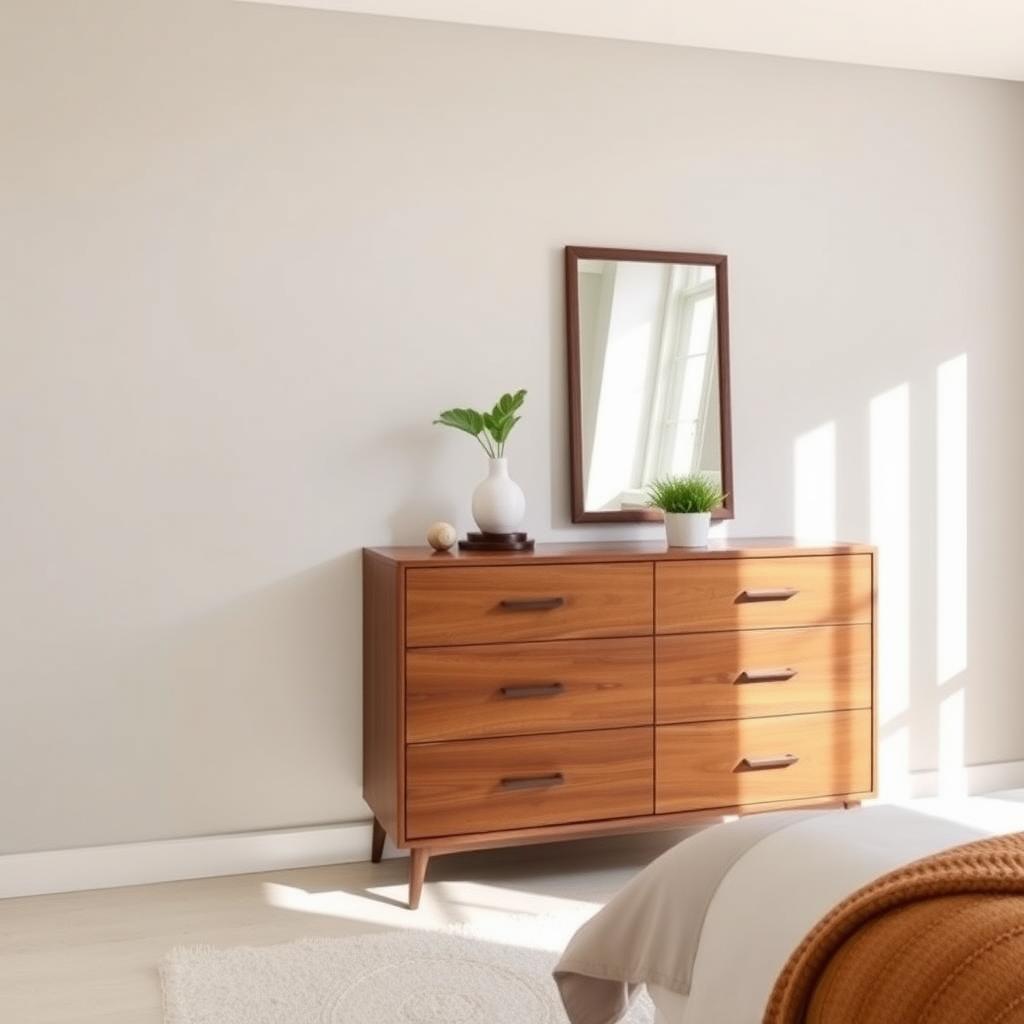
Think about what you’ll store in the dresser. Are you stashing clothes, linens, or a mix of items? This will guide the number and type of drawers you need.
Storage Considerations:
- Drawer Count: A standard dresser has 6-9 drawers. If you’re organizing for two, consider a wider dresser with more drawers.
- Drawer Depth: Deep drawers are great for bulky items like sweaters, while shallow ones work for accessories.
- Special Features: Look for dividers, jewelry trays, or felt-lined drawers for delicate items.
When I helped a friend choose a dresser, we realized her collection of scarves and jewelry needed specific compartments. A dresser with a top drawer lined with felt and built-in dividers made all the difference. According to a study by the National Association of Home Builders, 60% of homeowners prioritize customizable storage in bedroom furniture, so think about your unique needs.
Step 3: Choose a Style That Complements Your Decor
Your dresser should blend with your bedroom’s aesthetic. Whether your vibe is bohemian, mid-century modern, or classic, there’s a dresser to match. Here are popular styles to consider:
| Style | Features | Best For |
|---|---|---|
| Modern | Sleek lines, minimal hardware | Urban, minimalist bedrooms |
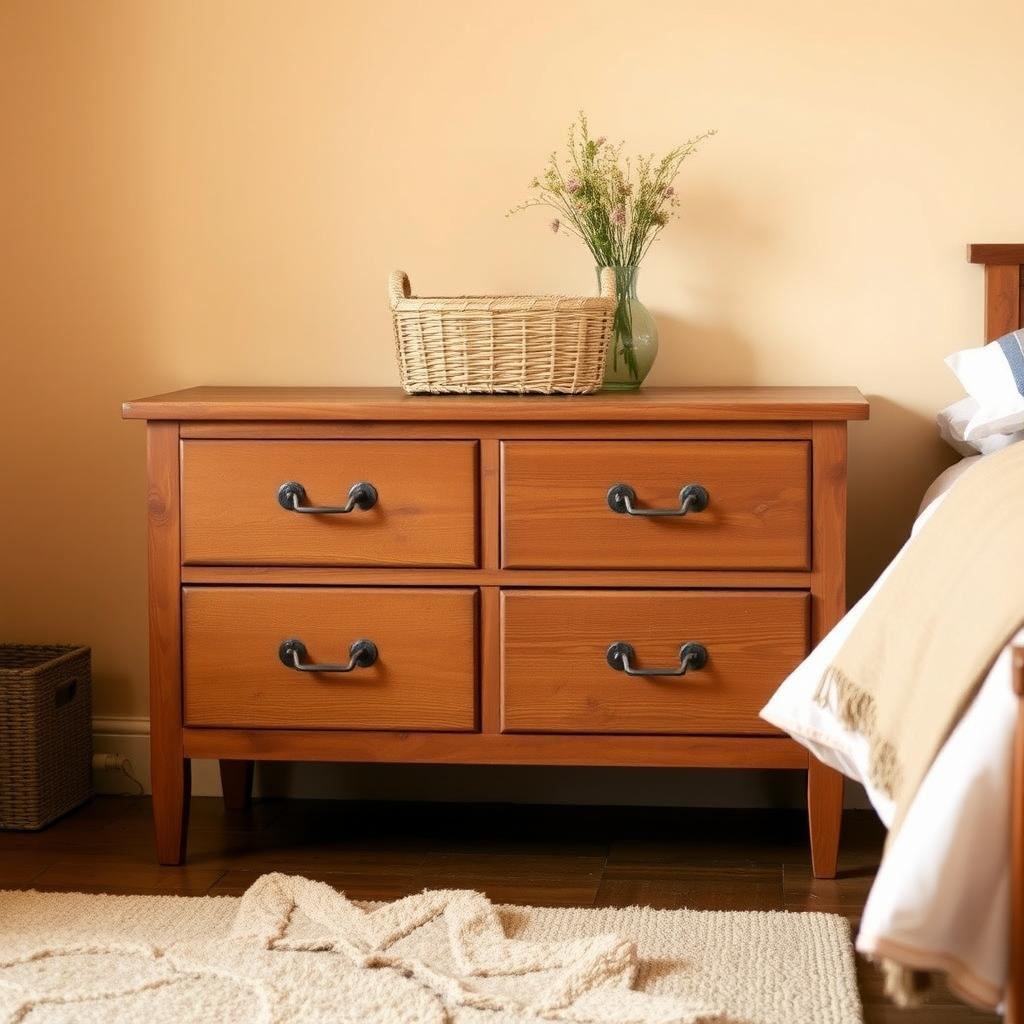
| Rustic | Distressed wood, natural textures | Cozy, farmhouse-inspired spaces |
| Traditional | Ornate details, rich finishes | Classic, elegant rooms |
| Scandinavian | Light wood, functional design | Bright, airy spaces |
I once fell in love with a rustic dresser but realized its distressed look clashed with my sleek, modern bedroom. Take time to match the dresser’s material and color to your existing furniture. Wood tones like oak or walnut are versatile, while painted dressers add a pop of personality.
Step 4: Focus on Quality and Materials
A dresser is an investment, so prioritize durability. Solid wood dressers, like oak or maple, are sturdy but pricey. Engineered wood or MDF offers affordability without sacrificing style, though it may not last as long. Check for these quality markers:
- Dovetail Joints: These interlocking joints in drawers ensure durability.
- Smooth Glides: Drawers should slide easily without wobbling.
- Sturdy Back Panel: A solid back prevents warping over time.
I learned this the hard way when a cheap dresser’s drawers started sticking after a year. A report from the Furniture Industry Research Association highlights that dressers with dovetail joints last 30% longer than those with basic stapled construction. Test drawers in-store or read reviews for online purchases to ensure quality.
Step 5: Avoid Common Furniture Assembly Mistakes
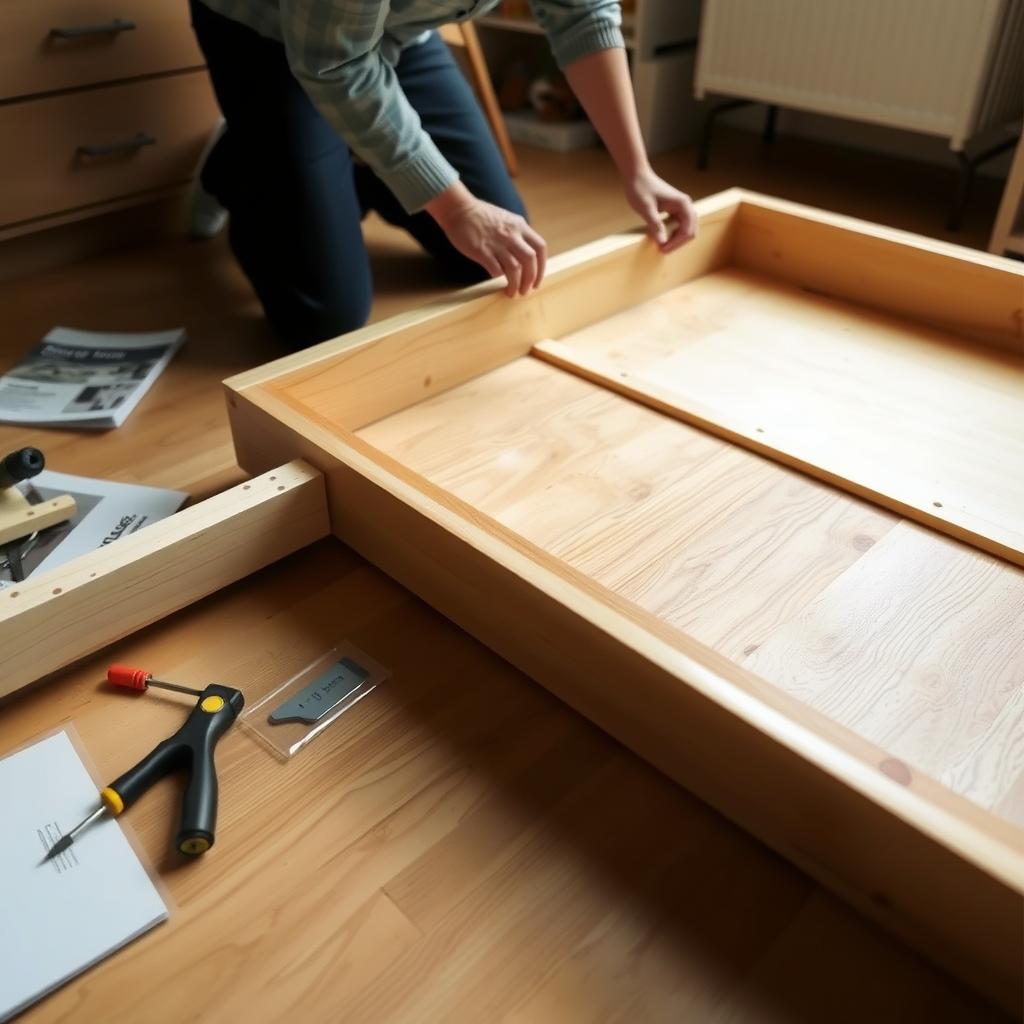
If your dresser requires assembly, simple errors can lead to wobbly drawers or a shaky frame. Here are Common Furniture Assembly Mistakes and How to Avoid Them:
- Skipping Instructions: Always read the manual. I once ignored a step and ended up with a backward drawer.
- Using the Wrong Tools: Use the provided tools or a compatible screwdriver to avoid stripping screws.
- Over-tightening Screws: Tighten just enough to secure parts—overdoing it can crack wood.
- Ignoring Weight Limits: Don’t overload drawers, as this can strain joints.
For assembling dresser furniture tips, lay out all parts before starting, check for missing pieces, and work on a flat surface. A friend of mine assembled a dresser on a carpet, and uneven pressure caused misaligned drawers. Take your time to get it right.
Step 6: Consider Budget and Longevity
Dressers range from $100 to over $1,000, depending on material and brand. Set a budget but avoid the cheapest options if you want longevity. I’ve found that mid-range dressers ($300-$600) often strike a balance between quality and affordability. Look for sales at reputable retailers or consider secondhand pieces from trusted sources like antique shops.
If sustainability matters to you, opt for dressers made from eco-friendly materials. The U.S. Environmental Protection Agency notes that sustainable furniture reduces environmental impact by up to 20% over its lifecycle. A well-made dresser can last decades, so think long-term.
Step 7: Test Before You Commit
If possible, see the dresser in person. Open drawers, check stability, and feel the finish. For online purchases, read customer reviews and check return policies. I once ordered a dresser online without checking dimensions, and it arrived too tall for my space. Most retailers, like IKEA or Wayfair, offer detailed specs and 3D views, so use those tools to visualize the piece in your room.
Summary
Choosing the right dresser for your bedroom involves balancing style, function, and quality. Measure your space, define your storage needs, and pick a design that fits your decor. Focus on durable materials and avoid assembly mistakes to ensure your dresser lasts. With these tips, you’ll find a piece that elevates your bedroom’s look and keeps it organized.