








Featured Post
Furniture Care for Different Materials: Keep Your Home Looking New
Overview: Why Furniture Care Matters
Taking care of your furniture keeps it looking great and lasting longer. Whether it’s your cozy bed, a sleek dining table, or a plush sofa, proper furniture care for different materials saves you money and maintains your home’s charm. This guide shares practical tips to help you protect your investment.
Understanding Furniture Materials
Furniture comes in various materials, each needing specific care. Wood brings warmth but scratches easily. Leather looks luxurious but can crack without moisture. Fabric is cozy but a magnet for stains. Metal is sturdy but prone to rust. Knowing these quirks helps you tailor your furniture care routine.
Wood Furniture: Timeless Beauty
Wood is a classic choice for tables, chairs, and bed frames. I’ve learned from years of trial and error that wood needs gentle handling. Dust weekly with a soft, dry cloth to avoid buildup. For deeper cleaning, use a damp cloth with a mild soap solution, but never soak the wood—it warps easily.
Polish wood every few months with a natural beeswax-based product. I once used a cheap polish on my oak dining table, and it left a sticky residue that attracted dust. Stick to quality products. Also, keep wood furniture away from direct sunlight or heat sources to prevent fading or cracking.
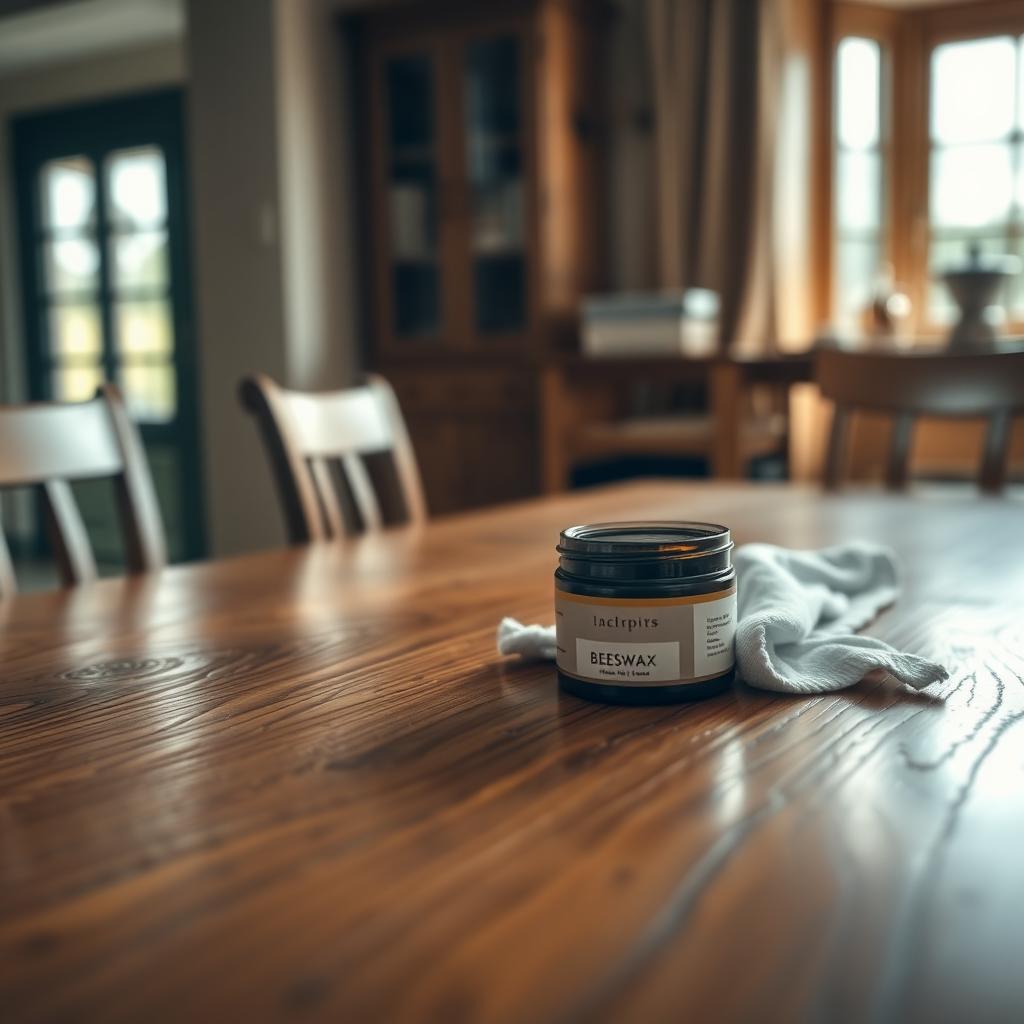
Quick Tips for Wood Furniture Care
- Dust regularly: Use a microfiber cloth to trap dust.
- Avoid water rings: Use coasters for drinks.
- Protect from sun: Use curtains or blinds to block UV rays.
- Fix scratches: Rub a walnut over minor scratches to blend them in.
Leather Furniture: Luxe and Durable
Leather sofas and chairs scream sophistication, but they’re high-maintenance. I learned this the hard way when my new leather couch got a stain from a spilled drink. Clean spills immediately with a dry cloth. For regular care, wipe with a damp cloth and mild soap, then dry thoroughly.
Condition leather every six months to prevent cracking. Use a leather-specific conditioner—don’t substitute with household oils, as I did once, thinking olive oil would work. It left a greasy mess! Keep leather away from heat sources, as they dry it out, and avoid placing it in direct sunlight.
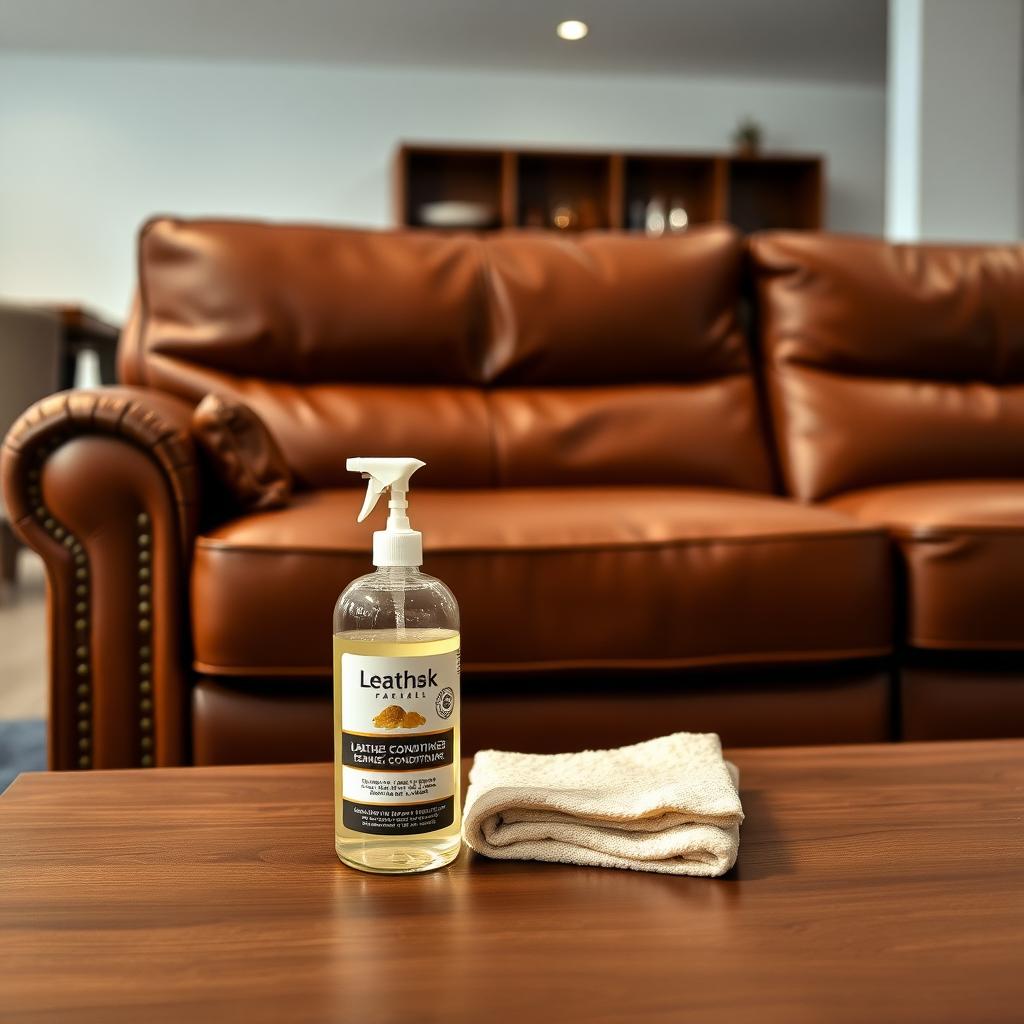
Leather Care Checklist
- Clean spills fast: Blot, don’t rub, to avoid spreading stains.
- Condition regularly: Apply conditioner to keep leather supple.
- Avoid sharp objects: Scratches on leather are hard to fix.
- Test products: Always test cleaners on a hidden spot first.
Fabric Furniture: Cozy but Stain-Prone
Fabric furniture, like upholstered beds or sofas, is comfy but loves to hold onto spills. Vacuum weekly to remove dust and crumbs—I use a brush attachment to get into crevices. For stains, blot with a mix of water and mild detergent, but check the fabric’s care label first.
I once tried to clean a wine stain on my couch with a random cleaner, and it bleached the fabric. Lesson learned: always test on a hidden area. For extra protection, consider applying a fabric protector spray. If your furniture has removable covers, toss them in the wash if the label allows.
Fabric Furniture Maintenance Tips
- Vacuum weekly: Keeps dust and allergens at bay.
- Blot stains: Never rub, as it pushes stains deeper.
- Use protectors: Spray-on fabric guards repel spills.
- Check labels: Follow manufacturer cleaning instructions.
Metal Furniture: Sleek and Sturdy
Metal furniture, like bed frames or outdoor chairs, is tough but not invincible. Rust is the enemy, especially for outdoor pieces. Wipe metal with a damp cloth and dry immediately to prevent water spots. For rust, gently scrub with steel wool and apply a rust-resistant polish.
I had a metal patio set that started rusting after a rainy season. A quick scrub and a coat of protective spray brought it back to life. For indoor metal furniture, like a sleek bed frame, a simple dusting works. Avoid abrasive cleaners—they scratch the finish.
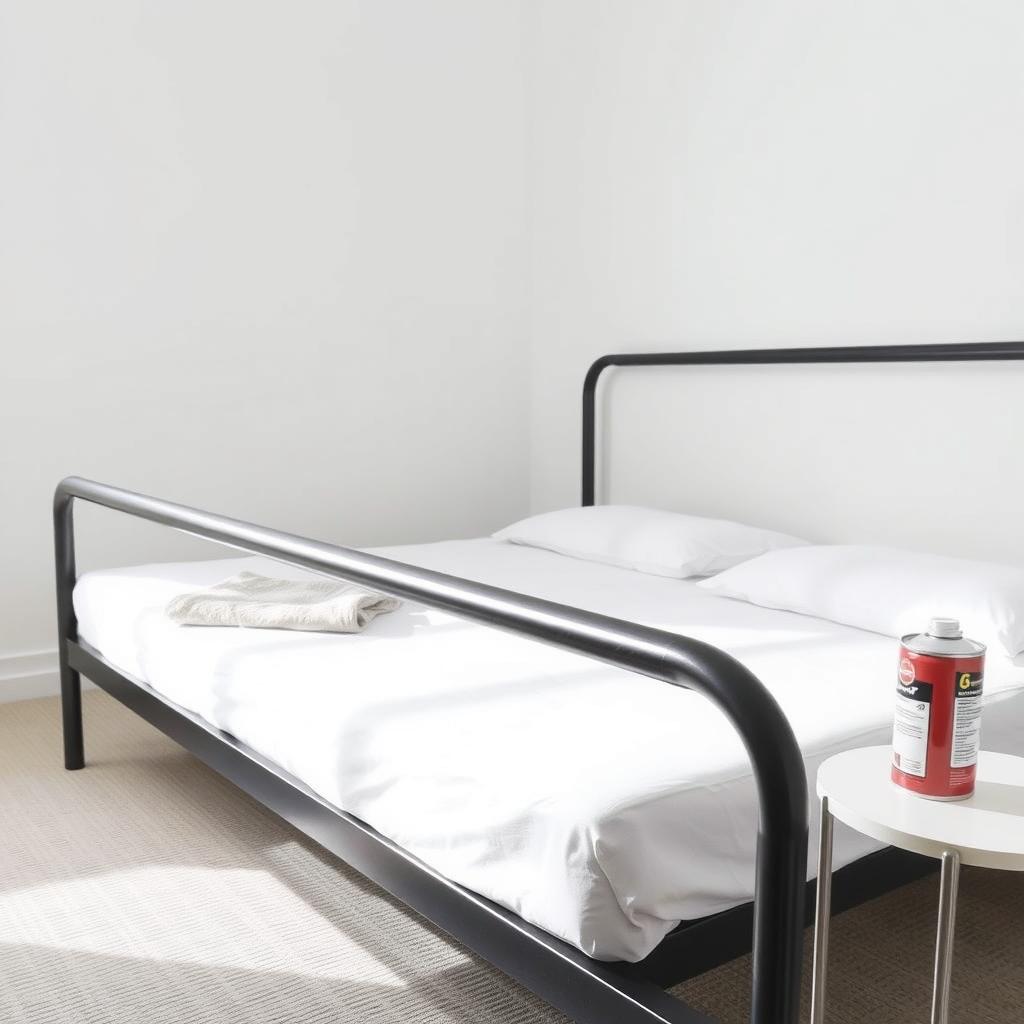
Metal Furniture Care Guide
- Dry after cleaning: Prevents rust and water spots.
- Check for rust: Treat early to avoid spreading.
- Use polish: Protects outdoor metal furniture.
- Avoid abrasives: Stick to soft cloths for cleaning.
General Furniture Care Tips
No matter the material, some rules apply across the board. Rotate cushions on sofas and beds to ensure even wear. I’ve noticed my couch looks lopsided if I skip this. Avoid placing furniture near vents or radiators, as temperature swings damage most materials. Regularly tighten screws on beds and chairs to keep them sturdy.
For tough stains or valuable pieces, consider professional cleaning. I once hired a pro to revive an antique chair, and it was worth every penny. Also, keep pets off furniture if possible—my cat’s claws did a number on my fabric sofa before I got a scratching post.
| Material | Cleaning Method | Frequency | Protection Tips |
|---|---|---|---|
| Wood | Damp cloth, mild soap | Weekly dusting, polish every 3 months | Use coasters, avoid sun |
| Leather | Wipe with damp cloth, condition | Monthly cleaning, condition every 6 months | Avoid heat, sharp objects |
| Fabric | Vacuum, spot clean | Weekly vacuum, spot clean as needed | Use fabric protector |
| Metal | Wipe and dry, rust treatment | Monthly cleaning, check for rust | Apply protective polish |
Summary: Keep Your Furniture Looking Great
Furniture care for different materials doesn’t have to be complicated. Regular cleaning, using the right products, and protecting your bed, sofa, or table from damage will keep them looking new. With these tips, you can enjoy your furniture for years while avoiding costly replacements.