


Featured Post
Maximizing Small Spaces with Smart Furniture Solutions
Overview
Living in a small space doesn’t mean sacrificing style or function. With the right approach, you can turn cramped quarters into a cozy, efficient home. Maximizing Small Spaces with Smart Furniture Solutions is about choosing versatile pieces and organizing them thoughtfully. This article shares practical tips, personal insights, and creative ideas to help you make the most of every square foot.
Why Smart Furniture Matters
Small spaces, like studio apartments or tiny urban homes, demand creativity. I’ve lived in a 400-square-foot apartment where every inch counted. The key? Furniture that does more than one job. Think foldable tables, storage ottomans, or beds with built-in drawers. These pieces save space while keeping your home clutter-free and stylish.
Smart furniture isn’t just about saving space—it’s about making your life easier. For example, a wall-mounted desk can serve as a workspace during the day and fold away at night. This kind of flexibility is a game-changer when square footage is limited.
Choosing the Right Furniture for Small Spaces
When picking furniture, prioritize multifunctionality. Here are some tips to guide your choices:
- Look for Dual-Purpose Pieces: A sofa bed is perfect for guests, doubling as a couch by day and a bed by night. I once used a sofa bed in my tiny apartment, and it saved me from needing a separate guest room.
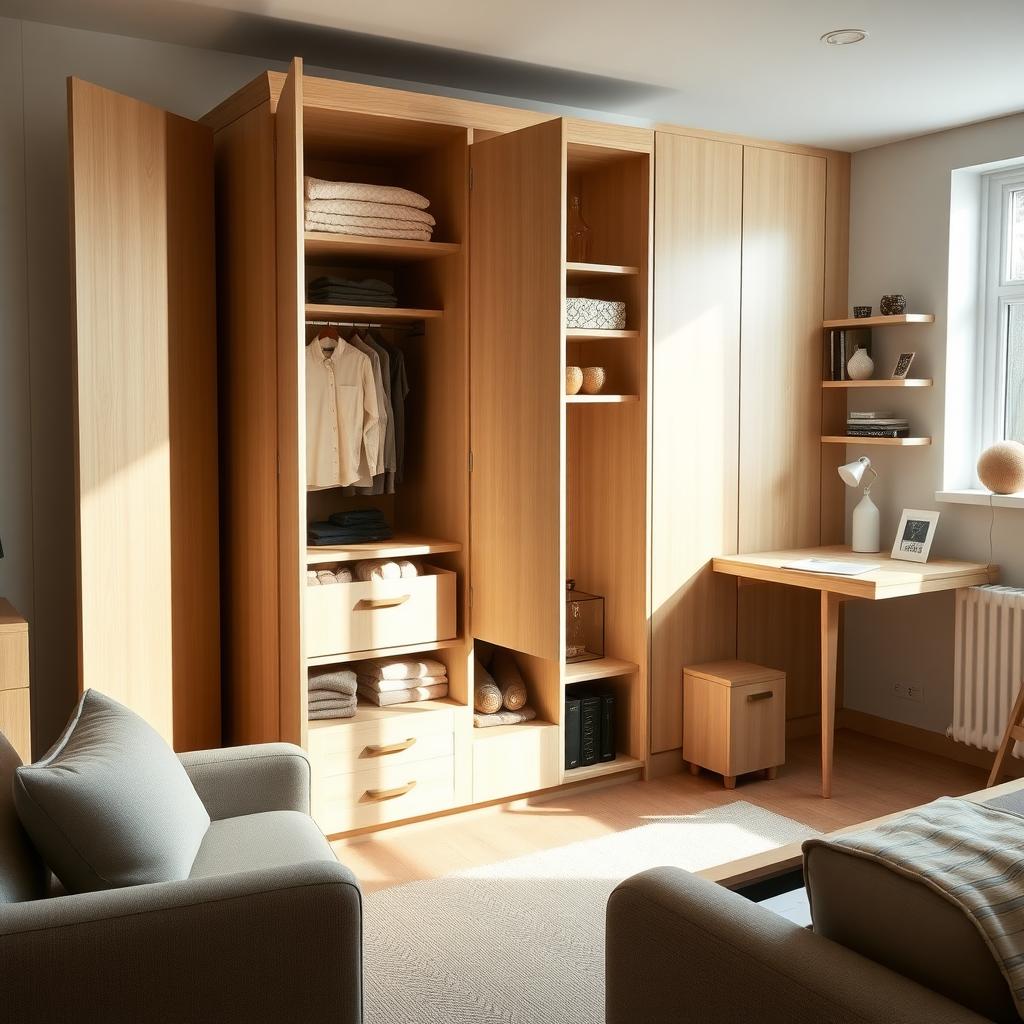
- Opt for Vertical Storage: Tall, narrow pieces like armoires use vertical space efficiently. They’re great for storing clothes, books, or even kitchen supplies.
- Consider Foldable or Stackable Items: Folding chairs or stackable stools can be tucked away when not in use.
- Choose Lightweight Furniture: Pieces that are easy to move, like modular shelving, let you rearrange your space as needed.
A great example is an armoire. It’s a classic piece that combines style and storage, perfect for small spaces.
How to Organize Your Armoire
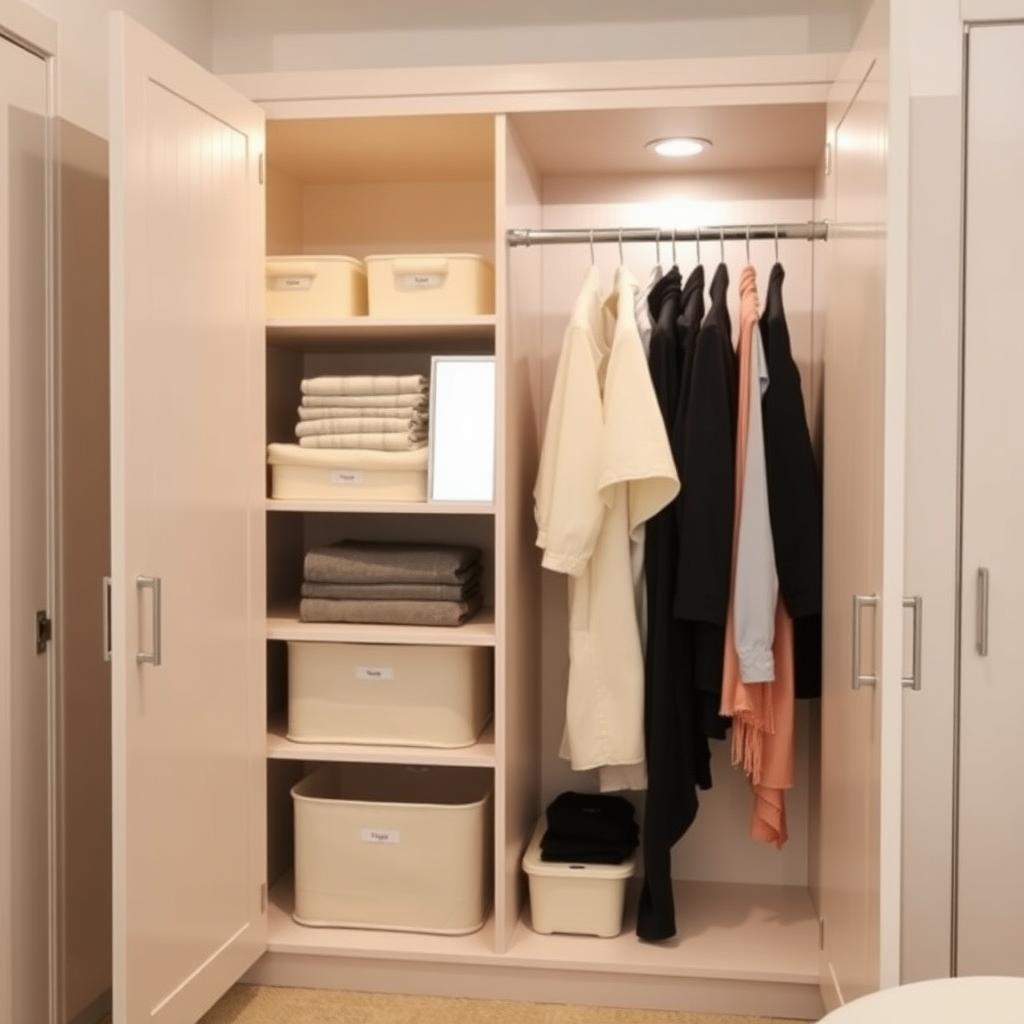
An armoire can be a lifesaver in a small space, but only if it’s organized well. Here’s how to organize your armoire to maximize its potential:
- Declutter First: Before organizing, sort through your items. Keep only what you need. I once cleared out half my wardrobe by donating clothes I hadn’t worn in a year.
- Use Bins and Dividers: Small baskets or dividers keep things tidy. I use fabric bins for socks and accessories.
- Maximize Vertical Space: Add extra shelves or hanging rods to double your storage. I installed a second rod in my armoire to hang more clothes.
- Prioritize Accessibility: Place frequently used items at eye level. Less-used items, like seasonal decor, can go on top shelves.
- Add Personal Touches: A small mirror or decorative hooks inside the armoire door can add function and charm.
A well-organized armoire can hold everything from clothes to electronics, freeing up floor space for other furniture.
Creative Furniture Solutions for Small Spaces
Beyond armoires, other smart furniture can transform your space. Here are some ideas:
| Furniture Type | Benefits | Example Use Case |
|---|---|---|
| Murphy Bed | Folds into the wall, saving floor space | Ideal for studio apartments |
| Storage Ottoman | Doubles as seating and storage | Store blankets or books inside |
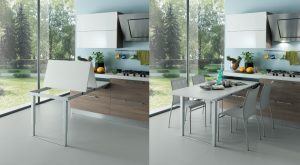
| Extendable Dining Table | Expands for guests, shrinks for daily use | Perfect for small kitchens |
| Wall-Mounted Shelves | Uses vertical space for decor or storage | Display plants or books |
I’ve used a storage ottoman in my living room to hide extra blankets, and it doubles as a footrest. These pieces make your home feel bigger without sacrificing comfort.
Space-Saving Layout Tips
How you arrange furniture is just as important as what you choose. Here are some layout strategies:
- Keep Pathways Clear: Leave enough room to move around comfortably. I learned this the hard way after tripping over a poorly placed coffee table.
- Use Corners Wisely: Corner shelves or desks fit into awkward spaces.
- Create Zones: Divide your space into functional areas, like a reading nook or a work corner, using rugs or furniture placement.
- Embrace Mirrors: Mirrors make a room feel larger. I hung a large mirror opposite a window to reflect light and open up my space.
These tricks help your furniture work harder, making even the smallest space feel open and inviting.
Personal Insights from Small-Space Living
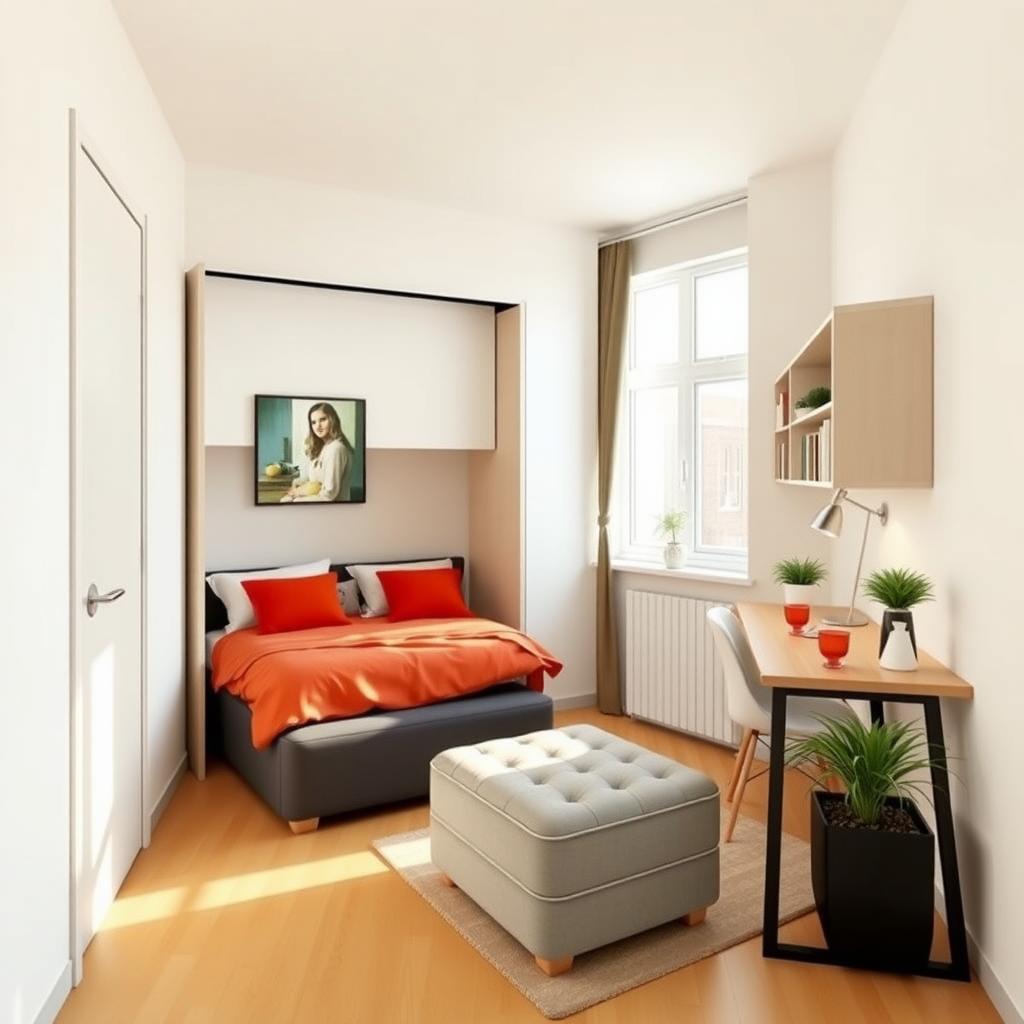
Living in a small apartment taught me to be intentional about every item I own. My armoire, for example, became my go-to storage solution. I organized it to hold not just clothes but also my laptop, cables, and even a small printer. This kept my desk clear and my space uncluttered.
Another lesson? Don’t be afraid to experiment. I once rearranged my furniture monthly to find the perfect layout. Each change taught me what worked best for my lifestyle. Small spaces force you to get creative, and that’s where smart furniture shines.
Common Mistakes to Avoid
It’s easy to make mistakes when furnishing a small space. Here are some to watch out for:
- Overcrowding: Too much furniture makes a space feel cramped. Stick to essentials.
- Ignoring Scale: Oversized furniture can overwhelm a small room. Measure before buying.
- Neglecting Storage: Without enough storage, clutter takes over. Always prioritize pieces with built-in storage.
I once bought a bulky chair that looked great online but dominated my living room. After replacing it with a sleeker option, the room felt twice as big.
Where to Find Smart Furniture
You don’t need a big budget to find smart furniture. Retailers like IKEA, Wayfair, and West Elm offer affordable, space-saving options. For inspiration, check out sites like Apartment Therapy (https://www.apartmenttherapy.com) for small-space design ideas. Local thrift stores can also be goldmines for unique, compact pieces.
When shopping, focus on quality over quantity. A sturdy armoire or a well-made sofa bed will last longer and save you money in the long run.
Summary
Maximizing Small Spaces with Smart Furniture Solutions is about working with what you have. By choosing multifunctional furniture, organizing your armoire effectively, and arranging your space thoughtfully, you can create a home that’s both practical and beautiful. Small spaces don’t have to feel limiting—they can inspire creativity and efficiency.