



Featured Post
Living Room Design Tips for Real Families
When it comes to designing spaces for everyday life, few rooms matter more than the living room. Families gather here to connect, relax, and simply be together. But with kids, pets, and hectic schedules, keeping it nice can feel impossible. These Living Room Design Tips for Real Families focus on real solutions that look good and work hard.
I've learned these lessons through trial and error in my own home. With two active children and an energetic dog, our living room has to handle heavy traffic while still feeling like a peaceful retreat. The key is choosing practical elements that don't sacrifice style. Forget perfect magazine spreads. Focus on what actually works for your unique family.

The best living room designs start with understanding how your family uses the space. Do your kids spread out on the floor to do art projects? Does your dog claim the best spot on the couch? Take a week to observe and note what happens in the room. Write down the activities, the traffic patterns, and the frustrations you notice.
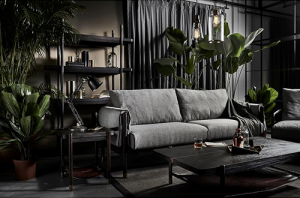
Consider durability first when picking furniture. Look for fabrics that resist stains and wear. Sectional sofas often work best because they provide plenty of seating and can adapt to different configurations. Avoid pieces with too many small parts that can break easily or sharp corners that hurt when someone bumps into them.
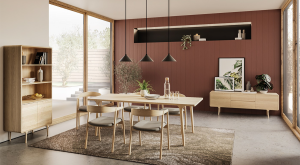
One of my favorite additions has been a beautiful sideboard. This versatile piece offers both storage and a place to display family photos or seasonal decorations. A sideboard keeps everyday items out of sight while contributing to the room's overall design. We chose one with adjustable shelves so it could grow with our storage needs.
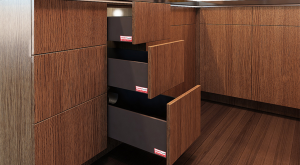
Mastering sideboard organization tips and tricks makes a huge difference in keeping the whole room tidy. Start by emptying the entire piece and cleaning it thoroughly. Sort items into keep, donate, or relocate piles. Use drawer organizers for small items like remote controls, charging cables, and board game pieces that always seem to end up in the living room.
Inside the cabinets, place clear bins to group similar items together. Label everything so family members can find and return things easily. On the surface, limit decor to three to five items arranged with breathing room between them. This creates a clean look that still feels personal and warm. Rotate decorative items seasonally to keep the space fresh without adding clutter.

Now let's talk about Stylish Yet Practical Ways to Declutter Your Home, starting right in the living room. Clutter builds up fast in family spaces with toys, shoes, mail, and blankets appearing from nowhere. The secret is creating simple systems that everyone from age three to adults can maintain without much effort.
Implement a 'one in, one out' rule for new items entering the living room. When you bring home a new toy or decor piece, something else must go. This prevents accumulation and teaches kids about making choices. Schedule quick five-minute resets before dinner each evening so the space starts fresh every morning.
According to Harvard Health's insights on how decluttering improves mental health, reducing visual clutter can lower cortisol levels and increase focus. This matters even more in homes with children where calm environments support better behavior and relaxation for everyone.
Use furniture with built-in storage like ottomans that open or coffee tables with shelves underneath. These pieces hide blankets, books, and electronic devices while serving their primary purposes. Choose a sideboard with both drawers and cabinets so you can separate frequently used items from those needed less often.
For colors and lighting, choose palettes that hide dirt well but still feel fresh. Grays, soft blues, and warm beiges work wonderfully with busy families. Layer your lighting with overhead fixtures, table lamps, and floor lamps to create different moods for different activities like reading, playing, or watching movies.
The U.S. Department of Energy offers excellent guidance on energy-efficient lighting choices that can help you create a functional and cost-effective family living room while keeping utility bills manageable.
Divide your living room into zones that support how your family lives. Create a reading corner with good task lighting and comfortable chairs. Set up a play area with soft flooring and accessible toy storage that kids can reach themselves. Arrange a conversation area with seating that faces each other rather than the television.
I remember when we finally organized our living room properly after years of struggling with chaos. We installed floating shelves for books instead of a traditional bookcase that took up precious floor space. The sideboard became command central for charging stations hidden behind a decorative panel. The difference in how the room felt was dramatic. Everyone seemed more relaxed and we actually wanted to spend time there together.

Here are additional Living Room Design Tips for Real Families to consider. First, anchor all tall furniture to the wall for safety if you have young children. Second, choose area rugs that are easy to clean and sized properly so they do not create trip hazards. Third, incorporate a few low-maintenance plants for better air quality and a calming natural element. Finally, add personal touches like family artwork displayed at kids' eye level to make them feel the room belongs to them too.
Consider this comparison of popular furniture choices for family living rooms:
| Furniture Type | Family Benefits | Maintenance Level |
|---|---|---|
| Leather Sofa | Easy to wipe clean, durable against scratches | Low |
| Fabric Sectional | Comfortable for multiple people, many color options | Medium - choose performance fabric |
| Wood Sideboard | Excellent storage, timeless look, versatile display space | Low |
| Storage Ottoman | Hides blankets and toys, serves as extra seating | Low |
Remember that perfection is not the goal with Living Room Design Tips for Real Families. Your living room should reflect your family's personality and support your daily routines. Small changes like better organization through sideboard organization tips and tricks, smarter furniture choices, and Stylish Yet Practical Ways to Declutter Your Home can make a big impact on how your home feels.
In summary, successful living rooms for families combine durable furniture, smart storage solutions like a well-organized sideboard, and intentional design choices. By applying these practical ideas, you will create a space that looks pulled together even on busy days. Start with one small change this weekend and build from there. Your family will thank you.