


Featured Post
The Future of Furniture: Trends in Modular Design
The way we live keeps changing, and our furniture needs to keep up. The Future of Furniture: Trends in Modular Design points to pieces that adapt, grow, and even transform with us. From small city apartments to growing families, modular systems make spaces work harder without taking up more room.
In this article, we will look at real-world examples, share personal experiences, and give you clear steps to make better choices. You will learn why modular furniture matters, how multi-functional pieces solve daily problems, and where the industry heads next. The best part? These trends focus on sustainability, personal style, and smart design that lasts.

Modular furniture consists of separate parts that connect in different ways. Think of building blocks for adults. A sofa might become a chaise lounge, an entertainment center, or even a guest bed. This flexibility helps people who move often, change their needs, or simply want fresh layouts without buying new items.
I switched to modular pieces three years ago when my family grew. What started as a simple sectional now serves as a reading nook, play area for kids, and movie night setup. The change saved money and reduced stress during our busy days.
The Benefits of Modular Furniture
Modular furniture offers clear advantages that traditional designs often miss. First, it lasts longer because you can replace or update only worn parts instead of the whole piece. This approach cuts waste and saves money over time.
Second, it adapts to your life. A young professional might need a compact desk that turns into a dining table for weekend guests. New parents can reconfigure storage as children grow. The flexibility creates rooms that truly work for daily routines.
Third, modular systems support sustainability. Many brands now use recycled materials and design for easy disassembly. According to circular economy principles outlined by the Ellen MacArthur Foundation, designing products that can be repaired and reconfigured reduces environmental impact significantly.
Here are the top benefits listed clearly:
- Easy updates: Change covers or add sections without replacing everything
- Space efficiency: Pieces serve multiple purposes in small homes
- Cost savings: Buy once and adapt instead of purchasing new furniture regularly
- Eco-friendly: Less waste through repairable and recyclable designs
- Personal expression: Mix colors, fabrics, and shapes that match your taste
A 2022 study from the University of Cambridge Institute for Sustainability Leadership showed that homes using adaptable furniture reported 34% higher satisfaction with their living spaces over five years. The data confirms what many users already feel: modular designs simply make life easier.
The Rise of Multi-Functional Furniture
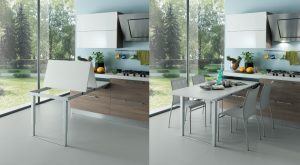
The Rise of Multi-Functional Furniture reflects how we live today. Remote work, smaller living spaces, and changing family needs drive demand for pieces that do more than one job. A coffee table that rises into a desk, a bench with hidden storage, or a shelving unit that folds into a guest bed all solve modern problems.
These designs shine in urban apartments where every square foot counts. Instead of separate office, dining, and living areas, one well-designed piece handles all three functions. Manufacturers respond with clever mechanisms that look beautiful while working smoothly.
During the pandemic, I watched friends struggle with makeshift workspaces. Those who invested in multi-functional furniture adapted faster and reported less frustration. One colleague used a modular wall unit that converted from display shelves to a full home office in seconds.
Current trends focus on seamless transitions. Hidden hinges, smooth mechanisms, and integrated technology make these pieces feel like magic rather than complicated machines. Many now include wireless charging surfaces or built-in LED lighting that adjusts throughout the day.

Futons play an important role in this movement. Once considered basic college furniture, today's futons feature strong frames, comfortable mattresses, and endless style options. The ability to change looks quickly makes them perfect for people who love to refresh their space.
Customizable futon covers for unique styles let homeowners match any decor. From soft linen for minimalist rooms to rich velvet for dramatic effect, these covers transform a single piece into many different looks throughout the years. Many companies now offer prints designed by independent artists, giving even more personality.
I recently helped my sister update her small guest room. We chose a quality futon frame and ordered three different covers. She uses a neutral cover most days but switches to a fun pattern when hosting her creative friends. The room feels completely different with each change, yet costs far less than buying multiple pieces of furniture.
Design experts at the Rhode Island School of Design emphasize that personalization drives emotional connection to our belongings. When furniture reflects our personality and adapts to our needs, we take better care of it and keep it longer.
Future Innovations to Watch
Looking ahead, technology will blend even more with modular systems. Imagine furniture that responds to voice commands, adjusts height automatically, or suggests new configurations based on your routines. Sensors might track wear and recommend replacement parts before problems appear.
3D printing could revolutionize customization. In the near future, you might scan your space and order perfectly sized modular components printed on demand. This approach reduces shipping costs and material waste while creating exact fits for unusual room shapes.
Sustainability remains central to these developments. Forward-thinking companies explore mushroom-based materials, recycled ocean plastics, and biodegradable composites. These innovations maintain durability while lowering environmental impact.

Biophilic design elements also gain popularity. Modular systems that incorporate living plants, natural wood textures, and organic shapes help connect indoor spaces with nature. Research from Stanford University's Human-Centered Artificial Intelligence group suggests these nature-inspired designs improve mental wellbeing and productivity.
For those starting their modular journey, begin small. Choose one versatile piece like a storage ottoman or a simple futon. Learn how the system works in your home before investing in larger configurations. Pay attention to quality of materials and ease of assembly.
Consider your daily routines. Do you need a workspace that disappears at night? Would flexible seating help when friends visit? Answering these questions helps select the right modular solutions rather than following trends blindly.
Maintenance matters too. Look for fabrics that resist stains and mechanisms that operate smoothly. Many companies now offer detailed care guides and replacement parts, extending the life of your investment significantly.
The Future of Furniture: Trends in Modular Design shows a shift toward thoughtful, adaptable living. These pieces help us create homes that grow with us while respecting our planet. By choosing modular systems and adding personal touches like customizable futon covers for unique styles, we build spaces that feel truly ours.
Start exploring these options today. Whether you pick a simple futon or a full modular living room set, the benefits appear quickly. Your home becomes more functional, your choices more sustainable, and your style more personal. The future looks flexible, and that feels exactly right.