


Featured Post
Mixing Modern and Industrial Styles in Your Home: A Practical Guide
Mixing modern and industrial styles in your home can create spaces that are both functional and full of character. This combination brings together smooth lines with rugged textures for an inviting yet contemporary feel. In this guide, you'll find practical advice to make it work in your own house, with tips drawn from real experiences.

Let's break down what makes each style unique before we explore how to combine them. Modern interior design focuses on simplicity, clean lines, and keeping things uncluttered. It often features neutral colors, smooth surfaces, and furniture without extra decoration. The goal is to create open, airy spaces that feel calm and purposeful.
Industrial style takes inspiration from old factories and warehouses. You will notice exposed brick walls, visible ductwork and pipes, metal elements, and wood that shows its natural wear. This style celebrates raw materials and the beauty found in functional, sturdy construction.
The magic happens when you mix the two. Modern design brings order and minimalism while industrial elements add depth, texture, and a sense of history. In my own downtown apartment, I started with modern white walls and simple layouts, then added industrial touches like metal lighting fixtures and wooden shelves with visible brackets. The result felt warm and interesting instead of cold or plain. Many friends asked how I created the look, which showed me this mix appeals to people who want a home that feels personal rather than like it came from a catalog.
Why choose mixing modern and industrial styles in your home? The combination offers several clear benefits. It adds visual interest without making rooms feel busy. A purely modern room can sometimes look too perfect and impersonal, but industrial details like exposed brick or metal beams give it soul and character.
These styles also work well together because they share a love for honest materials. Both avoid heavy ornamentation, making them natural partners. The mix creates homes that feel current but also timeless.
From my experience updating our family room three years ago, this approach increased the comfort level dramatically. I replaced a basic modern coffee table with one that had industrial wheels and a thick wood top. Suddenly the room invited people to gather and relax. The furniture became more than just useful items. They sparked conversations.
Durability is another plus. Industrial furniture tends to be built strong, often using steel and solid wood that lasts for years. When paired with modern pieces that focus on simple forms, you get a home that looks good and stands up to daily life. This practical side matters if you have kids or pets, as I do.
Successful mixing depends on a few key principles that keep the look balanced. Start with your overall color scheme. A neutral palette works best with shades of gray, black, white, beige, and warm metallics. These colors allow the different textures to stand out instead of competing with bright patterns.
Materials should contrast but feel connected. Smooth glass and sleek surfaces pair nicely with rough wood, exposed brick, and matte metal. For example, a modern sofa with straight lines looks excellent against an industrial-style media console made from pipes and wood.
Lighting offers an easy way to blend the styles. Choose modern recessed lights for general illumination and add industrial cage pendants or lamps with visible Edison bulbs for character.
Here is a useful list of combinations that tend to work well: - Modern platform beds with nightstands that have metal frames - Sleek kitchen cabinets paired with open industrial shelving - Concrete or wood floors with layered rugs for softness - Minimal window treatments that highlight original architectural details like pipes or beams
Pay attention to scale and proportion too. A large industrial piece needs enough breathing room so it does not overwhelm the modern elements around it. When I first tried this mix, I added too many metal pieces at once. The room felt cold until I introduced soft textiles and balanced the hard surfaces. Learning to edit your choices makes a big difference.

The bedroom offers an ideal place to practice mixing modern and industrial styles in your home because it is a personal retreat where you can balance relaxation with edge. Begin with a simple modern bed frame that sits low to the ground. This creates a calm foundation.
Nightstands for modern and industrial styles often become the focal point in these rooms. Look for a nightstand that combines a warm wood top with sturdy black steel legs or frame. This mix gives you the clean look of modern design with the strength and character of industrial furniture. The height should match your mattress for easy reach, and drawers provide handy storage for books, chargers, or reading glasses.
I selected exactly this type of nightstand for our master bedroom. The wood surface feels warm and inviting while the metal base adds the industrial touch I wanted. It holds a lamp with a visible bulb, reinforcing the style without making the room feel dark or heavy. Adding modern wall sconces instead of traditional overhead lights completed the look.
For walls, paint most surfaces a soft neutral gray or white, then create one feature with exposed brick or a concrete-like finish. Keep window coverings simple, such as roller shades or light curtains that maintain the clean modern lines. Textiles like linen bedding and a chunky knit throw bring softness that balances the harder industrial materials. The result is a bedroom that helps you unwind while still showing personality.
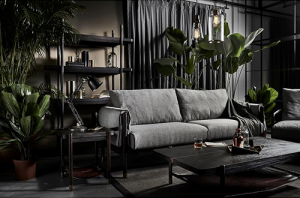
Different rooms present unique opportunities when mixing modern and industrial styles in your home. Living rooms benefit from a modern sectional sofa paired with an industrial coffee table that has wheels or pipe details. Add metal and wood shelving units to display books and artwork. This creates a gathered, lived-in feeling while keeping the space organized.
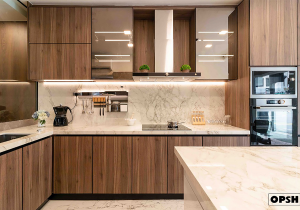
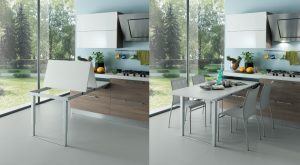
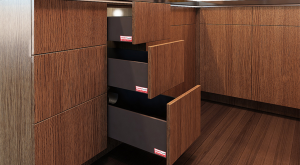
In kitchens, modern flat-panel cabinets contrast beautifully with industrial open shelving and stainless steel appliances. A concrete countertop adds to the industrial vibe while pendant lights with metal cages hang above a simple modern dining table. Bar stools that mix wood seats with metal legs tie the elements together.
Home offices can use this style mix to boost focus and creativity. A sleek modern desk with clean lines works well with an industrial task lamp and metal filing cabinets. The combination feels professional yet inspiring.
Throughout all these spaces, furniture choices determine the success of your design. Seek versatile pieces that bridge both aesthetics. A good nightstand, for instance, can feature a simple rectangular shape typical of modern style but use riveted metal corners that nod to industrial roots. When selecting any furniture, test how it feels in the actual space before buying. I once ordered a large industrial bookshelf online only to discover it blocked too much light. Learning from that mistake, I now measure carefully and consider both form and function. This thoughtful approach helps create rooms you truly enjoy spending time in.

Putting these ideas into practice requires some practical strategies. Start small by updating one room at a time instead of tackling your whole house. Pick your largest furniture pieces first since they establish the foundation for the style mix. Then layer in smaller items like lamps, rugs, and artwork.
Incorporate plenty of plants and natural elements. Greenery softens the industrial edges and adds life to modern minimalism. Textiles also play an important role. Cushions, throws, and area rugs prevent the space from feeling too hard or cold.
Common mistakes include going overboard with one style. Too much exposed metal can create an unwelcoming atmosphere while too many modern sleek surfaces may lack personality. Another error is using too many different metal finishes. Sticking to one or two, such as matte black and brushed nickel, creates better flow.
I learned these lessons through trial and error in my own home. My first attempt at an industrial-modern living room had too many metal accents and not enough soft elements. The room felt echoing and uncomfortable until I added a large area rug and comfortable seating. Now the space works beautifully for both family movie nights and entertaining friends.
Remember that good design should support how you actually live. Focus on creating areas for the activities you enjoy most. If you love reading, make sure your nightstand and nearby lighting support that habit. This practical mindset leads to spaces that look good in photos and feel even better in daily life. Design experts at sites like Architectural Digest have highlighted how this style mix continues to evolve in urban homes because it adapts so well to different needs and budgets.
Mixing modern and industrial styles in your home creates distinctive spaces that feel both current and full of character. By understanding the strengths of each approach, focusing on balance with your colors and materials, and choosing furniture carefully, including the right nightstand, you can design rooms that look great and work well for your lifestyle.
The process does not need to happen all at once. Start with pieces that speak to you and build gradually while keeping a neutral base. Trust your own taste as you go. The most successful homes reflect the people who live there rather than following strict rules.
This design approach remains popular because it suits many different home types and personal preferences. Whether you live in a small apartment or a larger house, these styles can be adapted to create something unique. The combination of modern simplicity and industrial strength delivers a home that feels both fresh and enduring. Take these ideas, experiment in your own space, and enjoy creating a home that truly feels like yours.