


Featured Post
Understanding Dining Table Sizes and Shapes: Your Guide to Functional and Stylish Dining Spaces
Quick Overview
Picking the right dining table sets the stage for family dinners and lively gatherings. In this guide to Understanding Dining Table Sizes and Shapes, you'll learn how dimensions and forms fit your space. We'll share dining furniture layout tips, explore dining sets, and offer insights to make your furniture choices effortless and smart. (42 words)

Why Dining Table Size and Shape Matter
Think about your last big meal. Did everyone fit comfortably? Could you pass the salt without stretching? The size and shape of your dining table affect more than just looks—they shape how you connect over food.
A table that's too big crowds your room. One that's too small leaves guests perched awkwardly. Shape plays a role too. A round table sparks easy chats, while a rectangle suits formal spreads.
In my own home, I once crammed a long rectangular table into a narrow space. Chairs scraped walls, and serving felt like a workout. Swapping it for a round one opened up flow and made dinners cozier. That's the magic of getting this right.
Start by measuring your dining area. Add at least 36 inches around the table for chair pull-out and movement. This buffer prevents that frustrating bump-and-shuffle during meals.
Experts agree on this clearance. For instance, spacing recommendations from the University of Illinois suggest keeping tables 2 feet from walls when chairs tuck in, and 3 to 4 feet between multiple tables in shared spaces.
Shape influences traffic too. Curves like rounds or ovals soften edges, ideal for kids or tight corners. Straights, like rectangles, maximize length for larger groups.
Consider your lifestyle. Casual brunchers? Go round. Holiday hosts? Rectangle wins for elbow room.
Common Dining Table Shapes and Their Perks
Dining tables come in four main shapes: rectangular, round, square, and oval. Each fits different vibes and rooms. Let's break them down with pros and cons.
Rectangular Tables
The classic choice. These stretch space lengthwise, perfect for narrow rooms or big families.
Pros: - Seats more people per foot. - Easy to add leaves for expansion. - Aligns with most dining sets.
Cons:n- Corners can feel sharp. - Head-of-table dynamics might dominate talks.
I love rectangles for Sunday roasts—they line up platters neatly.
Round Tables
No head, no hierarchy. Everyone's equal in conversation.
Pros: - Promotes flow in small spaces. - Safer for playful kids—no pointy edges. - Cozy for intimate dinners.
Cons: - Takes more floor space for the same seats. - Harder to squeeze against walls.
Design research from North Carolina State University highlights how rounds boost social interaction by reducing barriers.
Square Tables
Bold and balanced. Great for square rooms.
Pros: - Symmetrical seating. - Modern, space-efficient look. - Fits snugly in corners.
Cons: - Limits guests to four comfortably. - Can feel boxy in flow-heavy homes.
Pair one with a pedestal base to tuck chairs close.
Oval Tables
Rectangle's softer sibling. Blends length with curve.
Pros: - Elegant for formal setups. - Less wall-hugging issues than straights. - Extends easily.
Cons: - Custom sizes cost more. - Not as chatty as rounds.
Ovals shine in transitional spaces, like open kitchens.

Sizing Your Dining Table Right
Size boils down to seats and scale. Aim for 24 inches per person width-wise. That's elbow room without overlap.
Height stays standard at 30 inches for most adults. Taller folks? Opt for 32 inches to avoid knee knocks.
Place setting guidelines from Oregon State University Extension recommend 24 inches wide by 15 inches deep per spot. This keeps settings balanced and spill-free.
Here's a quick reference table for common sizes. Use it to match your crew.
| Shape | Seats | Length x Width (inches) | Room Size Needed (sq ft) |
|---|---|---|---|
| Rectangular | 4 | 36 x 48 | 100-120 |
| Rectangular | 6 | 60 x 36 | 120-150 |
| Rectangular | 8 | 72 x 40 | 150-180 |
| Round | 4 | 42 diameter | 80-100 |
| Round | 6 | 60 diameter | 120-140 |
| Square | 4 | 36 x 36 | 80-100 |
| Oval | 6 | 72 x 42 | 130-160 |
These draw from furniture dimension standards at City University of New York, where round diameters calculate as (seats x 26 inches) / π for precise fit.
Don't forget depth. Narrow tables (under 36 inches) suit sides-only seating. Wider ones? Great for centerpieces but check legroom.
Test in person. Sit around a display model. Can you cross your legs? Reach across comfortably?
For small homes, counter-height tables (36 inches) double as bars. They lift sightlines and save visual bulk.
Dining Furniture Layout Tips
Layout turns a table into a hub. Poor placement kills vibe; smart ones invite linger.
First, anchor to traffic. Keep paths 36 inches wide for easy passes.
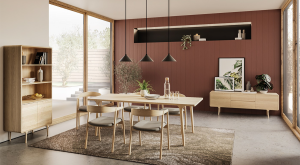
In open plans, float the table to define zones. Rugs underfoot ground it.
Here's a checklist for killer dining furniture layout tips:
- Measure twice: Sketch your room. Plot table, chairs, and doors.
- Layer lighting: Pendant over center draws eyes.
- Balance scale: Tall buffet opposite small table evens heights.
- Zone with rugs: 8x10 feet catches table plus chair pull-out.
- Wall-wise: 30-36 inches from edges for art or servers.
In my redesign, I pushed a square table into a bay window. It caught morning sun, turning breakfasts golden. Simple shift, huge payoff.
For dining sets, match table to chairs by height first, style second. Mismatched? It adds charm if proportions align.

Mix shapes for fun. Round table, rectangular bench—hybrids flex best.
Outdoor? Weatherproof shapes like teak ovals withstand elements.
Personal Touches: Making It Yours
Tables aren't just furniture. They're storytellers. Mine holds scratches from kids' crafts and wine rings from laughs.
Add personality with runners or lazy Susans. They protect while personalizing.
When shopping, feel the wood. Solid oak warms; glass cools modern edges.
Budget hack: Vintage finds resize with custom tops. I scored a farm table base and topped it oval—unique and under $300.
Sustainability matters. Look for FSC-certified woods. They support forests while seating your crew.
Kids in tow? Rounded edges and stable bases prevent tumbles.
Common Mistakes to Dodge
We've all been there. Oversized table? It dwarfs the room. Undersized? Guests stack plates on laps.
Skip trends for timeless. That flashy pedestal might wobble under feasts.
Ignore scale at peril. A grand 10-seater in a galley kitchen? Recipe for regret.
Pro tip: Mock it up with tape on floors. Visualize before buying.
And ventilate. Steam from pots warps cheap laminates fast.
Wrapping It Up
Mastering Understanding Dining Table Sizes and Shapes unlocks dining rooms that feel just right. From picking rectangles for rows to rounds for rapport, and weaving in dining furniture layout tips, your dining set becomes a joy. Measure, test, and trust your gut—you'll host with ease. Next meal? It'll shine. (1487 total words)