







Featured Post
Childproofing 101: A Parent’s Guide to a Safe Home
Overview
Raising a curious toddler or an adventurous infant means turning your home into a safe haven. Childproofing 101: A Parent’s Guide offers practical steps to protect your child without sacrificing style or function. From securing furniture to choosing safe pieces for kids’ rooms, this guide covers it all.
Why Childproofing Matters
Kids explore the world with boundless energy, and their curiosity can lead to unexpected dangers. According to the U.S. Consumer Product Safety Commission, over 30,000 children visit emergency rooms annually due to furniture tip-overs. As a parent, I’ve seen my toddler try to climb bookshelves like a mountain. Childproofing isn’t just about locking cabinets—it’s about creating a space where kids can explore safely.
Childproofing also evolves as your child grows. A crawling baby needs different protections than a running preschooler. This guide walks you through How to Childproof Your Home Step-by-Step, ensuring every stage is covered.
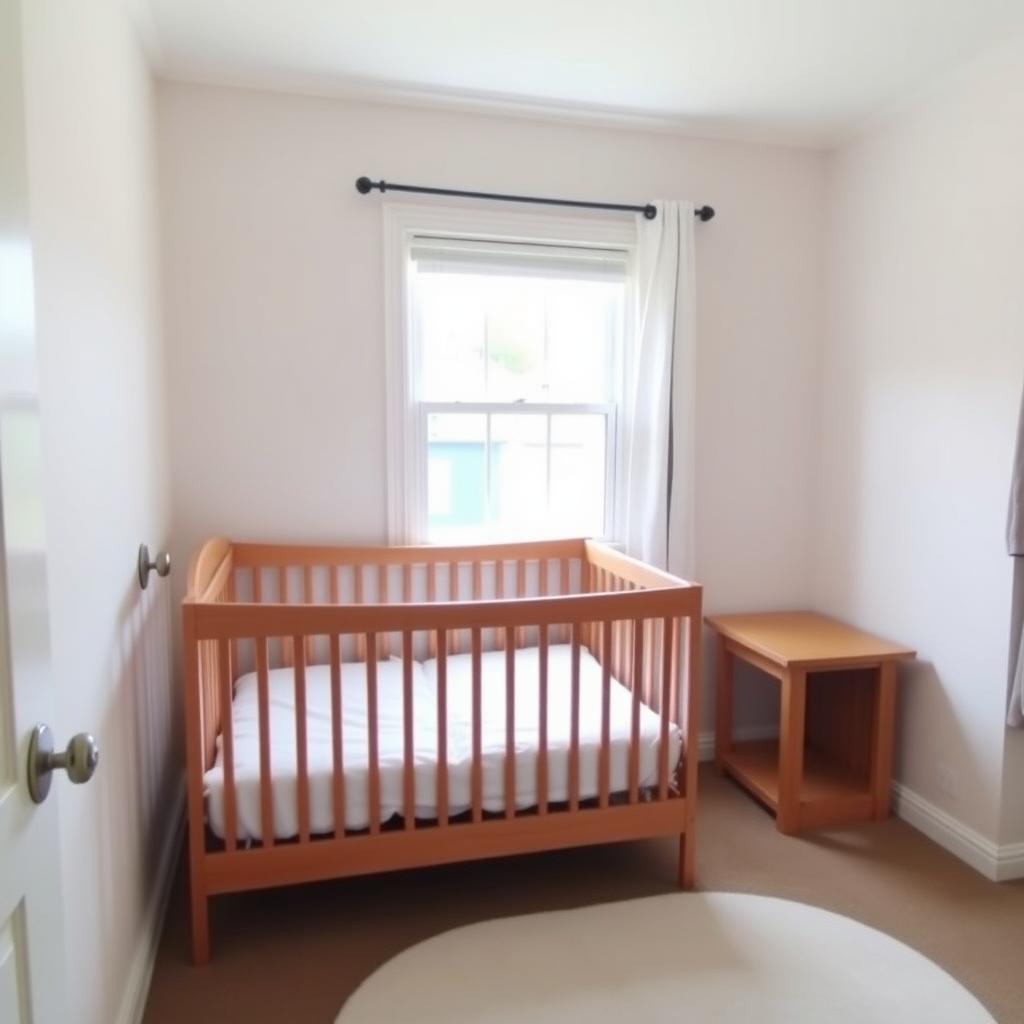
How to Childproof Your Home Step-by-Step
Childproofing can feel overwhelming, but breaking it down into manageable steps makes it easier. Here’s a clear plan to get started:
-
Assess Your Space: Walk through your home at your child’s eye level. Look for sharp edges, dangling cords, or unstable furniture. I once found a lamp cord my son could pull down in seconds.
-
Secure Heavy Furniture: Anchor bookshelves, dressers, and TVs to the wall using anti-tip straps. The American Academy of Pediatrics emphasizes that tip-overs are a leading cause of injury for young kids.
-
Cover Outlets and Cords: Use outlet covers and cord organizers. Sliding outlet covers are great for curious fingers.
-
Lock Cabinets and Drawers: Install safety latches on cabinets containing cleaning supplies or sharp objects. Magnetic locks are discreet and effective.
-
Soften Sharp Edges: Add corner guards to tables and countertops. Foam guards work well and come in neutral colors to blend with decor.
-
Check Window Safety: Install window stops or guards to prevent falls. Windows should open no more than 4 inches.
-
Secure Small Objects: Keep coins, small toys, or batteries out of reach to prevent choking hazards.
This step-by-step approach helped me transform our living room from a hazard zone into a safe play area. It’s not about perfection—it’s about reducing risks.
Choosing Safe Furniture for Your Kids’ Room
Furniture in a child’s room should be both functional and safe. When I was setting up my daughter’s nursery, I spent hours researching Safety Tips for Kids' Room Furniture. Here’s what I learned:
-
Stability First: Choose low, sturdy pieces. A wobbly nightstand can tip if a child pulls on it. Look for furniture with wide bases.
-
Rounded Edges: Sharp corners are a no-go. Opt for nightstands and dressers with rounded edges to minimize injury.
-
Non-Toxic Materials: Ensure furniture is made from non-toxic, lead-free materials. The Environmental Protection Agency warns that lead exposure can harm young children.
-
Secure to Walls: Even the safest furniture can tip if not anchored. Always use wall anchors for tall pieces like dressers or bookshelves.
Nightstands for Kids’ Bedrooms and Nurseries
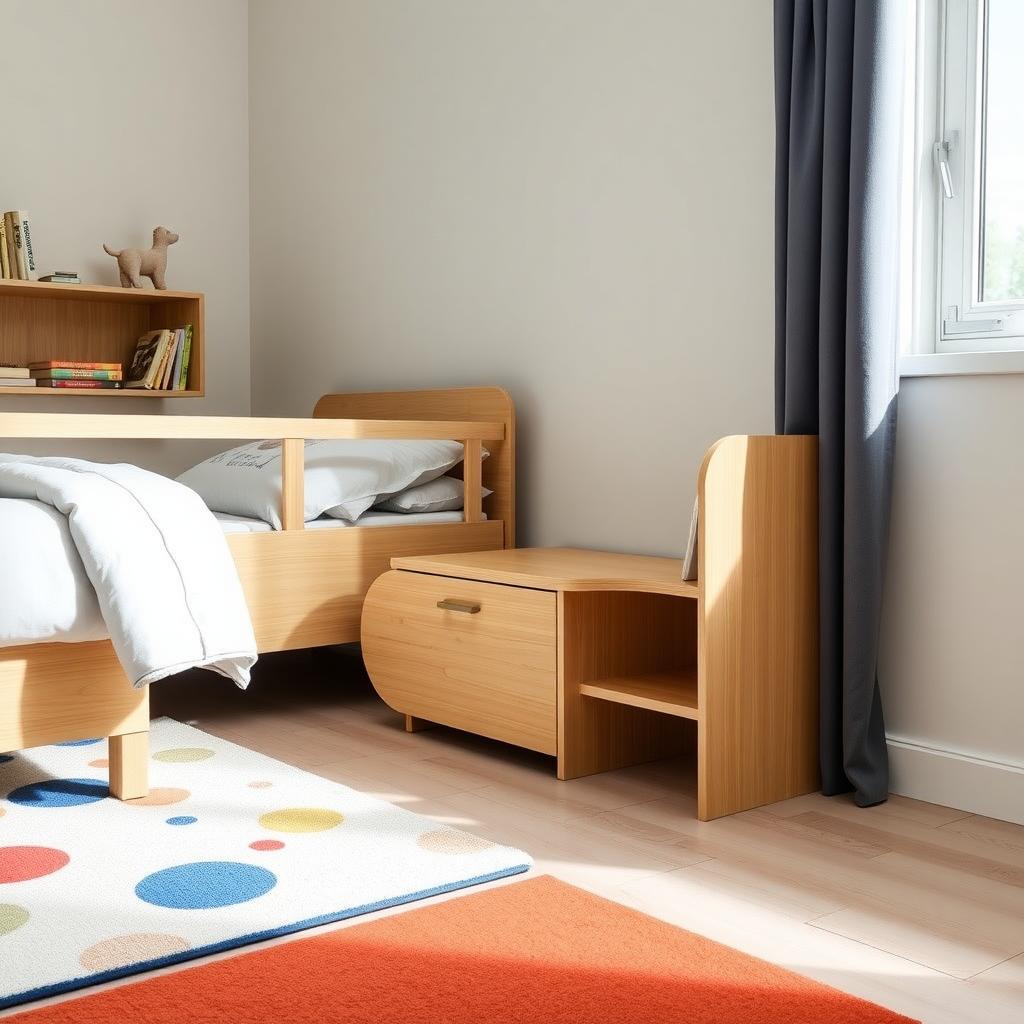
Nightstands for kids’ bedrooms and nurseries are often overlooked but critical for safety. A nightstand should be low to the ground, ideally no taller than 24 inches, to prevent climbing injuries. When my son started toddling, we swapped our tall nightstand for a shorter one with soft-close drawers to avoid pinched fingers.
Here are key features to look for:
| Feature | Why It Matters |
|---|---|
| Low Height | Prevents climbing and reduces fall risks |
| Rounded Edges | Minimizes injury from bumps |
| Soft-Close Drawers | Protects little fingers |
| Stable Base | Reduces tipping risk |
| Non-Toxic Finish | Safe for kids who chew or touch surfaces |
I also recommend choosing nightstands with minimal hardware. Knobs can be a choking hazard if they come loose. A sleek, handle-free design worked best for us.
Additional Safety Tips for Kids’ Rooms
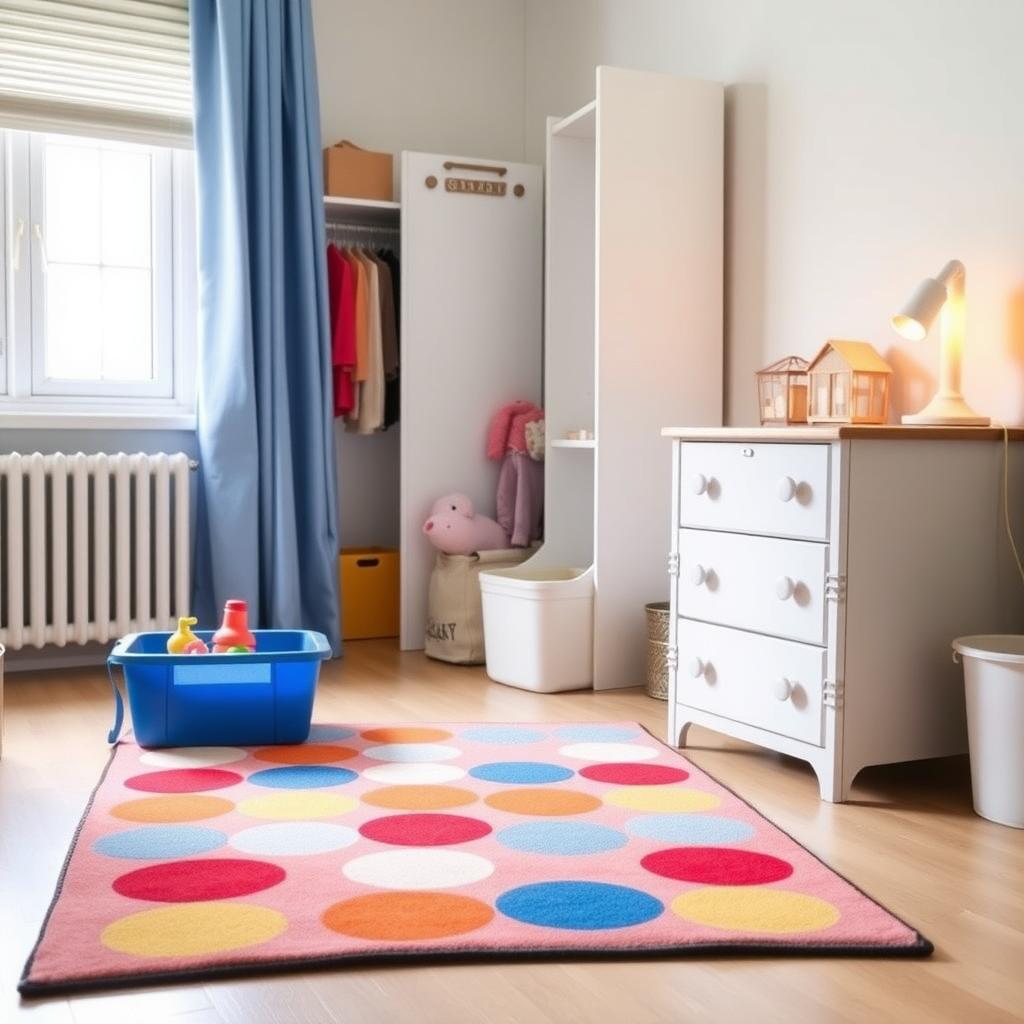
Beyond furniture, other elements in a child’s room need attention. Here are some practical Safety Tips for Kids' Room Furniture and beyond:
-
Lighting: Use cordless lamps or secure cords out of reach. I switched to battery-operated nightlights after my daughter yanked a lamp cord.
-
Rugs and Mats: Choose non-slip rugs to prevent tripping. Secure them with rug tape.
-
Toy Storage: Use bins without lids or with lightweight, ventilated lids to avoid trapping kids inside.
-
Bedding: For cribs, use fitted sheets and avoid pillows or blankets for infants under one, as recommended by the Centers for Disease Control and Prevention to reduce SIDS risk.
These small changes made a big difference in my kids’ rooms, giving me peace of mind.
Common Mistakes to Avoid
When childproofing, it’s easy to miss hidden dangers. Here are mistakes I made and how to avoid them:
-
Skipping Wall Anchors: I assumed heavy furniture wouldn’t tip. After a close call with a bookshelf, I anchored everything.
-
Ignoring High Shelves: Kids climb. Remove items from high shelves that could tempt them.
-
Overlooking Choking Hazards: Small decor, like decorative stones, can be a risk. Store them out of reach.
-
Assuming It’s Done: Childproofing isn’t a one-time task. Reassess as your child grows.
Regular checks and updates keep your home safe as your child’s abilities change.
Summary
Childproofing your home is an ongoing process that adapts to your child’s growth. By following Childproofing 101: A Parent’s Guide and How to Childproof Your Home Step-by-Step, you can create a safe environment. Focus on secure furniture, safe nightstands, and small details like outlet covers. With these steps, your kids can explore safely, and you can breathe easier.