






Featured Post
Advanced Woodworking Techniques for Beginners: A Comprehensive Guide
Overview: Unlocking Advanced Woodworking for Beginners
Woodworking is a rewarding craft that blends creativity and skill. For beginners eager to elevate their projects, advanced woodworking techniques can seem daunting but are entirely achievable with the right guidance. This article dives into practical methods, tool choices, wood selection, and furniture care to help you craft beautiful, lasting pieces.
Why Start with Advanced Techniques?
As a beginner, you might wonder why you should explore advanced woodworking techniques early on. The truth is, mastering a few sophisticated skills from the start can set you up for success. When I first started woodworking, I stuck to basic cuts and joints, but learning techniques like dovetail joints or wood finishing transformed my projects. These methods aren’t just for experts—they’re accessible with practice and patience.
The Best Woodworking Tools for Beginners
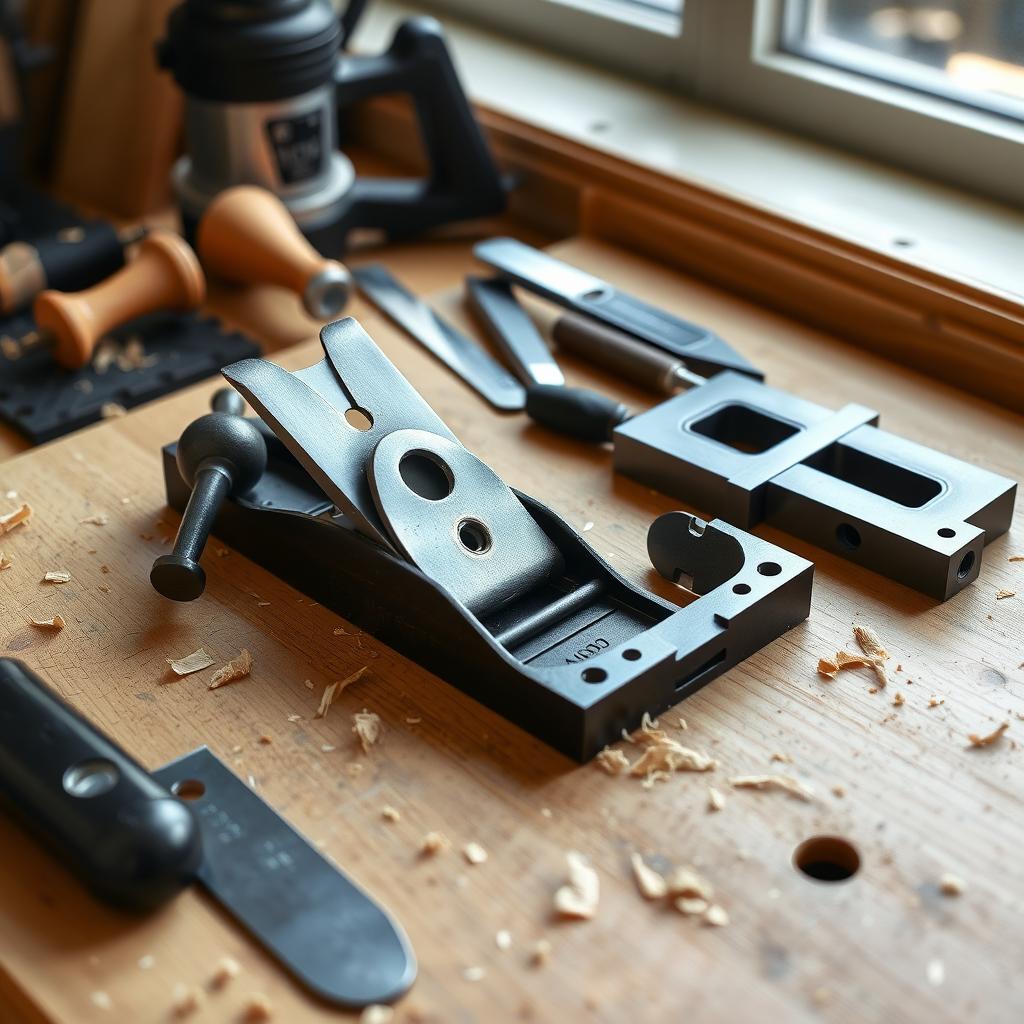
Having the right tools makes all the difference. You don’t need a fully stocked workshop, but a few quality tools can elevate your work. Here’s a breakdown of essentials for beginners tackling advanced techniques:
- Hand Planes: Smooth surfaces and refine edges with precision. A block plane is versatile for small projects.
- Chisels: Sharp chisels (1/4” to 1”) are key for clean joinery like dovetails or mortises.
- Router: Perfect for decorative edges and precise grooves. Start with a compact trim router.
- Clamps: You’ll need various sizes to secure pieces during glue-ups.
- Measuring Tools: A combination square and caliper ensure accuracy.
Invest in quality over quantity. I learned this the hard way when a cheap chisel dulled mid-project, ruining a joint. Check out reputable brands like Stanley or Bosch for durability.
Mastering Basic Joinery for Advanced Results
Joinery is the heart of woodworking. Strong joints make your furniture sturdy and visually appealing. Here are two advanced joints beginners can learn:
1. Dovetail Joints: These interlocking joints are both strong and decorative. Use a dovetail saw and chisel for precision. Practice on scrap wood first—I ruined my first few attempts but got the hang of it after a weekend.
2. Mortise and Tenon: This classic joint is ideal for table legs or chair frames. A mortising chisel and drill make it easier.
Start with softwoods like pine to practice, as they’re forgiving. Watch online tutorials from sources like Woodworkers Guild of America for visual guidance.
How to Choose the Right Wood for Your Furniture
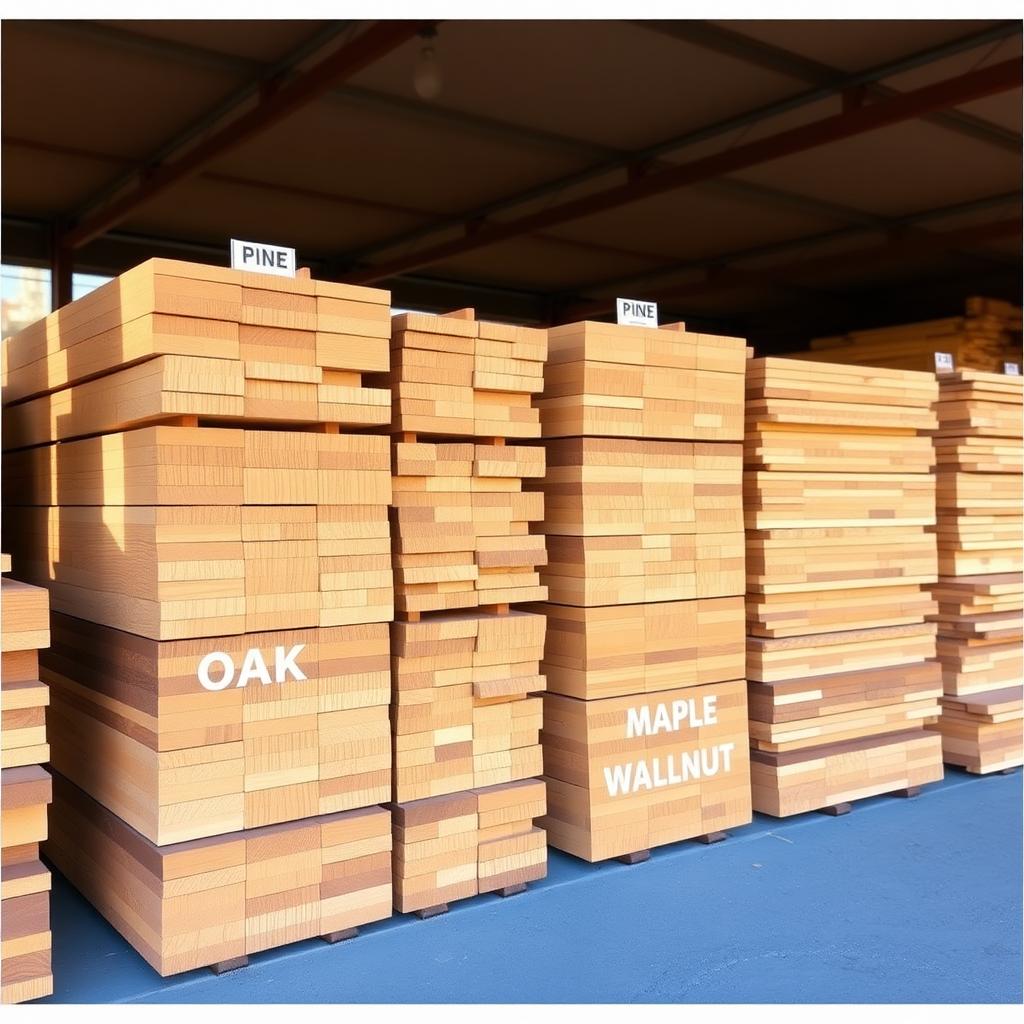
The wood you pick defines your project’s look, feel, and durability. Beginners often overlook this, but selecting the right wood is critical. Here’s a quick guide:
| Wood Type | Characteristics | Best For |
|-----------|----------------|----------|
| Pine | Soft, affordable, easy to work with | Practice projects, rustic furniture |
| Oak | Durable, prominent grain | Tables, chairs |
| Maple | Hard, smooth finish | Cabinets, decorative pieces |
| Walnut | Rich color, expensive | Accent pieces, high-end furniture |
Consider your budget and project goals. For my first table, I chose oak for its strength and classic grain. Always check for knots or warps at the lumberyard—those can ruin your work. Sustainable options like reclaimed wood are great for eco-conscious beginners.
Advanced Finishing Techniques for a Professional Look
Finishing takes your project from raw wood to a polished masterpiece. Beginners can achieve professional results with these techniques:
- Sanding: Start with coarse sandpaper (80-grit) and progress to fine (220-grit) for a smooth surface.
- Staining: Apply even coats with a brush or cloth. Test on scrap wood to match your desired color.
- Sealing: Use polyurethane for durability or wax for a natural sheen. Apply thin layers to avoid drips.
I once rushed a stain job and ended up with blotchy results. Take your time, and always work in a well-ventilated area. For inspiration, Fine Woodworking’s finishing guides are a great resource.
Protecting Wooden Furniture: Tips and Tricks
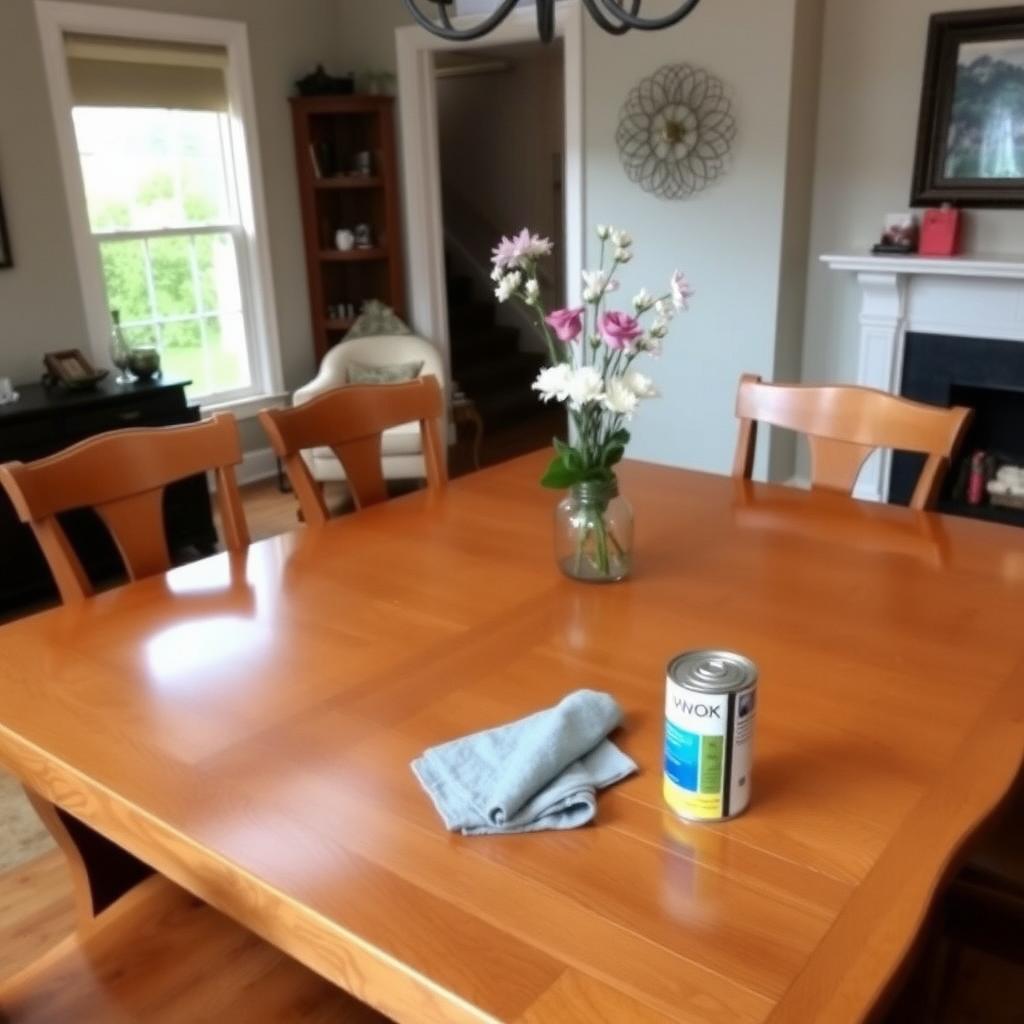
Once your piece is built, proper care ensures it lasts. Here’s a furniture maintenance and care guide for beginners:
- Clean Regularly: Dust with a microfiber cloth to prevent buildup. Avoid harsh chemicals.
- Protect from Sunlight: UV rays can fade wood. Use curtains or UV-protective sealants.
- Control Humidity: Wood expands or contracts with moisture. Aim for 40-60% humidity with a dehumidifier if needed.
- Polish Sparingly: Use a natural wax polish every 6 months to maintain shine.
I learned to keep coasters on my oak table after a water ring ruined its finish. Small habits make a big difference.
Common Mistakes to Avoid
Beginners often stumble, but you can avoid these pitfalls:
- Skipping Measurements: Double-check dimensions before cutting. I once cut a board too short and had to start over.
- Rushing Glue-Ups: Let glue dry fully (24 hours) before moving pieces.
- Ignoring Safety: Wear safety glasses and gloves. A splinter in my hand taught me this lesson early.
Patience and preparation are your best tools. Keep a notebook to track your progress and mistakes—it’s a game-changer.
Building Your First Advanced Project
Ready to put it all together? Start with a small project like a dovetailed keepsake box or a mortise-and-tenon side table. Plan each step:
1. Sketch your design with precise measurements.
2. Select and prepare your wood.
3. Cut and shape pieces carefully.
4. Assemble with strong joints.
5. Finish and protect your piece.
My first dovetailed box took a week, but the pride of finishing it was worth every hour. Start small, and your confidence will grow.
Summary: Your Path to Woodworking Mastery
Advanced woodworking techniques for beginners are within reach with the right tools, wood choices, and care practices. From dovetail joints to proper finishing, these skills elevate your projects and build confidence. Keep practicing, stay patient, and enjoy the process of creating furniture that lasts. For more insights, check out the recommended readings below.