





Featured Post
Designing a Montessori-Inspired Bedroom for Your Child
Designing a Montessori-inspired bedroom for your child is about creating a space that nurtures independence, sparks creativity, and ensures safety. The Montessori philosophy emphasizes child-led learning and exploration, and the bedroom is a perfect place to bring these principles to life. By focusing on accessibility, simplicity, and functionality, you can craft a room that feels like a sanctuary for your child while encouraging their growth. This guide will walk you through the process, sharing practical tips and personal insights to help you design a kid-friendly bedroom that your child will love.
Why Choose a Montessori-Inspired Bedroom?
The Montessori approach is all about empowering children to take charge of their environment. When I designed my daughter’s bedroom, I noticed how much she thrived when she could reach her toys, choose her clothes, and move freely without my constant help. A Montessori-inspired bedroom prioritizes low furniture, open spaces, and natural materials to create a calm, inviting atmosphere. It’s not just about aesthetics—it’s about fostering confidence and independence from a young age.
Key Principles of Montessori Design
To create a Montessori-inspired bedroom, focus on these core principles: - Accessibility: Everything should be within your child’s reach. - Simplicity: Avoid clutter to maintain a peaceful environment. - Natural Materials: Use wood, cotton, and other organic materials for a warm feel. - Safety: Ensure the space is secure for exploration. - Child-Centered: Design with your child’s needs and interests in mind. These principles guide every decision, from choosing furniture to selecting decor.
How to Design a Kid-Friendly Bedroom
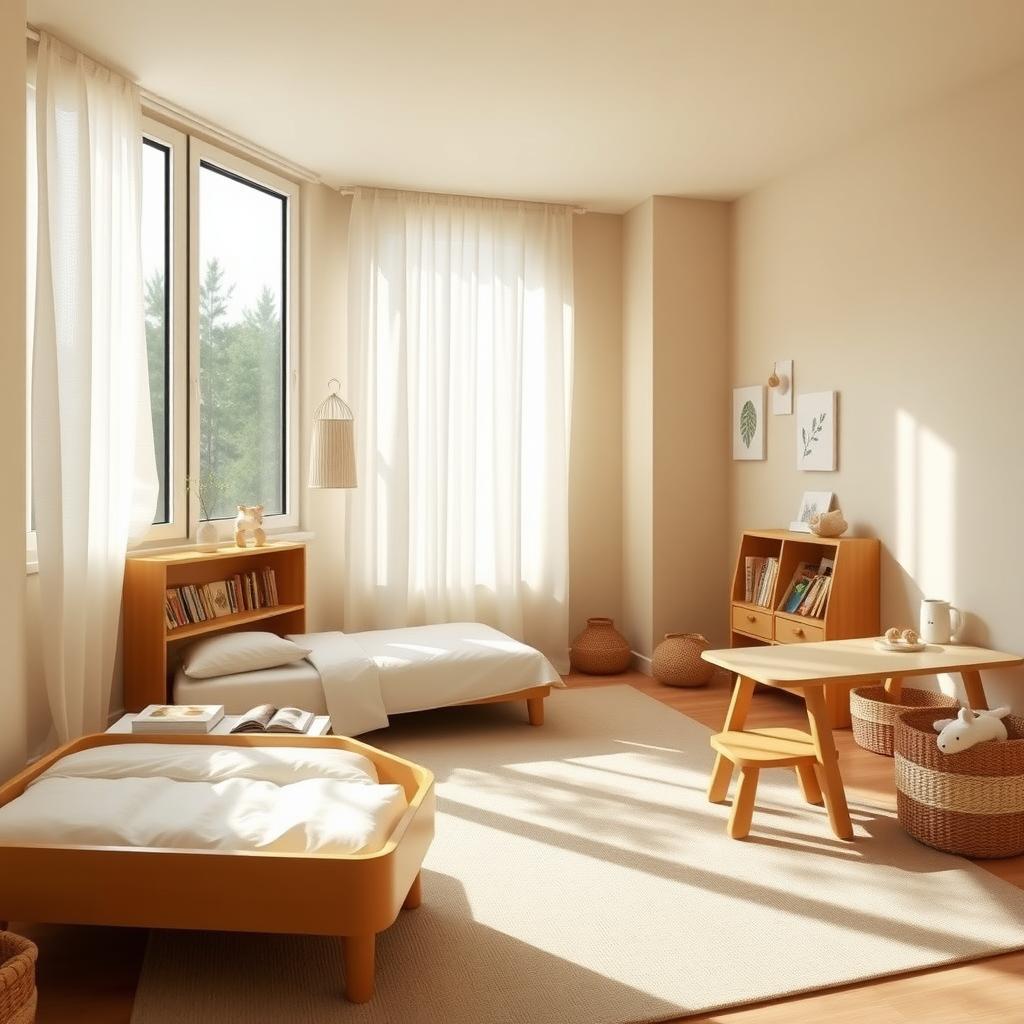
When designing a kid-friendly bedroom, think about your child’s daily routine. My son, for example, loves picking out his own books before bedtime, so we placed a low bookshelf near his bed. Here are some actionable steps to design a space that works for your child: 1. Choose a Floor Bed: A low mattress or floor bed allows your child to get in and out independently. It also promotes a sense of ownership over their space. 2. Add Low Shelves: Store toys and books on shelves your child can reach. Rotate items every few weeks to keep their interest. 3. Incorporate a Small Table: A child-sized table and chair encourage activities like drawing or puzzles. 4. Use Neutral Colors: Soft colors like beige, white, or pastel tones create a calming environment. 5. Include Natural Elements: Wooden furniture, cotton bedding, and plants add warmth and texture.
Essential Safety Checklist for Your Child’s Bedroom
Safety is non-negotiable when designing a Montessori-inspired bedroom. Here’s an essential safety checklist to ensure your child’s space is secure:
| Safety Item | Action |
|---|---|
| Furniture Anchoring | Secure bookshelves, dressers, and nightstands to the wall to prevent tipping. |
| Cord Safety | Keep blind cords, electrical cords, and curtain ties out of reach. |
| Soft Edges | Use corner guards on sharp furniture edges. |
| Safe Bedding | Choose breathable, fitted sheets and avoid heavy blankets for younger children. |
| Outlet Covers | Install covers on all electrical outlets. |
| Non-Toxic Materials | Use paints, finishes, and fabrics free of harmful chemicals. |
When I set up my kids’ rooms, I spent a day crawling around at their level to spot potential hazards. It’s amazing what you notice from their perspective!
Choosing the Right Nightstand for Kids’ Bedrooms and Nurseries
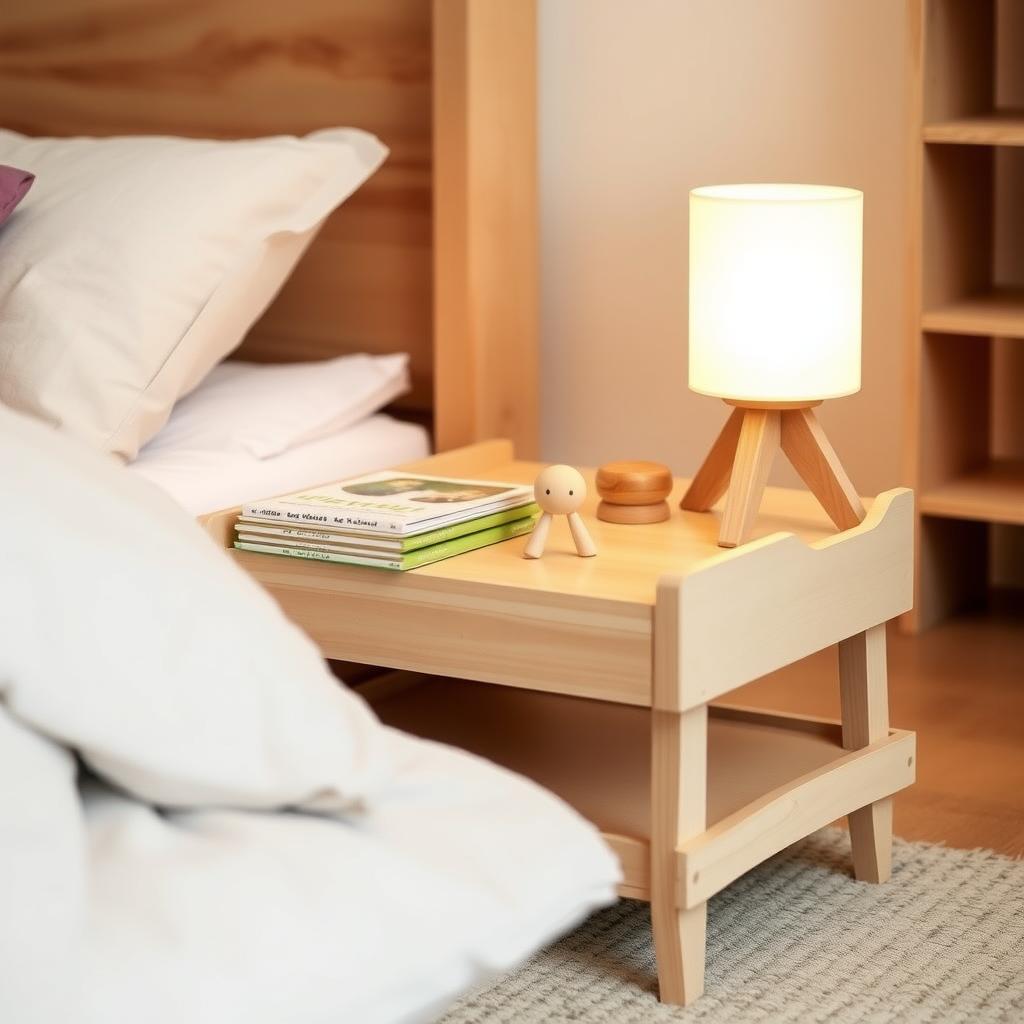
A nightstand might seem like a small detail, but it’s a game-changer in a Montessori bedroom. Nightstands for kids’ bedrooms and nurseries should be low, sturdy, and functional. When my youngest started reaching for her water cup at night, a low nightstand gave her the independence to grab it herself. Look for these features when choosing a nightstand: - Height: It should be low enough for your child to access easily, ideally no taller than 18 inches. - Sturdy Design: Opt for solid wood to withstand climbing or rough play. - Minimalist Style: Avoid sharp edges or decorative knobs that could pose risks. - Storage: A small shelf or drawer can hold essentials like books or a small lamp. I found a simple wooden nightstand at a local shop that perfectly matched our Montessori aesthetic. It’s been a practical addition that my kids use daily.
Creating a Space That Grows with Your Child
One of the best things about a Montessori-inspired bedroom is its adaptability. As your child grows, their needs will change, but the core setup can remain. For example, the low shelves we used for toys when my daughter was two now hold her art supplies at five. To future-proof the room: - Invest in Quality Furniture: Durable pieces can transition from toddler to school-age years. - Keep Decor Flexible: Use removable wall decals or artwork that can be swapped out easily. - Involve Your Child: Let them choose some elements, like bedding colors or a special toy basket, to foster ownership. This approach saves money and keeps the room relevant as your child develops.
Practical Tips for Maintaining a Montessori Bedroom
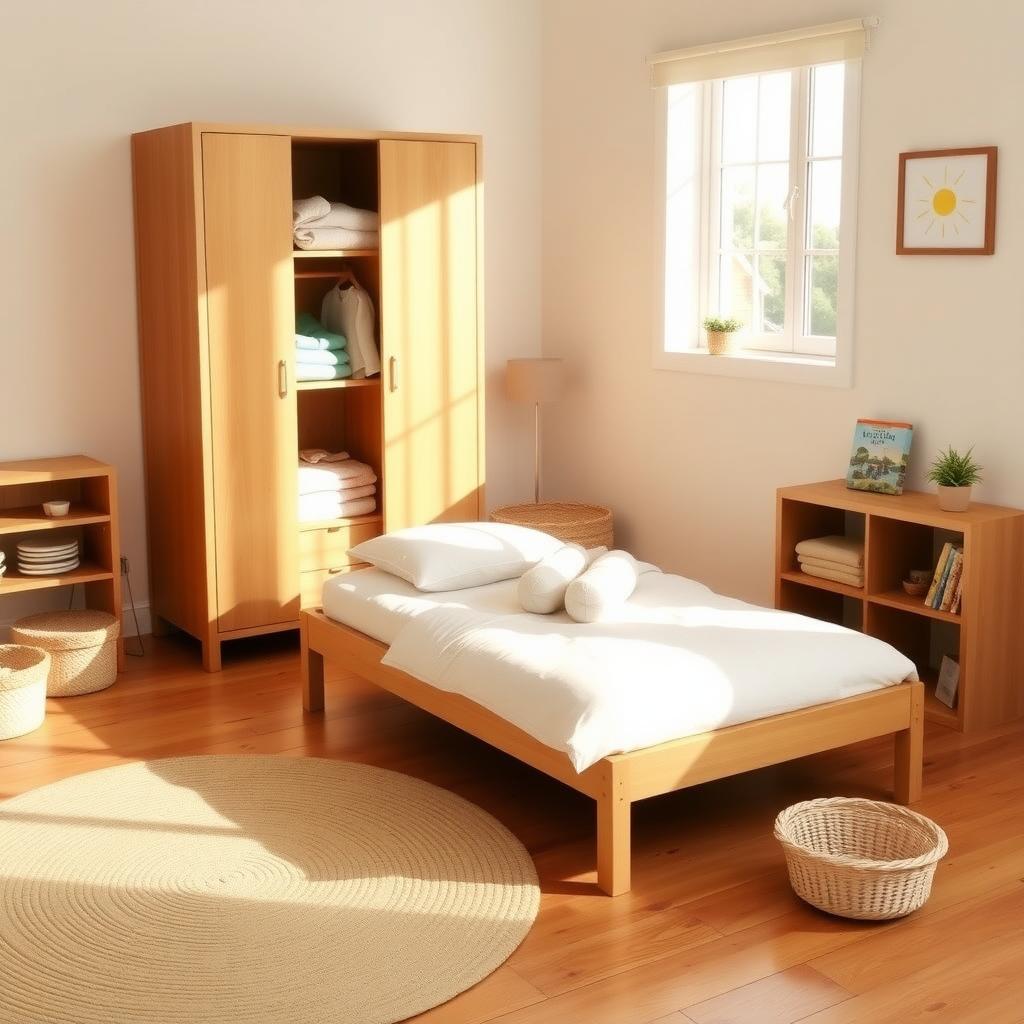
Keeping a Montessori-inspired bedroom functional requires some upkeep. Here’s what works for our family: - Declutter Regularly: Every few months, sort through toys and donate items your child has outgrown. - Rotate Toys: Store some toys out of sight and swap them every few weeks to maintain interest. - Encourage Cleanup: Use labeled baskets to make tidying up a fun, independent task. - Check Safety Features: Periodically review your safety checklist to ensure everything is secure. These habits keep the room organized and aligned with Montessori principles.
Summary
Designing a Montessori-inspired bedroom for your child is a rewarding way to support their independence and creativity. By focusing on accessibility, safety, and simplicity, you can create a space that feels both nurturing and empowering. From choosing a low nightstand to following an essential safety checklist, every detail matters. With thoughtful planning, your child’s bedroom can be a place where they thrive for years to come.