


Featured Post
Modular Furniture for Versatile Living: Transform Your Space with Style
Overview: Why Modular Furniture Matters
In today’s fast-paced world, homes need to do more than just look good—they must adapt to our changing lives. Modular furniture for versatile living offers a solution, letting you rearrange, reconfigure, and rethink your space. From small apartments to spacious homes, this furniture brings flexibility and style.
What Is Modular Furniture?
Modular furniture is designed to be flexible, with pieces that can be rearranged, combined, or customized to fit different spaces and needs. Think of it like building blocks for your home. You can mix and match components, such as shelves, seats, or storage units, to create a setup that works for you.
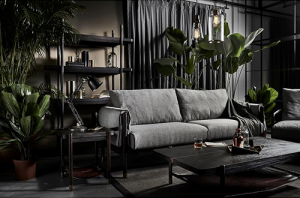
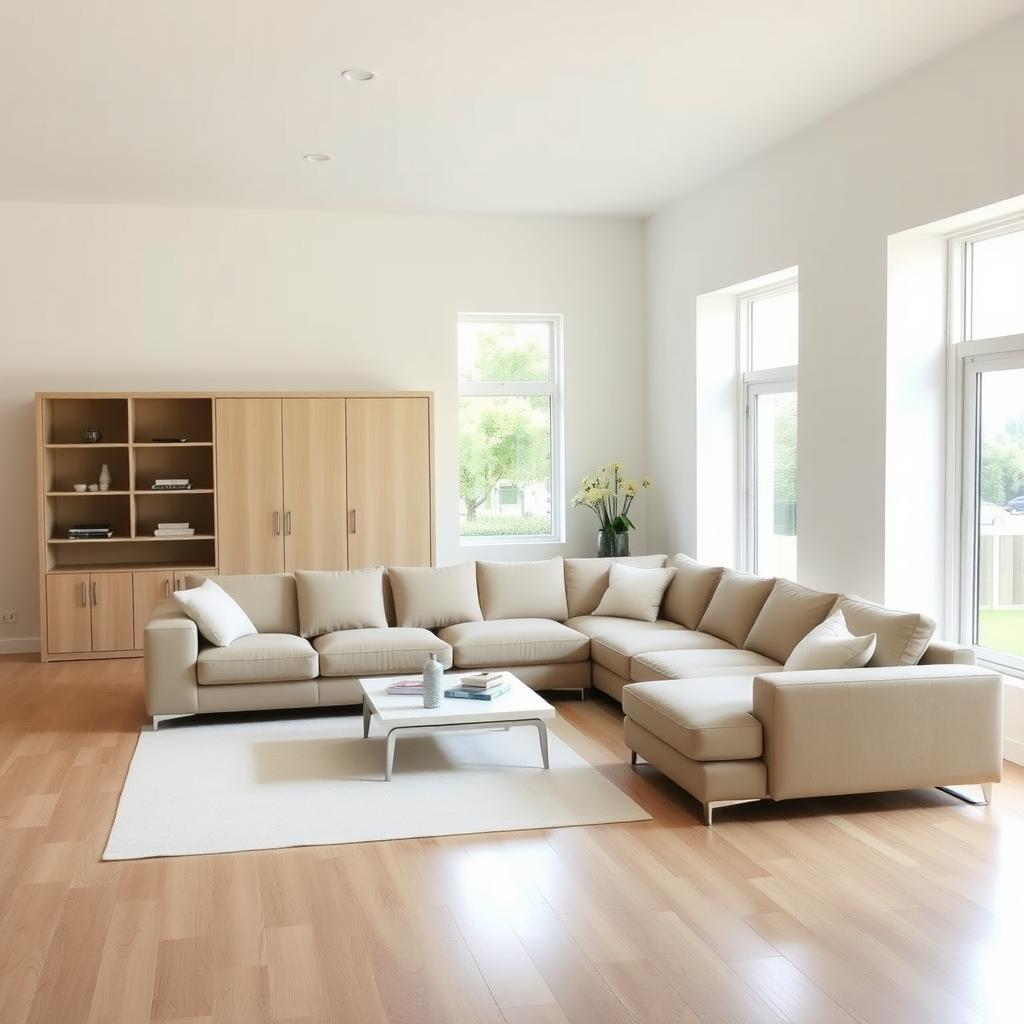
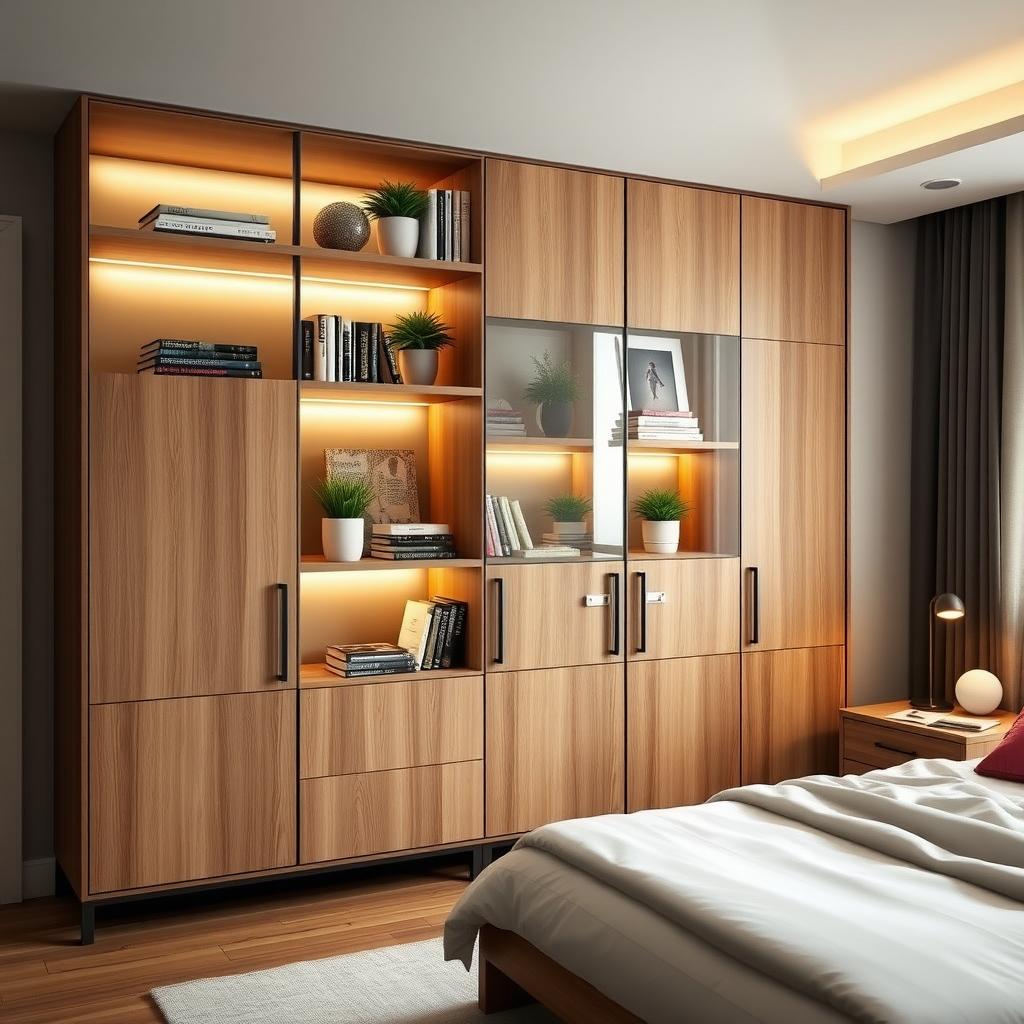
For example, a modular sofa might come in separate sections that you can arrange as a corner couch one day and a straight sofa the next. An armoire, often a staple in modular designs, can serve as a wardrobe, media center, or even a home office hub.
Why Choose Modular Furniture for Versatile Living?
Living spaces are no longer static. Maybe you’re a young professional moving into a compact city apartment, or a family needing a home that grows with your kids. Modular furniture adapts to these changes. Here’s why it’s a game-changer:
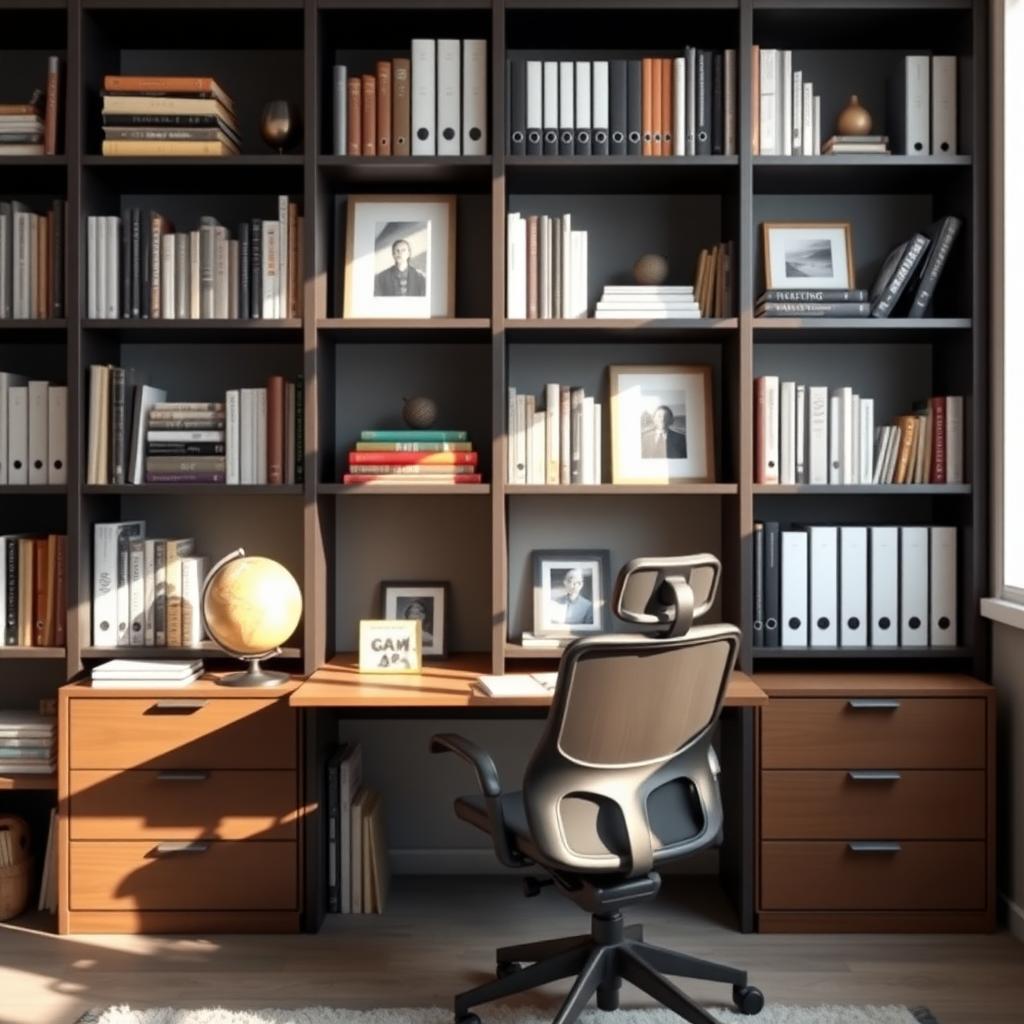
- Space-Saving: Perfect for small apartments, modular pieces maximize every square foot. A modular armoire, for instance, can store clothes, books, or even a fold-out desk.
- Customizable: You can tweak designs to match your style or needs. Swap out a shelf for a drawer or add a new section to your sofa.
- Cost-Effective: Instead of buying new furniture when your needs change, you can reconfigure what you already own.
- Sustainable: Many modular designs are built to last, reducing waste. Some brands even use eco-friendly materials, as noted in a report by the Environmental Protection Agency on sustainable furniture practices.
Personal Insight: My Experience with Modular Furniture
When I moved into a 600-square-foot apartment, space was tight. I needed furniture that could multitask. I invested in a modular sofa with a pull-out bed and storage underneath. During the day, it was a cozy couch for working from home. At night, it became a guest bed for friends. Adding a modular armoire with adjustable shelves gave me a place for clothes, books, and even my printer. Rearranging the pieces felt like solving a puzzle, and it made my small space feel like home.
Types of Modular Furniture
Modular furniture comes in many forms. Here are some popular options:
| Type | Features | Best For |
|---|---|---|
| Modular Sofas | Reconfigurable sections, often with storage | Living rooms, small apartments |
| Modular Armoires | Adjustable shelves, doors, or fold-out desks | Bedrooms, home offices |
| Modular Shelving | Customizable units for books, decor, or storage | Any room needing organization |
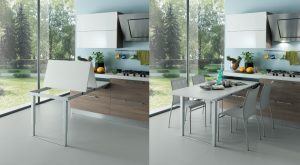
| Modular Tables | Expandable or collapsible designs | Dining areas, multipurpose spaces |
Each type serves a purpose, but the armoire stands out for its versatility. A study from the University of Michigan highlights how multifunctional furniture like armoires can reduce clutter and improve home organization.
How to Choose the Right Modular Furniture
Picking the right pieces takes some planning. Here’s a step-by-step guide:
- Assess Your Space: Measure your room and think about how you use it. Is it a living room that doubles as a guest space? A bedroom that needs a workspace?
- Define Your Needs: Do you need storage, seating, or both? An armoire with a fold-out desk might be ideal for a home office, while a modular sofa works for entertaining.
- Consider Materials: Look for durable, sustainable materials like solid wood or recycled metals. The Sustainable Furniture Council offers tips on eco-friendly choices.
- Test Flexibility: Choose pieces that can evolve. For example, a modular armoire with removable shelves can adapt as your storage needs change.
- Budget Wisely: Modular furniture can be pricey, but its longevity makes it worth the investment. Start with one or two key pieces and add more over time.
Styling Modular Furniture for Versatile Living
Modular furniture isn’t just practical—it’s stylish. Here are some tips to make it shine:
- Mix Textures: Pair a sleek modular sofa with cozy throws or pillows to add warmth.
- Play with Layouts: Rearrange your furniture regularly to keep your space fresh. I once turned my L-shaped sofa into two separate chairs for a game night.
- Add Color: Neutral modular pieces are versatile, but bold cushions or wall art can make them pop.
- Maximize Storage: Use an armoire’s compartments to hide clutter, keeping your space clean and inviting.
Challenges and Solutions
Modular furniture has its quirks. Some pieces can be heavy to rearrange, and high-quality designs can cost more upfront. To tackle this, start with smaller components, like a single armoire or a two-piece sofa, and build from there. If assembly feels daunting, many brands offer easy-to-follow guides or professional setup services. Check reviews on sites like Consumer Reports for reliable brands.
The Future of Modular Furniture
As urban living grows and sustainability becomes a priority, modular furniture is gaining traction. Designers are creating smarter, tech-integrated pieces—like sofas with built-in charging ports or armoires with hidden lighting. A report by the American Institute of Architects predicts that modular designs will dominate future homes, blending style, function, and eco-consciousness.
Final Thoughts
Modular furniture for versatile living is more than a trend—it’s a lifestyle. Whether you’re saving space, staying organized, or just refreshing your home, pieces like armoires and modular sofas offer endless possibilities. Start small, experiment with layouts, and watch your space transform into something uniquely yours.