




Featured Post
How to Pick the Best Dresser for Your Room: A Comprehensive Guide
Choosing the right dresser can transform your bedroom, blending style with function. A dresser isn’t just storage—it’s a statement piece that ties your room together. But with endless options, how do you pick the best dresser for your room? This guide breaks it down, offering practical advice and personal insights to help you find the perfect fit.
Why a Dresser Matters in Your Room
A dresser does more than hold clothes. It’s a focal point that can define your bedroom’s vibe. Whether you’re aiming for a sleek modern look or a cozy rustic feel, the right dresser balances aesthetics and utility. I’ve learned this firsthand after swapping out a mismatched dresser for one that complemented my room’s color scheme—it felt like a mini makeover!
Step 1: Assess Your Space
Before browsing, measure your room. A dresser that’s too big can overwhelm a small space, while a tiny one gets lost in a large bedroom. Grab a tape measure and note the available width, depth, and height. Don’t forget to account for clearance—leave at least 24 inches for drawers to open comfortably.
Consider the dresser’s placement. Will it sit against a wall, under a window, or in a corner? I once bought a dresser without measuring, only to find it blocked half my closet door. Lesson learned: always sketch a quick floor plan to visualize the fit.
Step 2: Define Your Storage Needs
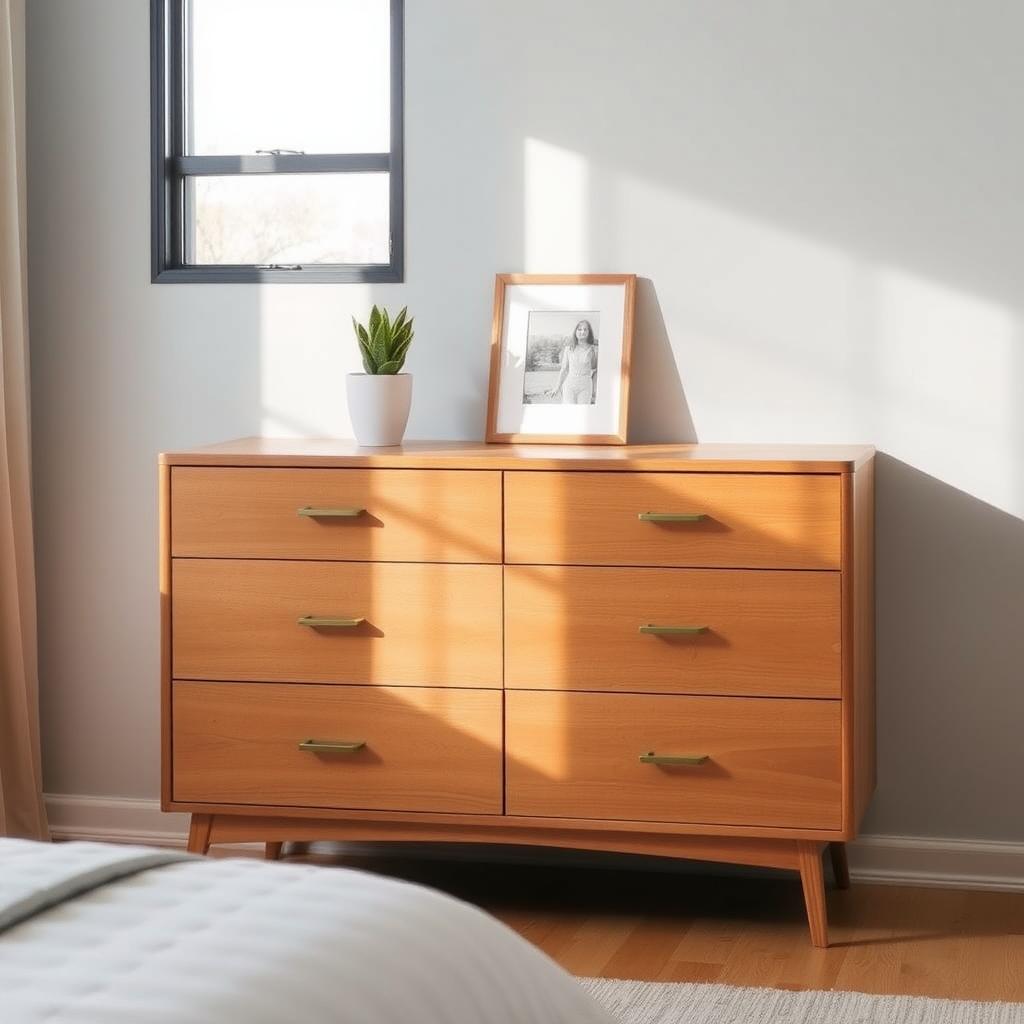
Think about what you’ll store. Are you folding jeans and sweaters, or do you need shallow drawers for accessories? I tend to overstuff drawers, so I look for dressers with deep, sturdy compartments. If you’re sharing the dresser with a partner, prioritize models with six or more drawers to avoid morning chaos.
Here’s a quick checklist to guide your storage decisions: - Clothing type: Deep drawers for bulky items, shallow ones for socks or jewelry. - Frequency of use: Place everyday items in top drawers for easy access. - Extra features: Look for built-in dividers or hidden compartments for organization.
Step 3: Choose a Style That Matches Your Aesthetic
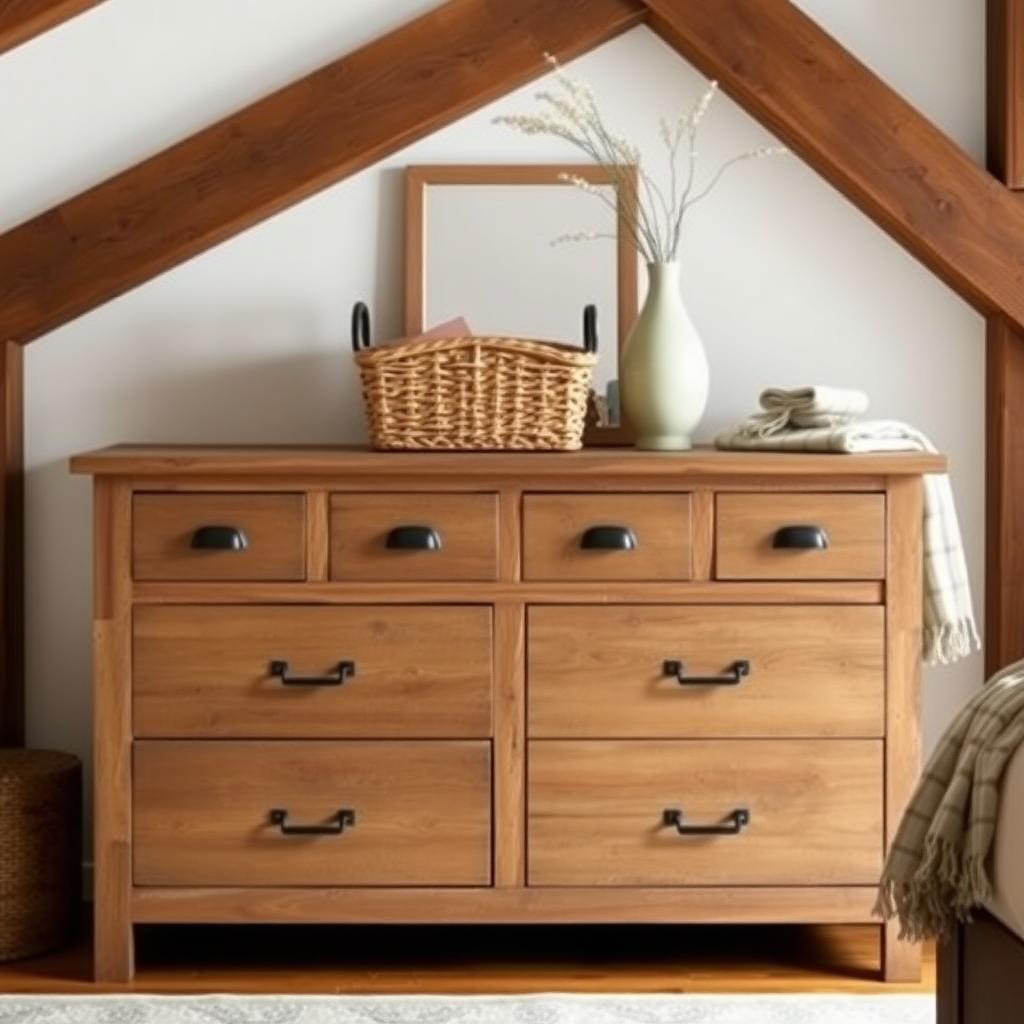
Your dresser should reflect your personality. Modern dressers with clean lines suit minimalist rooms, while ornate wooden ones add warmth to traditional spaces. I once fell for a sleek white dresser, but its glossy finish clashed with my rustic decor. Now, I always check that the dresser’s style aligns with my room’s vibe.
Popular dresser styles include: - Mid-century modern: Tapered legs, warm wood tones. - Farmhouse: Distressed finishes, vintage charm. - Contemporary: Bold colors, glossy surfaces. - Traditional: Carved details, rich stains. Browse inspiration on sites like Houzz for ideas tailored to your taste.
Step 4: Pick the Right Material
Material affects durability and look. Solid wood, like oak or walnut, lasts decades but costs more. Engineered wood, like MDF, is budget-friendly but less sturdy. I’ve owned both, and while my solid wood dresser still looks pristine, my old MDF one started chipping after a few years.
Consider these material pros and cons: | Material | Pros | Cons | |----------|------|------| | Solid Wood | Durable, timeless, repairable | Expensive, heavy | | Engineered Wood | Affordable, lightweight | Less durable, prone to wear | | Metal | Modern, sturdy | Can dent, limited styles | | Particleboard | Cheap, widely available | Fragile, short lifespan | For eco-conscious buyers, look for dressers certified by the Forest Stewardship Council for sustainable sourcing.
Step 5: Check Construction Quality
A well-made dresser saves headaches. Test drawer glides—metal runners are smoother than wooden ones. I once bought a cheap dresser with flimsy drawers that jammed constantly. Now, I always check for dovetail joints and solid backs, signs of quality craftsmanship.
Key quality checks: - Drawers: Open smoothly, close securely. - Joints: Dovetail or mortise for strength. - Finish: Even, resistant to scratches. - Stability: No wobbling or tipping risk. The Consumer Reports furniture guide offers more tips on spotting durable pieces.
Step 6: Assembling Dresser Furniture Tips
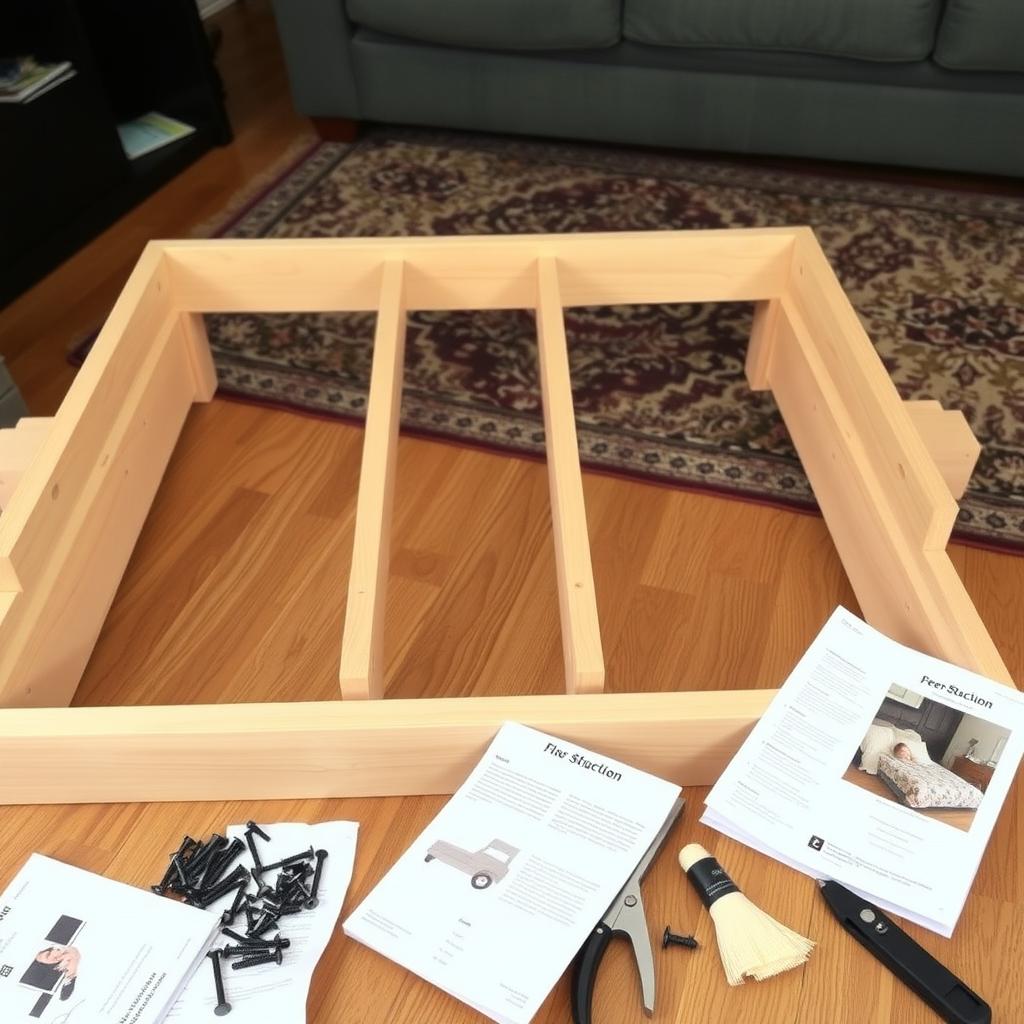
Many dressers require assembly, which can be tricky. I’ve spent hours wrestling with vague instructions, so here are my assembling dresser furniture tips: 1. Read the manual first: Lay out all parts and tools. 2. Use the right tools: A screwdriver and Allen wrench are usually enough. 3. Work on a flat surface: Prevent wobbling by assembling on the floor. 4. Tighten gradually: Avoid overtightening screws to prevent stripping. 5. Get help: Heavy pieces are easier with two people. For complex builds, check YouTube tutorials for step-by-step guidance.
Step 7: Set a Budget
Dressers range from $100 to over $2,000. Decide what you can spend, balancing quality and cost. I’ve found mid-range options ($300-$800) offer the best value—decent materials without breaking the bank. Shop during sales, like Black Friday, to snag deals on quality pieces.
Step 8: Consider Extra Features
Some dressers come with bonuses like built-in mirrors, felt-lined drawers, or anti-tip hardware. I love my dresser’s mirror—it saves wall space and doubles as a vanity. For families with kids, anti-tip straps are a must for safety, as noted by the U.S. Consumer Product Safety Commission.
Final Thoughts
Picking the best dresser for your room comes down to balancing space, style, storage, and quality. Measure carefully, match your decor, and prioritize durability. With these steps, you’ll find a dresser that’s both functional and beautiful, making your bedroom feel complete.