








Featured Post
How to Choose the Perfect Chair for Your Space
Overview
Choosing the right chair can transform a room, blending comfort, style, and functionality. Whether you're furnishing a cozy living room, a sleek office, or a vibrant dining area, the perfect chair enhances both aesthetics and usability. This guide on How to Choose the Perfect Chair for Your Space offers practical advice to help you find a chair that fits your needs and elevates your decor.
Understand Your Space and Needs
Before you start browsing chairs, take a moment to assess your space. Measure the area where the chair will go to ensure it fits without overcrowding. Consider the room's purpose—lounging, working, or dining—and how the chair will be used. For example, a home office chair needs to prioritize ergonomics, while a dining chair should complement your table's style.
Think about who will use the chair. A family room might need durable, easy-to-clean fabrics for kids or pets, while a formal living room could handle delicate materials like velvet. Ask yourself: Do you need a chair for long hours of sitting, or is it mostly decorative? Defining these needs early narrows your options and prevents costly mistakes.
Prioritize Comfort and Ergonomics
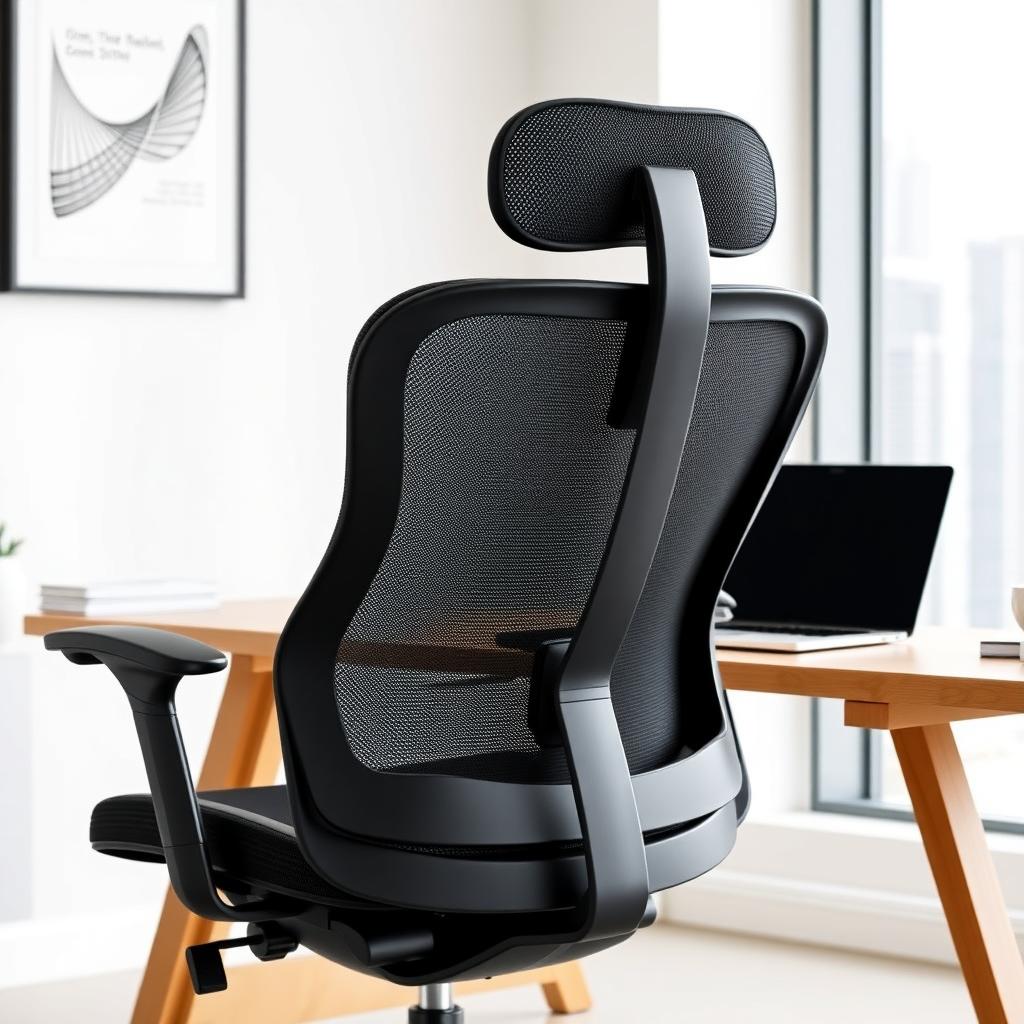
Comfort is non-negotiable. A chair might look stunning, but if it’s uncomfortable, it’ll end up unused. Test chairs whenever possible—sit in them for at least a few minutes to gauge support. For office chairs, look for adjustable features like seat height, lumbar support, and armrests. According to a study from the University of California, Berkeley’s Ergonomics Program, proper lumbar support reduces back strain during prolonged sitting.
For lounge or accent chairs, consider seat depth and cushion firmness. A seat that’s too deep can strain your back, while one that’s too shallow might feel cramped. Upholstery also matters—breathable fabrics like cotton or linen are great for warm climates, while leather adds durability and sophistication.

Match Style to Your Decor
The chair you choose should complement your existing decor. A mid-century modern chair with tapered legs fits beautifully in a retro-inspired room, while a tufted armchair suits a traditional or vintage aesthetic. If your space is eclectic, don’t be afraid to mix styles, but ensure there’s a unifying element, like color or material.
For small spaces, opt for chairs with slim profiles or open frames to avoid a cluttered look. In larger rooms, bold statement chairs—like a vibrant wingback or a sculptural design—can serve as focal points. Browse Top 10 Decorating Tips for Furniture Enthusiasts for inspiration on blending furniture styles seamlessly.
Consider Materials and Durability
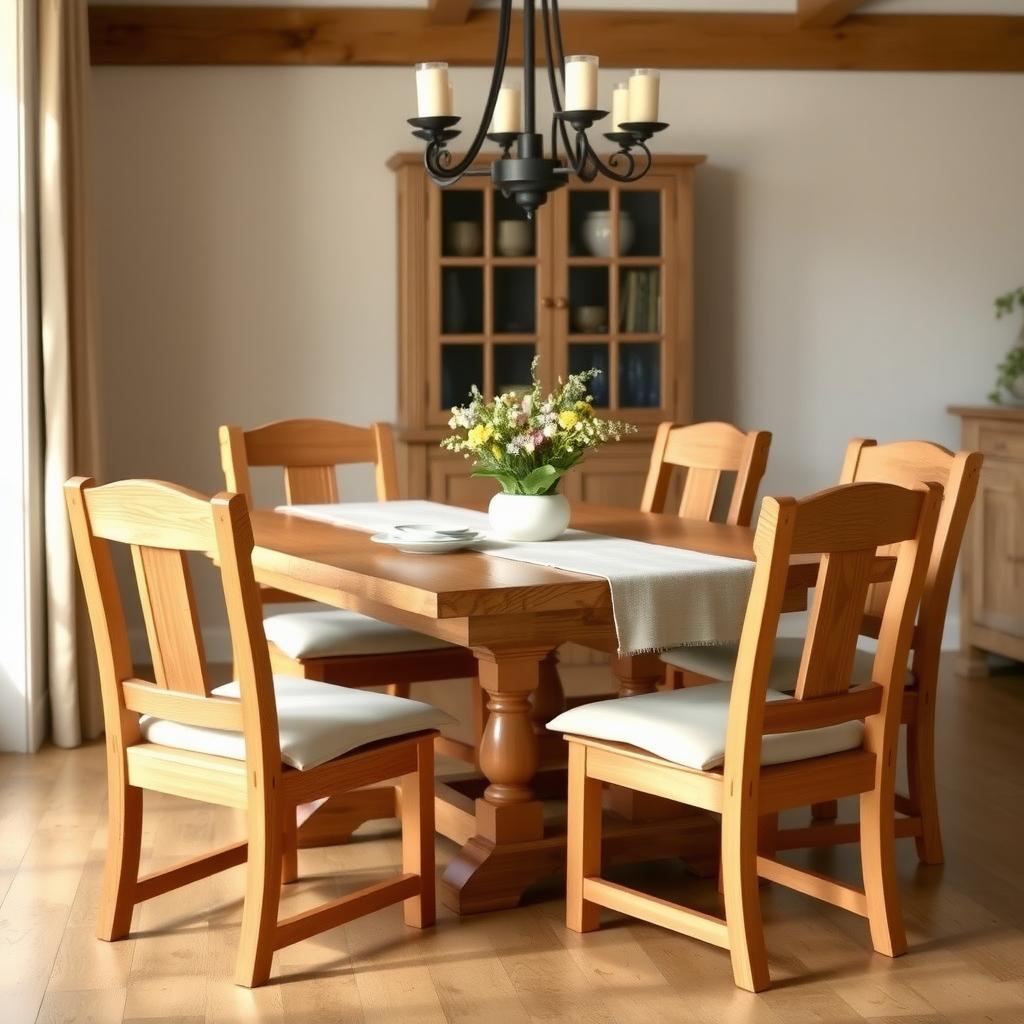
The material of your chair affects both its look and longevity. Wooden chairs, like oak or walnut, are timeless and durable but require regular care. A furniture care guide for wood finishing recommends polishing wooden chairs every six months to maintain their shine and protect against scratches. For upholstered chairs, consider stain-resistant fabrics like microfiber or treated cotton, especially in high-traffic areas.
Metal or plastic chairs work well in modern or outdoor settings but may lack the warmth of wood or fabric. If sustainability is a priority, look for chairs made from eco-friendly materials, such as reclaimed wood or recycled plastics, as highlighted by the U.S. Environmental Protection Agency’s sustainable furniture guidelines.
Evaluate Size and Scale
Size matters when choosing a chair. A bulky recliner might overwhelm a small apartment, while a delicate side chair could get lost in a spacious dining room. Measure your space carefully, leaving at least 18-24 inches of clearance around the chair for easy movement. For dining chairs, ensure the seat height aligns with your table—standard table height is about 30 inches, so aim for a seat height of 18-20 inches.
In small spaces, consider multi-functional chairs, like foldable or stackable designs, to maximize flexibility. For larger rooms, grouping chairs in pairs or sets can create a cohesive look without overwhelming the space.
Budget Wisely
Chairs come in a wide price range, from budget-friendly to high-end designer pieces. Set a realistic budget, but don’t sacrifice quality for cost. A well-made chair lasts longer, saving you money in the long run. Look for sales or second-hand options from reputable retailers to get quality pieces at a lower price. Websites like the Consumer Reports furniture buying guide offer tips on spotting durable furniture within your budget.
If you’re investing in a high-use chair, like an office or dining chair, prioritize quality materials and construction. Check for sturdy frames, reinforced joints, and high-density foam cushions that retain their shape over time.
Test for Functionality
Functionality goes beyond comfort. For example, swivel chairs are great for offices or multi-tasking spaces, while rocking chairs add charm to nurseries or patios. If you’re short on space, consider chairs with built-in storage or foldable features. For outdoor use, ensure the chair is weather-resistant and easy to clean.
When shopping, check the chair’s weight capacity, especially for heavier users. Most standard chairs support up to 250-300 pounds, but always confirm with the manufacturer. Also, consider maintenance—removable cushion covers or washable fabrics simplify cleaning.
Personalize Your Choice
Your chair should reflect your personality. Don’t shy away from bold colors or unique designs if they speak to you. A bright yellow accent chair can liven up a neutral room, while a sleek black leather chair adds sophistication. If you’re hesitant about bold choices, start with neutral tones and add personality through throw pillows or blankets.
I once chose a vibrant teal armchair for my living room, thinking it might be too bold. But it became the room’s centerpiece, sparking countless conversations. Trust your instincts and choose a chair that feels like you.
Shop Smart
Where you buy your chair matters. Local furniture stores often let you test pieces in person, while online retailers offer wider selections and customer reviews. Read reviews carefully to gauge quality and comfort, and check return policies in case the chair doesn’t meet expectations. If buying second-hand, inspect for damage or wear, especially on joints and upholstery.
For custom options, some retailers let you choose fabrics or finishes, which is great for unique spaces. Just be prepared for longer lead times. The Furniture Industry Research Association provides insights on spotting high-quality furniture craftsmanship.
Summary
Choosing the perfect chair for your space involves balancing comfort, style, and functionality. Measure your space, prioritize ergonomics, and select materials that suit your lifestyle. Whether you’re drawn to a sleek office chair or a cozy lounge seat, let your personality shine through. With these tips, you’ll find a chair that enhances your space and lasts for years.