


Featured Post
Creating Functional Spaces with Modular Storage: Transform Your Home
Overview
Modern homes demand flexibility and efficiency, especially when space is at a premium. Creating functional spaces with modular storage offers a smart way to stay organized while keeping your home stylish. Modular furniture, like armoires and shelving systems, adapts to your needs, making it perfect for versatile living.
Why Modular Storage Matters
Living spaces today are more than just places to eat, sleep, or relax—they’re hubs for work, hobbies, and family time. Modular storage shines because it’s adaptable. Unlike traditional furniture, modular systems let you reconfigure, expand, or downsize based on your needs. Think of it like building blocks for grown-ups: you start with a base and add or subtract pieces as life changes.
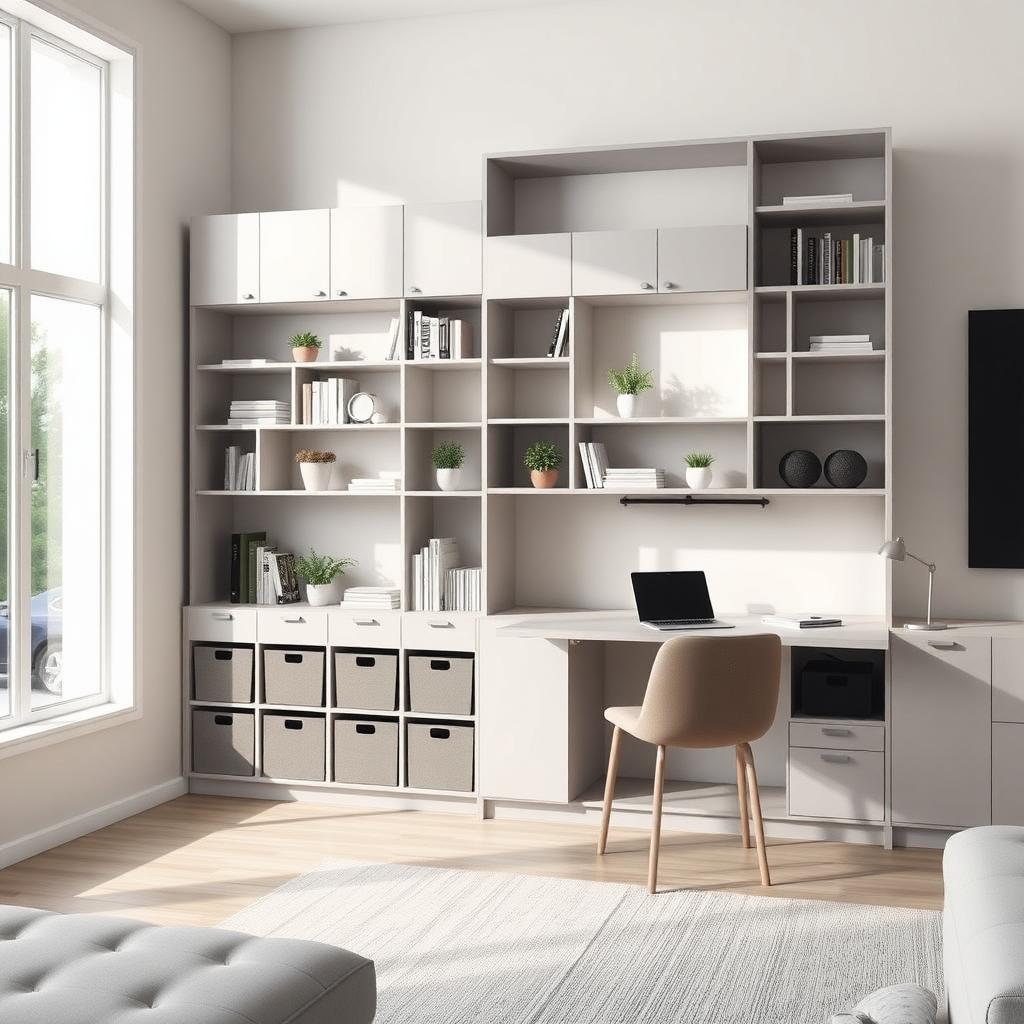
I’ve seen this firsthand in my own home. A few years ago, my small apartment felt cluttered with no clear way to organize my books, clothes, and work supplies. A modular shelving unit changed everything. I could adjust the shelves to fit oddly shaped items and even add a desk component when I started working from home. The flexibility was a game-changer.
Benefits of Modular Furniture for Versatile Living
Modular furniture for versatile living isn’t just about saving space—it’s about making your home work for you. Here are some key benefits:
- Adaptability: Move, stack, or reconfigure units to suit changing needs, like adding storage for a new hobby or rearranging for a growing family.
- Space Efficiency: Perfect for small apartments or homes where every square foot counts.
- Style and Function: Modern designs blend seamlessly with your decor while keeping clutter at bay.
- Cost-Effective: Instead of buying new furniture, you can add components to existing systems.
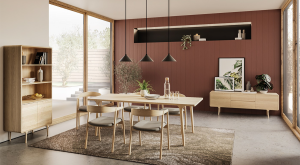
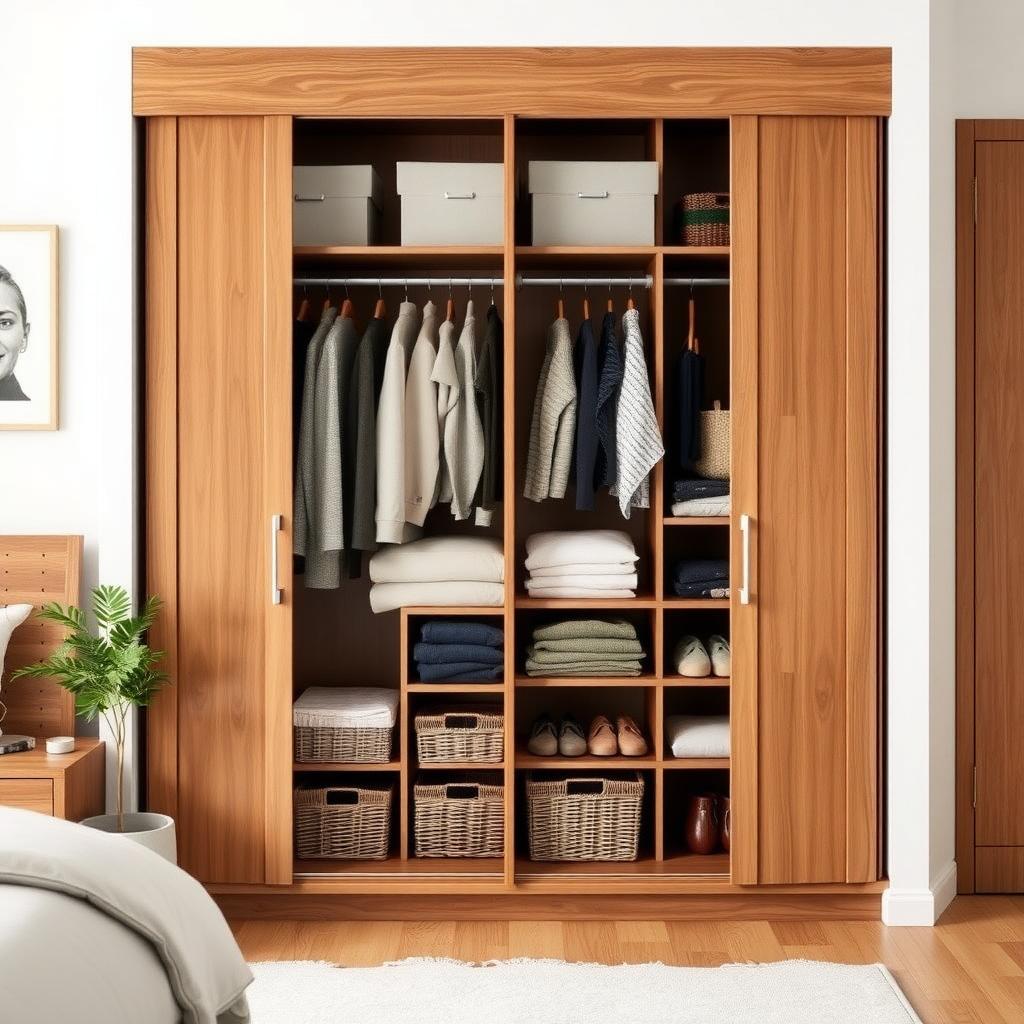
For example, a modular armoire can serve as a wardrobe, media center, or even a pantry, depending on how you configure it. This versatility makes it ideal for renters or anyone who might move frequently.
Choosing the Right Modular Storage
Not all modular systems are created equal. Here’s what to consider when picking the perfect setup:
| Factor | What to Look For |
|---|---|
| Material | Durable options like wood or metal ensure longevity. Avoid cheap particleboard for heavy items. |
| Size | Measure your space carefully. Modular units should fit without overwhelming the room. |
| Flexibility | Look for systems with adjustable shelves, stackable units, or add-on components. |
| Aesthetic | Choose finishes that match your decor—neutral tones for versatility or bold colors for a statement. |
I learned this the hard way when I bought a modular unit that looked great online but was too tall for my low ceilings. Always double-check dimensions and consider how the piece will look in your space.
Practical Tips for Creating Functional Spaces
Ready to transform your home? Here are actionable steps to make the most of modular storage:
- Assess Your Needs: Start by identifying what you need to store—clothes, books, kitchen items, or a mix. This helps you choose the right components.
- Plan Your Layout: Sketch your space and experiment with configurations. Online tools like IKEA’s planner or RoomSketcher can help visualize layouts.
- Start Small: Begin with a basic unit and add pieces over time. This keeps costs manageable and lets you test what works.
- Mix Open and Closed Storage: Open shelves display decor, while closed cabinets hide clutter. A balance keeps your space tidy yet inviting.
- Incorporate Multi-Use Pieces: An armoire with a fold-out desk or a shelving unit with a built-in bench maximizes functionality.
When I redesigned my home office, I used a modular system with a mix of open shelves for books and closed cabinets for files. It kept my workspace clean and made it easy to switch between work and relaxation modes.
Modular Storage for Different Rooms
Modular furniture works in every room, adapting to specific needs. Here’s how to use it effectively:
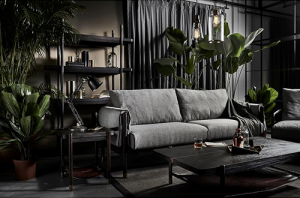
- Living Room: Use low shelving units as a media console or room divider. Add baskets for remotes and magazines.
- Bedroom: An armoire with customizable interiors can store clothes, shoes, or even a small TV.
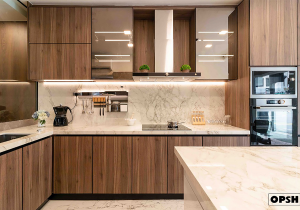
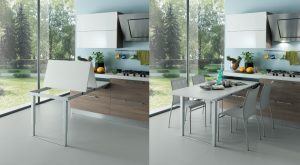
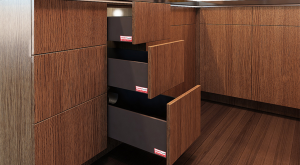
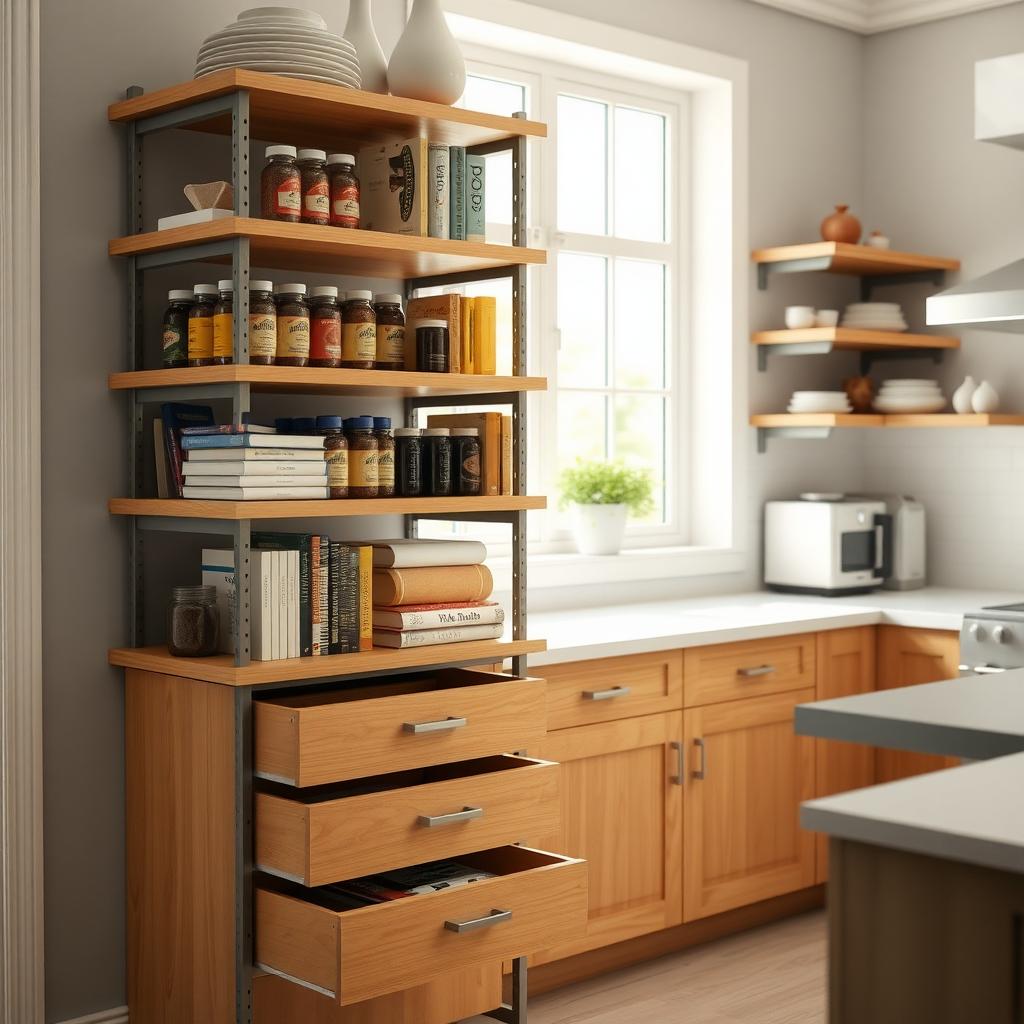
- Kitchen: Stackable units with pull-out drawers organize pantry items or small appliances.
- Home Office: Combine shelving with a desk component for a compact, efficient workspace.
In my kitchen, I added a modular shelving unit for spices and cookware. It freed up counter space and made cooking less chaotic. According to a 2023 study by the National Association of Home Builders, 68% of homeowners prioritize storage solutions in kitchen and bedroom designs, highlighting the demand for functional furniture.
Common Mistakes to Avoid
While modular storage is forgiving, a few missteps can derail your efforts:
- Overloading Shelves: Heavy items can damage lightweight units. Check weight limits before stacking books or electronics.
- Ignoring Maintenance: Dust and wear can dull your furniture’s look. Clean regularly and tighten loose fittings.
- Poor Planning: Rushing to buy without measuring or planning leads to mismatched pieces or wasted space.
I once overloaded a shelf with books, only to hear it creak ominously. Now, I always check weight capacities and distribute heavy items across multiple shelves.
Where to Find Quality Modular Furniture
You don’t need to break the bank to get great modular storage. Retailers like IKEA, West Elm, and The Container Store offer a range of options. For custom solutions, companies like California Closets provide tailored designs, though they’re pricier. Online marketplaces like Wayfair also have affordable, stylish pieces. Always read reviews to ensure durability—customer feedback on sites like Amazon can reveal real-world performance.
If you’re curious about specific products, check out resources like Wirecutter for unbiased reviews. Their furniture guides often highlight modular systems that balance cost and quality.
Summary
Creating functional spaces with modular storage is about blending style, flexibility, and organization. From armoires to shelving systems, modular furniture for versatile living adapts to your lifestyle, maximizes space, and keeps your home clutter-free. By choosing the right pieces and planning carefully, you can transform any room into a functional, inviting space. Start small, think creatively, and let your storage evolve with your needs.