









Featured Post
Dining Furniture Care and Maintenance Tips for Long-Lasting Beauty
Overview
Your dining set is the heart of your home, where meals and memories are shared. Keeping it in top shape requires simple but consistent care. These dining furniture care and maintenance tips will help you protect your investment, ensuring your furniture stays beautiful and functional for years.
Why Dining Furniture Care Matters
A dining set is more than just furniture—it’s where family and friends gather. Whether it’s a sleek modern table or a rustic wooden one, neglect can lead to scratches, stains, or fading. I’ve seen a friend’s heirloom table lose its charm due to spilled wine left uncleaned. Regular maintenance not only preserves aesthetics but also saves you from costly repairs or replacements. Let’s dive into practical ways to care for your dining set.
Understand Your Dining Set’s Material
Different materials need different care. Wooden dining sets, for example, are prone to warping if exposed to moisture. Glass tables show smudges easily, while metal frames can rust without proper attention. Check your furniture’s care instructions or manufacturer’s guide. If you’re unsure, a quick email to the retailer can clarify. Knowing your dining set’s material is the first step to effective maintenance.
Daily Cleaning Tips for Your Dining Set
Daily habits can make a big difference. Here’s how to keep your dining furniture spotless:
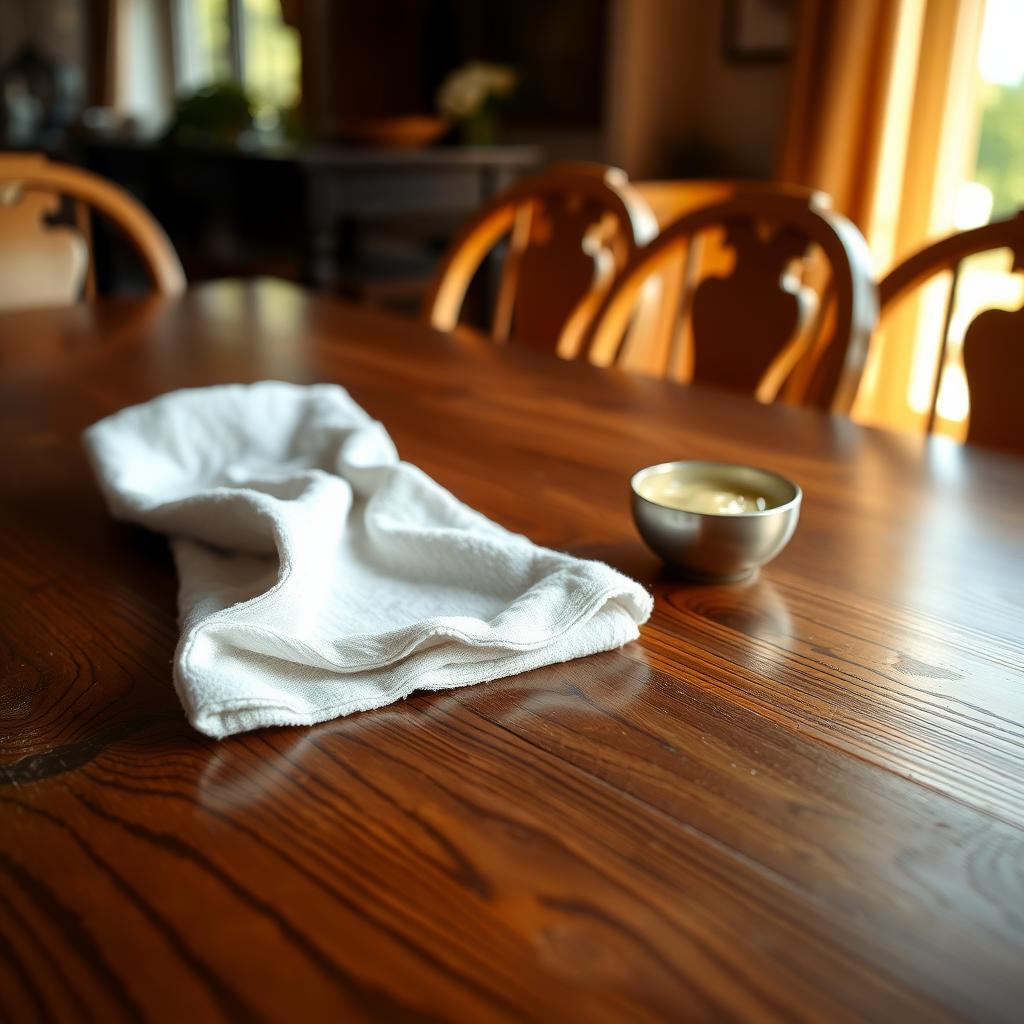
- Wipe Spills Immediately: A damp cloth can handle most spills. I once saved a table from a coffee ring by wiping it within seconds.
- Use Coasters and Placemats: These protect surfaces from heat, scratches, and stains.
- Dust Regularly: Use a microfiber cloth to trap dust, not just move it around.
Avoid harsh chemicals like bleach, which can strip finishes. A mild dish soap mixed with water works wonders for most surfaces.
Weekly and Monthly Maintenance
Set aside time weekly to give your dining set some love. For wooden furniture, a quick polish with a natural product like beeswax keeps it hydrated. I polish my oak table monthly, and it still shines like new after five years. For glass or metal sets, a vinegar-water solution can remove smudges or light rust. Always dry thoroughly to prevent streaks or water damage.
Protecting Your Dining Furniture
Prevention is key to dining furniture care and maintenance. Here are some protective measures:
| Tip | Why It Works |
|---|---|
| Use tablecloths or runners | Shields from spills and scratches |
| Apply felt pads under decor | Prevents scratches from heavy items |
| Keep away from direct sunlight | Avoids fading or warping |
| Control room humidity | Prevents wood from cracking |
I learned the sunlight lesson the hard way when my table’s finish faded unevenly. Now, I use curtains to block harsh rays.

Repairing Minor Damage
Scratches and dents happen, but they don’t have to be permanent. For wooden dining sets, a walnut rubbed over light scratches can blend them away—something I’ve done successfully on my own table. For deeper scratches, a furniture touch-up pen works well. Glass tables with chips may need professional repair, but small scratches can be buffed with non-abrasive toothpaste. Always test remedies on a small area first.
Dealing with Stains
Stains are a dining set’s worst enemy. For wood, a baking soda paste can lift light stains. I once removed a red wine stain from my table using this trick—it took patience but worked. For stubborn stains, consult a professional. On glass, a mix of vinegar and water usually does the trick. Avoid abrasive scrubbers, as they can cause more harm than good.
Seasonal Deep Cleaning
Twice a year, give your dining set a thorough cleaning. For wood, use a high-quality furniture polish to restore shine. Metal frames may need a rust-resistant spray, especially in humid climates. I deep-clean my dining set before holiday gatherings, making it sparkle for guests. Check for loose screws or wobbly chairs during this time and tighten them to keep your furniture sturdy.
Special Considerations for Antique or Heirloom Sets
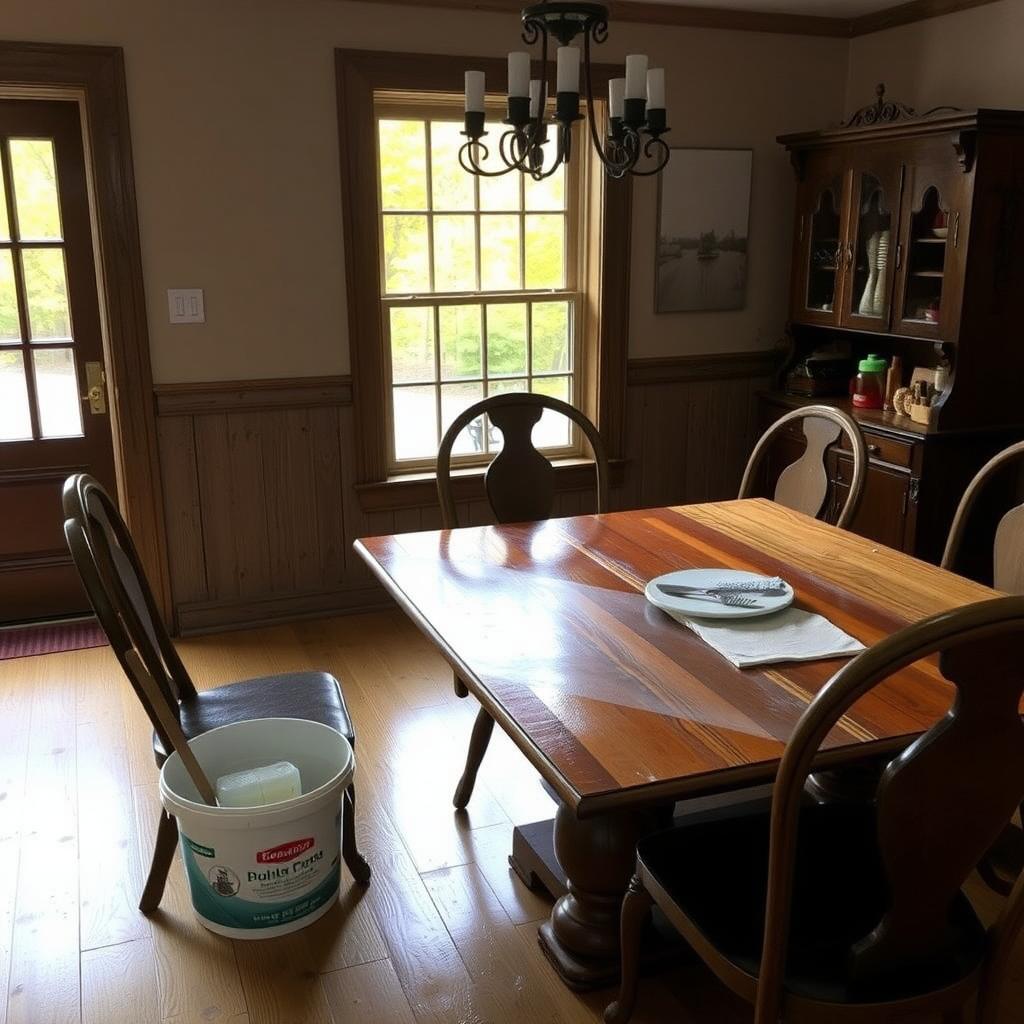
Antique dining sets require extra care. Harsh cleaners can ruin delicate finishes, so stick to gentle, natural products. I inherited a 50-year-old table from my grandmother, and I only use a damp cloth and mild soap to clean it. If you’re unsure, consult a furniture restoration expert. The Furniture Refinishers Association offers great resources for antique care.
Eco-Friendly Maintenance Tips
Sustainability matters. Opt for eco-friendly cleaning products like vinegar, baking soda, or plant-based polishes. These are gentle on your dining set and the environment. I switched to a homemade lemon-vinegar cleaner two years ago, and my furniture looks better than ever. Plus, it’s cheaper than commercial products.
When to Call a Professional
Some issues, like deep scratches or structural damage, need expert attention. If your dining set wobbles despite tightening or shows significant wear, a professional can restore it. Look for local furniture repair services with good reviews. I once hired a pro to fix a cracked table leg, and it was worth every penny.
Summary
Caring for your dining set doesn’t have to be complicated. With regular cleaning, protective measures, and minor repairs, your furniture can stay beautiful for years. Whether it’s a modern glass table or a cherished antique, these dining furniture care and maintenance tips will help you preserve its charm and functionality. Start small, stay consistent, and your dining set will thank you.