




Featured Post
How to Choose the Best Furniture for Your Home
Overview
Choosing the right furniture turns your house into a home you love coming back to. This guide walks you through measuring your space, picking a style you enjoy, selecting durable materials, and caring for your pieces so they last for years. (38 words)

Step 1: Measure Your Space Carefully
You avoid many headaches when you measure before you shop. Grab a tape measure and note the length, width, and height of each room. Don't forget doorways, hallways, and stairways—furniture has to fit through them too.
Draw a simple floor plan on graph paper or use a free online tool. Mark windows, doors, outlets, and radiators. This helps you see exactly how much room you have for a sofa, table, or bed.
Quick Measuring Tips: - Leave at least 36 inches for walkways. - Allow 18-24 inches between a coffee table and sofa. - Measure twice to be sure.

Step 2: Define Your Style
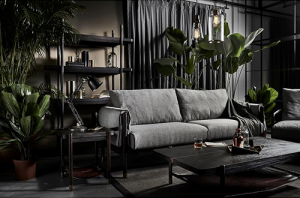
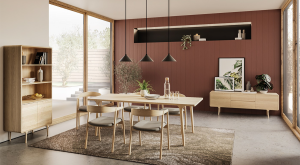
Think about the look that makes you feel relaxed. Do you prefer clean modern lines, warm rustic wood, or classic traditional details? Look through magazines or save photos online to create a mood board.
Mix styles if you like—many homes blend modern with vintage for personality. The key is choosing pieces that feel like "you." I've found that starting with one favorite item, like a bold rug or artwork, makes the rest fall into place naturally.
Step 3: Focus on Function and Lifestyle
Consider how you actually live. Do you have kids or pets? Choose sturdy, easy-clean fabrics. Love hosting dinner parties? Prioritize a large dining table. Work from home? Add a comfortable desk and ergonomic chair.
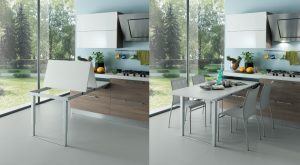
Multi-functional furniture saves space and money. Look for ottomans with storage, sofa beds for guests, or extendable dining tables. In small homes, these pieces work extra hard.
Step 4: Choose the Right Materials
Quality materials make furniture last longer and look better over time. Here's a quick comparison:
| Material | Pros | Cons | Best For |
|---|---|---|---|
| Solid Wood | Durable, beautiful grain, ages well | Higher cost, needs polishing | Tables, beds, cabinets |
| Engineered Wood | Affordable, stable | Less durable than solid wood | Bookcases, some frames |
| Leather | Luxurious, easy to clean, softens | Can scratch, higher price | Sofas in pet-friendly homes |
| Fabric | Wide color/pattern choices, cozy | Stains easily, fades in sun | Family rooms, accent chairs |
| Metal | Strong, modern look | Can feel cold, may rust | Frames, outdoor pieces |
Test materials in person. Sit on sofas, open drawers, and check joints for sturdiness.

Step 5: Furniture Care for Different Materials
Proper care keeps your furniture looking new. Here are simple routines:
- Wood: Dust weekly with a soft cloth. Use polish or oil every few months. Avoid direct sunlight to prevent fading.
- Leather: Wipe spills immediately. Condition every 6-12 months with leather protector. Keep away from heat sources.
- Fabric Upholstery: Vacuum weekly. Spot-clean stains with mild soap and water (check cleaning code first). Rotate cushions for even wear.
- Metal: Wipe with damp cloth. Dry immediately to prevent rust. Use metal polish when needed.
Quick action on spills and regular dusting make the biggest difference. I've learned that spending five minutes a week saves hours of deep cleaning later.
Step 6: Bedroom Furniture – Special Focus on the Bed
Your bed is the most important piece of furniture you own—you spend about a third of your life on it. Choose a mattress that supports your sleep style: firm for back sleepers, softer for side sleepers.
Match the bed frame to your room size. A king bed needs at least 12x12 feet of space. Add nightstands at arm's reach and dressers that don't block pathways.
Layer bedding for comfort: breathable sheets, supportive pillows, and a quality duvet. Good bedroom furniture promotes better rest and starts your day right.
Step 7: Set and Stick to a Budget
Quality furniture is an investment, but you don't have to spend everything at once. Prioritize big pieces first—sofa, bed, dining table—then add accents later.
Look for sales, floor models, or quality used pieces. Remember: spending more upfront on durable items often saves money long-term compared to replacing cheap furniture every few years.
Step 8: Final Shopping and Arrangement Tips
Shop in person when possible to test comfort. Read reviews online for real experiences.
When arranging: - Create conversation areas. - Balance large and small pieces. - Leave breathing room around furniture. - Use rugs to define spaces.
Small adjustments make a huge difference in how the room feels.
Final Thoughts
Choosing furniture is about creating a home that supports your daily life and brings you joy. Take your time, measure carefully, pick pieces you love, and care for them well. The result is a beautiful, comfortable space that truly feels like yours.
Start with one room, make thoughtful choices, and enjoy the process. Your perfect home is built one great piece of furniture at a time.