







Featured Post
The Ultimate Guide to Sustainable Home Decor
Overview
Creating a beautiful home doesn’t have to harm the planet. The Ultimate Guide to Sustainable Home Decor shows you how to design a stylish, eco-friendly space. From sustainable lighting to refreshing old furniture, this guide offers practical tips for greener living.
Why Sustainable Home Decor Matters
Sustainable home decor is about making choices that benefit both your living space and the environment. It’s not just a trend—it’s a way to reduce waste, save energy, and support ethical practices. I’ve always loved decorating my home, but learning about the environmental impact of fast furniture and synthetic materials changed how I approach design. By choosing sustainable options, you can create a space that feels personal and responsible.
Start by understanding the lifecycle of your decor. Where do materials come from? Are they renewable? Can they be recycled? These questions guide eco-conscious decisions. For example, opting for reclaimed wood or organic cotton reduces your carbon footprint while adding unique character to your home.
Sustainable Lighting Solutions for Every Room
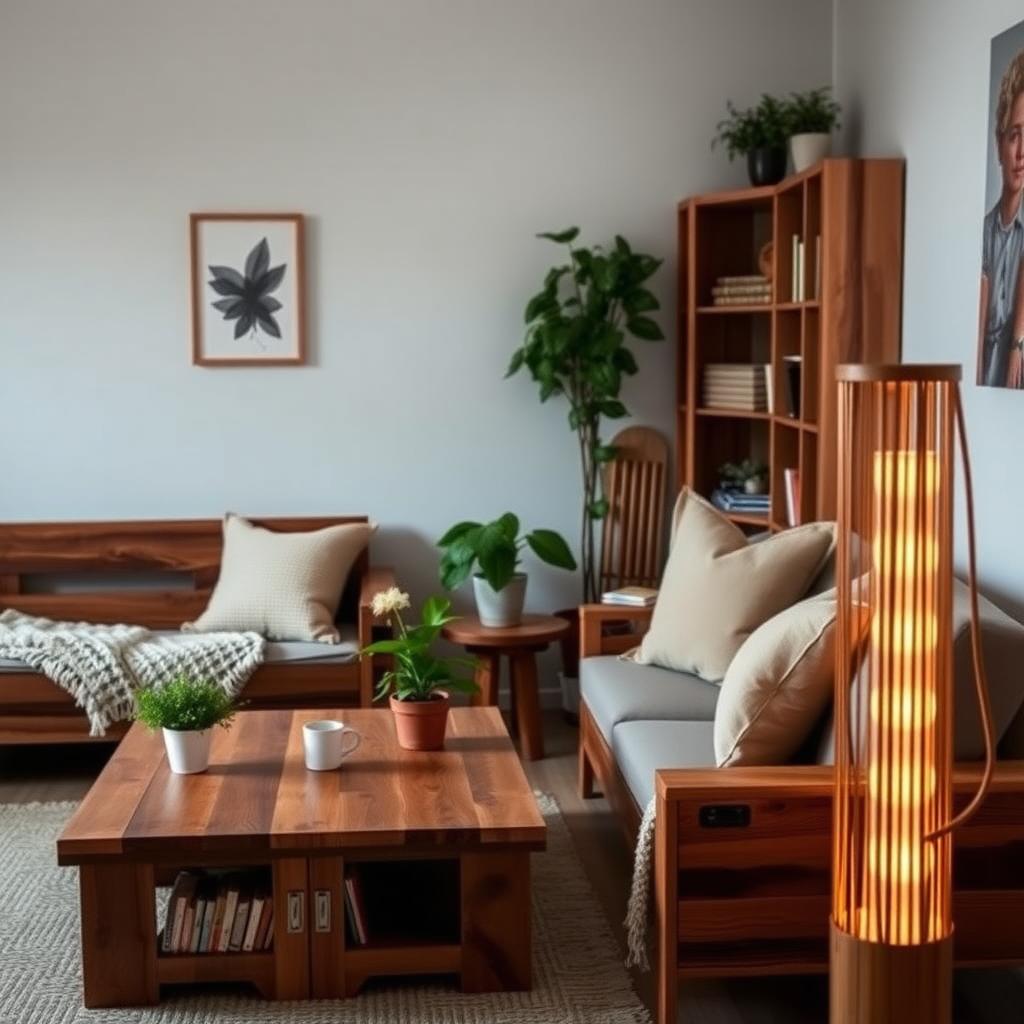
Lighting sets the mood in any home, but it can also be a major energy drain. Sustainable Lighting Solutions for Every Room focus on energy-efficient options that don’t sacrifice style. LED bulbs, for instance, use up to 80% less energy than traditional bulbs and last years longer. I switched to LEDs in my home three years ago, and my electricity bill dropped noticeably.
Consider these lighting ideas: - Living Room: Use dimmable LED floor lamps with natural materials like bamboo or recycled metal. - Kitchen: Install under-cabinet LED strips for task lighting that’s both functional and eco-friendly. - Bedroom: Opt for solar-powered bedside lamps to reduce reliance on grid electricity.
Look for certifications like Energy Star when shopping. Brands like Philips and Cree offer stylish, sustainable options. If you’re on a budget, thrift stores often have vintage lamps that can be retrofitted with LED bulbs.
Eco-Friendly Home Improvement Projects
Eco-Friendly Home Improvement Projects are a great way to refresh your space sustainably. Instead of buying new, focus on upcycling or repurposing. Here are a few projects I’ve tried in my own home:
| Project | Materials Needed | Impact |
|---|---|---|
| Wall Art from Reclaimed Wood | Old pallets, non-toxic paint | Reduces landfill waste |
| DIY Plant Shelves | Recycled crates, screws | Promotes greenery, reuses materials |
| Upcycled Picture Frames | Thrifted frames, eco-friendly paint | Saves money, adds unique style |
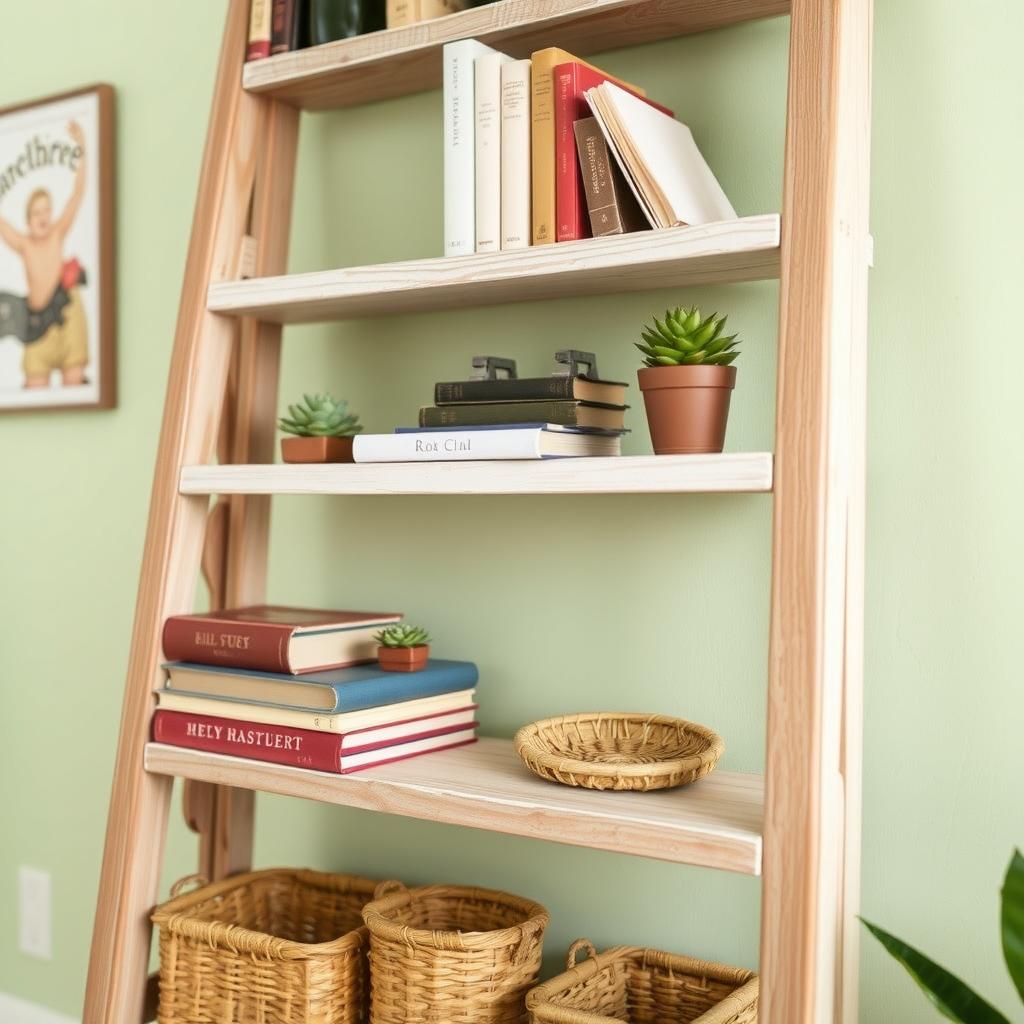
One of my favorite projects was turning an old wooden ladder into a bookshelf. It took a weekend, some sandpaper, and a coat of non-toxic paint. Not only did it save me from buying a new shelf, but it also became a conversation piece. Check out resources like The Spruce for more DIY inspiration.
How to Refresh Old Furniture with New Fabric
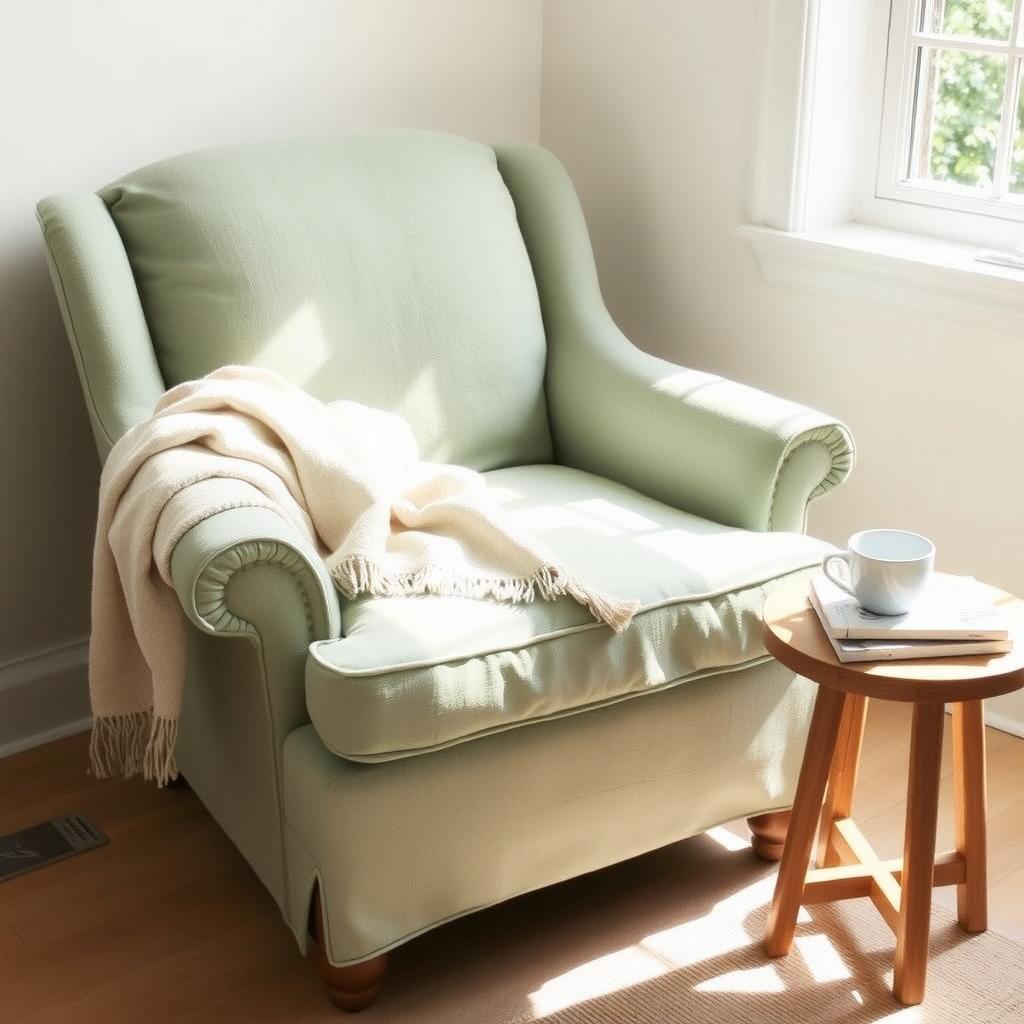
Furniture can last decades if you give it a little love. How to Refresh Old Furniture with New Fabric is one of the easiest ways to breathe new life into tired pieces. I recently reupholstered a thrift-store armchair, and it’s now the centerpiece of my living room. The process is simpler than it seems:
- Assess the Piece: Check if the frame is sturdy. Small cracks can be fixed, but wobbly furniture may not be worth the effort.
- Remove Old Fabric: Use a staple remover and pliers. Wear gloves to avoid scratches.
- Measure and Cut: Measure the fabric, adding a few inches for stapling. Organic cotton or hemp are great sustainable choices.
- Attach New Fabric: Pull the fabric tight and staple it to the frame. Start from the center and work outward for a smooth finish.
- Finish Up: Trim excess fabric and add decorative studs if desired.
This project took me a single afternoon and cost less than $50. Compare that to a new chair, which could set you back hundreds!
How to Choose Upholstery Fabrics
How to Choose Upholstery Fabrics is key to sustainable decor. Not all fabrics are created equal—some are eco-friendly, while others harm the environment. Here’s what to look for: - Natural Fibers: Organic cotton, linen, and hemp are biodegradable and often grown without harmful pesticides. - Recycled Materials: Fabrics made from recycled polyester or plastic bottles reduce waste. - Durability: Choose tightly woven fabrics with high rub counts (15,000+ for furniture) to ensure longevity.
Avoid synthetic fabrics like conventional polyester, which release microplastics. I made this mistake once and regretted it when my couch started pilling after a year. Instead, check out brands like West Elm for sustainable fabric options. If you’re unsure, ask for a swatch to test texture and color at home.
Practical Tips for a Sustainable Home
Beyond furniture and lighting, small changes add up. Use non-toxic paints for walls, like those from Benjamin Moore’s Natura line. Swap single-use decor (like plastic vases) for thrifted ceramics or glass. Incorporate plants to improve air quality—spider plants and pothos are low-maintenance and effective.
When shopping, support brands with transparent sustainability practices. Certifications like Fair Trade or GOTS (Global Organic Textile Standard) are good indicators. Also, consider secondhand marketplaces like eBay or local thrift stores for unique finds that don’t demand new resources.
My biggest tip? Start small. You don’t need to overhaul your home overnight. Even one sustainable choice—like a bamboo lamp or a reupholstered stool—makes a difference.
Summary
Sustainable home decor is about thoughtful choices that reflect your style and values. From Sustainable Lighting Solutions for Every Room to Eco-Friendly Home Improvement Projects, you can create a beautiful, planet-friendly space. Refreshing furniture and choosing the right upholstery fabrics are simple ways to start. Every step toward sustainability counts!