







Featured Post
Furniture Maintenance 101: Keeping Your Pieces Looking New
Overview
Your furniture is more than just decor—it's part of your daily life. From cozy recliners to sturdy dining tables, keeping these pieces in top shape requires regular care. Furniture Maintenance 101: Keeping Your Pieces Looking New offers simple, practical steps to ensure your furniture stays beautiful and functional for years.
Why Furniture Maintenance Matters
Furniture takes a beating—spills, scratches, and daily wear can dull even the best pieces. I learned this the hard way when my favorite recliner started creaking after years of neglect. Regular maintenance not only preserves appearance but also saves money by avoiding costly replacements. Whether it’s a sleek sofa or a compact recliner for a small space, a little effort goes a long way.
The Basics of Furniture Care
Start with a routine. Dusting weekly prevents buildup that can scratch surfaces. Use a soft, dry cloth for wood and microfiber for upholstery. Vacuum upholstered furniture like recliners to remove crumbs and pet hair. For leather, a damp cloth followed by a dry one works wonders. Avoid harsh chemicals—they can strip finishes or fade fabrics.
Recliner Furniture Maintenance and Cleaning Tips
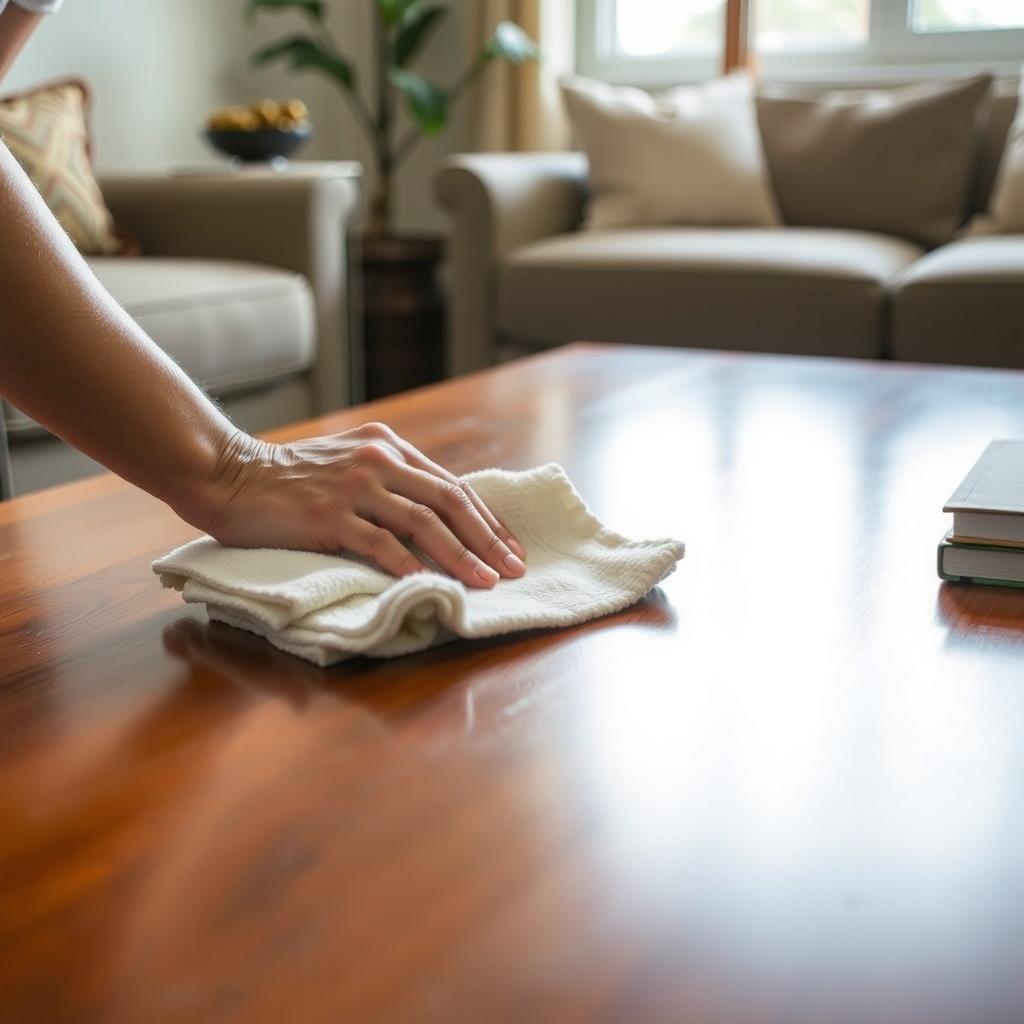
Recliners are comfort kings, but they’re also magnets for dirt. Recliner furniture maintenance and cleaning tips start with knowing your material. Fabric recliners need regular vacuuming with a brush attachment. For stains, mix mild dish soap with warm water, dab gently, and blot dry. Leather recliners require a different approach—use a leather cleaner every six months and avoid direct sunlight to prevent cracking.
I once spilled coffee on my recliner and panicked. Blotting immediately with a clean cloth saved the day. If you’re shopping for a recliner, especially for tight spaces, check out options like those in Top 5 Recliners for Small Spaces. Compact designs can still be durable and easy to maintain.
Deep Cleaning Your Recliner
For a thorough clean: 1. Vacuum: Remove loose debris from seams and crevices. 2. Spot Clean: Use a mild solution for stains, testing on a hidden area first. 3. Condition Leather: Apply a leather conditioner to keep it supple. 4. Check Mechanisms: Lubricate moving parts with a silicone-based spray to prevent squeaks.
Clean every 3-6 months, depending on use. Pets or kids? You might need to do it more often.
Wood Furniture: Polishing and Protection
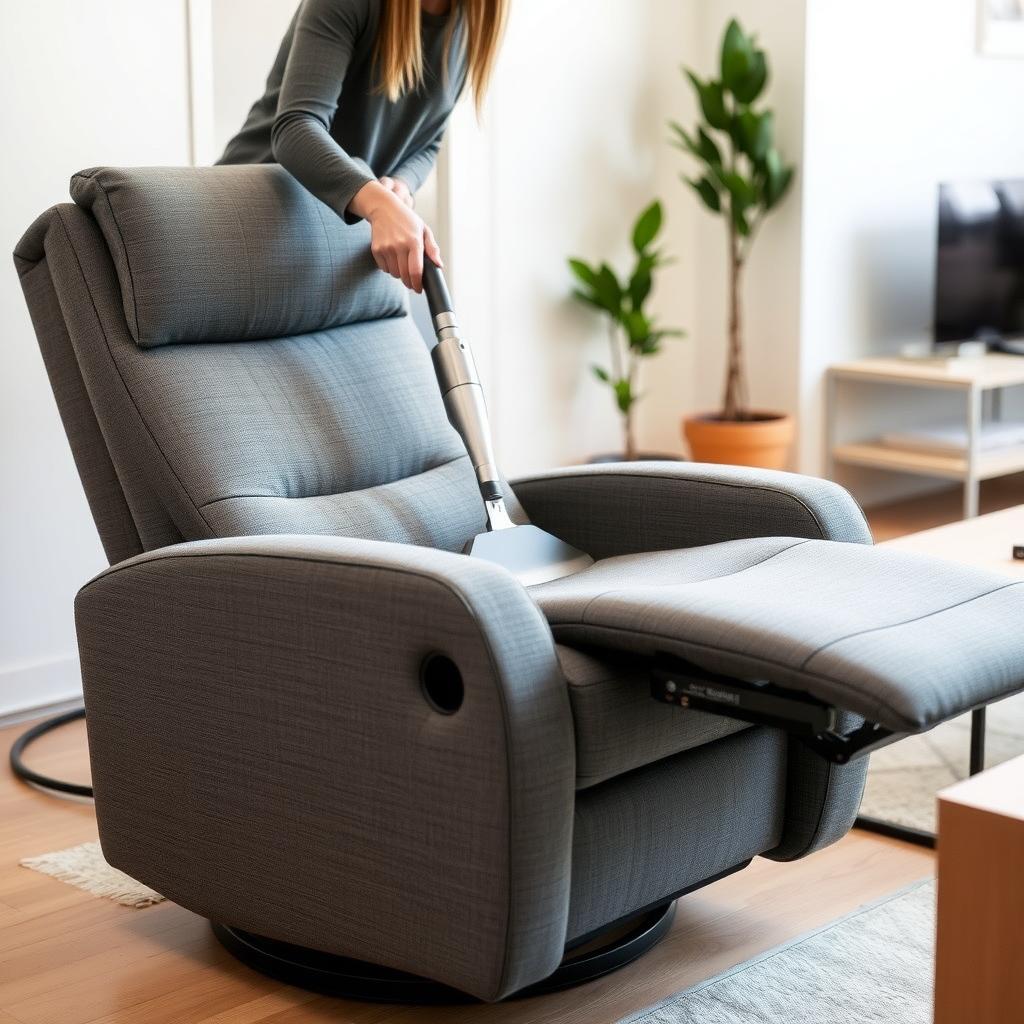
Wood furniture, like tables or cabinets, needs special care. Dusting isn’t enough—polish every 1-2 months with a product suited for your wood type. My oak dining table looked dull until I started using a beeswax-based polish. It brought back the shine and added a protective layer. Avoid placing hot or wet items directly on wood; coasters and placemats are your friends.
Fixing Scratches and Dings
Minor scratches can be fixed at home. For light scratches on wood, rub a walnut (yes, the nut!) over the mark—the natural oils help blend it in. For deeper scratches, use a furniture touch-up marker. I’ve saved countless pieces this way, and it’s satisfying to see the results.
Upholstered Furniture: Stain Prevention and Care
Upholstery is tricky because it varies—cotton, linen, microfiber, or velvet all behave differently. Always check the manufacturer’s cleaning code (W for water-based, S for solvent-based, etc.). For general upkeep, use a fabric protector spray to repel spills. When my cat scratched my sofa, I trimmed the loose threads and applied a fabric glue to stop fraying. It’s not perfect, but it’s barely noticeable now.
Metal and Glass Furniture: Shine Without Streaks
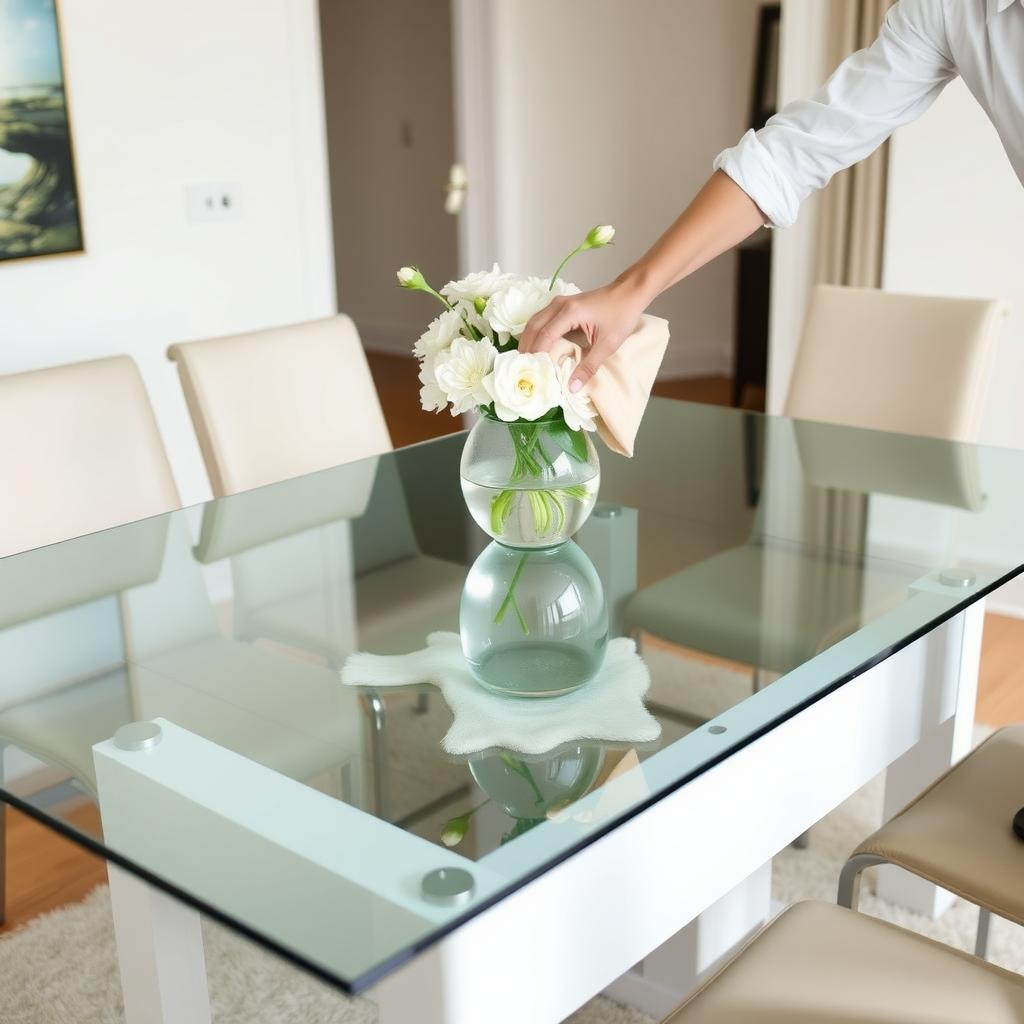
Metal frames, like those on modern chairs, can tarnish. Wipe them with a damp cloth and dry immediately to prevent rust. For glass tabletops, a 50/50 mix of water and vinegar cuts through smudges. I clean my glass coffee table weekly because fingerprints show up fast in my sunny living room.
Storage and Placement Tips
Where you place furniture matters. Keep pieces away from direct sunlight to prevent fading—my recliner’s vibrant blue dulled slightly because I ignored this. Use felt pads under furniture legs to avoid floor scratches. For storage, disassemble what you can and cover with breathable fabric, not plastic, to prevent mold. If you’re tight on space, consider multi-functional furniture like recliners with built-in storage.
Seasonal Maintenance Checklist
| Season | Task | Why It Matters |
|---|---|---|
| Spring | Deep clean upholstery | Refreshes after winter dust buildup |
| Summer | Polish wood furniture | Protects against humidity |
| Fall | Lubricate recliner mechanisms | Prevents wear from frequent use |
| Winter | Vacuum and spot clean | Keeps furniture cozy and clean |
This checklist keeps my furniture in check year-round. Adjust based on your climate—humid areas might need extra dehumidifiers.
When to Call a Professional
Some issues need expert help. Reupholstering a worn recliner or refinishing an antique table is best left to pros. I once tried reupholstering a chair myself and ended up with uneven seams. If the damage is structural, like a broken recliner mechanism, don’t DIY—call a technician. Websites like Upholstery Resource can guide you to local experts.
Budget-Friendly Maintenance Hacks
You don’t need fancy products. Baking soda and water can clean fabric stains. Olive oil and vinegar (2:1 ratio) make a great wood polish. For recliners, a $5 can of silicone spray keeps mechanisms smooth. These hacks have saved me hundreds over the years.
Summary
Maintaining your furniture doesn’t have to be overwhelming. With regular cleaning, smart storage, and quick fixes, your pieces can stay looking new for years. From recliner furniture maintenance and cleaning tips to wood polishing, small habits make a big difference. Start today, and your furniture will thank you.