


Featured Post
Choosing the Perfect Nightstands for Kids' Bedrooms and Nurseries
Overview
Nightstands for kids' bedrooms and nurseries are more than just a place to set a lamp or a glass of water. They’re a key piece of furniture that blends style, safety, and functionality to create a cozy and practical space for your child. Whether you’re designing a nursery for a newborn or updating a big kid’s room, the right nightstand can make all the difference. This guide dives into everything you need to know to pick the perfect one.
Why Nightstands Matter in Kids’ Rooms
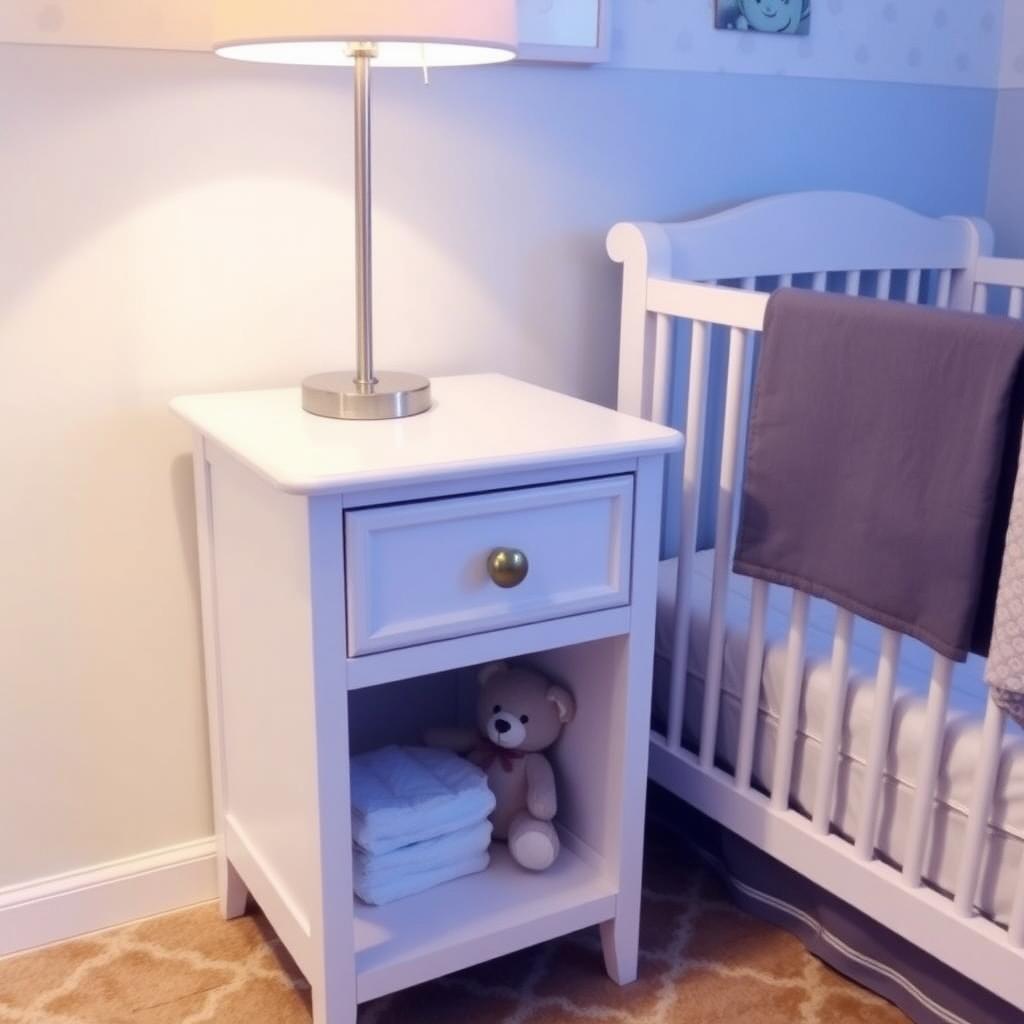
A nightstand isn’t just a decorative accent; it’s a functional hub for a child’s bedtime routine. From holding storybooks to a favorite stuffed animal, it keeps essentials within arm’s reach. In nurseries, nightstands for kids’ bedrooms and nurseries often double as a spot for diapers, wipes, or a baby monitor. For older kids, they’re a place to stash gadgets, books, or a journal.
My own experience as a parent taught me that a well-chosen nightstand can simplify bedtime chaos. When my daughter was three, we picked a nightstand with a small drawer for her favorite books and a lower shelf for her water cup. It became her little command center, giving her a sense of independence.
Key Features to Look for in a Kids’ Nightstand
When shopping for nightstands for kids’ bedrooms and nurseries, focus on these must-have features:
- Safety First: Rounded edges and sturdy construction are non-negotiable. Kids are prone to bumps and tumbles, so avoid sharp corners. Look for nightstands made from solid wood or high-quality MDF to withstand roughhousing.
- Size Matters: A nightstand should be proportional to the bed and room. For nurseries, a taller nightstand (around 24-30 inches) works well for standing parents. For older kids, a lower one (18-24 inches) is easier for them to reach.
- Storage Options: Drawers, shelves, or cubbies keep clutter at bay. A single drawer is great for small items, while open shelves suit books or toys.
- Durability: Kids are tough on furniture. Choose finishes that resist scratches and are easy to clean, like lacquered wood or laminated surfaces.
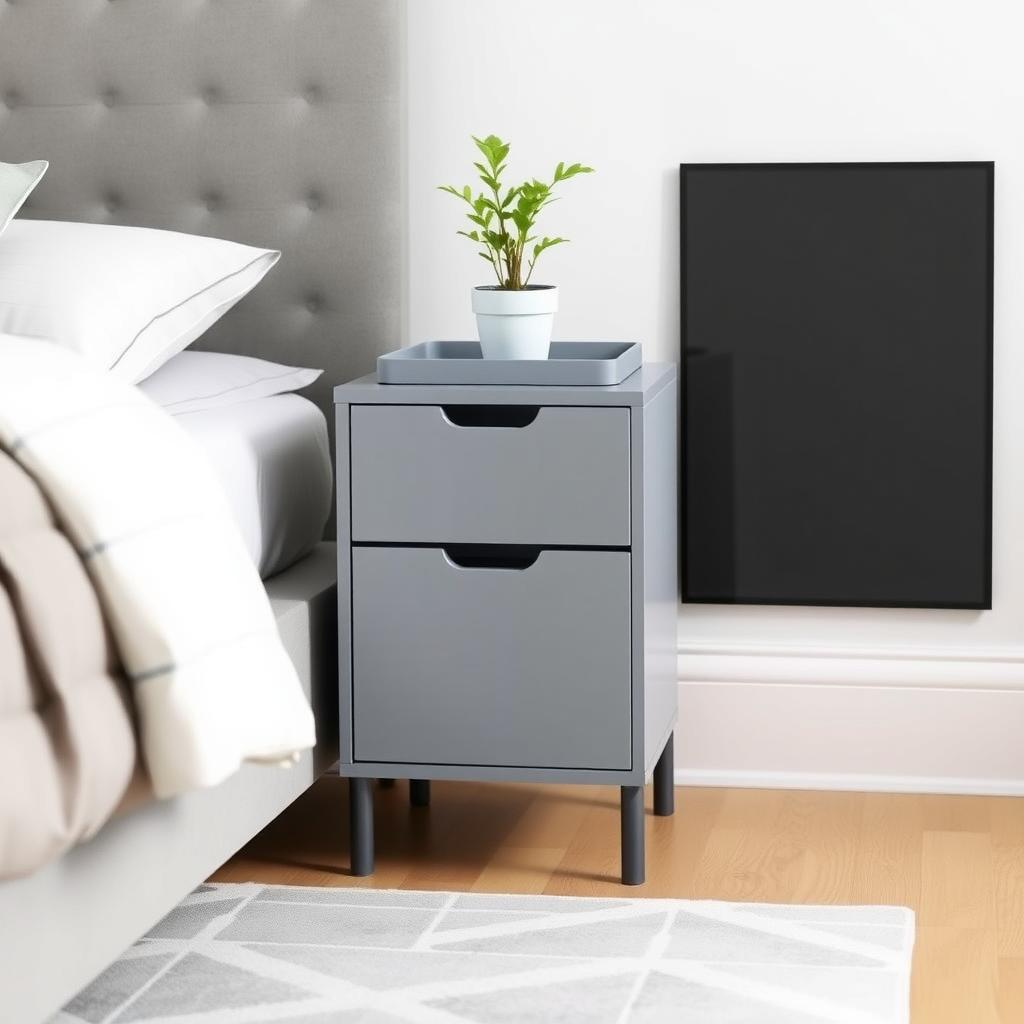
- Style: The nightstand should match the room’s vibe, whether it’s whimsical, modern, or classic. Neutral colors like white or gray offer flexibility as your child grows.
Safety Considerations for Nightstands
Safety is the top priority when choosing furniture for kids. Unstable nightstands can tip over, especially if a toddler tries to climb them. Look for models with a wide, heavy base or wall-anchoring kits. The U.S. Consumer Product Safety Commission (CPSC) reports that furniture tip-overs cause thousands of injuries annually, so always secure the nightstand to the wall.
I learned this the hard way when my son, at two, pulled a lightweight nightstand over while reaching for a toy. Thankfully, he wasn’t hurt, but we immediately anchored all furniture in his room. Check for certifications like GREENGUARD Gold for low chemical emissions, especially in nurseries where air quality matters.
Styles and Themes for Every Age
Nightstands for kids’ bedrooms and nurseries come in endless styles to suit your child’s personality and room decor. Here are some popular options:
| Style | Best For | Features |
|---|---|---|
| Classic Wooden | All ages | Timeless, durable, often with drawers or shelves. |
| Modern Minimalist | Older kids | Sleek lines, neutral colors, simple design. |
| Whimsical | Toddlers/Young kids | Fun shapes (e.g., clouds, animals), bright colors. |
| Vintage-Inspired | Nurseries | Ornate details, soft pastels, elegant charm. |
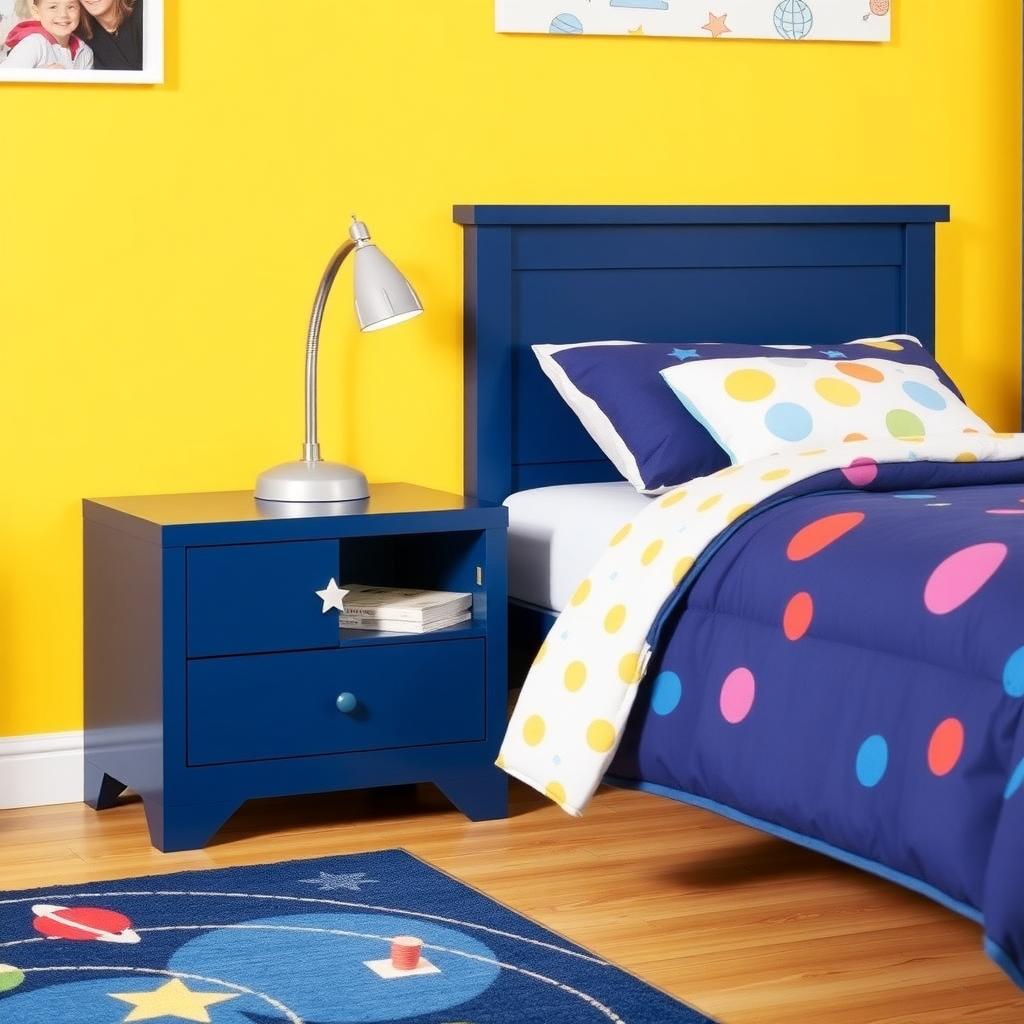
For my daughter’s nursery, we chose a vintage-inspired nightstand with curved legs and a soft mint finish. It felt special but grew with her into her toddler years. For older kids, consider letting them pick a color or theme—my son loves his navy blue nightstand with a star-shaped knob, which makes bedtime feel like an adventure.
Functionality Meets Fun
A nightstand should work hard but also spark joy. For nurseries, consider a nightstand with a built-in nightlight or a charging port for baby monitors. For older kids, look for features like pull-out trays for coloring or a corkboard panel for pinning notes.
When my kids started school, I swapped their basic nightstand for one with a small corkboard side. They loved pinning their artwork, and it kept their bedside clutter-free. Think about your child’s habits—do they need space for books, a spot for a water bottle, or a drawer for treasures? Tailor the nightstand to their needs.
Budget-Friendly Options
You don’t need to break the bank to find quality nightstands for kids’ bedrooms and nurseries. Retailers like IKEA, Target, and Wayfair offer stylish options under $100. For example, IKEA’s HEMNES nightstand is a solid choice for its durability and classic design. If you’re handy, consider upcycling a thrift store find with a fresh coat of paint and new knobs.
I once found a $20 nightstand at a garage sale, sanded it down, and painted it bright red for my son’s room. It’s still his favorite piece of furniture, and the project was a fun weekend activity.
Placement Tips for Maximum Impact
Where you place the nightstand matters as much as its design. In nurseries, position it close to the crib for easy access during late-night feedings. For older kids, place it within arm’s reach of the bed but not so close it feels cramped. If space is tight, consider a wall-mounted nightstand to save floor space.
In my daughter’s small room, we used a floating nightstand with a single shelf. It freed up space for a toy bin underneath and still held her essentials. Measure your space carefully—leave at least 18 inches between the bed and nightstand for easy movement.
Eco-Friendly and Sustainable Choices
Sustainability is a growing concern for parents. Look for nightstands made from responsibly sourced wood or recycled materials. Brands like West Elm and Crate & Barrel offer eco-friendly options certified by the Forest Stewardship Council (FSC). These pieces are pricier but built to last, reducing the need for replacements.
When we upgraded my son’s room, we chose an FSC-certified oak nightstand. It felt good knowing it was a sustainable choice, and its sturdy build has survived three years of rough play.
Summary
Nightstands for kids’ bedrooms and nurseries are a small but mighty addition to any child’s room. They combine safety, style, and function to create a space that’s both practical and personal. By focusing on durability, safety features, and a design that grows with your child, you’ll find a nightstand that makes bedtime smoother and the room more inviting. Whether you’re on a budget or splurging on a sustainable piece, there’s a perfect nightstand out there for every family.