


Featured Post
Top 10 Tips for Organizing Your Home Furniture
Overview
Organizing your home furniture can feel overwhelming, but with the right approach, it transforms your space into a functional, inviting haven. These Top 10 Tips for Organizing Your Home Furniture blend practicality with creativity, ensuring your home looks great and works for your lifestyle. Let’s dive into actionable strategies to make your furniture work harder for you.
1. Assess Your Space Before Rearranging
Start by evaluating your room’s layout. Measure the dimensions of each area—length, width, and height—to understand what fits where. I once tried squeezing a large sectional sofa into a small living room, only to realize it blocked the natural light. Use a tape measure and sketch a rough floor plan to visualize possibilities. Consider foot traffic and focal points, like a fireplace or TV, to guide your arrangement.
Pro Tip: Apps like RoomSketcher can help you create digital floor plans for free, making it easier to experiment without heavy lifting.
2. Prioritize Functionality Over Aesthetics
While a stylish sofa is tempting, functionality should lead your decisions. Think about how you use each room. For example, in my home office, I swapped a decorative chair for an ergonomic one to support long work hours. Ask yourself: Do you need more seating for guests or storage for clutter? Choose furniture that serves multiple purposes, like an ottoman with hidden storage.
For expert advice on functional design, check out Cornell University’s guide on ergonomic furniture, which emphasizes comfort and practicality.
3. Create Zones for Different Activities
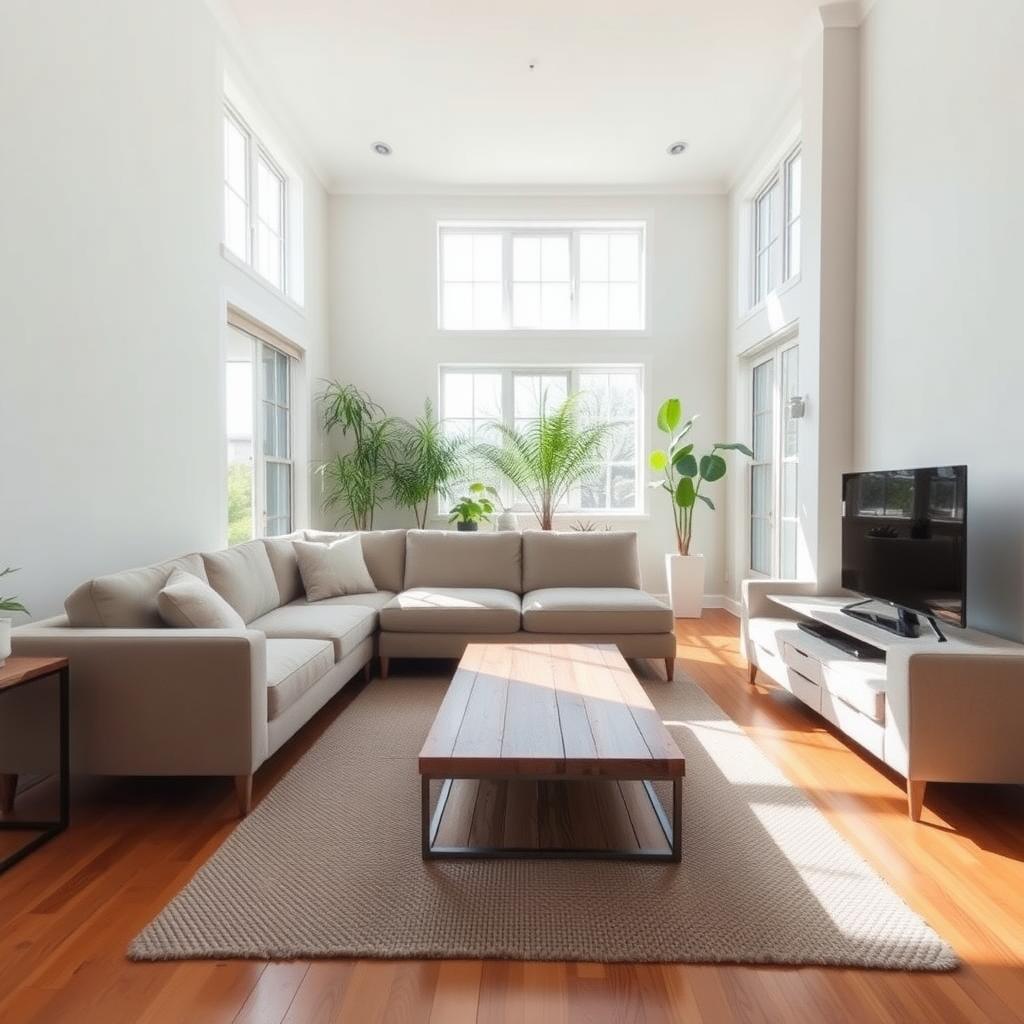
Divide larger rooms into zones to maximize utility. In my open-plan living area, I set up a reading nook with a comfy chair and a small bookshelf, separate from the TV-watching area. Use rugs or furniture placement to define these zones. For instance, a sofa can act as a natural divider between a dining and lounging space.
Quick Tip: Place your sofa to anchor the main zone, ensuring it doesn’t block pathways.
4. Embrace Vertical Space
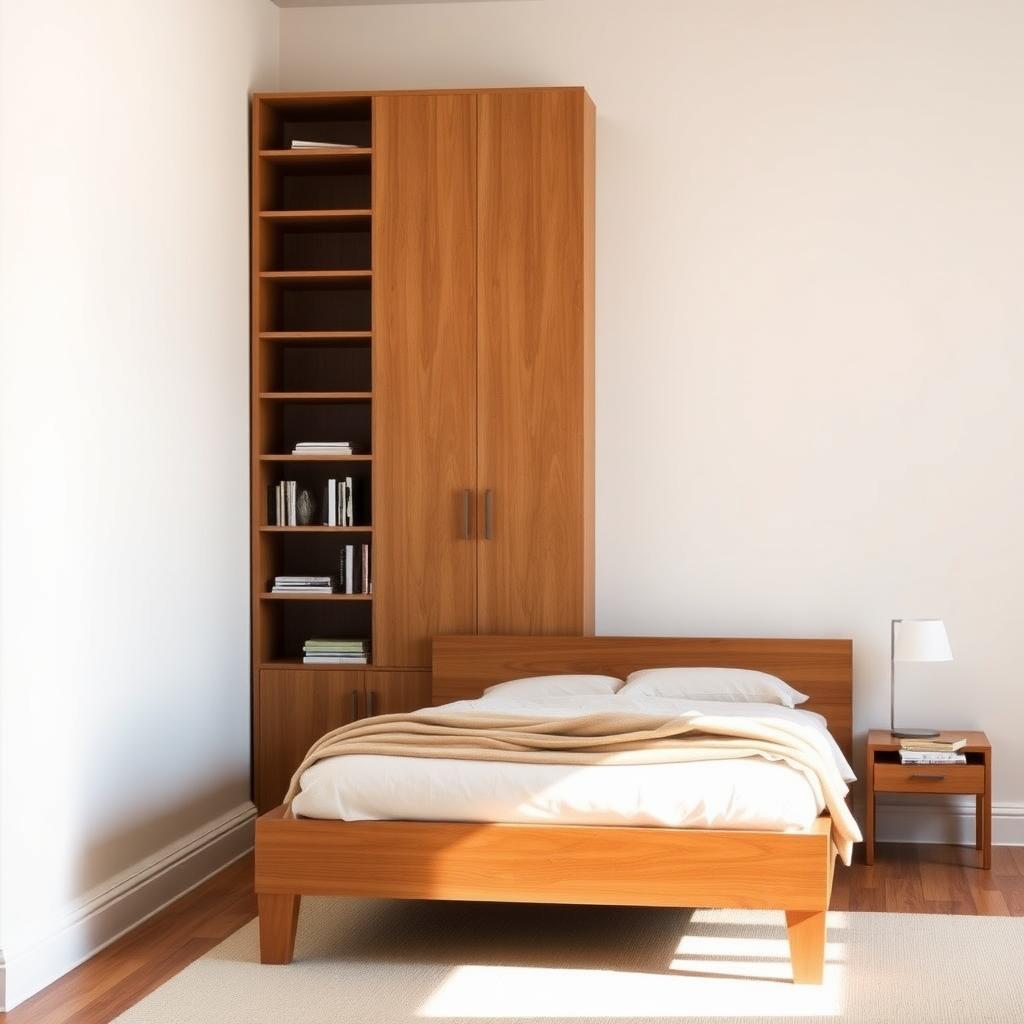
Don’t ignore your walls! Vertical storage, like tall bookshelves or wall-mounted cabinets, can free up floor space. In my small apartment, I added floating shelves above my desk to store books and decor, keeping the room airy. This works especially well in tight spaces where bulky furniture might overwhelm.
The U.S. Department of Housing and Urban Development offers insights on maximizing small living spaces, which inspired my vertical storage solutions.
5. Master the Art of Assembling Furniture with Ease
Assembling furniture with ease saves time and frustration. Always read the instructions first—trust me, I learned this after spending hours on a misaligned bookshelf. Lay out all parts and tools before starting, and use a power drill for faster assembly. For complex pieces like a modular sofa, enlist a friend to help align sections properly.
Hack: Keep a small toolkit with essentials like a screwdriver, Allen wrench, and hammer for quick furniture assembly.
6. Declutter Before Rearranging
Before moving a single chair, declutter. I once spent a day rearranging my living room only to realize half the furniture was holding unnecessary items. Donate or sell pieces that no longer serve a purpose. A clean slate makes it easier to see what fits and what doesn’t.
Checklist for Decluttering: - Keep only furniture that suits your current needs. - Store seasonal items like extra chairs in a garage or closet. - Sell or donate unused pieces to local charities.
7. Use Multi-Functional Furniture
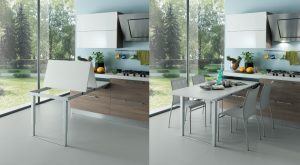
Multi-functional furniture is a game-changer for small spaces. My fold-out desk doubles as a dining table, saving space in my studio apartment. Look for items like sleeper sofas, extendable tables, or ottomans with storage. These pieces let you adapt your space for different needs without cluttering it.
For inspiration, IKEA’s space-saving furniture guide showcases clever multi-functional designs.
8. Balance Scale and Proportion
Furniture that’s too large or small can throw off a room’s harmony. In my first apartment, I bought an oversized sofa that dwarfed the space, making it feel cramped. Ensure your furniture matches the room’s scale. For example, pair a sleek sofa with a slim coffee table in a small living room to maintain balance.
Rule of Thumb: The largest piece (like a sofa) should anchor the room, with smaller pieces complementing it.
9. Test and Adjust Your Layout
Don’t be afraid to experiment. After arranging my furniture, I lived with the setup for a week to see how it felt. Sometimes, small tweaks—like angling a chair or shifting a table—make a big difference. Move furniture around until the layout feels intuitive and comfortable.
Try This: Take photos of different layouts to compare them visually before deciding.
10. Personalize with Purpose
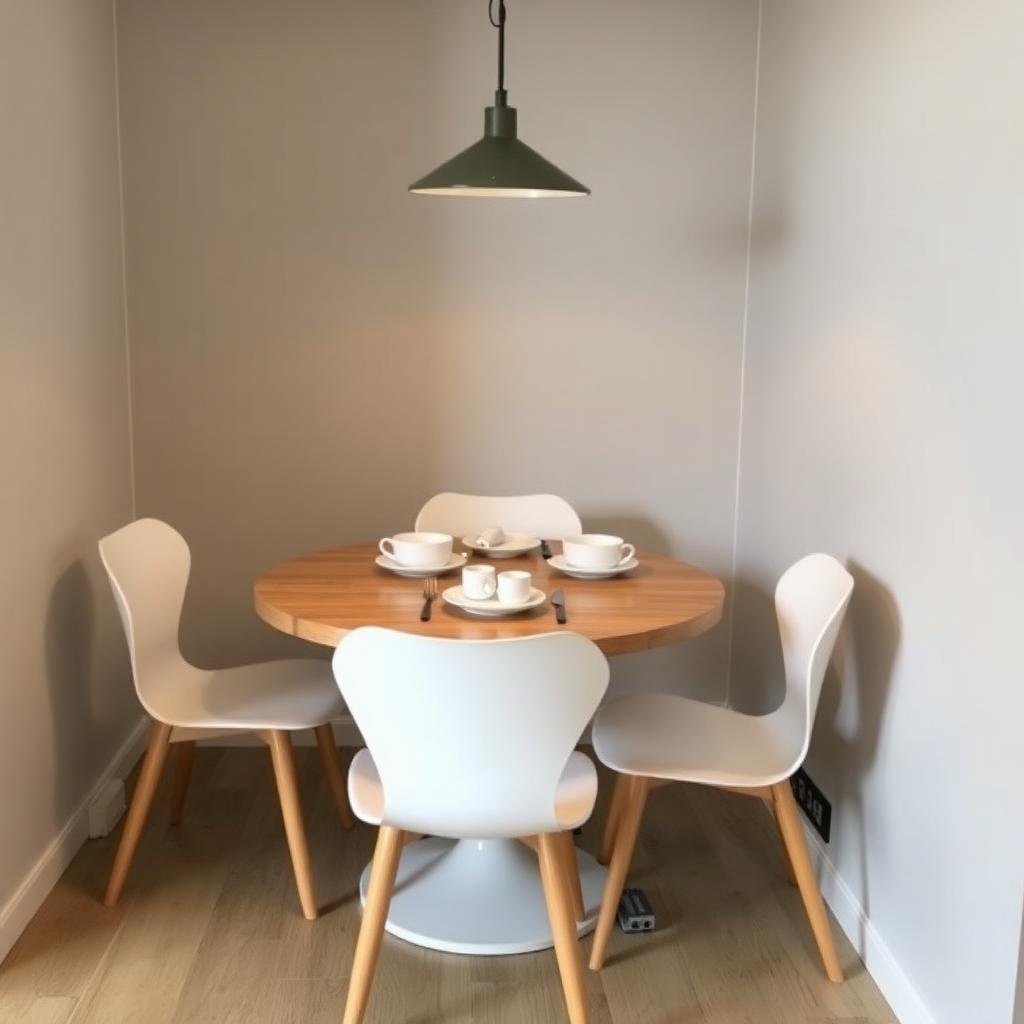
Finally, make your space yours. Add personal touches like throw pillows, artwork, or plants, but keep them intentional to avoid clutter. I swapped generic sofa cushions for ones in my favorite colors, instantly making the room feel more like home. Choose decor that complements your furniture and enhances the room’s vibe.
Idea: Use a single color palette for accessories to tie the room together.
Summary
Organizing your home furniture doesn’t have to be daunting. By assessing your space, prioritizing function, and embracing smart solutions like multi-functional pieces, you can create a home that’s both stylish and practical. These Top 10 Tips for Organizing Your Home Furniture will help you maximize space, streamline assembly, and personalize your layout. Start small, experiment, and enjoy the process of making your home uniquely yours.