








Featured Post
The Ultimate Guide to Outdoor Cushion Care and Maintenance
Overview
Outdoor cushions add comfort and style to your patio, but they face tough conditions like sun, rain, and dirt. Proper care can extend their life and keep them looking great. The Ultimate Guide to Outdoor Cushion Care and Maintenance shares practical steps to protect your investment and enhance your outdoor space.
Why Outdoor Cushion Care Matters
Outdoor cushions endure a lot—UV rays fade colors, rain causes mold, and spills create stains. Without regular maintenance, even high-quality cushions can deteriorate fast. I’ve seen beautiful patio setups lose their charm because of neglected cushions. Proper care not only preserves aesthetics but also saves you from costly replacements. According to a study by the University of California, UV exposure can degrade fabric fibers in just one season without protection. Let’s dive into how to keep your cushions in top shape.
Choosing the Best Materials for Weather-Proof Patio Furniture
The first step in cushion care is picking the right materials. Not all fabrics are equal when it comes to outdoor use. Look for solution-dyed acrylics like Sunbrella, which resist fading and mildew. Polyester blends are budget-friendly but less durable. For foam, opt for quick-dry or open-cell foam to prevent water retention. I once chose cheap cushions for my deck, and they mildewed after one rainy week. Investing in the best materials for weather-proof patio furniture makes maintenance easier and extends cushion life.

Cleaning Your Outdoor Cushions
Regular cleaning is key to patio furniture maintenance tips. Start by checking the manufacturer’s care label—most outdoor cushions have specific instructions. Here’s a simple cleaning routine:
- Brush Off Debris: Use a soft brush to remove dirt, leaves, or pollen.
- Vacuum: Use a handheld vacuum to get into seams and crevices.
- Spot Clean: Mix mild dish soap with water, dab stains with a soft cloth, and rinse thoroughly.
- Deep Clean: For tough stains, use a fabric cleaner recommended for outdoor use. Avoid harsh chemicals like bleach, which can damage fibers.
I clean my cushions every spring, and it’s amazing how a quick scrub revives their color. For mold or mildew, a solution of one part vinegar to four parts water works wonders. Rinse well and air-dry completely to prevent moisture buildup.
Protecting Cushions from the Elements
Weather is the biggest enemy of outdoor cushions. UV rays break down fabric, while rain leads to mold. Here are some patio furniture maintenance tips to protect them:
- Use Covers: Invest in fitted, waterproof covers. I learned this the hard way when a summer storm soaked my uncovered cushions.
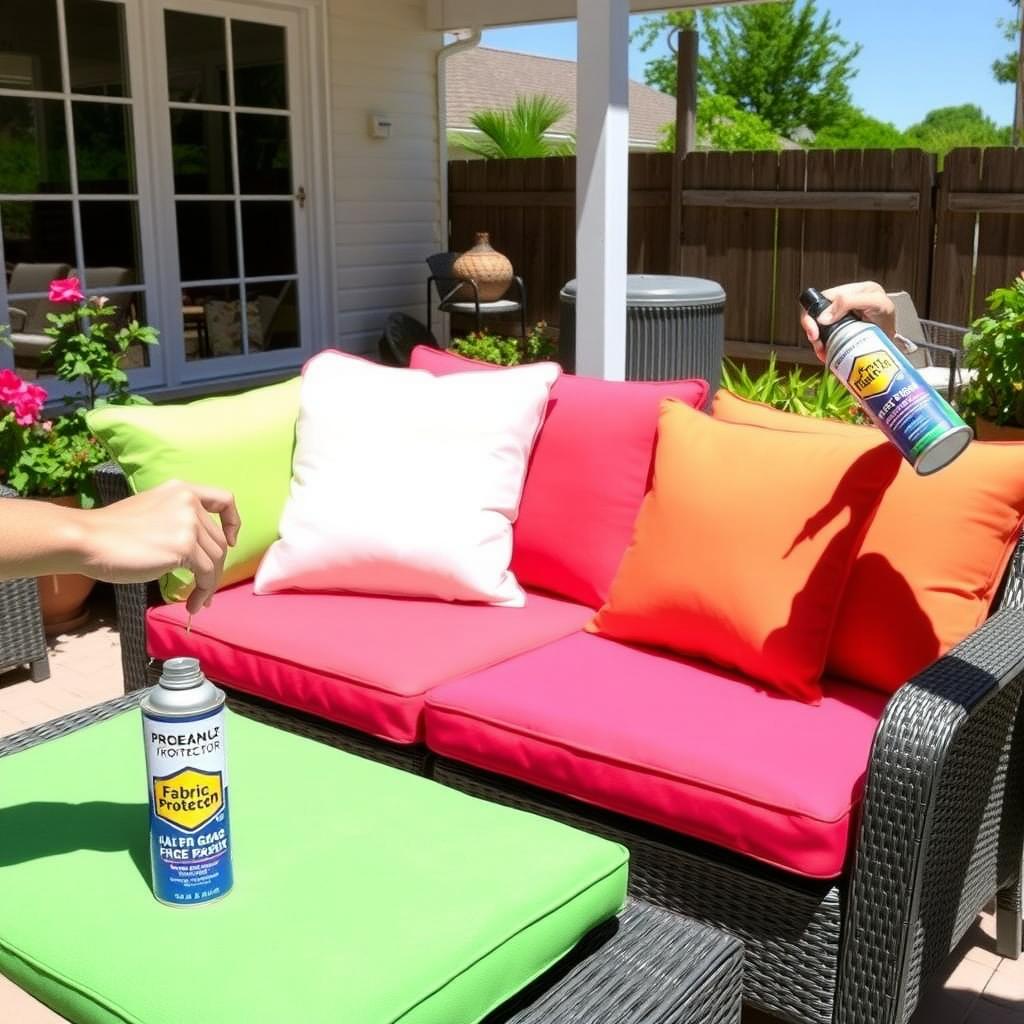
- Apply Fabric Protectors: Products like Scotchgard add a water-repellent layer. Reapply every season for best results.
- Store During Off-Seasons: If you live in a harsh climate, store cushions indoors during winter. A dry basement or garage works well.
A report by the National Weather Service notes that prolonged moisture exposure is a leading cause of outdoor fabric damage. Taking these steps can double your cushions’ lifespan.
Storing Outdoor Cushions Properly
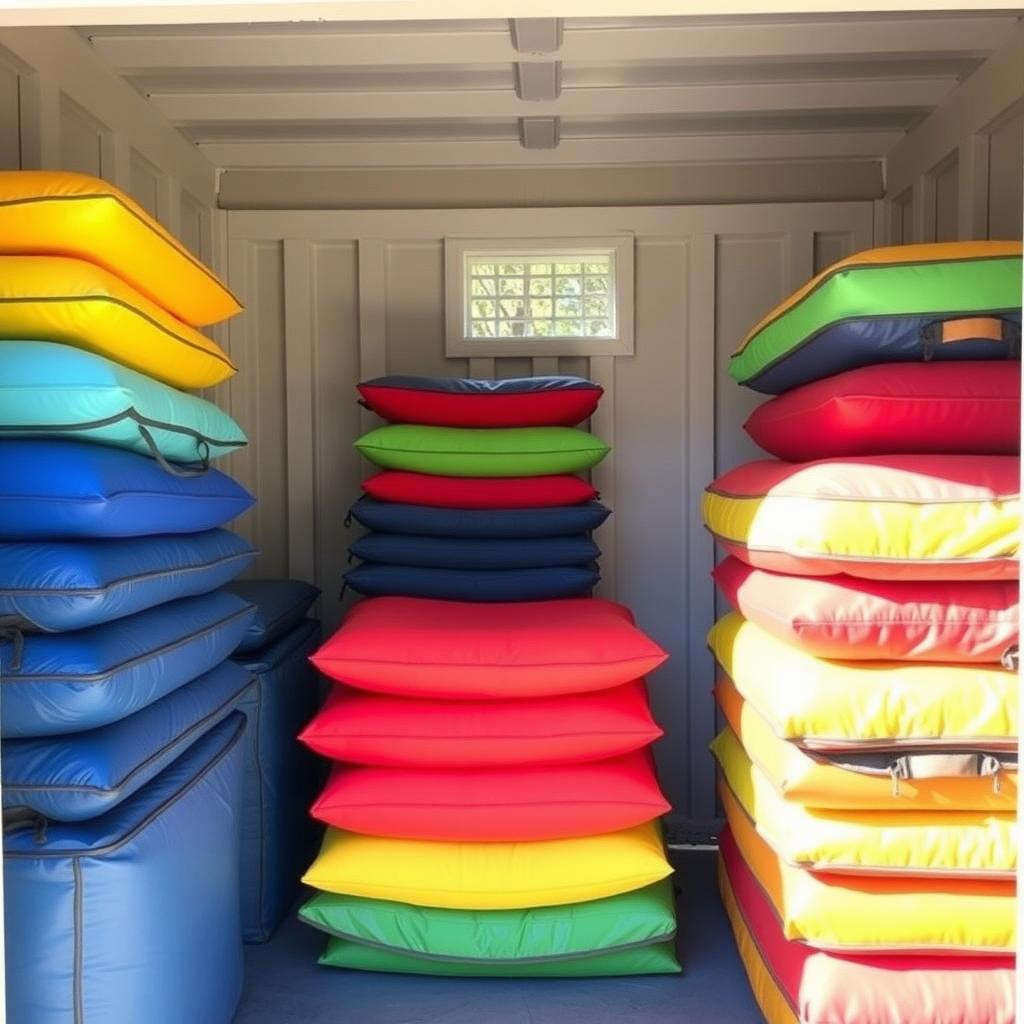
Storage is a game-changer for cushion longevity. If you can’t store indoors, use weatherproof storage boxes. Here’s a quick checklist for storage:
| Step | Description |
|---|---|
| Clean Thoroughly | Ensure cushions are dry and free of dirt before storing. |
| Use Breathable Bags | Avoid plastic bags that trap moisture; opt for breathable fabric bags. |
| Store in a Dry Place | Choose a cool, dry spot to prevent mildew. |
| Elevate Off the Ground | Use shelves to avoid damp floors. |
Last fall, I stored my cushions without cleaning them first, and mold spots appeared by spring. Now, I always clean and dry them thoroughly before packing them away.
Repairing and Replacing Cushions
Even with great care, cushions may need repairs. Small tears can be fixed with outdoor fabric patches or a needle and thread designed for heavy-duty fabrics. For faded cushions, consider dyeing them with outdoor-safe dyes. If the foam is waterlogged or crumbling, it’s time to replace it. I’ve revived old cushions by swapping out the foam, and it’s surprisingly affordable. Check with local upholstery shops or online retailers for custom foam cuts.
Seasonal Maintenance Schedule
To make patio furniture maintenance tips manageable, follow a seasonal schedule:
- Spring: Deep clean cushions, apply fabric protector, and inspect for damage.
- Summer: Spot clean monthly and cover during heavy rain.
- Fall: Clean thoroughly and prepare for storage.
- Winter: Store indoors or in weatherproof boxes.
This routine keeps your patio furniture looking fresh. I set calendar reminders to stay on track, and it’s made a huge difference in how my cushions hold up.
Common Mistakes to Avoid
Here are pitfalls I’ve encountered and how to avoid them:
- Ignoring Care Labels: Always follow manufacturer guidelines to avoid damage.
- Using Harsh Cleaners: Bleach or strong detergents can ruin fabrics.
- Leaving Cushions Out: Even weather-resistant cushions need protection during storms.
- Improper Storage: Damp or poorly ventilated storage leads to mildew.
A friend once used bleach on her cushions, thinking it would brighten them. The fabric shredded within months. Stick to gentle cleaners and proper storage.
Eco-Friendly Cushion Care Tips
Sustainability matters. Use eco-friendly cleaners like vinegar or biodegradable soaps. Choose cushions made from recycled materials when replacing old ones. The Environmental Protection Agency highlights that eco-conscious choices reduce waste and environmental impact. I’ve switched to green cleaners, and my cushions still look great while I feel good about my choices.
Summary
Caring for outdoor cushions doesn’t have to be hard. By choosing the best materials for weather-proof patio furniture, cleaning regularly, protecting from the elements, and storing properly, you can keep your patio furniture vibrant for years. Follow these patio furniture maintenance tips to enjoy a beautiful, comfortable outdoor space without constant replacements. With a little effort, your cushions can withstand the seasons and stay inviting.