








Featured Post
How to Organize Your Bookshelf in 5 Easy Steps
Overview
A cluttered bookshelf can make your living space feel chaotic, but a well-organized one can transform your room into a cozy, inviting haven. Whether you're a book lover with a growing collection or someone looking to refresh their space, learning How to Organize Your Bookshelf in 5 Easy Steps is a game-changer. This guide offers practical tips and Creative Ways to Showcase Books in Your Space, blending functionality with style to suit modern bookshelf designs for living rooms.
Step 1: Declutter Your Collection
The first step to an organized bookshelf is to take stock of what you own. Pull every book off the shelves and sort them into three piles: keep, donate, and sell. Be honest—do you really need that paperback you haven’t touched in years? According to a study from the American Library Association, regular decluttering promotes better mental clarity by reducing visual chaos in your home.
Hold each book and ask: Does it spark joy? Is it a reference you use? If not, consider passing it on. Libraries and local charities often welcome donations, and selling duplicates online can earn you a bit of cash. Once you’ve pared down, you’ll have a clearer vision for your bookshelf.
Step 2: Categorize Your Books
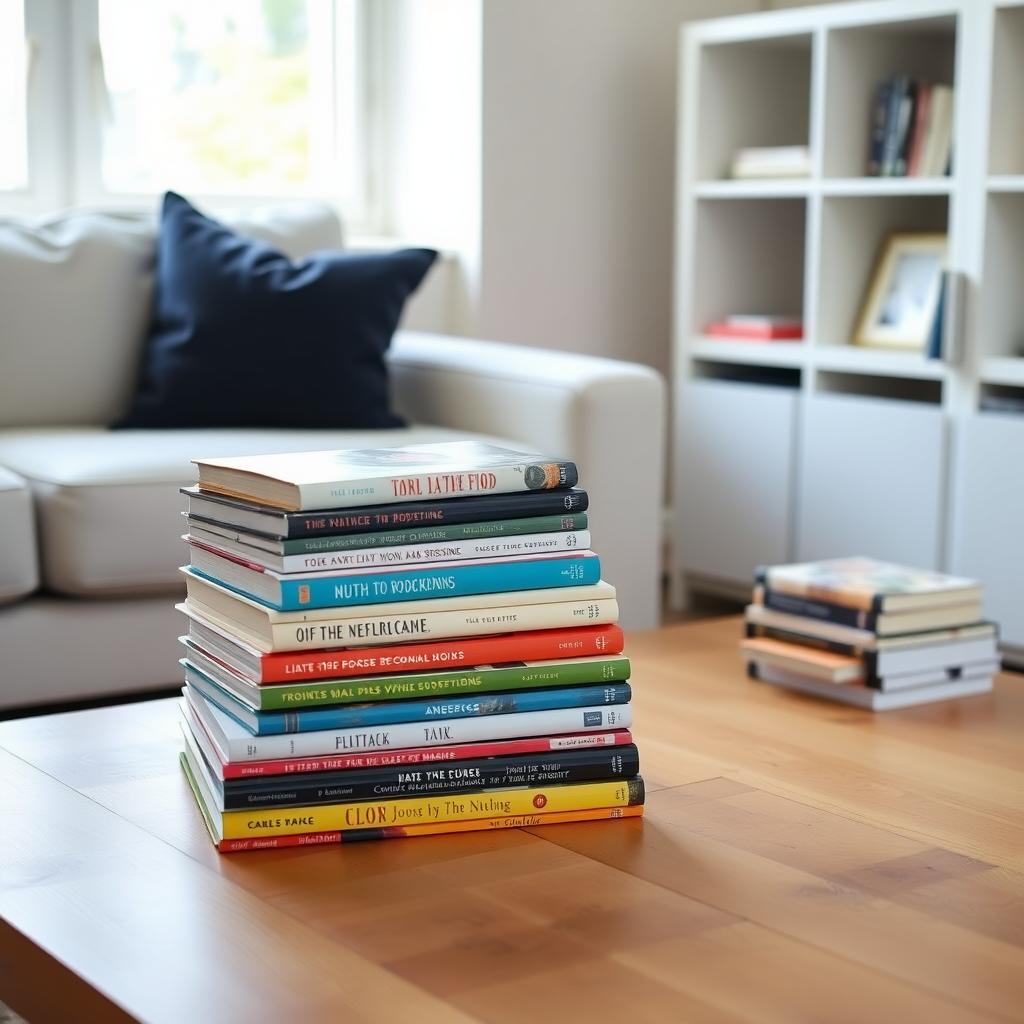
Now that you’ve decluttered, it’s time to group your books. Common categories include genre (fiction, non-fiction, fantasy), author, or topic (history, science, self-help). For a more aesthetic approach, try sorting by size or color for a visually appealing display, especially if you’re aiming for modern bookshelf designs for living room aesthetics.
Create a system that works for you. For example, I keep my fiction novels separate from my cookbooks and arrange my travel guides by destination. If you’re a frequent reader, consider prioritizing books you’re currently reading or plan to read soon. A study from the University of Michigan suggests that organized spaces improve focus, so a logical system can make finding books easier and inspire you to read more.
Step 3: Plan Your Bookshelf Layout
Before placing books back, think about the layout. A mix of vertical and horizontal stacking adds visual interest and maximizes space. Place larger books or heavier tomes on lower shelves to prevent tipping, and keep frequently read books at eye level for easy access.
Here’s a quick layout guide:
| Shelf Level | Best For |
|---|---|
| Top Shelf | Decorative items, rarely used books |
| Eye Level | Favorite books, current reads |
| Middle | Medium-sized books, series |
| Bottom | Heavy books, oversized volumes |
Consider adding bookends or small plants to break up rows of books. This not only organizes but also elevates the look of your furniture, making your bookshelf a focal point in your living room.
Step 4: Add Personal Touches
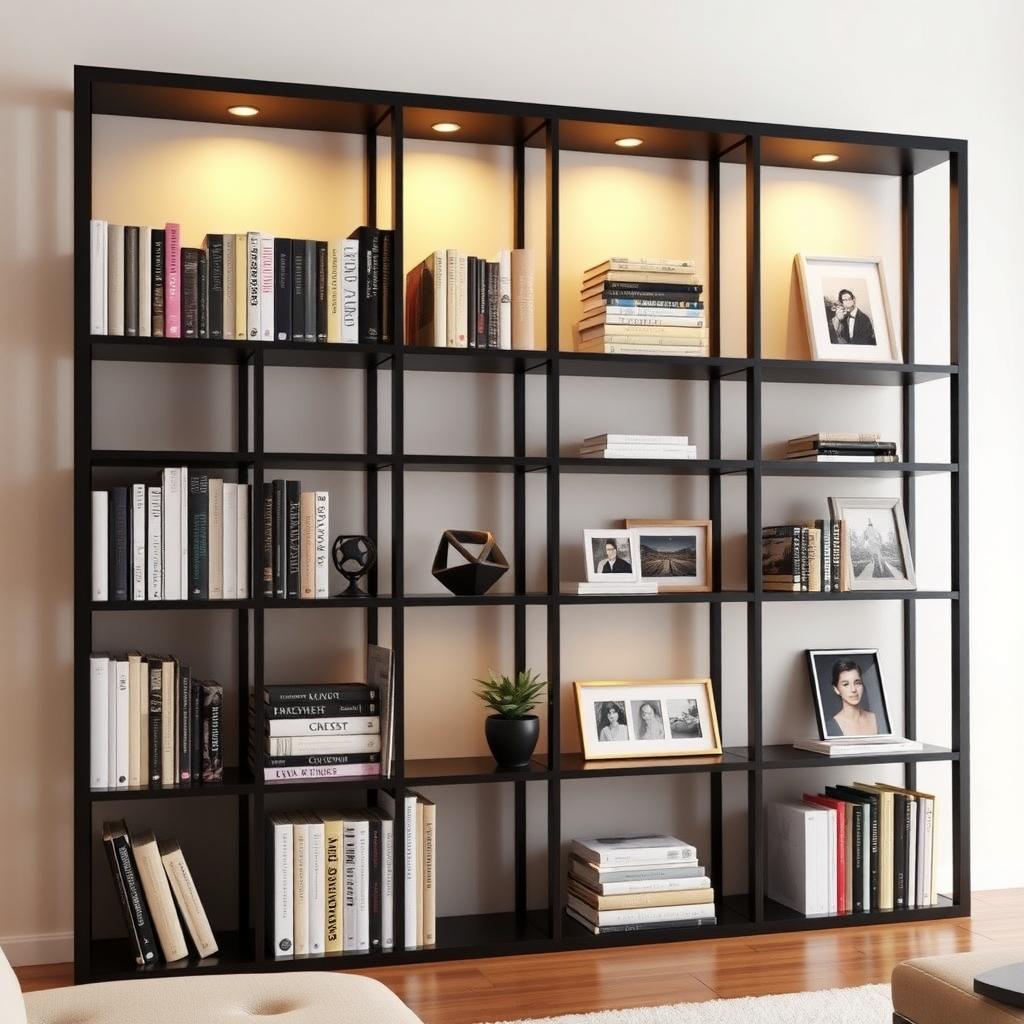
A bookshelf isn’t just for storage—it’s a chance to express your personality. Creative Ways to Showcase Books in Your Space include mixing in personal items like travel souvenirs, framed photos, or art pieces. I love tucking a small globe between my travel books—it sparks conversation and ties the shelf to my adventures.
Try layering books with objects. For example, place a small sculpture on a stack of horizontal books or lean a piece of artwork against the back of the shelf. According to The Spruce, incorporating personal items into bookshelf designs can make your space feel more inviting and unique. Just don’t overdo it—aim for balance to avoid a cluttered look.
Step 5: Maintain Your Bookshelf
An organized bookshelf requires upkeep. Set a reminder every six months to dust the shelves and reassess your collection. As you acquire new books, immediately assign them to a category and shelf spot to prevent piles from forming. I’ve found that keeping a small basket nearby for “to-read” books helps me avoid overcrowding the shelves.
For long-term care, store books upright or flat to prevent spine damage, and avoid direct sunlight to protect covers from fading. The Library of Congress recommends maintaining a consistent temperature and humidity level to preserve books, especially older or valuable ones. A quick monthly check keeps your bookshelf functional and beautiful.
Bonus Tips for Modern Bookshelf Designs
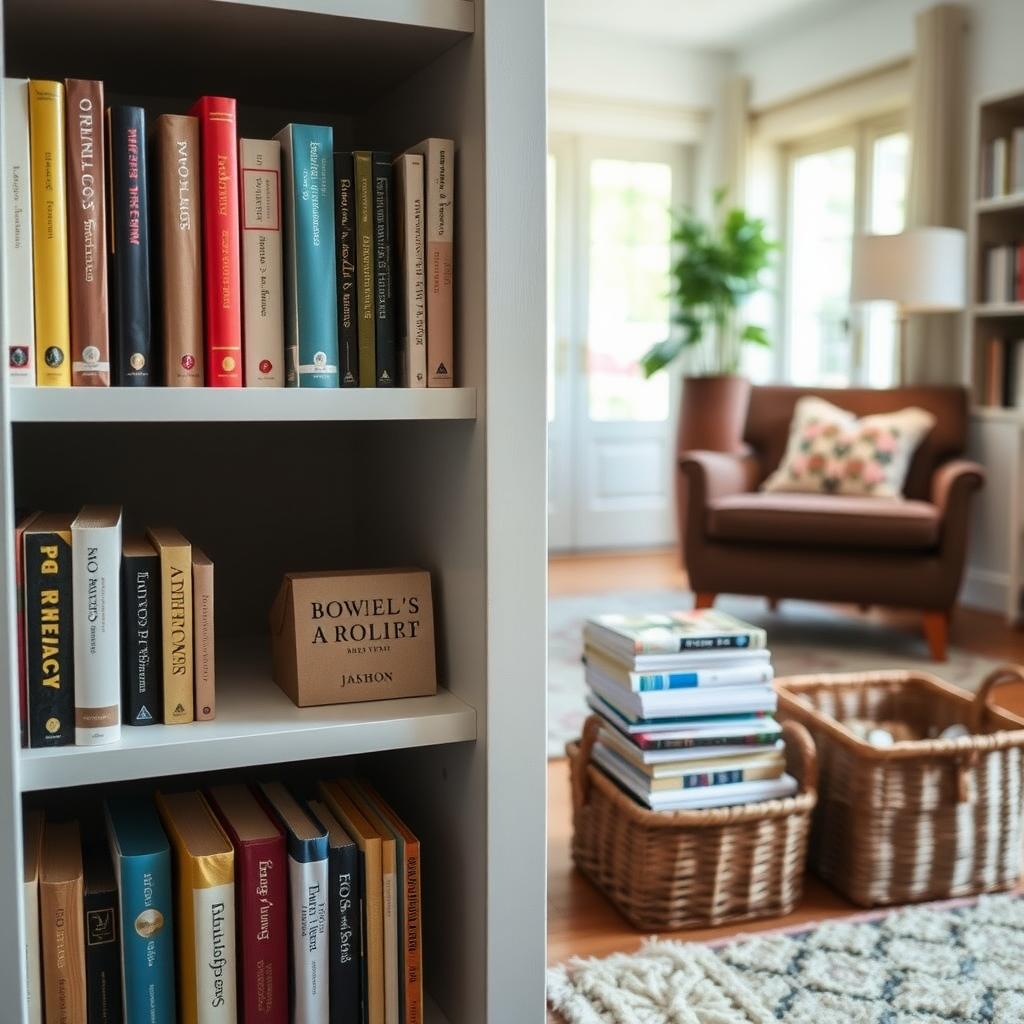
To elevate your bookshelf, consider upgrading to a piece that complements your living room. Modern bookshelf designs for living room spaces often feature open shelving, sleek lines, and mixed materials like wood and metal. Look for furniture that doubles as a statement piece, like a ladder-style shelf or a modular unit you can rearrange.
If space is tight, wall-mounted shelves save floor space while adding a contemporary vibe. For inspiration, I once visited a friend’s home where a floor-to-ceiling bookshelf doubled as a room divider—functional and stunning. Whatever design you choose, ensure it fits your room’s aesthetic and your collection’s size.
Summary
Organizing your bookshelf doesn’t have to be overwhelming. By decluttering, categorizing, planning your layout, adding personal touches, and maintaining your setup, you can create a functional and stylish display. These five steps help you transform your bookshelf into a centerpiece that reflects your personality and enhances your living space. With a little effort, your books will shine, and your room will feel refreshed.