






Featured Post
Stretching for Better Sleep: A Simple Guide to Unwind and Rest
Overview
Struggling to fall asleep after a long day? Stretching for better sleep might be the solution you need. Gentle, intentional stretches can relax your body, ease tension, and prepare you for restful slumber. This guide shares simple stretches for office workers, tips for creating a sleep-friendly environment with the right bed and furniture, and practical advice to help you unwind.
Why Stretching Helps You Sleep Better
After hours hunched over a desk, your body holds onto stress. Tight muscles, stiff joints, and poor posture can make it hard to relax at night. Stretching for better sleep addresses these issues by loosening up your body and calming your mind. Studies, like those from the National Sleep Foundation, show that light physical activity before bed can improve sleep quality by reducing stress hormones and promoting relaxation.
Personally, I’ve found that even 10 minutes of stretching after a long workday makes a difference. My shoulders, which often feel like they’re carrying the weight of the day, loosen up, and my mind feels clearer. It’s like hitting a reset button before climbing into bed.
Simple Stretches for Office Workers
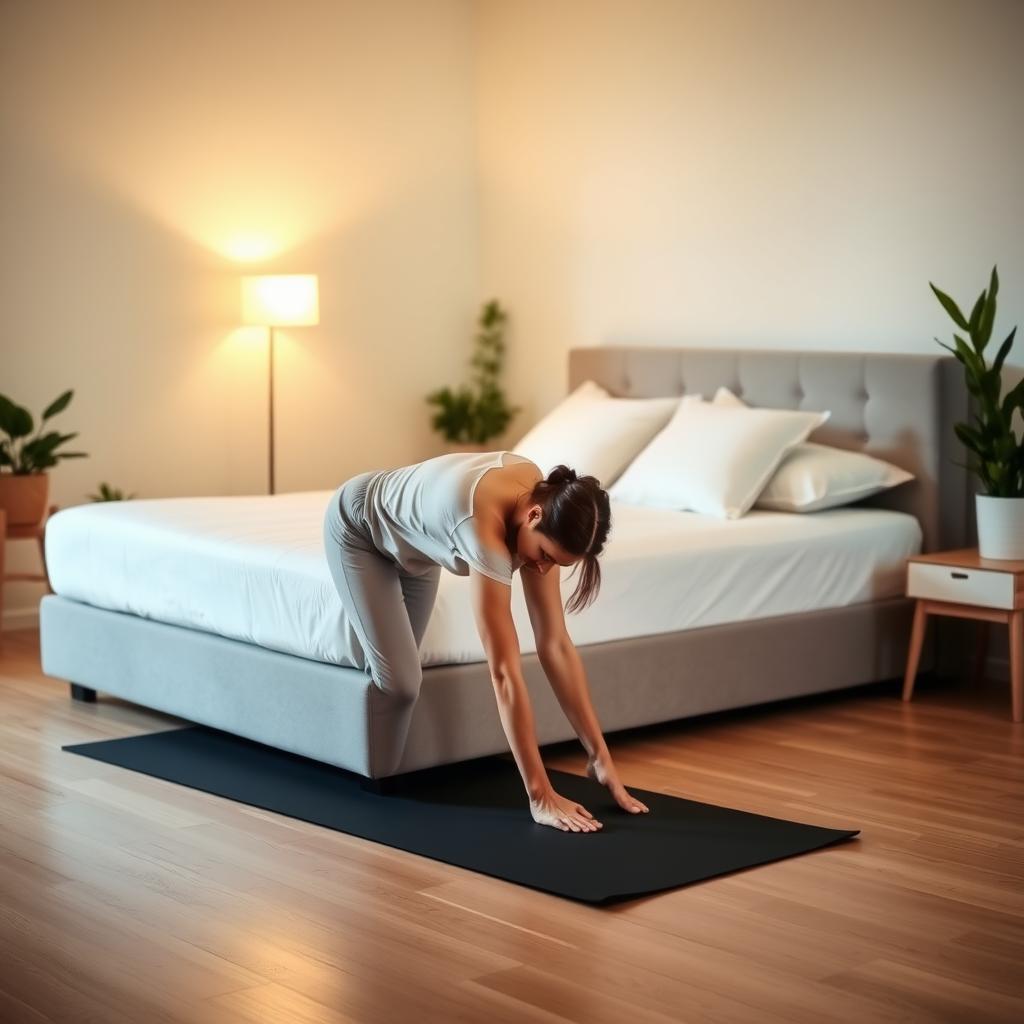
Office workers often deal with tight hips, stiff necks, and sore backs from sitting all day. These simple stretches for office workers are designed to release tension and prepare your body for sleep. You don’t need fancy equipment—just a quiet space and maybe a yoga mat.
1. Neck and Shoulder Release
- How to do it: Sit or stand tall. Slowly tilt your head to one side, bringing your ear toward your shoulder. Hold for 20 seconds, then switch sides. Next, roll your shoulders backward in slow circles for 30 seconds.
- Why it works: This stretch eases tension in the neck and shoulders, common trouble spots for desk workers.
2. Seated Forward Fold
- How to do it: Sit on the floor with your legs extended. Reach forward toward your toes, keeping your back straight. Hold for 20-30 seconds, breathing deeply.
- Why it works: This stretch targets your lower back and hamstrings, which tighten from prolonged sitting.
3. Child’s Pose
- How to do it: Kneel on the floor, sit back on your heels, and stretch your arms forward, lowering your chest toward the ground. Rest your forehead on the floor and hold for 30-60 seconds.
- Why it works: Child’s pose opens your hips and promotes deep relaxation, signaling to your body that it’s time to wind down.
4. Supine Twist
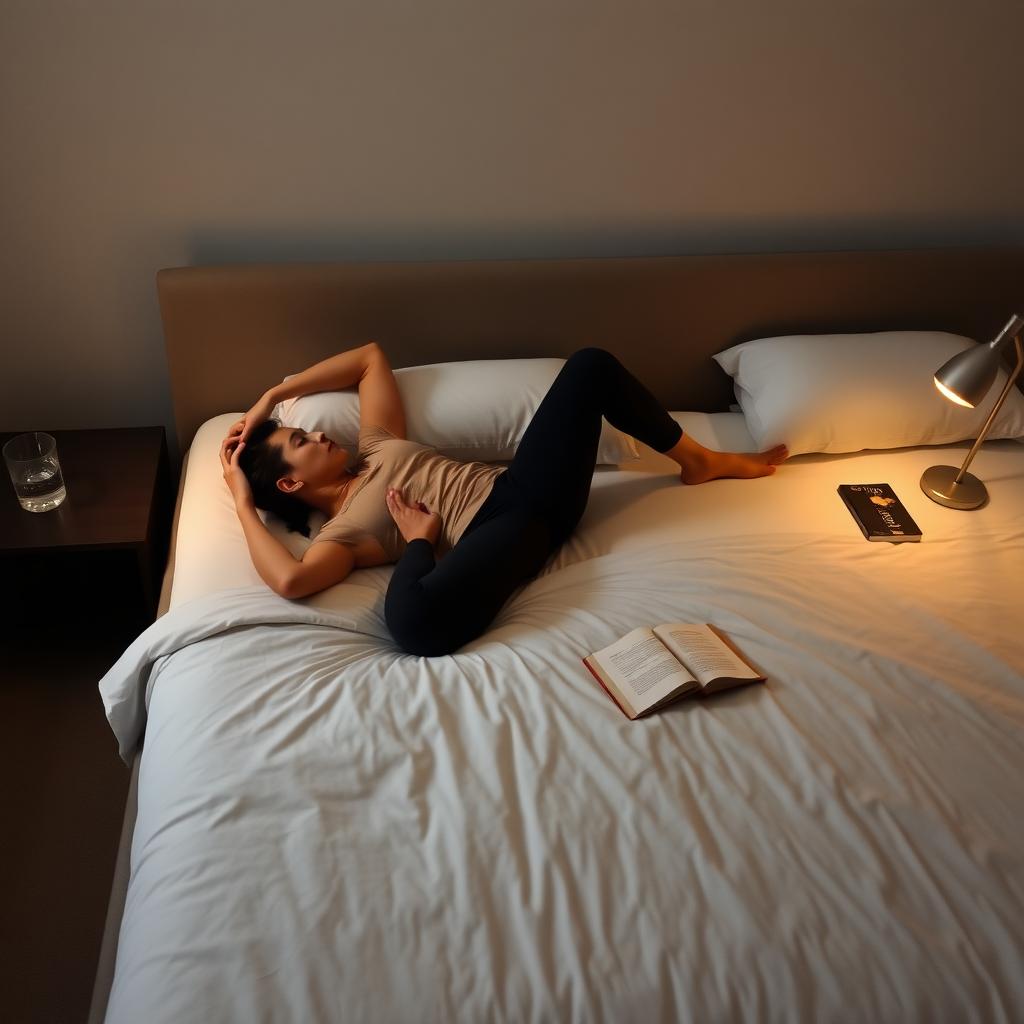
- How to do it: Lie on your back with your legs extended. Bring one knee toward your chest, then guide it across your body to the opposite side, keeping your shoulders flat. Hold for 20 seconds per side.
- Why it works: This gentle twist relieves tension in your spine and soothes your nervous system.
I’ve incorporated these stretches into my evening routine, and they’ve become a ritual I look forward to. They’re simple enough to do while watching TV or listening to calming music, making them easy to stick with.
Creating a Sleep-Friendly Environment
Stretching is only part of the equation. Your bedroom environment plays a huge role in how well you sleep. Investing in the right bed and furniture can make a big difference. A supportive mattress and ergonomic pillows help align your spine, while a clutter-free room promotes calm.
When I upgraded my bed to one with a medium-firm mattress, I noticed I woke up with less back pain. Pair that with a few stretches, and I was sleeping deeper than ever. Consider these tips for optimizing your bedroom:
- Choose the right bed: Look for a mattress that supports your body without being too firm or too soft. Memory foam or hybrid mattresses often work well for most sleepers.
- Add ergonomic pillows: Pillows that support your neck and spine can enhance the benefits of your stretching routine.
- Keep it calm: Use soft lighting, neutral colors, and minimal clutter to create a relaxing space.
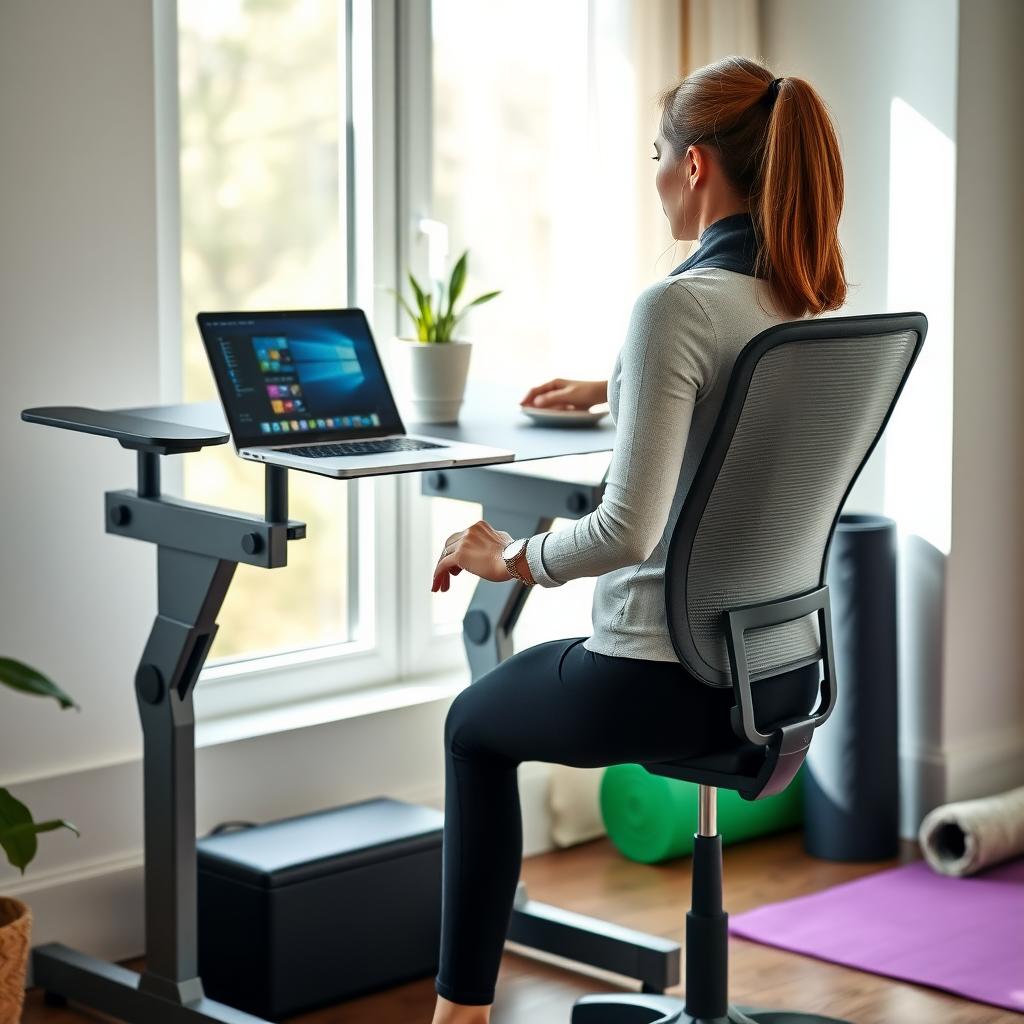
If you work from home, think about office furniture for ergonomic workstations. A chair with lumbar support or an adjustable desk can reduce strain during the day, making it easier to relax at night.
How to Build a Pre-Sleep Stretching Routine
Consistency is key when it comes to stretching for better sleep. Here’s how to create a routine that works for you:
- Set a time: Aim for 10-15 minutes of stretching about 30-60 minutes before bed. This gives your body time to relax without feeling rushed.
- Find a quiet space: Use your bedroom or a calm corner of your home. Lay out a yoga mat or use a soft rug.
- Start small: Begin with 2-3 stretches, like the ones listed above, and gradually add more as you get comfortable.
- Breathe deeply: Focus on slow, deep breaths to enhance relaxation. Inhale through your nose for 4 seconds, then exhale for 6 seconds.
- Pair with other habits: Combine stretching with other sleep-friendly habits, like reading or drinking herbal tea.
When I started my routine, I kept it short—just child’s pose and a neck stretch. Over time, I added more stretches and noticed I was falling asleep faster. It’s not about perfection; it’s about creating a habit that feels good.
The Role of Ergonomic Furniture in Sleep Quality
You might not think your office chair affects your sleep, but it does. Poor posture during the day can lead to muscle tension that lingers into the night. Office furniture for ergonomic workstations, like adjustable desks and supportive chairs, helps maintain proper alignment while you work. This reduces strain on your back, neck, and hips, making it easier to relax when you hit the bed.
I used to slump in a cheap chair all day, and by evening, my back was screaming. Switching to an ergonomic chair with lumbar support was a game-changer. It’s not just about comfort at work—it sets you up for better relaxation and sleep.
Common Mistakes to Avoid
While stretching for better sleep is simple, there are a few pitfalls to watch out for:
| Mistake | Why It’s a Problem | How to Fix It |
|---|---|---|
| Stretching too intensely | Vigorous stretching can energize you, making it harder to sleep. | Stick to gentle, slow movements. |
| Skipping a warm-up | Cold muscles are more prone to injury. | Do light movements, like shoulder rolls, before stretching. |
| Inconsistent routine | Sporadic stretching won’t yield lasting benefits. | Set a regular time and stick to it. |
| Using screens during stretches | Blue light from devices can disrupt your sleep cycle. | Keep your phone or TV off while stretching. |
By avoiding these mistakes, you’ll maximize the benefits of your stretching routine and set yourself up for better rest.
Summary
Stretching for better sleep is a simple, effective way to unwind and improve your rest. By incorporating simple stretches for office workers, optimizing your bedroom with the right bed and furniture, and using ergonomic workstations, you can create a routine that promotes relaxation and deeper sleep. Start small, stay consistent, and enjoy the benefits of a calmer, more rested you.